

We may earn a commission when you buy through links on this page, at no extra cost to you. Learn more.
A moscato gift is an excellent choice for someone who enjoys sweet, aromatic wines, especially when you select a bottle of Moscato d’Asti with refreshing acidity and gentle bubbles. Its inviting peach, floral, and honey aromas make it suitable for birthdays, holidays, anniversaries, and dinner invitations. Choose the sweetness and sparkling style around the recipient’s preferences, then add a dessert pairing or attractive presentation to make the bottle feel more personal.
Wine gifts do not need to be expensive or complicated to feel thoughtful. Moscato offers an approachable combination of fruit-forward flavor, natural sweetness, and refreshing character that works particularly well for people who find dry wines too tart or tannic. The key is choosing the right expression: a lightly sparkling Italian Moscato d’Asti, a more fully sparkling Asti, or a still Moscato wine. Understanding these differences makes it easier to select a bottle that suits the occasion rather than simply choosing the prettiest label.
Who This Is For
Moscato is particularly suitable for recipients who appreciate sweet, fragrant wines and prefer something lighter in character than many traditional red wines. Its fruit-driven personality also makes it an approachable introduction to wine for someone who rarely drinks it.
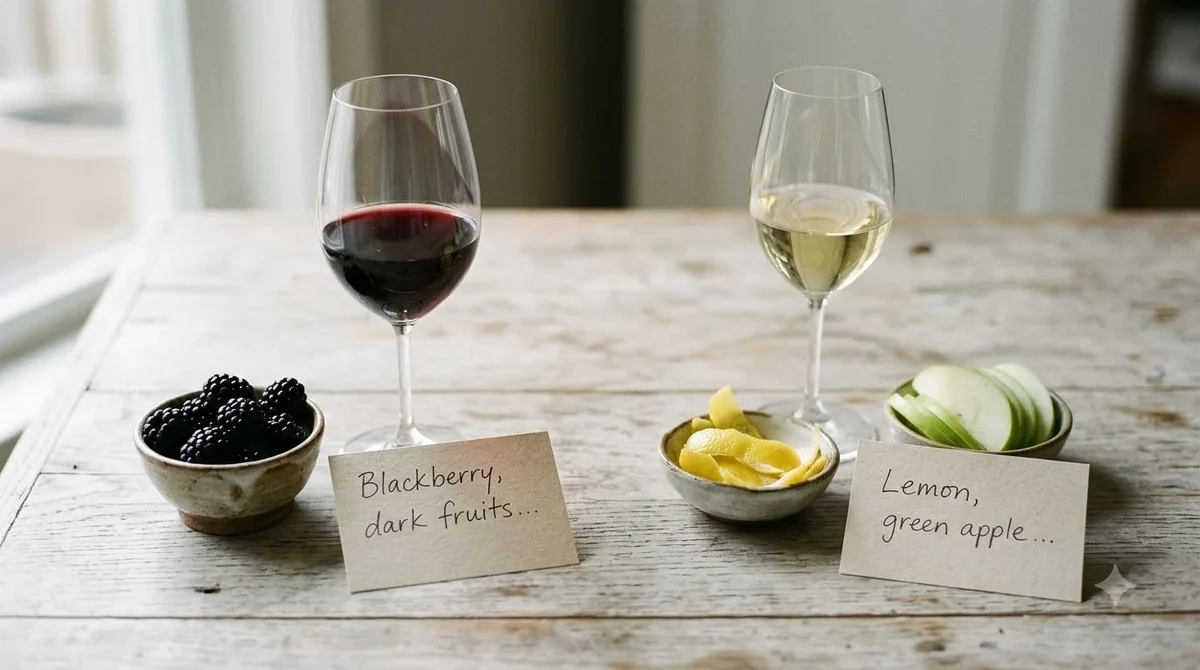
Consider Moscato for a birthday celebration, holiday gathering, housewarming, engagement party, or dinner invitation. Its familiar fruit and floral aromas can appeal to people who enjoy peaches, ripe grapes, citrus, and honey. Someone who regularly chooses sweet cocktails, fruit-forward white wines, or dessert wines may appreciate Moscato more than a heavily oaked Chardonnay or a tannic Cabernet Sauvignon.
It is also a practical option when the recipient’s exact wine preferences are not known. Moscato d’Asti generally has an approachable sweetness and relatively low alcohol content, making it less imposing than many full-bodied wines. For example, Gancia and Francesco Capetta both list 5.5% ABV for their respective Moscato d’Asti DOCG bottlings. These are useful examples of the lighter alcoholic strength associated with this particular Italian wine style.
However, Moscato is not the ideal choice for every wine drinker. Someone who consistently prefers bone-dry Champagne, mineral-driven Sauvignon Blanc, or structured Cabernet Sauvignon may find its sweetness too pronounced. In that situation, a dry sparkling wine or a different bottle selected through our best wine for gift recommendations may be a better match.
Think about the occasion as well. A bottle for a casual weekend brunch can be different from one intended for a formal anniversary dinner. A gently sparkling Moscato d’Asti is a friendly choice for an informal celebration, while a beautifully presented Asti Spumante can make a stronger impression at a larger gathering where a more pronounced sparkling wine is appropriate.
Key Factors to Compare
The most important considerations are sweetness, bubbles, alcohol content, bottle presentation, and the recipient’s food preferences. Comparing these details before purchasing helps avoid a mismatch between the wine and the person receiving it.
| Factor | What to Look For | Gift-Giving Advantage |
|---|---|---|
| Sweetness | Sweet, aromatic fruit character | Approachable for dessert-wine fans |
| Wine style | Still, gently sparkling, or fully sparkling | Matches different celebrations |
| Alcohol | Many Moscato d’Asti examples list around 5–5.5% ABV | Lighter than many conventional table wines |
| Serving temperature | Approximately 43–50°F, depending on the bottle | Easy to serve chilled |
| Bottle size | 750 ml standard bottle | Suitable for a small gathering |
| Food pairing | Fruit, pastries, cakes, and creamy desserts | Easy to create a coordinated gift |
| Presentation | Gift box, tissue paper, ribbon, or wine bag | Makes a simple bottle feel special |
Sweetness should come first. Moscato is generally known for its sweet fruit character, but individual bottlings differ in residual sugar, acidity, and overall balance. Gancia, for example, lists 55 grams of residual sugar per liter in its Moscato d’Asti DOCG, illustrating how sweetness can be measured rather than judged only by tasting descriptions. A refreshing level of acidity helps balance that sweetness and keeps the wine from feeling excessively heavy.
Next, consider the amount of carbonation. Moscato d’Asti is generally gently sparkling, whereas Asti Spumante offers a more pronounced sparkling experience. A still Moscato may suit someone who likes sweet white wine but dislikes bubbles. For a birthday toast or holiday celebration, the stronger fizz of Asti Spumante may be more appropriate.
Alcohol content is another useful comparison. Many Moscato d’Asti examples are around 5–5.5% ABV, although the category and individual bottlings should not be treated as having one universal alcohol level. A lighter style can suit a relaxed afternoon gathering, but the gift should still be selected with the recipient’s preferences and the occasion in mind.
Finally, examine the presentation. A simple 750 ml bottle can look attractive in a quality wine bag, while a boxed presentation can make it suitable for a more formal celebration. The label, bottle shape, and overall appearance matter, but they should support rather than replace the choice of a wine the recipient will actually enjoy.
Tip: If you do not know the recipient’s exact preferences, choose a recognizable Moscato d’Asti DOCG, add a small box of fruit pastries, and include a note suggesting that the wine be served well chilled.
Step-by-Step: How to Choose a Moscato Gift
A good selection process starts with the recipient rather than the bottle. Identify the occasion, establish whether the person likes sweet wine, and then narrow the options by style, presentation, and food pairing.
-
Identify the recipient’s wine preferences.
Find out whether the person prefers sweet, dry, or sparkling wine. If they enjoy fruit-forward whites, sweet rosé, or dessert wines, Moscato is a promising option. If they prefer very dry wines, consider a different style instead.
-
Choose the appropriate Moscato style.
Select Moscato d’Asti for a gently sparkling, aromatic wine. Choose Asti Spumante if a more fully sparkling celebration wine is preferred. Consider still Moscato if the recipient enjoys sweetness but does not particularly like carbonation.
-
Compare the producer’s tasting information.
Look for descriptions such as peach, apricot, white flowers, acacia, sage, and honey. These are characteristic aromas associated with Moscato d’Asti. The producer’s technical information can also help you compare alcohol content, residual sugar, and serving recommendations.
-
Match the wine to the occasion.
For a birthday, a sparkling bottle with attractive packaging is an easy choice. For a holiday dinner, consider pairing Moscato with panettone, fruit pastries, or a dessert platter. For a housewarming, a bottle with a reusable wine bag or simple serving accessory makes a practical present.
-
Plan a complementary food gift.
Fresh strawberries, peaches, almond biscuits, fruit tarts, and hazelnut cakes all work well with sweet Moscato. For someone who prefers savory food, consider a cheese selection with a suitable sweet-and-salty contrast.
-
Choose the bottle presentation.
Look for an intact label, undamaged glass, and a properly secured closure. A bottle bag, protective gift box, or decorative wrapping can improve the presentation without making the gift unnecessarily complicated.
-
Include a serving suggestion.
Add a short handwritten message recommending refrigeration before serving. Most Moscato d’Asti examples are enjoyable when properly chilled, and the producer’s recommended temperature gives the recipient a helpful starting point.
This process is especially helpful when shopping for someone whose preferences are only partly known. Instead of choosing solely by label design, you create a present based on a combination of flavor, occasion, and presentation.
Types and Styles Explained
Moscato is not a single uniform style, and understanding the differences between still Moscato, Moscato d’Asti, and Asti Spumante is one of the most useful parts of choosing a bottle. Each has a different level of carbonation and a slightly different role at the table.
Moscato d’Asti DOCG
Moscato d’Asti is a classic choice for someone who enjoys sweet wine with a delicate sparkling character. It is produced from Moscato Bianco grapes in the Piedmont region of northwestern Italy. The regional wine tourism authority identifies 52 production towns across the provinces of Alessandria, Asti, and Cuneo.
Its aromatic profile commonly includes peach, ripe grape, floral notes, and honey. Gancia describes peach, sage, acacia blossom, and honey in its own bottling, while Duchessa Lia identifies wisteria, acacia, and fresh fruit. These examples demonstrate why Moscato d’Asti works so well with fruit-based desserts and celebrations.
This is often the most versatile selection for a sweet-wine recipient. Its lighter alcoholic strength and refreshing acidity can make it easier to enjoy alongside desserts than a heavier fortified dessert wine. For someone exploring the category, our guide to sweet Moscato provides additional context about the range of sweetness and styles available.
Asti Spumante
Asti Spumante is the more fully sparkling expression associated with the same Piedmontese Moscato tradition. Its pronounced bubbles make it particularly appropriate for celebrations where opening a sparkling bottle is part of the occasion.
Consider this style for New Year’s gatherings, engagement celebrations, milestone birthdays, and holiday parties. It can also be an attractive alternative for someone who likes sparkling wine but prefers a sweeter flavor profile than traditional Brut sparkling wines.
The distinction is important because Moscato d’Asti and Asti Spumante should not be treated as interchangeable descriptions. Both are aromatic, sweet-leaning wines, but their carbonation and drinking experiences differ. Choose based on whether the recipient prefers gentle liveliness or a more energetic sparkling pour.
Still Moscato
Still Moscato provides the familiar aromatic character without noticeable sparkling bubbles. It can be a sensible option for a person who enjoys sweet white wines but does not particularly enjoy sparkling wine.
Look for descriptions of ripe grapes, peach, citrus, and flowers. Still Moscato can work with fresh fruit, light desserts, and afternoon gatherings. It is also useful when the recipient already owns sparkling wine glasses or accessories that are not particularly important to the occasion.
Rosé Moscato
Rosé Moscato offers a more colorful presentation and can be an appealing option for a birthday, bridal shower, or spring celebration. Its pink appearance may make it especially attractive in a gift basket or coordinated celebration package.
However, the color alone does not determine sweetness. Check the producer’s description to understand whether the particular bottle is sweet, off-dry, or more restrained. Also distinguish between a pink Moscato wine and a red sparkling dessert wine, as they can have different grape compositions and flavor profiles.
Understanding the Aromatic Profile
Moscato’s appeal is strongly connected to its fragrant character. Peach, apricot, orange blossom, acacia, sage, and honey are common descriptors in producer tasting information. These aromas are useful clues when deciding whether a recipient is likely to enjoy the wine.
A person who enjoys fresh peaches, fruit tarts, floral desserts, and ripe grapes may appreciate the style. Someone who prefers earthy, smoky, mineral, or strongly tannic wines may find it less suitable. Matching these preferences is more valuable than assuming every sweet wine drinker likes the same thing.
Common Mistakes When Buying Moscato as a Present
The most common mistakes involve confusing different sparkling styles, assuming every Moscato tastes equally sweet, or overlooking the recipient’s food and wine preferences. A few simple checks can make the gift more appropriate.
Confusing Moscato d’Asti With Asti Spumante
Both wines come from the Piedmont Moscato tradition, but their carbonation differs. Moscato d’Asti generally has a gentler sparkle, while Asti Spumante is more fully sparkling. Buying one when the recipient specifically prefers the other can lead to disappointment.
Think about the intended occasion. A gently sparkling wine can be a pleasant accompaniment to dessert, whereas a more fully sparkling bottle can work better for a celebratory toast. Neither is automatically superior; they simply serve different preferences.
Assuming All Moscato Has Identical Sweetness
Although Moscato is commonly associated with sweetness, individual producers can have different residual sugar levels and balances of acidity. A bottle with prominent acidity may feel fresher than another wine with a similar sweetness level.
For example, Gancia publishes a residual sugar figure of 55 grams per liter for its Moscato d’Asti DOCG. This is a useful illustration of the technical differences that can exist between individual bottles. Do not assume that one producer’s figures apply to every Moscato wine.
Ignoring the Recipient’s Food Preferences
A sweet wine is particularly enjoyable when the food has comparable sweetness. Moscato served with a dessert that is considerably sweeter than the wine can taste less balanced. Fresh fruit, moderately sweet cakes, and fruit pastries are often safer choices than extremely sugary desserts.
However, Moscato is not restricted to desserts. Gancia recommends blue cheese, cured meats, spicy dishes, and anchovy crostini as savory combinations. Regional tourism guidance for Piedmont also identifies cheese, salami, and spicy cuisine as potential partners. These suggestions make it possible to create a more interesting gift basket than one containing only sweets.
For further information about the wine’s regional identity, grape variety, and traditional food combinations, consult the Piedmont wine tourism authority’s Moscato d’Asti overview. Its regional information explains why this aromatic wine is associated with both traditional pastries and savory dishes.
Choosing by Packaging Alone
A beautiful label or decorative bottle does not guarantee that the wine will suit the recipient. Pay attention to the grape variety, wine style, sweetness, alcohol content, and producer’s tasting description before purchasing.
Packaging should enhance a good selection. A simple bottle of Moscato d’Asti with a thoughtful dessert pairing can be more memorable than an elaborate presentation containing a wine the recipient dislikes.
Forgetting That Serving Temperature Matters
Serving Moscato too warm can make its sweetness feel heavier and reduce the refreshing impression of its acidity. A chilled bottle allows the fruit and floral aromas to remain pleasant while keeping the wine lively.
Different producers recommend slightly different serving temperatures. Gancia recommends 6–8°C, while Francesco Capetta and Duchessa Lia recommend 8–10°C. These differences are a good reason to include a general chilling suggestion rather than assuming every bottle requires precisely the same temperature.
Care, Storage, and Gift Presentation Tips
Good storage and presentation help protect the wine and make the gift easier to enjoy. Keep the bottle away from direct sunlight and excessive heat, and provide a simple serving recommendation with the present.
Store the Bottle Properly
Store unopened wine in a cool, dark place with a reasonably consistent temperature. A temperature near 55°F is a useful general target for wine storage. Avoid leaving a Moscato bottle in a hot vehicle, beside a radiator, or in direct sunlight for extended periods.
For a short period before gifting, a cool cupboard away from strong temperature fluctuations is usually more practical than an ordinary kitchen counter. If the wine will be transported, use protective packaging to prevent the bottle from being knocked or damaged.
Chill Before Serving
For Moscato d’Asti, begin with a serving temperature around 43–50°F, adjusting to the producer’s recommendation. Gancia’s suggested 6–8°C range is approximately 43–46°F, while Francesco Capetta’s 8–10°C range is approximately 46–50°F.
Refrigerating the bottle for a few hours before serving is a straightforward approach. If the bottle becomes too cold, allow it to warm slightly before pouring. This helps the aromatic character remain expressive rather than making the wine seem muted.
Choose Appropriate Glassware
A small white wine glass is a versatile option for Moscato d’Asti. It gives the recipient room to appreciate the floral and fruit aromas while accommodating the wine’s gentle bubbles.
For fully sparkling Asti Spumante, a sparkling wine glass can help retain the carbonation and make the presentation more festive. A traditional flute is suitable, although a tulip-shaped glass offers additional room for aromatic expression.
Pair the Bottle With a Thoughtful Gift
Food pairings are an easy way to turn a single bottle into a coordinated present. Consider a small box of almond biscuits, fruit pastries, chocolate-covered strawberries, or a selection of dried fruit.
For a more savory presentation, include a suitable cheese selection. Blue cheese can create an appealing contrast with the sweetness of Moscato, while aged cheeses can offer a richer combination. If you are assembling a basket, keep strongly scented foods securely wrapped so their aromas do not interfere with the wine or its packaging.
Make the Presentation Personal
A wine bag, tissue paper, and a handwritten card are often enough. For a birthday, use a message that connects the wine to the celebration. For a housewarming, pair the bottle with dessert plates or a small serving accessory.
For a holiday present, consider adding panettone or another traditional sweet bread. Gancia specifically recommends panettone, pandoro, and colomba with its Moscato d’Asti DOCG. These combinations provide a useful starting point for a coordinated seasonal gift.
Remember that Moscato is generally best enjoyed while its fresh aromatic character is prominent. It is not usually selected as a long-term cellar investment. Giving the recipient a fresh bottle and an appropriate serving suggestion is more useful than presenting it as a wine that needs years of aging.
Gancia’s Moscato d’Asti DOCG producer information is another useful reference when comparing a specific bottle’s alcohol content, residual sugar, tasting notes, food pairings, and recommended serving temperature.
Frequently Asked Questions
Is Moscato d’Asti the same as Moscato wine?
Moscato is a broad wine-style name associated with Muscat grapes, while Moscato d’Asti identifies a specific Italian wine designation from Piedmont. Moscato wines can be still, sparkling, sweet, or produced in other regional styles. The DOCG designation provides a more specific indication of origin and production rules.
Does Moscato need to be opened immediately after receiving it?
No. An unopened bottle can be kept for the appropriate short-term storage period in a cool, dark location. Many Moscato d’Asti bottlings are intended to be enjoyed relatively young rather than stored for extended aging. A recipient can save the bottle for a suitable upcoming occasion.
How many servings are in a standard Moscato bottle?
A standard 750 ml bottle provides approximately five servings when poured in 5 oz portions. Smaller tasting pours can provide more glasses, especially when the wine is served alongside dessert. For a larger celebration, calculate the number of bottles based on the number of guests and the other drinks available.
Can Moscato be used in a wine gift basket without refrigeration?
Yes, a sealed bottle can be included in a gift basket before it is chilled, provided the basket is kept away from excessive heat and sunlight. Add a serving card recommending refrigeration before opening. Avoid leaving the assembled gift in a hot car or outside for prolonged periods.
What should be done with leftover opened Moscato?
Reseal the bottle promptly and refrigerate it. Still Moscato generally follows the usual guideline of approximately three to five days after opening, while sparkling wines are best consumed sooner, typically within one to three days with an appropriate sparkling wine stopper. The wine’s freshness and carbonation will gradually decline after opening.
A thoughtful Moscato gift combines the right sweetness, sparkling style, and presentation for the person receiving it. Moscato d’Asti is a particularly appealing starting point for someone who enjoys aromatic fruit-forward wines, while Asti Spumante offers a more pronounced celebratory sparkle. Choose a bottle that matches the recipient’s preferences, add a complementary dessert or cheese, and include a simple chilling recommendation to make the present more memorable.
More in Wine Buying Guides
 Malbec Gift: How to Choose a Memorable Bottle for Any OccasionUpdated Nov 21, 2026
 Sherry Gift Ideas That Match Every Wine LoverUpdated Nov 21, 2026
 Merlot Gift: How to Choose a Bottle They’ll AppreciateUpdated Nov 21, 2026
 Dry White Wine Gift: Choose a Bottle They Will LoveUpdated Nov 21, 2026
 Cheap Lambrusco: Choose Better Bottles for Food and PartiesUpdated Nov 21, 2026
 Cheap Viognier: How to Find Flavorful White Wine for LessUpdated Nov 21, 2026