


We may earn a commission when you buy through links on this page, at no extra cost to you. Learn more.
A sweet red wine gift is an excellent choice for someone who enjoys fruity, approachable wines, especially when you match the bottle’s sweetness, sparkling style, and alcohol level to the recipient’s preferences. Lambrusco is a versatile option for casual celebrations, Brachetto d’Acqui suits chocolate and berry desserts, and Ruby Port makes a richer present for someone who enjoys after-dinner drinks. The best selection is the one that fits the person’s taste rather than simply choosing the sweetest or most expensive-looking bottle.
Sweet red wine offers more variety than many gift buyers expect. Some bottles are lightly sparkling and refreshing, others are soft and fruit-forward, and traditional dessert reds can be rich, concentrated, and complex. Understanding these differences makes it easier to choose a thoughtful present for birthdays, holidays, dinner parties, anniversaries, and other occasions. This guide explains what to compare, how to recognize genuine sweetness, and how to present the bottle so the recipient can enjoy it at its best.
Who This Sweet Red Wine Gift Is For
A sweet red wine makes a particularly appealing present for people who prefer fruity flavors, softer textures, and less bitterness than conventional dry reds. The right style can also suit someone who enjoys sparkling wine or dessert pairings but has not explored many red wine varieties.

For beginners and casual wine drinkers: Start with a lightly sparkling Lambrusco labeled amabile or a sweet red blend. These styles offer recognizable berry flavors and approachable drinking experiences. A bottle with moderate sweetness and refreshing acidity is generally more versatile than an intensely concentrated dessert wine. Someone who usually drinks fruit-forward beverages may find these styles especially accessible.
For someone with a sweet tooth: Brachetto d’Acqui and Recioto della Valpolicella deserve consideration. Brachetto is aromatic, often featuring strawberry, raspberry, and rose-like notes, while Recioto offers concentrated dark fruit and a richer texture. Both can make memorable gifts for someone who appreciates desserts and sweeter drinks.
For experienced wine enthusiasts: A traditional Ruby or Tawny Port may be more interesting than a straightforward sweet red blend. Ruby Port emphasizes youthful fruit, while Tawny Port develops more complex flavors associated with barrel aging, including hazelnut, coffee, caramel, and spice. These are good choices for someone who enjoys slowly appreciating a smaller after-dinner pour.
For hosts and party organizers: A sparkling red is practical for celebrations because it can be served chilled and shared with several guests. Lambrusco works particularly well with casual food spreads, while Brachetto can provide a distinctive finish to a dessert course.
Consider the recipient’s usual drinks before deciding. Someone who prefers light, refreshing beverages may not appreciate a powerful fortified wine, even if they enjoy sweet flavors. Similarly, a person who regularly drinks traditional dry reds might prefer a balanced, lightly sweet style rather than a bottle with pronounced residual sugar.
Key Factors to Compare Before Buying
The most useful comparisons are sweetness, bubbles, alcohol content, flavor intensity, and intended serving occasion. These characteristics help distinguish a refreshing everyday red from a concentrated dessert wine.
| Style | Typical character | Alcohol reference | Best gifting occasion |
|---|---|---|---|
| Lambrusco amabile | Medium-sweet, berry-driven, lightly sparkling | Often 11%–12% ABV | Casual dinners and celebrations |
| Lambrusco dolce | Noticeably sweet, fruity, sparkling | Often 11%–12% ABV | Sweet-wine enthusiasts |
| Brachetto d’Acqui | Sweet, floral, strawberry-forward, sparkling | Often around 5.5% ABV | Birthdays and chocolate desserts |
| Ruby Port | Rich, sweet, dark-fruited, fortified | Typically 19%–22% ABV | Holiday gifts and after-dinner occasions |
| Tawny Port | Sweet, nutty, caramel-like, barrel-aged | Typically 19%–22% ABV | Formal gifts and dessert pairings |
| Recioto della Valpolicella | Concentrated, sweet, dried-fruit character | Varies by producer | Special occasions and dessert courses |
The alcohol figures are typical style references, not guarantees for every bottle. Wine Folly identifies Lambrusco at approximately 11% to 12% ABV and Brachetto d’Acqui Rosso at around 5.5% ABV. Wine Enthusiast describes Port as generally containing 19% to 22% ABV. These differences matter because a gift recipient may prefer a lighter sparkling wine rather than a more powerful fortified bottle.
Sweetness is the first consideration. A wine can taste fruity without actually containing much residual sugar. For example, a dry Zinfandel can have ripe blackberry and jam-like aromas without being classified as sweet. Look for descriptions such as sweet, semi-sweet, amabile, or dolce rather than relying on words like smooth, rich, or fruity.
Think about texture and bubbles. Sparkling reds offer lively carbonation and a refreshing sensation, while still dessert wines generally feel fuller and more concentrated. Light bubbles can make sweetness feel more balanced, especially when the wine is served cold.
Consider the occasion. A bottle for a summer gathering should be different from a bottle intended for a quiet evening with dark chocolate. The former benefits from freshness and bubbles; the latter may call for a richer wine with more concentrated flavors.
Finally, consider presentation. A distinctive regional wine, an attractive bottle, or a carefully chosen pairing can make a simple present feel more personal. A thoughtful note explaining why the style was selected often adds more value than elaborate packaging.
Step-by-Step: How to Choose the Right Bottle
Choosing a suitable sweet red wine gift becomes easier when you work through a few practical decisions. Start with the recipient rather than the wine category, then narrow the options according to sweetness, occasion, and serving preferences.
-
Identify the recipient’s preferred sweetness.
Think about whether the person enjoys sweet cocktails, dessert wines, fruit-forward beverages, or conventional dry reds. If they regularly choose sweeter drinks, Brachetto d’Acqui or Lambrusco dolce may be suitable. If they prefer some balance between sweetness and freshness, Lambrusco amabile is a sensible starting point.
-
Decide whether sparkling or still wine is more appropriate.
Choose sparkling Lambrusco or Brachetto for someone who enjoys lively drinks and celebrations. Select a still dessert wine such as Recioto when the occasion calls for a more concentrated, contemplative bottle. Port is another still option, although its fortified character makes it substantially stronger.
-
Match the wine to the recipient’s favorite foods.
Chocolate lovers may appreciate Brachetto or Recioto. Someone who enjoys cheese boards, savory snacks, and casual dinners may prefer Lambrusco. Port is a useful choice for occasions involving dried fruit, nuts, aged cheese, and rich desserts.
-
Compare alcohol levels.
Brachetto d’Acqui commonly sits around 5.5% ABV, while Lambrusco is often around 11% to 12% ABV. Port generally reaches 19% to 22% ABV. The difference is significant, so consider whether the recipient prefers lighter sparkling wine or stronger fortified styles.
-
Check the specific sweetness description.
For Lambrusco, amabile means medium-sweet and dolce means sweet. Secco indicates dry, while semi-secco is generally off-dry. These terms are more informative than simply choosing a bottle because its label shows red berries or ripe fruit.
-
Consider bottle size and presentation.
A standard 750 ml bottle provides approximately five 5-ounce servings of still wine. A fortified dessert wine may be served in smaller 3-ounce pours, making a smaller bottle suitable for sharing after dinner. Choose packaging that protects the bottle and makes it easy to transport.
-
Include a serving suggestion.
A short gift note can explain that the wine should be chilled, paired with chocolate, or enjoyed after dinner. This small detail helps the recipient get the most from the bottle without needing specialized wine knowledge.
Tip: If you are uncertain about someone’s taste, choose a medium-sweet sparkling Lambrusco rather than an intensely sweet dessert red. It offers more flexibility for serving with food, and its refreshing character makes it suitable for a wider range of occasions.
For additional background before choosing, the Wine Buying Guides section explains how to compare wine styles and make more informed purchasing decisions. It is particularly useful when the recipient’s preferences are not yet clear.
Types of Sweet Red Wine Explained
Sweet red wine is not one uniform category. Italian sparkling wines, American sweet blends, traditional dessert wines, and fortified reds each have distinct characteristics, making the style an important part of gift selection.
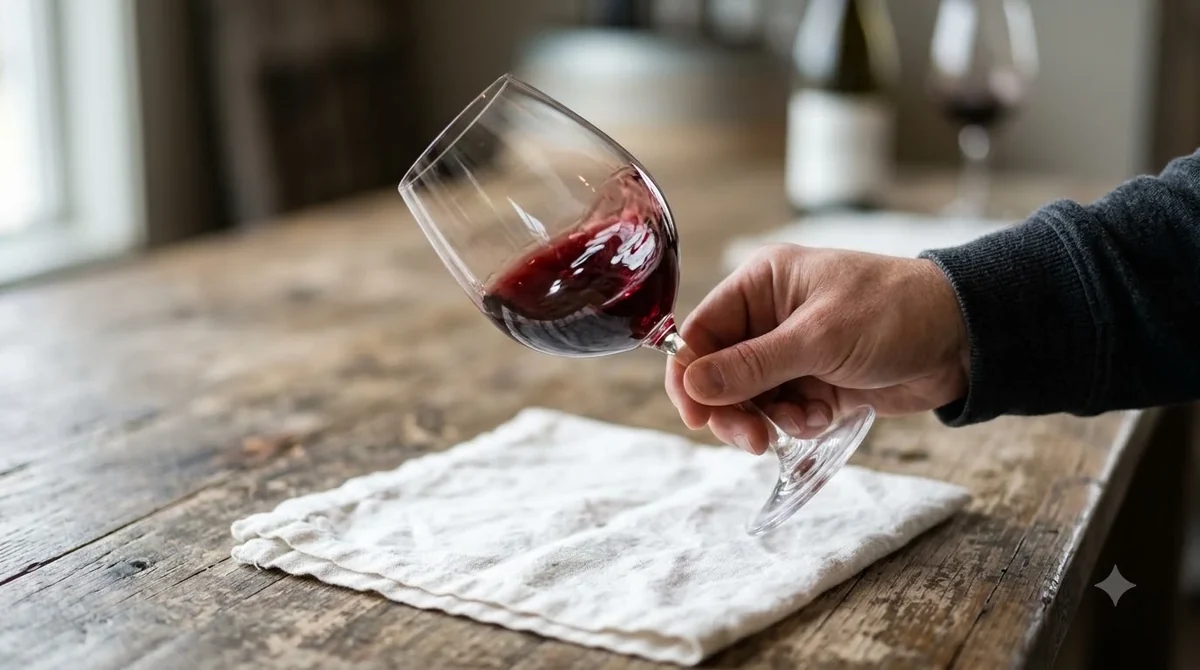
Lambrusco: The Versatile Sparkling Choice
Lambrusco comes from Emilia-Romagna in northern Italy and is made using a family of related red grape varieties. It is available in different sweetness levels, from dry secco to sweet dolce, with amabile occupying the medium-sweet range.
Its flavors commonly include blackberry, cherry, strawberry, and other fresh berry characteristics. Depending on the grape variety and production style, the wine can be pale ruby or deep purple. Grasparossa, Sorbara, Salamino, and Maestri are among the varieties associated with the category.
For gifting, Lambrusco amabile is a useful middle ground. It has enough sweetness to appeal to someone who prefers sweeter wine without necessarily tasting like a dessert beverage. Lambrusco dolce is a stronger option for someone who specifically wants a noticeably sweet red.
Serve it chilled, particularly when it is lightly sparkling. Its bubbles and freshness make it suitable for pizza, salty cheeses, antipasti, and sweet desserts when the sweetness level is appropriate. For a deeper look at its regional styles and sweetness terminology, read VinePair’s guide to sweet red wines.
Brachetto d’Acqui: A Floral Red for Celebrations
Brachetto d’Acqui is associated with Piedmont in northwestern Italy. It is made from the Brachetto grape and is known for its sweet, aromatic character and relatively low alcohol content. VinePair identifies its DOCG designation as dating to 1996.
The wine often features strawberry, raspberry, sweet cherry, and rose-petal aromas. Its sparkling or lightly sparkling character gives it a celebratory feel without the intensity of a traditional fortified dessert wine.
Brachetto is especially appealing as a present for someone who enjoys chocolate desserts. Dark chocolate mousse, chocolate-covered strawberries, and berry tarts provide natural pairing opportunities. It also works with fresh strawberries and lighter fruit-based desserts.
Its distinctive aromas and relatively low alcohol content make it an appealing alternative to conventional sparkling wine for someone who enjoys sweet flavors. Wine Enthusiast’s introduction to sweet red wines also discusses Brachetto alongside other approachable styles.
Sweet Red Blends: Familiar and Approachable
Sweet red blends are another practical gift category, particularly for people who prefer straightforward fruit flavors rather than wines associated with traditional European appellations. These wines can combine several red grape varieties and vary considerably in sweetness, body, and alcohol content.
Common flavor descriptions include cherry, blackberry, raspberry, plum, and sometimes chocolate or vanilla. Their approachable style can make them suitable for casual gatherings and everyday enjoyment.
The important distinction is that a blend is not automatically sweet. Some red blends are completely dry, while others retain noticeable residual sugar. Look for an explicit sweetness description or a detailed producer description before purchasing.
Explore the characteristics of a sweet red blend if you want to compare approachable blended styles. This category can be particularly useful when buying for someone who enjoys familiar fruit flavors and does not necessarily want sparkling wine.
Recioto della Valpolicella: A Traditional Dessert Red
Recioto della Valpolicella is a traditional sweet red from the Veneto region of northern Italy. It is made using appassimento, a process in which selected grapes are dried before fermentation to concentrate their sugars and flavors.
The resulting wine can be rich and concentrated, with black cherry, dried fruit, spice, and chocolate-like characteristics. Its fuller texture makes it more appropriate for an after-dinner occasion than a casual summer gathering.
This style makes an interesting present for a wine enthusiast who enjoys traditional Italian wines and appreciates the production techniques behind a bottle. It is also suitable for pairing with dark chocolate and rich desserts.
Ruby and Tawny Port: Rich Fortified Options
Port comes from Portugal’s Douro Valley and is made sweet through fortification. Grape spirit is added during fermentation, stopping the process while natural grape sugar remains. This creates a rich wine with substantially more alcohol than most sparkling sweet reds.
Ruby Port is generally youthful and fruit-forward, with bright dark-fruit characteristics. Tawny Port receives barrel aging that develops more complex notes of hazelnut, coffee, caramel, and spice. The two styles offer different experiences despite sharing a fortified production method.
Ruby is a straightforward choice for someone who enjoys intense berry flavors, while Tawny is particularly suitable for a recipient who appreciates nutty, aged flavors. Both work well in smaller dessert-wine servings.
For more guidance on sweetness and how different styles compare, the sweet red wine overview provides a useful starting point for exploring the category.
Common Mistakes When Choosing a Sweet Red Wine Gift
The biggest buying mistake is assuming that every fruity red is sweet. Other common problems include overlooking alcohol levels, misunderstanding foreign sweetness terminology, and choosing a dessert wine that does not suit the occasion.
Confusing fruitiness with residual sugar: A wine can smell strongly of blackberry, cherry, or plum while remaining completely dry. Cabernet Sauvignon and Zinfandel, for example, can have ripe fruit characteristics without being genuinely sweet. Sweetness is determined by residual sugar, not simply by how fruity the wine smells.
Assuming all Lambrusco is sweet: Lambrusco ranges from dry to sweet. A secco bottle is not the same experience as a dolce bottle. If the recipient specifically enjoys sweet wine, choosing the wrong sweetness designation can lead to an unsuitable present.
Ignoring alcohol content: A bottle of Brachetto at approximately 5.5% ABV is very different from a Port at 19% to 22% ABV. A buyer who focuses exclusively on sweetness may overlook this important distinction. Consider the recipient’s preferences before choosing a fortified wine.
Choosing an excessively rich dessert wine for a casual gathering: Recioto and Port can be excellent after-dinner drinks, but they are not always the most versatile choices for a large social event. A sparkling Lambrusco may be more suitable when guests will be eating several different foods.
Assuming expensive presentation means a better match: Packaging does not determine whether someone will enjoy a wine. A modestly presented bottle of Brachetto may be much more appreciated by a person who enjoys sweet sparkling wine than a traditional aged dessert wine they rarely drink.
Forgetting food compatibility: Dessert wines should generally be at least as sweet as the desserts served alongside them. Otherwise, the wine may taste less sweet or even sour by comparison. A very sweet chocolate dessert can overwhelm a lighter red, while a concentrated dessert wine may overpower delicate fruit dishes.
Overlooking the recipient’s familiarity with wine: Traditional wine terminology can make purchasing confusing for beginners. A bottle with an easy-to-understand sweetness description is often a safer gift than one that requires extensive knowledge of a regional classification.
For someone new to red wine, a sweet red wine for beginners can be a more appropriate choice than an intensely concentrated dessert bottle. Familiar fruit flavors and moderate complexity help make the experience more welcoming.
Care, Storage, and Serving Tips Before Giving the Bottle
Proper storage and serving can make a meaningful difference to the recipient’s experience. Sweet sparkling reds, still dessert wines, and fortified wines have different serving needs, so a little preparation helps ensure that the gift is enjoyed properly.
Store the bottle in a cool, dark place. A temperature near 55°F is a useful storage target for wine. Avoid leaving bottles in direct sunlight, near heating appliances, or in locations with repeated temperature fluctuations. For bottles with traditional cork closures, horizontal storage helps keep the cork from drying out during longer storage.
Chill sparkling reds before serving. A serving temperature around 40°F to 50°F works well for sparkling wine. Brachetto and Lambrusco generally benefit from being chilled rather than served at ordinary room temperature. Cooling helps maintain freshness and makes their sweetness feel more balanced.
Serve still dessert reds slightly differently. Sweet white wines are often served around 43°F to 50°F, while richer still red wines can benefit from slightly warmer temperatures depending on their structure. A concentrated Recioto can be served cool rather than ice-cold, allowing its aromas to remain expressive.
Use appropriate glassware. A standard wine glass is suitable for most sparkling sweet reds, allowing the drinker to appreciate both aromas and bubbles. Port and other fortified wines are generally better served in smaller glasses because their alcohol and flavor concentration are higher.
Plan the food pairing. Brachetto is a natural match for chocolate and strawberries. Lambrusco amabile can accompany salty appetizers and selected desserts, while Ruby Port pairs well with dark chocolate and rich fruit desserts. Tawny Port is particularly suitable for nuts, caramel-based desserts, and aged cheeses.
Protect the bottle during transportation. Use a wine gift box, padded carrier, or protective wrapping to prevent damage. If the gift is being delivered or carried to a celebration, avoid leaving it in a hot vehicle. A chilled sparkling bottle should be transported carefully and kept cold until serving.
Give a short serving note. A handwritten card can explain whether the wine should be chilled, what dessert works well with it, and whether it is intended as an aperitif or an after-dinner drink. This simple addition makes the gift more practical and personal.
Once opened, sparkling wine is best enjoyed relatively quickly. Still wines generally keep for approximately three to five days in the refrigerator, while sparkling wines typically retain their best qualities for around one to three days when properly resealed and refrigerated. Fortified wines can remain enjoyable for several weeks, depending on their style and storage conditions.
Frequently Asked Questions
What is the sweetest type of red wine to give as a gift?
Recioto della Valpolicella and certain Port styles are among the richest traditional sweet red options. Brachetto d’Acqui can also have substantial residual sugar despite its relatively low alcohol content. The exact sweetness depends on the individual bottling and production method.
Can sweet red wine be given to someone who normally drinks white wine?
Yes. Brachetto d’Acqui is a particularly interesting choice because its floral aromas and lively bubbles can appeal to someone accustomed to aromatic sparkling whites. Its strawberry and rose characteristics also make it quite different from conventional tannic red wines.
Does sweet red wine need to breathe before serving?
Most sparkling sweet reds, including Lambrusco and Brachetto, do not require decanting or extended aeration. Traditional Recioto and Port can benefit from gentle pouring into a suitable glass, especially when sediment is present in an older bottle. Vintage Port may require decanting to separate sediment from the wine.
Is there a difference between sweet red wine and dessert wine?
Sweet red wine is a broad description based on the wine’s sweetness, while dessert wine refers to a style or serving role commonly associated with the end of a meal. Some sweet reds are light enough for casual drinking, while traditional dessert wines such as Recioto and Port are more concentrated and usually served in smaller portions.
Can sweet red wine be used for cooking?
Some sweet red wines can be used in sauces, poached fruit, and dessert preparations, but their residual sugar needs to be considered. A highly sweet or fortified wine can make a savory sauce overly sweet if used in the same quantity as a dry cooking wine. For desserts, a small amount of Brachetto or Ruby Port can add fruit and depth.
A thoughtful sweet red wine gift does not have to be complicated: match the sweetness and style to the recipient, then consider the occasion and preferred foods. Lambrusco is a versatile choice for sharing, Brachetto is charming with chocolate, and Port or Recioto offers a richer experience for traditional dessert-wine enthusiasts. A well-matched bottle and a simple serving suggestion can turn an ordinary present into a memorable one.
More in Wine Buying Guides
 Riesling Gift: Choose a Bottle They’ll LoveUpdated Nov 21, 2026
 Malbec Gift: How to Choose a Memorable Bottle for Any OccasionUpdated Nov 21, 2026
 Sherry Gift Ideas That Match Every Wine LoverUpdated Nov 21, 2026
 Moscato Gift: How to Choose a Sweet Wine They’ll LoveUpdated Nov 21, 2026
 Merlot Gift: How to Choose a Bottle They’ll AppreciateUpdated Nov 21, 2026
 Dry White Wine Gift: Choose a Bottle They Will LoveUpdated Nov 21, 2026