

We may earn a commission when you buy through links on this page, at no extra cost to you. Learn more.
A red wine gift is best chosen around the recipient’s preferred grape, flavor profile, and drinking habits, rather than its label or reputation alone. Pinot Noir is a versatile choice for someone who enjoys lighter reds, while Cabernet Sauvignon suits drinkers who prefer fuller-bodied wines with firm tannins. For an anniversary, dinner invitation, birthday, or holiday, matching the bottle to the occasion and the person makes the present more meaningful.
A bottle of red wine can be a thoughtful present because it combines something enjoyable with a little opportunity to discover a new producer, region, or grape. The challenge is choosing a style that the recipient will actually want to open. A familiar favorite, an interesting regional wine, and a carefully selected bottle for a special milestone can all make excellent gifts. The following guide explains how to compare red wines, choose an appropriate style, and present the bottle with confidence.
Who This Red Wine Gift Guide Is For
The right wine gift depends on how well you know the recipient and what they enjoy drinking. A regular red wine drinker may appreciate a particular grape or region, while someone who only occasionally drinks wine may prefer an approachable bottle that works with familiar foods.
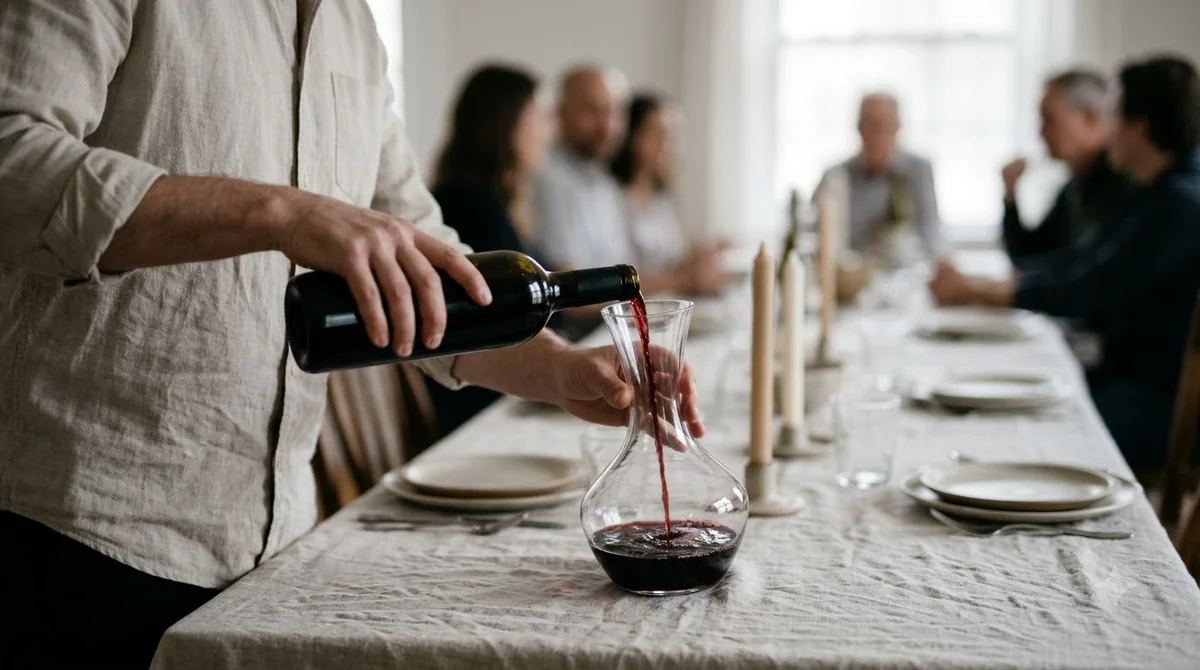
This guide is useful for anyone buying a bottle for a birthday, anniversary, wedding celebration, holiday gathering, dinner invitation, retirement, or professional thank-you. It also helps shoppers who know that the recipient likes red wine but are unsure which variety, region, or style to choose.
Start by considering the recipient’s existing preferences. Do they order Pinot Noir when eating out, keep Cabernet Sauvignon at home, or regularly choose Italian reds? These habits provide much better clues than assumptions about their age, occupation, personality, or the formality of the occasion. If possible, look at the wines they already enjoy or casually ask which varieties they usually buy.
Experience matters, too. Someone who is relatively new to wine may appreciate a familiar grape with recognizable fruit flavors and an uncomplicated drinking experience. A more experienced enthusiast might enjoy a wine from an unfamiliar appellation, a distinctive producer, or a vintage with a meaningful connection to the occasion. WSJ Wine’s wine gifting advice similarly emphasizes the recipient’s preferences and experience instead of treating prestige as the deciding factor.
There is also an important practical consideration: make sure alcohol is an appropriate gift for the recipient. Some people do not drink, and others may prefer not to receive alcohol for personal, cultural, religious, or professional reasons. When there is genuine uncertainty, a nonalcoholic alternative is a more considerate choice than guessing.
For shoppers who know the recipient enjoys red wine but cannot identify a favorite, a balanced, food-friendly style is a sensible starting point. Avoid choosing an extremely unusual wine simply because its label looks impressive. The purpose of the gift is to give someone something they will enjoy, not to challenge their wine knowledge.
Key Factors to Compare When Buying Red Wine
Compare grape variety, body, tannin, acidity, sweetness, origin, and the recipient’s intended drinking occasion. These characteristics provide a more useful picture of a bottle than its label design or general reputation.
The first consideration is body. Light-bodied reds tend to feel less weighty, while full-bodied wines have a richer, more substantial presence. Pinot Noir is usually lighter and more delicate, making it a reasonable choice for someone who likes red wine without wanting a particularly powerful bottle. Cabernet Sauvignon and Syrah generally offer more structure and intensity.
Tannin is another important distinction. Cabernet Sauvignon typically has high tannin, which creates a drying sensation in the mouth. Merlot generally has medium tannin and a softer profile, while Pinot Noir usually has low-to-medium tannin and relatively high acidity. These differences matter because a person who prefers smooth, gentle reds may not enjoy a highly structured Cabernet as much as someone who regularly drinks bold wines.
Acidity affects freshness and food compatibility. Pinot Noir often has enough acidity to work with poultry, mushrooms, and lighter meat dishes. Sauvignon Blanc is a white wine with higher acidity, but among red varieties, Pinot Noir is particularly useful when choosing a red that can accompany several different foods. For a fuller meal involving steak or grilled lamb, a more structured red may be appropriate.
Sweetness deserves separate attention. Many red wines taste fruity without being sweet. A dry red can smell like cherries, plums, or ripe berries while still finishing without noticeable residual sugar. If the recipient prefers sweeter wines, consider a clearly sweet red rather than assuming a fruit-forward Cabernet or Merlot will satisfy that preference. The distinction is explained further in this sweet red wine guide.
Origin provides another useful clue. Bordeaux and Rioja are recognized regions with wines that can offer structure and development potential, while California produces a broad range of approachable Pinot Noir, Cabernet Sauvignon, and blends. Italian regions such as Tuscany and Piedmont offer different expressions of traditional red varieties. Choosing a region the recipient already enjoys can make the gift feel more personal.
| Comparison factor | Typical red wine characteristic | Gift recipient to consider |
|---|---|---|
| Pinot Noir | Low-medium tannin; high acidity | Someone who enjoys lighter, elegant reds |
| Merlot | Medium tannin; softer structure | Someone who prefers approachable reds |
| Cabernet Sauvignon | High tannin; full-bodied | A fan of structured, powerful wines |
| Syrah | Medium-plus to high tannin | Someone who likes concentrated, savory reds |
| 750 ml bottle | About five 5 oz servings | A personal gift or small dinner gathering |
| Light red serving temperature | 55-60°F | Beaujolais or lighter Pinot Noir |
| Full red serving temperature | 60-65°F | Cabernet Sauvignon or fuller Syrah |
Finally, consider whether the recipient intends to drink the bottle soon or keep it for a future celebration. A wine made for immediate enjoyment is often a safer choice for a casual gift. A bottle intended for aging requires more thought because not every red improves with extended storage. A meaningful vintage is only a good choice when the wine is designed to develop over time.
Step-by-Step: How to Choose a Red Wine Present
A simple buying process prevents common mistakes and makes it easier to select a suitable bottle. Work through the recipient’s preferences first, then consider the occasion, wine style, and presentation.
-
Confirm that red wine is appropriate.
Before comparing labels, establish that the person drinks red wine and would welcome alcohol as a gift. A favorite white wine or sparkling wine is not a reason to substitute red simply because red feels more traditional for gifting.
-
Identify a familiar grape or style.
Look for clues in the recipient’s regular choices. Pinot Noir, Cabernet Sauvignon, Merlot, Syrah, and red blends provide different drinking experiences. If they repeatedly order a particular variety, begin there rather than selecting something completely unfamiliar.
-
Decide how much structure they enjoy.
Consider whether they prefer lighter wines with fresh acidity or fuller wines with noticeable tannin. Someone who likes delicate Pinot Noir may find a powerful young Cabernet less appealing. A Cabernet enthusiast, however, may appreciate the additional structure and depth.
-
Match the wine to the occasion.
A dinner invitation usually calls for a versatile bottle that can accompany the host’s food. An anniversary or retirement may justify a more distinctive regional wine or a vintage with a meaningful connection. A birthday can be a good opportunity to choose a familiar favorite or a new producer within a preferred style.
-
Choose the region and producer.
Once the grape and general style are clear, narrow the selection by origin. For example, consider Pinot Noir from California or Burgundy, Cabernet Sauvignon from Napa Valley or Bordeaux, or Tempranillo-based Rioja. The regional identity can add a personal element without requiring an unusual or difficult-to-understand wine.
-
Check the bottle’s intended drinking window.
For a bottle that will be opened soon, prioritize a wine intended for current enjoyment. For a collectible or milestone gift, consider whether the wine is suitable for aging and whether the recipient has appropriate storage conditions.
-
Finish with thoughtful presentation.
Use a protective wine bag, a suitable gift box, or a simple ribbon. Include a short note explaining why the wine was selected, such as its connection to a favorite region, grape, restaurant meal, or shared celebration.
This sequence also makes conversations with wine-shop staff more productive. Instead of asking for an impressive bottle, describe the recipient’s favorite varieties, preferred body, occasion, and whether the wine will be opened immediately. Those details give a knowledgeable retailer a practical starting point for making a recommendation.
Tip: If you only know one thing about the recipient’s taste, prioritize it. A familiar grape variety or region is usually a better starting point than an unfamiliar bottle selected mainly for its packaging or reputation.
Red Wine Types and Styles Explained
Different red wine varieties offer distinct combinations of fruit, acidity, tannin, and body. Understanding these broad styles helps narrow the selection before comparing individual producers and regional expressions.
Pinot Noir is a useful gift for someone who enjoys lighter reds. It often shows cherry, raspberry, and earthy characteristics, with relatively high acidity and low-to-medium tannin. Its lighter structure makes it suitable for meals involving poultry, roasted vegetables, mushrooms, and salmon. Burgundy and California are two familiar origins to consider, although individual wines can vary considerably.
Merlot is another practical option, particularly for recipients who prefer softer reds. Its medium tannin and rounded fruit profile can make it easier to enjoy without a particularly elaborate meal. Merlot is also used in Bordeaux blends, where it can contribute a softer texture alongside more structured varieties. It is a reasonable choice for someone who likes red wine but does not necessarily seek strong tannins.
Cabernet Sauvignon is a classic option for drinkers who enjoy full-bodied wines. It typically has high tannin and can show dark fruit, cedar, and other savory characteristics depending on origin and winemaking. Napa Valley and Bordeaux are recognizable regions for Cabernet-based wines. This style can be particularly suitable for a recipient who enjoys steak, grilled beef, and substantial meals.
Syrah and Shiraz offer another direction for fuller-bodied red wine drinkers. Syrah often has medium-plus to high tannin, with dark fruit and savory or peppery characteristics. Northern Rhône Syrah and Australian Shiraz can offer noticeably different expressions, so regional selection is important. Someone who enjoys bold reds may appreciate either style, depending on their preferences.
Tempranillo is worth considering for someone who enjoys Spanish wine. Rioja is a familiar regional reference, and its reds can offer fruit, savory notes, and different levels of oak influence depending on their classification and producer. A well-chosen Rioja can feel more distinctive than another generic red blend while remaining relatively accessible to someone familiar with traditional European wines.
Malbec is another useful variety for a gift intended for someone who enjoys ripe fruit and a fuller wine. Argentine Malbec is a recognizable style, often associated with dark fruit and a substantial palate. It can work well with grilled meats and rich dishes, making it a practical choice for someone who frequently serves hearty dinners.
Red blends offer a combination of grape varieties rather than emphasizing one dominant grape. Their character depends on the varieties and proportions used, so blends can range from soft and approachable to powerful and structured. They are useful gifts when the recipient enjoys red wine but has not settled on a single favorite variety.
Sweetness can narrow the selection further. A person who prefers noticeably sweet wines may appreciate a different category from a traditional dry table red. Sweetness and fruitiness are not interchangeable, so choosing the appropriate style is important. For a drinker who consistently prefers dry bottles, the dry red wine guide provides a more focused starting point.
There is also an option for recipients who care about farming practices and production methods. Organic red wines can appeal to people who actively seek wines made with organically grown grapes. Certification and production rules vary, so a specific organic claim should be supported by the wine’s labeling and producer information. The organic red wine guide can help narrow that category.
Common Mistakes When Giving Red Wine
The most common gifting mistake is confusing an impressive-looking bottle with a suitable bottle. A recognizable region, expensive-looking packaging, or unfamiliar grape name cannot guarantee that the recipient will enjoy the wine.
One frequent error is buying according to personal preference. A person who loves Cabernet Sauvignon might naturally select a powerful bottle for everyone. However, someone who regularly drinks Pinot Noir or Merlot may prefer something lighter and softer. The recipient’s preferences should remain the priority, even when the giver has a strong favorite.
Another mistake is assuming that expensive means better. Wine prices reflect several factors, including origin, producer reputation, vintage, production methods, and market availability. These factors do not automatically make a bottle suitable for a particular drinker. A thoughtfully selected, familiar variety can be more successful than a prestigious wine with a style the recipient dislikes.
Choosing an extremely old vintage without understanding its condition is another risk. Older wines can be appealing for milestone celebrations, but age alone does not guarantee quality. Some bottles are made to be enjoyed relatively young, and their fruit and freshness may decline if they are kept too long. Bordeaux and Rioja include ageworthy examples, but the individual wine’s structure, producer, and storage history matter.
Do not confuse fruit intensity with sweetness. A red wine with ripe blackberry, plum, or cherry aromas can still be completely dry. If someone consistently chooses sweet wine, a dry Cabernet or Syrah may not be an appropriate substitute. Asking about sweetness preference can prevent an otherwise attractive gift from missing the mark.
Food compatibility is another consideration. High-tannin Cabernet Sauvignon can work well with rich, fatty foods, while Pinot Noir is often more suitable for lighter dishes. Salt and fat can soften the impression of tannin, but highly tannic reds can clash with delicate oily fish. If the wine is intended for a particular dinner, consider the main course before making the final choice.
Presentation mistakes can also affect the gift. A bottle that has been carried loose in a shopping bag, left in a hot vehicle, or wrapped without protection may arrive in poor condition. A protective carrier and sensible transport conditions are more useful than elaborate decorations that do little to protect the wine.
Finally, avoid choosing a bottle for an anniversary simply because its vintage matches the anniversary year. A wine from a meaningful year is a nice idea, but only if it has been stored properly and is suitable for drinking. A newer bottle from a favorite region may offer a better experience than an old wine whose condition is uncertain.
Red Wine Gift Presentation, Care, and Storage Tips
A thoughtful presentation and a little attention to storage can make a bottle more enjoyable. Protect the wine during transportation, avoid excessive heat, and give the recipient simple serving guidance when the bottle is intended for a particular occasion.
Start with the packaging. A traditional wine bag is practical for a casual birthday or dinner invitation, while a rigid box can work well for an anniversary or holiday. A reusable wooden wine box may suit a more formal presentation, but the container should not be mistaken for evidence of wine quality. A clean, well-protected bottle with a handwritten card can be just as thoughtful.
Include a short explanation of the selection. For example, mention that the wine comes from a region the recipient has enjoyed before or that its grape variety suits a meal they frequently prepare. This small detail makes the present feel considered rather than generic. Avoid describing the wine with exaggerated claims or promising that an unfamiliar bottle will be exceptional.
Transport is particularly important in warm conditions. Red wine should not be left in direct sunlight or inside a hot car. A protective bag helps prevent accidental damage, while minimizing the time the bottle spends in extreme temperatures helps preserve its condition. If shipping the gift, use appropriate wine packaging and a service that complies with applicable alcohol shipping rules.
For bottles intended for longer storage, a cool, stable environment is preferable. A commonly recommended storage target is around 55°F, with minimal temperature fluctuation and protection from direct light. Bottles sealed with traditional corks are generally stored on their sides to keep the cork from drying out. A decorative wine rack in a warm kitchen may look attractive but is not necessarily a suitable long-term storage location.
Serving temperature is another useful detail to share. Full-bodied reds are generally served around 60-65°F, while lighter reds are often more enjoyable around 55-60°F. The old idea of serving every red at ordinary room temperature can result in wine that is too warm, particularly in heated homes or warm climates.
According to Decanter’s serving guidance, light-bodied reds are best served around 54-56°F, medium-bodied reds around 57-61°F, and full-bodied reds around 61-64°F. Its explanation of red wine serving temperatures also points out that excessive warmth can make alcohol more noticeable while reducing the impression of freshness.
A refrigerator can help bring a bottle down to a suitable temperature. Wine Enthusiast suggests approximately 45-60 minutes of refrigeration for light- to medium-bodied reds and around 25 minutes for fuller-bodied styles. These are practical starting points rather than fixed requirements because refrigerator temperatures and starting conditions differ.
If the gift is a young, full-bodied red with noticeable tannin, the recipient may also benefit from decanting it for approximately 30-60 minutes before drinking. This can give the wine more contact with oxygen and help it open up. Older bottles require more care because excessive aeration can diminish delicate aromas and flavors.
For a wine intended to accompany dinner, a brief note about food pairing can be helpful. Pinot Noir can accompany roast chicken, mushrooms, or pork, while Cabernet Sauvignon can suit steak and other rich meat dishes. Merlot works with a range of roasted foods, and Syrah can complement grilled meats and savory dishes. The best pairing still depends on the preparation, seasoning, and overall richness of the meal.
A 750 ml bottle provides approximately five standard 5 oz pours. That makes one bottle a practical gift for a couple or a small dinner, while a larger gathering may require additional bottles. A single special bottle can also be paired with a suitable decanter, wine stopper, or reusable glassware if the recipient enjoys wine accessories.
Frequently Asked Questions
Is a single bottle of red wine an appropriate housewarming gift?
Yes, a single bottle can be a considerate housewarming present, particularly when paired with a short personal note. If the recipient has recently moved, a wine from a region connected to their previous home or a favorite travel destination can add a personal touch. A nonalcoholic alternative is preferable if you do not know whether they drink.
Should a red wine gift have a cork or screw cap?
Neither closure automatically indicates better wine quality. Screw caps are designed to provide a reliable seal and are widely used for wines intended for convenient enjoyment. Natural cork remains traditional for many collectible and ageworthy wines, but the closure alone cannot establish how well a bottle will age.
Can a red wine gift be personalized with a custom label?
Some retailers and specialty gift providers offer personalized packaging or custom label services. A decorative outer label, gift tag, or printed message is often a practical alternative to changing the bottle’s original producer information. Keep the original wine identity and legally required labeling visible.
Is a magnum bottle better for a special red wine gift?
A magnum contains 1.5 liters, twice the volume of a standard 750 ml bottle. It can make a distinctive presentation for a celebration with several guests. Larger formats can also age differently from standard bottles, but the recipient needs sufficient storage space and an occasion to open the wine.
Can red wine be gifted in a basket with food?
Yes. A red wine gift basket can include shelf-stable foods such as crackers, nuts, olives, or suitable packaged cheese accompaniments. Avoid including perishable products that may sit unrefrigerated during transport, and select foods that complement the wine’s style rather than overpowering it.
The strongest red wine gift is one that reflects the recipient’s preferences and suits the occasion. Start with a familiar grape or region, consider body and tannin, and pay attention to presentation and storage. A thoughtfully selected bottle does not need an elaborate explanation: it simply needs to be something the recipient will be pleased to open and share.
More in Wine Buying Guides
 Cheap Red Blend: How to Find a Flavorful Bottle for LessUpdated Nov 20, 2026
 Pinot Grigio Gift: How to Choose a Bottle They’ll EnjoyUpdated Nov 20, 2026
 Best White Wine at Total Wine for Every MealUpdated Nov 20, 2026
 Wine Fridge Replacement Shelves: Find the Right FitUpdated Nov 20, 2026
 Best Sparkling Wine Under 20: Find Bubbles Worth BuyingUpdated Nov 20, 2026
 Best Wine For Birthday Celebrations With Perfect Party PairingsUpdated Nov 20, 2026