

We may earn a commission when you buy through links on this page, at no extra cost to you. Learn more.
The best wine for birthday celebrations is a versatile sparkling wine, such as Brut Champagne, Prosecco, or Cava, because its refreshing bubbles make toasts festive and pair well with many party foods. For a more complete celebration, include a crisp white wine, a fruit-forward red, and a sweeter option for birthday cake or dessert. The right combination depends on the guest list, menu, occasion, and whether the wine will be served as a welcome drink, dinner accompaniment, or birthday toast.
Choosing birthday wine should make hosting easier, not create another complicated party decision. A milestone birthday dinner, casual backyard gathering, elegant cocktail party, and intimate family celebration each call for a slightly different selection. Rather than buying several bottles of similar wine, build a small selection around different drinking preferences. Sparkling wine creates an immediate celebratory atmosphere, white wine suits lighter appetizers, red wine complements richer dishes, and a sweeter bottle gives dessert its own pairing. With a little planning, the wine selection can feel thoughtful without requiring an extensive collection or professional wine knowledge.
Who This Is For: Matching Birthday Wine to the Celebration
The best birthday wine selection depends on the type of gathering and the people attending. A bottle for a champagne toast serves a different purpose from a red wine chosen to accompany a birthday dinner, so consider the occasion before choosing a style.
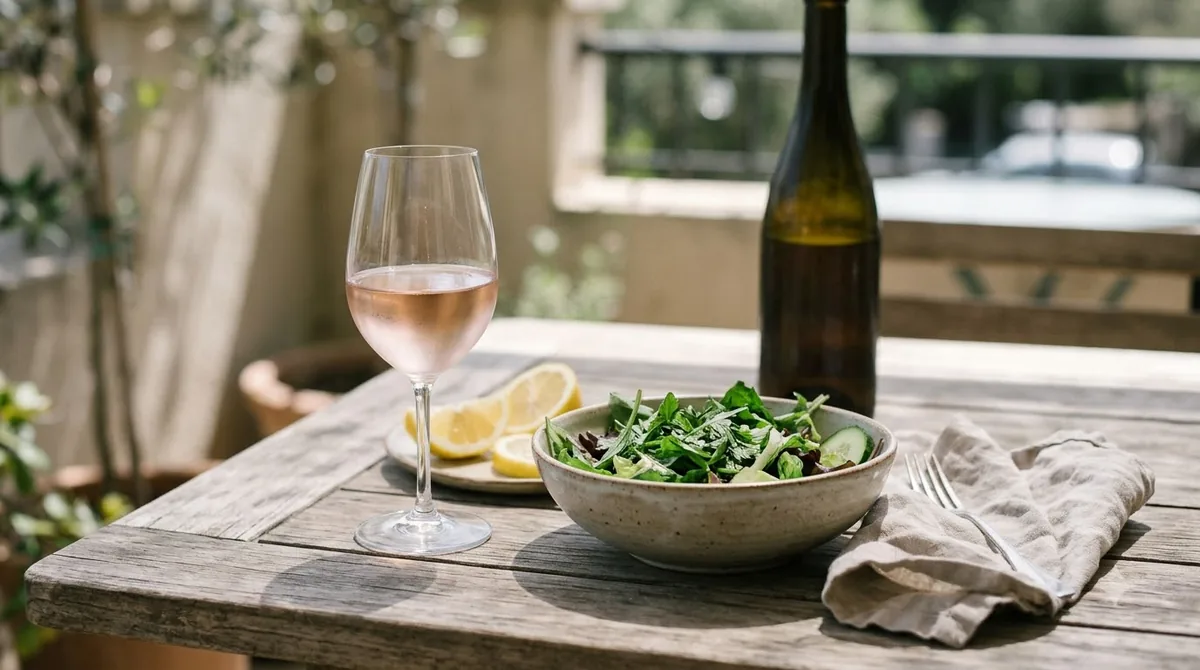
For a casual birthday gathering with friends, sparkling Prosecco is a practical starting point. Its lively bubbles, fruit-forward character, and approachable style make it suitable for greeting guests and serving with finger foods. A Brut or Extra Dry option can accommodate different preferences, although Extra Dry has a little more residual sugar. If the celebration involves a formal toast, traditional-method sparkling wine such as Champagne, Cava, or Crémant provides a more structured presentation.
A birthday dinner benefits from a broader selection. Serve Sauvignon Blanc or Pinot Grigio with seafood, salads, chicken, and vegetable appetizers. Chardonnay is a useful alternative for guests who prefer fuller-bodied white wine, particularly alongside roasted chicken, creamy pasta, and buttery dishes. For red wine drinkers, Pinot Noir offers relatively gentle tannins and bright acidity, while Merlot provides a softer alternative to more structured Cabernet Sauvignon.
For a milestone birthday, the wine can become part of the experience rather than simply another beverage. A bottle of traditional-method sparkling wine can mark the opening toast, while a regional red or white chosen around the guest of honor’s favorite food creates a more personal dinner pairing. A small selection of three styles can also work well: one sparkling, one white, and one red.
Smaller gatherings need fewer choices. For a birthday dinner for four, one sparkling bottle and one still wine may be sufficient if guests share preferences. A larger mixed group generally benefits from a broader selection, particularly if the meal includes several courses or guests arrive at different times.
Consider nonalcoholic preferences when planning the drinks table. Sparkling water, alcohol-free sparkling wine, and appealing fruit-based drinks give guests alternatives during the toast. Everyone should be able to participate in the birthday moment, whether or not they choose alcoholic wine.
Key Factors to Compare When Choosing Birthday Wine
Compare sweetness, acidity, body, food compatibility, and serving practicality before selecting a bottle. These characteristics have a greater effect on how enjoyable a wine is for a birthday gathering than choosing a famous label alone.
| Wine style | Typical characteristics | Birthday occasion | Serving temperature |
|---|---|---|---|
| Brut sparkling | Dry, lively acidity, bubbles | Toasts and appetizers | 40–50°F |
| Extra Dry Prosecco | Soft fruit, slight sweetness | Casual parties and receptions | 40–50°F |
| Dry Sauvignon Blanc | High acidity, citrus, herbal notes | Seafood and fresh appetizers | 45–50°F |
| Chardonnay | Medium acidity, fuller body | Chicken and creamy dishes | 50–55°F |
| Pinot Noir | Low-to-medium tannin, high acidity | Roasted poultry and mushrooms | 55–60°F |
| Merlot | Medium tannin, softer texture | Beef, pasta, and cheese | 60–65°F |
| Cabernet Sauvignon | High tannin, fuller structure | Steak and rich mains | 60–65°F |
| Moscato | Low-to-medium acidity, fruity sweetness | Fruit desserts and birthday cake | 43–50°F |
Sweetness is particularly important. Dry wine is generally a flexible choice for appetizers and savory dishes, but a sweet birthday cake can make a very dry wine seem unusually sharp. A sweeter wine such as Moscato or Demi-Sec sparkling wine is often more comfortable alongside fruit desserts and sweet pastries. The wine should be at least as sweet as the dessert to avoid an unpleasant contrast.
Acidity is another useful comparison. Sauvignon Blanc and Riesling have high acidity, which helps them work with citrus-based appetizers, salads, and tangy sauces. Chardonnay has medium acidity and can suit richer dishes. Pinot Noir also has high acidity, making it useful for poultry and mushroom dishes that need a red wine without heavy tannins.
Body and tannin influence the way wine feels alongside food. Cabernet Sauvignon has high tannin and works well with substantial foods such as steak. Merlot is softer and generally easier to serve with a range of meat and pasta dishes. Pinot Noir has lower-to-medium tannin and can be more adaptable for mixed dinner menus.
Alcohol strength and serving conditions deserve attention, too. A very powerful red can feel heavy during a long outdoor birthday gathering, especially when the food is light. A refreshing white or sparkling wine may be more appropriate for a warm afternoon. For a full dinner, however, a structured red can provide the depth that a lighter wine cannot.
For additional guidance on choosing a bottle by style, grape, and occasion, use the practical recommendations in this wine buying guide.
Step-by-Step: How to Plan Wine for a Birthday Party
A simple buying plan prevents shortages, unnecessary bottles, and mismatched food pairings. Start with the number of guests, determine the role of each wine, and then organize chilling and serving before the party begins.
-
Establish the guest count.
Write down the number of expected guests and estimate how many will actually drink wine. A party of 12 people does not necessarily require 12 wine drinkers, especially when beer, cocktails, sparkling water, and other beverages are available. Ask about important preferences when planning a private birthday dinner or family gathering.
-
Estimate the serving quantity.
A standard 750 ml bottle provides approximately five 5 oz glasses. For example, 10 bottles provide about 50 standard servings. As a planning starting point, one bottle for every two wine-drinking guests works for a two-to-three-hour gathering, but adjust this estimate for the event’s duration, other drinks, and expected consumption. It is a purchasing estimate, not a target that guests need to reach.
-
Choose the sparkling wine.
Select Brut Champagne, Cava, or Prosecco for the main toast. If guests enjoy softer, fruitier sparkling wine, Extra Dry Prosecco is another option. For a large group, a recognizable and approachable sparkling style is usually easier to serve than an unusually dry or highly distinctive bottle.
-
Match the still wines to the menu.
Choose one white and one red if the party includes a full meal. Sauvignon Blanc can accompany seafood and fresh vegetables, while Chardonnay works with richer chicken and pasta dishes. Pinot Noir is useful for roasted poultry and mushrooms, whereas Merlot or Cabernet Sauvignon is more suitable for meat-centered menus.
-
Plan a separate dessert pairing.
Determine whether the birthday cake is chocolate, vanilla, fruit-based, or cream-filled. Moscato, sweet Riesling, and Demi-Sec sparkling wine are possible options for fruit desserts and lighter pastries. For rich chocolate desserts, a suitable sweeter red or fortified wine may provide a better match than a very dry white.
-
Organize chilling and glassware.
Refrigerate sparkling wines and whites ahead of time. Prepare an ice bucket containing ice and water for bottles that will remain on the table. Use tulip-shaped sparkling glasses or standard wine glasses, and provide water glasses so guests have an alternative between pours.
-
Set up a sensible serving order.
Begin with sparkling wine, continue with light whites, then move toward richer whites and reds. Finish with dessert wine if the meal includes cake or sweet pastries. This progression generally keeps delicate wines from being overwhelmed by fuller-bodied selections.
Tip: For a party with 10 wine-drinking guests, approximately five bottles provide 25 standard 5 oz servings. If the gathering lasts several hours or includes dinner and a toast, plan the mix around the menu and the guests’ preferences rather than relying on one wine style for the entire event.
For a more flexible buying strategy, consider the differences between dry white wine and fuller-bodied white varieties before finalizing the shopping list. This is especially useful when the birthday menu includes seafood, salads, cheese, or creamy dishes.
Types of Birthday Wine Explained
Different wine categories serve different purposes at a birthday celebration. Sparkling wines are the natural choice for toasts, still whites work with lighter meals, reds complement richer food, and sweet wines can finish the celebration with dessert.
Champagne and traditional-method sparkling wine
Champagne is made in its namesake French region and is commonly produced from Chardonnay, Pinot Noir, and Pinot Meunier. Its traditional production method involves a second fermentation in the bottle, which can contribute to more complex aromas and flavors associated with toasted bread, brioche, and pastry.
Cava from Spain and Crémant from various French regions are other traditional-method options. They provide the same general production approach without requiring every birthday celebration to revolve around Champagne. For a formal toast, choose Brut when guests generally prefer dry sparkling wine. Blanc de Blancs can suit guests who enjoy Chardonnay’s citrus and mineral character, while Blanc de Noirs may offer a fuller impression.
Prosecco and approachable sparkling wine
Prosecco is produced primarily from the Glera grape in northeastern Italy and is commonly made using the tank, or Charmat, method. The second fermentation occurs in pressurized tanks rather than individual bottles, helping preserve fresh fruit characteristics.
Its approachable style makes Prosecco suitable for casual birthday parties, brunch celebrations, and outdoor gatherings. Brut is a useful selection for savory appetizers, while Extra Dry provides a slightly sweeter impression. The terminology can confuse shoppers: Extra Dry is sweeter than Brut, despite its name. The Wine Enthusiast explanation of sparkling wine sweetness levels details the residual-sugar classifications, including Brut, Extra Dry, Demi-Sec, and Doux.
Rosé sparkling wine is another attractive possibility. Its color makes it particularly appealing for birthday tables, and its red-fruit character can work with charcuterie, soft cheeses, fruit, and lighter appetizers. Dry sparkling rosé is generally more flexible with savory foods than a very sweet version.
Dry white wine for dinner and appetizers
Dry white wines provide freshness and can be easier to match with a varied appetizer table than heavily structured reds. Sauvignon Blanc is particularly useful with shellfish, grilled vegetables, citrus dressings, and goat cheese. Pinot Grigio is another straightforward option for lighter foods and casual outdoor meals.
Chardonnay offers a different experience. Unoaked Chardonnay often has a fresher profile, while oak-aged examples may have richer textures and flavors associated with vanilla, butter, and toasted oak. The latter can work well with roast chicken, creamy pasta, and dishes with butter-based sauces.
Riesling deserves consideration when the menu includes spicy or aromatic foods. Its naturally high acidity and range of sweetness levels make it adaptable. A slightly off-dry Riesling can be particularly useful with dishes containing chili, ginger, or sweet-and-sour sauces.
Red wine for birthday dinners
Red wine is especially appropriate when the celebration includes grilled meats, roasts, tomato-based pasta, and cheese boards. Pinot Noir is a good starting point for people who prefer lighter-bodied reds. Its high acidity and relatively low-to-medium tannin help it accompany roasted poultry, salmon, and mushroom dishes.
Merlot is a versatile middle-ground option with medium tannin and a softer texture than Cabernet Sauvignon. It can complement beef, meatballs, pasta, and firm cheeses without overwhelming the meal. Guests who prefer a more structured wine may enjoy Cabernet Sauvignon with grilled steak, lamb, and other substantial dishes.
Syrah is another possibility for guests who enjoy darker fruit flavors and a more substantial red. Its medium-plus to high tannin structure can suit grilled meats and savory dishes. However, a heavily tannic wine is not ideal for every menu, particularly if the main course is delicate fish or lightly seasoned vegetables.
For more information about different red wine sweetness and body preferences, compare dry red wine styles before selecting the dinner bottle.
Sweet wine for birthday cake and dessert
Dessert wine should complement the sweetness of the food rather than compete with it. Moscato is a popular option for people who prefer fruity aromas, moderate sweetness, and a lighter drinking experience. Sweet Riesling can also pair well with fruit tarts, peach desserts, and lighter pastries.
Demi-Sec sparkling wine is an appealing option for guests who want bubbles with dessert. It contains noticeably more residual sugar than Brut and can complement fruit-based cake fillings, berries, and delicate pastries. Doux is considerably sweeter and is better suited to occasions where a distinctly sweet sparkling wine is desired.
Sweet red wine can work with certain desserts, particularly fruit-forward selections and some chocolate preparations. The exact pairing depends on the wine’s sweetness and structure. A very dry Cabernet Sauvignon, by contrast, is usually not a comfortable match for sweet birthday cake because the sugar can make the wine seem harsher.
Common Mistakes When Buying Birthday Wine
Most birthday wine problems come from buying without considering the guests, menu, or serving conditions. Avoiding a few common mistakes makes the celebration more comfortable and helps prevent unnecessary bottles.
Buying only one style
Choosing exclusively red wine or exclusively sparkling wine can leave part of the guest list without a suitable option. A group may include people who enjoy dry whites, fruity reds, and sweeter wines. A basic selection of Brut sparkling wine, Sauvignon Blanc, and Pinot Noir covers several common preferences without creating a complicated wine list.
For a smaller gathering, two carefully chosen wines can be enough. The important point is to avoid assuming that every guest enjoys the same sweetness, acidity, or tannin level. A few alternatives are generally more useful than a large collection of nearly identical bottles.
Assuming all sparkling wine tastes the same
Champagne, Cava, Prosecco, and Pét-Nat differ in production, texture, and flavor. Traditional-method wines can develop yeasty and biscuit-like notes, while tank-method Prosecco commonly emphasizes fresh fruit. Pét-Nat can have softer bubbles and more variation between bottles.
Sweetness labels also deserve attention. Brut Nature is extremely dry, Brut is generally dry, and Extra Dry is slightly sweeter than Brut. Buying a very dry sparkling wine for guests who prefer fruitier drinks can lead to an underappreciated bottle.
Serving wine too warm or too cold
Temperature affects aroma, flavor, and overall balance. Sparkling wine served too warm can lose some of its refreshing character, while excessively cold white wine may seem muted. Full-bodied red wine served in a warm room can feel heavier and less balanced than intended.
Use the serving ranges in the comparison table as a practical starting point. For example, chill Prosecco to approximately 40–50°F and serve Pinot Noir around 55–60°F. A little planning before guests arrive can improve the presentation without requiring specialized equipment.
Choosing wine without considering the food
Wine that tastes pleasant on its own may be less successful alongside the birthday meal. High-tannin Cabernet Sauvignon can work with steak but is generally a poor match for delicate oily fish. A crisp Sauvignon Blanc is more appropriate for seafood and acidic dressings, while Chardonnay may suit creamy dishes.
Salt and fat can soften the perception of tannin, which helps explain why structured reds often pair well with rich meat dishes. Chili heat, however, can feel more pronounced with high-alcohol or highly tannic wines. A slightly sweet, high-acidity white may be more comfortable with spicy party food.
Pairing very dry wine with very sweet cake
This is a particularly common mistake at birthday celebrations. Sweet cake can make Brut sparkling wine and dry reds seem unusually tart, bitter, or sharp. If cake is the main event, consider a sweeter wine specifically for that course.
A simple approach is to keep the main party wine dry and introduce a separate sweet option when the cake is served. That way, guests who prefer dry wine can continue enjoying their original selection while dessert lovers have a more suitable pairing.
Ignoring practical serving needs
Even a well-chosen wine selection can become inconvenient if there are not enough glasses, chilled bottles, or places to store open wine. Plan for water, glassware, and bottle storage before the celebration starts. For an outdoor party, keep extra sparkling and white bottles in an ice bucket instead of leaving them exposed to warm air.
Care and Storage Tips for Birthday Wine
Proper storage and preparation help wine retain its intended flavor and make the birthday celebration easier to manage. Focus on temperature, timing, bottle handling, and keeping opened wine in suitable conditions.
Chill bottles ahead of time
Sparkling wine generally benefits from a serving temperature of 40–50°F. Light whites and rosé are best served around 45–50°F, while fuller-bodied whites such as richer Chardonnay work better around 50–55°F. Sweet whites are usually enjoyable around 43–50°F.
Light reds, including Pinot Noir, can be served around 55–60°F. Fuller-bodied reds such as Cabernet Sauvignon and Syrah are generally better around 60–65°F. These ranges are cooler than the temperature of many indoor rooms, so a short refrigeration period can improve the presentation.
Place sparkling wine and white wine in the refrigerator several hours before guests arrive. If a bottle needs faster chilling, use an ice bucket filled with a combination of ice and water. The water improves contact between the cold surroundings and the bottle, making it more effective than placing a bottle in an empty container of ice alone.
Store unopened bottles properly
Wine intended for longer-term storage should be kept in a cool, dark, stable environment. A temperature near 55°F is a practical storage target. Avoid direct sunlight, repeated temperature changes, and locations close to ovens, radiators, or other heat sources.
Traditional cork-sealed bottles are generally stored horizontally to keep the cork in contact with the wine. This is particularly useful for bottles intended for extended storage. Screw-cap bottles do not need horizontal storage for cork-moistening purposes, although they still benefit from a stable environment.
Preserve open bottles during the party
Once a bottle is opened, limit its exposure to air. Re-cork still wine or use a suitable wine stopper, then return the bottle to the refrigerator. This applies to red wine as well as white wine. A chilled bottle can be allowed to approach its preferred serving temperature before the next pour.
Opened sparkling wine needs a proper sparkling-wine stopper to help retain carbonation. Keep the bottle refrigerated between servings and avoid relying on an ordinary cork, which may not fit securely. As a general guide, opened sparkling wine lasts approximately one to three days in the refrigerator, while most opened still wines remain enjoyable for around three to five days when properly sealed and refrigerated.
Fortified wine can often last several weeks after opening, depending on the style and storage conditions. Bag-in-box wine generally remains usable for approximately four to six weeks after opening because its packaging limits exposure to air. These are practical guidelines rather than guarantees of quality.
Prepare the wine table before guests arrive
Arrange the bottles in the order they will be served. Keep the sparkling selection accessible for the opening toast, place whites in a chilled area, and keep reds away from direct heat. If dessert wine is part of the celebration, present it when cake or pastries arrive rather than leaving every bottle open throughout the event.
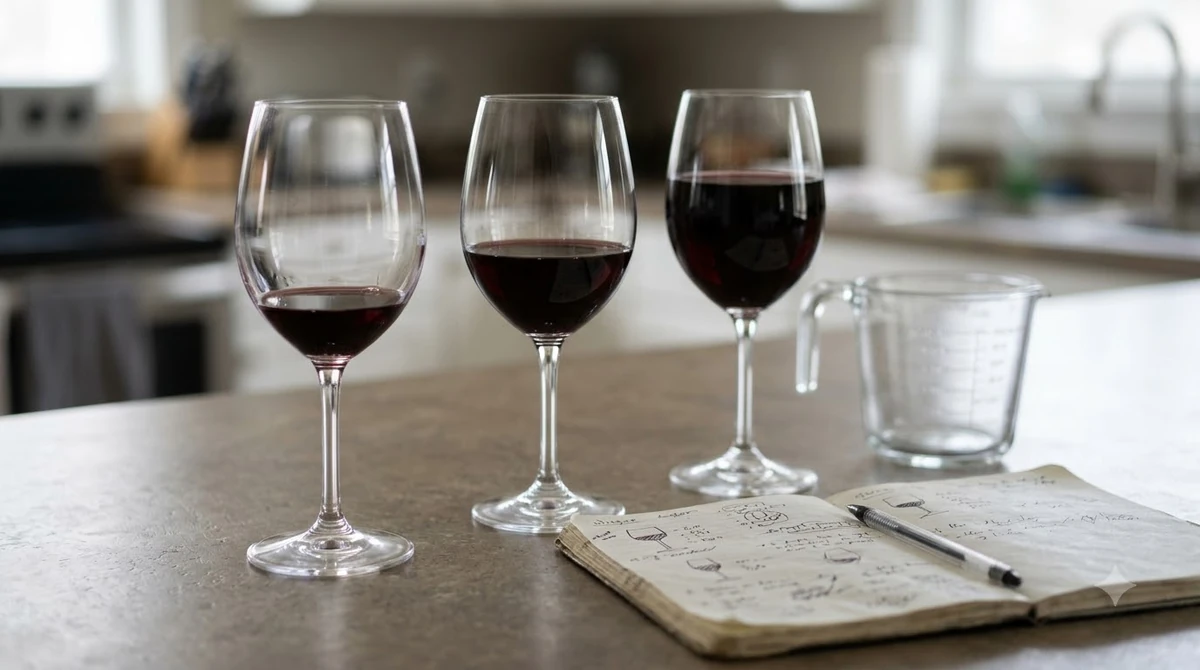
Use a consistent glass shape for a comparative tasting. A tulip glass is a useful option for sparkling wine because it allows guests to appreciate its aromas while preserving a celebratory presentation. Standard wine glasses are appropriate for most still wines, and separate water glasses help keep the table organized.
Finally, avoid opening every bottle at the beginning of the evening. Open each wine as it is needed, especially sparkling bottles. This simple approach helps maintain freshness and keeps the drinks table from becoming crowded.
Frequently Asked Questions
What is the most versatile wine to serve at a birthday party?
Brut sparkling wine is a particularly versatile choice because its acidity and bubbles suit a wide range of savory appetizers. A bottle made from Chardonnay, Pinot Noir, or a blend of both can provide a classic celebratory style. For guests who prefer a softer impression, Extra Dry Prosecco is another option.
Is Champagne necessary for a special birthday celebration?
No. Champagne is a distinctive choice, but traditional-method Cava and Crémant can also provide bottle-fermented sparkling wine. The production method and style matter more than choosing a particular regional name. A well-matched sparkling wine can make the toast memorable without requiring Champagne.
Can red wine be served with birthday cake?
Yes, but choose a red wine with enough sweetness to complement the dessert. Brachetto d’Acqui is an Italian lightly sparkling red wine made primarily from Brachetto grapes and is known for its aromatic, fruit-forward character. It can be an interesting alternative to a conventional white dessert wine when serving berry-based cakes and fruit pastries.
Which wine glass is best for a birthday toast?
A tulip-shaped glass is an excellent option because its shape provides room for sparkling wine aromas while retaining the festive appearance of a traditional toast. A flute is also suitable, particularly for formal events where presentation is important. A coupe offers a vintage appearance but exposes more wine to the air.
Should birthday wine be opened before guests arrive?
Most sparkling wines should remain unopened until they are ready to serve so that their carbonation is preserved. Some young, full-bodied red wines can benefit from 30–60 minutes of decanting before dinner. Delicate whites and sparkling wines generally need no decanting, and opening bottles in stages helps maintain freshness throughout the event.
The best wine for a birthday brings together the right atmosphere, food pairings, and personal preferences rather than relying on one expensive or famous bottle. Start with a versatile sparkling wine, add a white and red suited to the menu, and finish with an appropriately sweet option if cake is being served. With a thoughtful selection and proper serving temperatures, the wine becomes a natural part of the celebration.
More in Wine Buying Guides
 Cheap Red Blend: How to Find a Flavorful Bottle for LessUpdated Nov 20, 2026
 Pinot Grigio Gift: How to Choose a Bottle They’ll EnjoyUpdated Nov 20, 2026
 Best White Wine at Total Wine for Every MealUpdated Nov 20, 2026
 Wine Fridge Replacement Shelves: Find the Right FitUpdated Nov 20, 2026
 Best Sparkling Wine Under 20: Find Bubbles Worth BuyingUpdated Nov 20, 2026
 Best Wine for Mothers Day: Top Picks for Brunch, Dinner, and GiftingUpdated Nov 20, 2026