


We may earn a commission when you buy through links on this page, at no extra cost to you. Learn more.
Sweet red wine is a red with noticeable residual sugar, which gives it a rounder, fruitier taste than dry reds. The best-known styles include sparkling Lambrusco, Brachetto d’Acqui, late-harvest reds, and fortified wines such as port. Sweetness is often labeled on the bottle in Italian terms like Amabile or Dolce, so it is worth reading the label before you buy. Sweet reds usually pair well with chocolate, fruit desserts, and rich savory dishes.
Many people assume red wine has to be dry, and that assumption leaves a lot of good bottles unexplored. Sweet reds range from light, fizzy, and pink-tinted to thick, dark, and fortified. This guide explains what makes a red wine taste sweet, which styles are easiest to find, how to read labels, and how to serve and pair them. If you prefer white dessert options, the guide to sweet white wine covers a different set of styles.
What Makes a Red Wine Taste Sweet
Sweetness in wine comes from residual sugar, the grape sugar that is left after fermentation. Winemakers control it by stopping fermentation early, by using grapes that are very ripe or partly dried, or by adding alcohol to halt the process. Dry wines usually contain only a small amount of residual sugar, while sweet wines can contain many times more.
Industry guidance generally treats wines with roughly 30 grams of residual sugar per liter or more as sweet, while dry wines sit well under 10 grams per liter. Many dry reds still taste fruity, which is why a wine can seem sweet without being high in sugar. Fruit-forward reds such as Zinfandel or Shiraz often read sweeter than their actual sugar content.
That gap between taste and measurement is one reason labels matter. Some European wines print the sweetness level directly, and some producers describe the style in plain language instead.
The Main Types of Sweet Red Wine
Sweet reds fall into a few broad families. Sparkling styles are the lightest and most approachable. Medium-bodied passito and late-harvest wines are richer. Fortified wines are the most concentrated and usually have higher alcohol.
Lambrusco from Emilia-Romagna in Italy is the most common entry point. It is a sparkling red that comes in dry and sweet versions, and sweet bottles use labels such as Semisecco, Amabile, or Dolce. Brachetto d’Acqui from Piedmont is another light, aromatic choice, with a fine fizz and a lower alcohol level. It is typically made in a still, sparkling, or passito version, and the passito is the most intense.
Late-harvest reds are made from grapes left on the vine after full ripeness, so the sugar concentrates. Zinfandel is a common example in California, and the Tasting Table roundup of sweet red types covers a wider set of Italian and Portuguese examples. Italy’s Recioto della Valpolicella is a passito wine from dried grapes with very high residual sugar, and it can age for decades in good years.

Sweet Sparkling Reds
Sparkling sweet reds are the easiest way to start, and Wine Folly’s list of sweet red wines is a useful overview of the main families. Lambrusco is usually lightly fizzy, moderately alcoholic, and full of red berry, cherry, and violet notes. Its sweetness level depends on the label, so the Dolce and Amabile versions taste noticeably different from the Secco. Look for the sub-region as well, since di Sorbara, Salamino di Santa Croce, and Grasparossa di Castelvetro each produce a different color and texture.
Brachetto d’Acqui is pink to red, usually low in alcohol, and very aromatic with strawberry, rose, and raspberry notes. Because the sweetness is part of its character, it works best as a dessert wine or with fruit-based dishes rather than as an everyday table red. Serve it chilled and drink it fairly young, since it does not tend to improve with age.
Bugey-Cerdon from the French Jura is another sweet sparkler, made from Gamay and Poulsard grapes. It is bright pink, fizzy, and low in alcohol, and it is often served as an aperitif. If you want a sweet bubbly that is white or rosé, the sweet champagne guide covers the sugar levels used in those styles, and the sweet dessert wine guide looks at the richer, dessert-focused end of the range.
| Style | Typical sweetness | Body | Good with |
|---|---|---|---|
| Lambrusco Dolce or Amabile | High, sweet and fizzy | Light to medium | Fruit desserts, cured meats |
| Brachetto d’Acqui | Sweet and aromatic | Light, low alcohol | Chocolate, strawberry desserts |
| Recioto della Valpolicella | Very sweet | Full, dense | Dark chocolate, cheese |
| Ruby port | Sweet, firm tannin | Full, fortified | Blue cheese, berry desserts |
Sweet Still Reds and Fortified Styles
Still sweet reds are less common but worth exploring. Dornfelder from Germany is a medium-bodied red that can be made from dry through to sweet, and its cherry and blackberry character comes through in both. Late-harvest versions of familiar grapes can also be sweet, so it is worth checking the producer’s notes before you assume a red is dry.
Fortified sweet reds have added spirit, which stops fermentation and keeps sugar in the wine. Ruby port from Portugal’s Douro Valley is the classic example. It tastes sweet, with blackberry, raspberry, and cocoa notes, and its tannins keep it from feeling heavy. Tawny port is aged longer in small barrels and takes on nutty, caramel flavors. Both are usually served in small glasses because the alcohol is high.
Vin Santo Occhio di Pernice from Tuscany is a rare red passito wine. Its grapes are dried before pressing, and it is aged slowly to build a thick, raisined character with fig, date, and hazelnut notes.
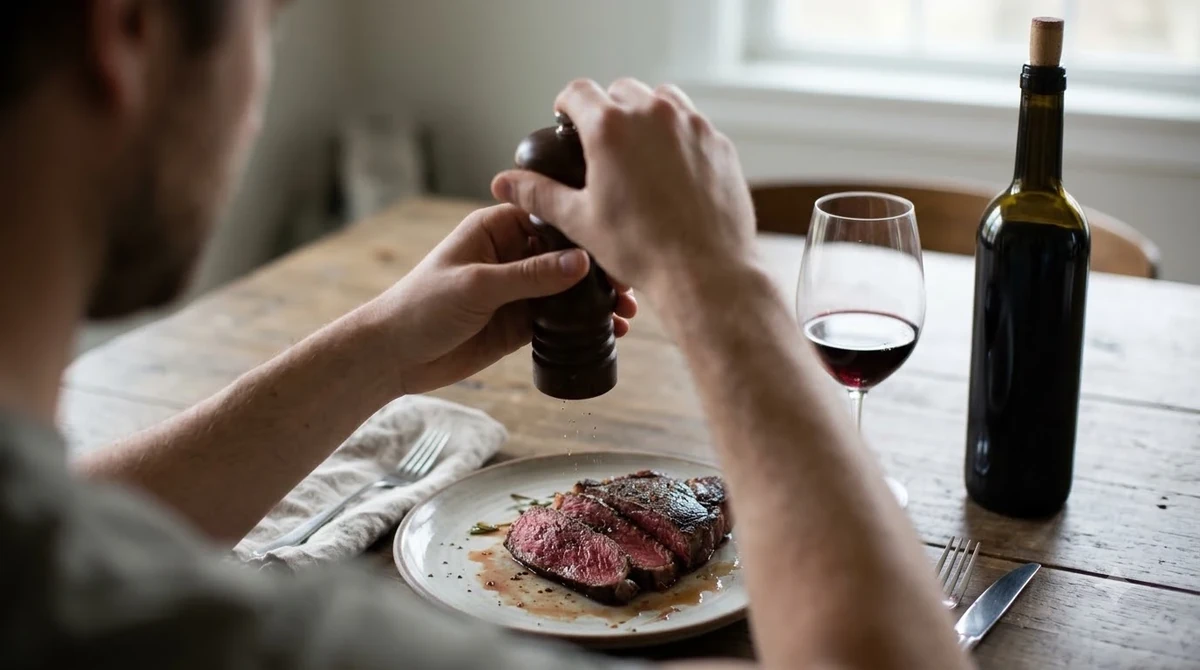
Serving Sweet Red Wine
Serving temperature changes how sweet a red tastes. Sparkling reds are best chilled, which lifts the fruit and keeps the sweetness in balance. Still and fortified reds are usually served cool rather than cold, so that the flavors can show.
Glassware matters less than temperature, but a standard red glass helps with aroma. Fortified wines are usually poured in small glasses, since a full pour of a high-alcohol wine can be overwhelming. A good rule is to start with a smaller portion and adjust to taste.
Sweet reds keep well once opened if they are sealed and stored cold. Sparkling styles lose their fizz over a day or two, while fortified wines hold up much longer.
Food Pairings for Sweet Red Wine
Pairing works best when the wine is at least as sweet as the food. A dry dessert can taste bitter next to a sweet red, while a sweeter wine can make a mild dish taste flat. Chocolate is the classic partner, especially with Brachetto, Recioto, and ruby port. Dark chocolate with a high cocoa content is a particularly good match for the richer styles.
Fruit desserts work well with sparkling Lambrusco and Brachetto. Berry tarts, cherry clafoutis, and strawberry shortcake all suit the fruit notes in these wines. Savory pairings are also possible. Sweet Lambrusco can cut through cured meats and rich pork, and the sweetness balances salty dishes.
Blue cheese and aged cheese are good matches for ruby port, since the salt and fat contrast with the wine’s sweetness and tannin. Wine with a high alcohol level should be paired with dishes that have enough body to stand up to it.
How to Buy Sweet Red Wine
When you shop, start by reading the label for sweetness terms. Lambrusco labels that say Semisecco, Amabile, or Dolce point to sweeter styles, while Secco points to dry. For Italian reds, the terms are often the clearest signal. Brachetto labels usually indicate whether the wine is sparkling, still, or passito.
For other sweet reds, the producer’s tasting notes and the region name give useful clues. Ruby port and tawny port are usually labeled clearly, and the age statement on tawny helps you understand the style. Passito wines often mention drying or appassimento on the back label.
For a broader look at how wines are grouped by style and sugar level, the wine buying guides on this site explain the label terms in more detail. Ask a retailer for a sweet red if you are unsure. Staff at good wine shops can point you to a style that matches the sweetness you want.
Frequently Asked Questions
Is sweet red wine the same as dessert wine?
Not always. Some sweet reds, such as Brachetto and Lambrusco, are lighter drinks for everyday or aperitif use. Fortified and passito reds are more often served as dessert wines.
What is the sweetest red wine?
Very sweet reds include Recioto della Valpolicella and fortified styles such as port and Vin Santo. Sweetness varies between producers, so the label and the style name are the best guides.
Does sweet red wine need to be chilled?
Sparkling sweet reds like Lambrusco and Brachetto taste best chilled. Still and fortified reds are usually served cool rather than cold.
Can I use sweet red wine for cooking?
Yes. Sweet reds add fruit and body to sauces and poached fruit. Choose a wine you would enjoy drinking, because the flavor concentrates as the sauce reduces.
Sweet red wine covers a wide range, from light sparkling Lambrusco to rich fortified port. Start with a Lambrusco labeled Amabile or Dolce if you want something easy and fizzy, or try a ruby port with a plate of cheese if you prefer something bold. Once you know which sweetness level you enjoy, reading labels becomes much easier.
More in Wine Buying Guides
 Riesling Gift: Choose a Bottle They’ll LoveUpdated Nov 21, 2026
 Sweet Red Wine Gift: Choose a Bottle They’ll LoveUpdated Nov 21, 2026
 Malbec Gift: How to Choose a Memorable Bottle for Any OccasionUpdated Nov 21, 2026
 Sherry Gift Ideas That Match Every Wine LoverUpdated Nov 21, 2026
 Moscato Gift: How to Choose a Sweet Wine They’ll LoveUpdated Nov 21, 2026
 Merlot Gift: How to Choose a Bottle They’ll AppreciateUpdated Nov 21, 2026