

We may earn a commission when you buy through links on this page, at no extra cost to you. Learn more.
Passito wine is an Italian dessert wine made from grapes that are dried before pressing, which concentrates their sugar and flavor. Drying the bunches for days or weeks leaves the finished wine sweet, rich and often fairly strong. Several Italian regions make it, using grapes that range from Zibibbo to Sagrantino.
This guide explains how passito wine is made, which grapes go into it, and how to serve, pair and buy it. If you are new to dessert wines, the sections below walk through each step in plain terms.
What Is Passito Wine?
Passito is an Italian term for a sweet style of wine made from grapes that have been dried. The drying step removes water from the berries, so the sugar and flavor compounds become more concentrated. Decanter describes passito as a late-harvest sweet style in which the grapes are dried to concentrate their flavor compounds and sugars. You can read more in Decanter’s guide to trying Moscato, which covers passito alongside other Muscat-family styles.
Passito is not one single grape or one single region. You will find it made from Muscat-family grapes in several parts of Italy, and from red grapes in others. What links these wines is the dried fruit and the rich, concentrated sweetness that results.
How Passito Wine Is Made
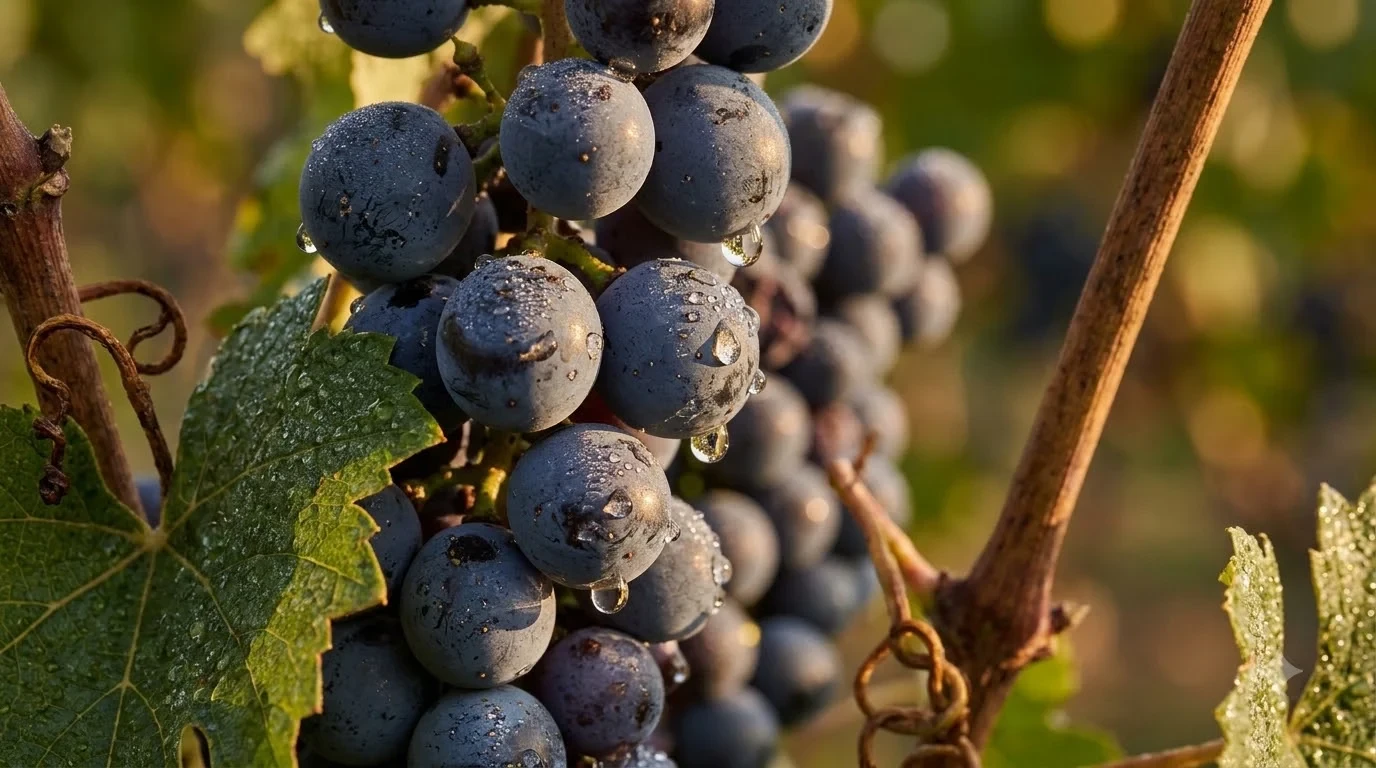
Making passito is a slow process that begins in the vineyard and continues for weeks after harvest. Producers pick ripe grapes, then dry them so water evaporates and the juice becomes denser. The exact drying method varies by producer and region, but the goal stays the same.
Pantelleria, a small Italian island off the southern coast of the mainland, offers a clear example. In a report on the island’s vineyards, Decanter notes that producer Jose Rallo says the grapes are dried for 20 days on open-air racks and mats. They are then moved into greenhouses, where the bunches are turned daily to keep them dry. The same report says fermentation takes between 30 and 40 days. You can find the full account in Decanter’s report on Pantelleria’s bush vines.
Drying takes a lot of fruit. According to the same source, it typically takes about 4 kg of grapes to make one bottle of Passito di Pantelleria. Because so much water leaves the grape, the finished wine is made in limited quantities, and its concentrated character is the reason for that low yield.
Grapes Used in Passito Wine
Passito can be made from several grape varieties, and the grape shapes the aroma and structure of the finished wine. Muscat-family grapes are the most common choice for sweet styles, because their strong fragrance holds up well during drying.
Zibibbo, also known as Muscat of Alexandria, is the grape behind Passito di Pantelleria. Decanter also describes Moscato as a wider family, and lists passito as one of its Italian styles. If you want to explore other Italian white varieties, the catarratto grape page is a useful next stop, since it covers a grape you may see on Italian labels.
Red grapes also appear in passito. Sagrantino, the native grape of Montefalco in Umbria, was traditionally left to ripen late on the vine. According to Decanter, its dense tannins made a sweet passito from dried grapes a natural choice, and the tannins give the wine a balancing, almost bitter finish. For background on a different Italian red, the chianti grape page explains the variety behind the Tuscan wine, which helps you place Italian red styles on a label.
Regions and Producers in Italy
Passito is made in several Italian regions, and each area shapes the style through its grapes and climate. The table below compares three styles mentioned in the sources, so you can see how sweetness and strength can differ.
| Style | Main grape | Residual sugar (per source) | Alcohol (per source) |
|---|---|---|---|
| Passito di Pantelleria | Zibibbo (Muscat of Alexandria) | About 200 g per liter | About 14.5% ABV |
| Moscato di Pantelleria | Zibibbo (Muscat of Alexandria) | About 100 g per liter | About 12% ABV |
| Montefalco Sagrantino passito | Sagrantino | Check the producer’s technical sheet | At least 17% |
Pantelleria is the best-known passito area in the sources. Decanter reports that the island’s bush vine method was recently recognized by UNESCO, and that both Passito di Pantelleria and Moscato di Pantelleria hold DOC status in Italy. The island’s growers work with demanding conditions, which is part of why the wines are scarce.
In Umbria, Montefalco Sagrantino producers make dry and passito wines. Decanter’s regional overview gives a minimum alcohol of 17% for the passito style, which is higher than many dessert wines. In the Veneto, the Colli Euganei area produces passito from Fior d’Arancio grapes. One example described by Decanter dries late-picked grapes for four months before pressing and then ages the wine in French oak barrels.
Flavor Profile and Food Pairings
Passito tastes concentrated and sweet, with dried-fruit, honey and orange notes. Good examples balance that sweetness with acidity or a lingering finish so the wine does not feel heavy.

Muscat-based passito often shows orange blossom, apricot, peach and citrus peel. Decanter’s tasting notes for one Veneto passito also mention ginger and honey, with a smooth, round texture and a long finish. Sagrantino passito tends to show a firmer structure from its tannins, which gives it a different character from Muscat-based styles.
For pairing, Decanter suggests that sweeter styles work well with a range of cheeses, charcuterie and creamy desserts. The Sagrantino passito is described as a good partner for salty cheeses such as Pecorino, and for dark chocolate. Try a small pour with a salty wedge of cheese, since the contrast between salt and sugar brings out the fruit in both.
Serving, Storing and Buying Passito Wine
Serve passito in small glasses and keep the pours modest, since the wine is rich and sweet. Check the label for the grape, region and style before you buy, because the sweetness and alcohol vary widely between bottles.
- Read the label first and note the grape, the region and whether it is labeled passito or moscato.
- Chill the bottle before serving so the aromas are fresh and the sweetness feels balanced.
- Pour a small amount into a dessert or white wine glass, since a little goes a long way.
- Reseal the bottle after opening, keep it upright and stored cool, and follow any storage advice from the producer.
When buying, compare the producer’s technical details rather than relying on the style name alone. Sources like Decanter list residual sugar and alcohol for many bottles, which makes it easier to match a wine to your taste. Look at those numbers before you choose between a light Moscato style and a richer passito.
Tip: Passito is sweet and strong enough to sip slowly. Pour small servings, and drink responsibly, especially when you serve it after a meal.
Frequently Asked Questions
What is passito wine?
Passito wine is an Italian sweet wine made from grapes that have been dried before they are pressed. The drying concentrates sugar and flavor, so the finished wine is rich and often dessert-style. It is made in several Italian regions from different grape varieties.
Is passito the same as Moscato?
No, but they overlap. Moscato is a wider family of Italian styles, and passito is one of the forms it can take. A Moscato-based passito is dried and sweeter than most everyday Moscato, so check the label for the style.
How sweet is passito wine?
Passito is generally very sweet, but sweetness varies by producer and grape. Decanter reports about 200 grams of residual sugar per liter for Passito di Pantelleria, while its Moscato di Pantelleria sits near 100 grams. Check the technical sheet for the bottle you plan to buy.
What food goes well with passito wine?
Passito pairs well with salty cheeses, charcuterie and creamy desserts. Sagrantino passito is often matched with Pecorino or dark chocolate. Start with a small serving and try a few combinations to see what you like best.
Passito wine rewards curious drinkers who enjoy concentrated, sweet styles. Start with a single bottle, note the grape and sugar on the label, and compare it with another style from a different region. For more background on sweet and dessert styles, visit Wine by Type.
More in Wine Types & Grapes
 Zinfandel Sugar Content: Dry Red vs. White Zinfandel GramsUpdated Nov 21, 2026
 Best Zinfandel Substitute Options for Sipping and CookingUpdated Nov 21, 2026
 Zweigelt Food Pairing: Best Dishes, Cheeses, and Serving TipsUpdated Nov 21, 2026
 Zinfandel Tannins Explained: How Structure Shapes Every BottleUpdated Nov 21, 2026
 Zinfandel Sweetness Level: Dry Red vs. Sweet White Zin ExplainedUpdated Nov 21, 2026
 Xinomavro Food Pairing: Best Dishes, Styles, and Serving TipsUpdated Nov 21, 2026