

We may earn a commission when you buy through links on this page, at no extra cost to you. Learn more.
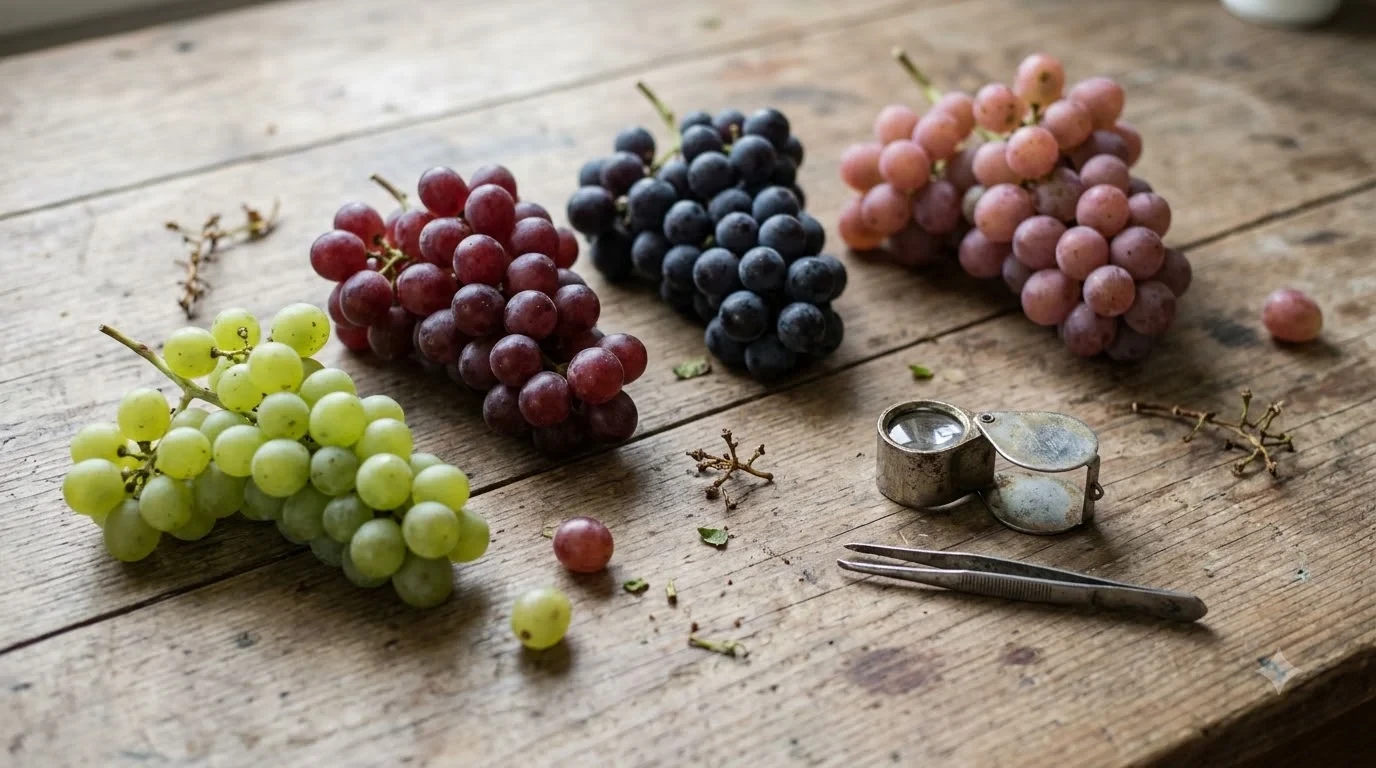
The Muscat of Alexandria grape is a white grape in the Muscat family, known for its strong grapey aroma and its use in sweet wines, table fruit, and raisins. Its origins are usually traced to North Africa, and it is grown today in hot regions around the Mediterranean, in parts of Portugal, Australia, and South Africa. The grape can make dessert wines with honey, mandarin orange, and floral notes, and it is also one of the most widely planted table grapes.
Muscat of Alexandria is one of the oldest and most widely grown members of the Muscat family, a group of aromatic grapes that includes Muscat Blanc and Moscato. Many wine drinkers meet it in a glass of sweet dessert wine or in a bag of raisins, often without realizing they are tasting the same grape. This guide covers where the grape grows, what its wines taste like, how it is used, and how to serve it well.
Where Muscat of Alexandria grows
According to Wikipedia’s grape entry, Muscat of Alexandria is considered an ancient vine, and experts believe it is among the oldest genetically unmodified vines still in existence. The grape is thought to have originated in North Africa, and its name is probably linked to ancient Egyptians, who used it for winemaking. Historical claims about specific wines are harder to confirm, so it is safer to focus on what the grape itself has been used for over time.
Today the grape is planted in hot, dry climates. Greece is one important area, especially on the island of Lemnos. Italy grows it on Pantelleria, where it makes wine, and in Calabria and Sicily, where it is called Zibibbo. Spain plants a large area with it, mainly in Málaga, Alicante, Valencia, and the Canary Islands. Portugal uses it for sweet Moscatel wine from the Setúbal Peninsula and parts of the Douro. Australia, South Africa, and Bolivia are also named as important producers.
Flavor and aroma in the glass
The wine profile is where this grape stands out. Wine Folly describes the Muscat of Alexandria wine as sweet, medium-bodied, and low in tannin, with medium acidity and an alcohol level under 10 percent ABV. The primary flavors it lists are mandarin orange, honey, lychee, peach skin, and white flowers. Compared with Muscat Blanc, the same source notes slightly more mandarin and orange zest, along with a sweet rose note.
That combination makes the wine feel rich without being heavy. The honey and fruit come forward, while the medium acidity keeps the sweetness from tasting cloying. Because the alcohol is low, the wine works as a dessert partner rather than a strong digestif, and it is often enjoyed in small glasses.
Wine styles and how the grape has been used
Muscat of Alexandria has been used in many different wine styles. Historically, it was used in sherry, port, and brandy production. As demand for those fortified wines dropped from the 1960s, the grape was increasingly used for still and sparkling wines, often with European-style labels that matched the style of the originals only loosely.
In Málaga, the grape is often blended with Pedro Ximénez to make a strong, rich wine that ranges from gold to very dark. In Australia, the grape is used mainly to add sweetness and alcohol to wines sold as Moscato, a practical role that shows how flexible the variety can be. Wherever it appears, the common thread is aroma: the grape brings a strong floral and fruity character that is easy to recognize.
Growing challenges and why the grape stays in hot regions
The vine thrives in hot climates, but it is sensitive to cold during flowering, which can reduce fruit set. It is also highly prone to powdery mildew, a common fungal disease. For that reason, the grape is most often grown in very dry regions where disease pressure is lower. Growers in cooler areas usually choose other varieties, since this grape would struggle to ripen reliably there.

The grape is seeded, and in the Northern Hemisphere it ripens around August. Those details matter for winemakers and table grape growers alike, because timing and climate decide how sweet and aromatic the fruit becomes. A hot summer and dry air help concentrate sugar and flavor.
Table grapes, raisins, and wine
Muscat of Alexandria is also grown as a table grape. It is eaten fresh, and it is dried into raisins. The same aroma that makes the wine recognizable also makes the fresh fruit pleasant to eat, with a sweet, musky flavor that many people enjoy as a snack.
| Use | What to expect |
|---|---|
| Dessert wine | Sweet, low alcohol, honey and mandarin notes |
| Table grape | Fresh, aromatic, sweet, often seeded |
| Raisins | Concentrated sweetness with a musky finish |
| Blends in Málaga | Rich, dark, and strongly sweet when paired with Pedro Ximénez |
How to serve Muscat of Alexandria wine
The best approach is to serve the wine chilled, around 55 to 60 degrees Fahrenheit, or 12 to 15 degrees Celsius, according to the Wine Folly profile. It should be poured into a dessert glass, and decanting is not necessary. The same source notes that the wine can be cellared for three to five years, which lets its honeyed notes develop more depth.
Pairings are simple. Almond biscotti works well, since the nuttiness balances the wine’s sweetness. A charcuterie plate can also suit it, especially with salty meats that contrast with the fruit. The source recommends soft to pungent cheeses, which give a savory counterpoint to the sweet, floral character. Fresh fruit tarts and light custards are other natural choices.
How to choose a bottle
When buying a Muscat of Alexandria wine, check the label for the producing country and the style. Spanish and Portuguese bottles often lean toward sweet and fortified styles, while Italian sweet wines from islands like Pantelleria can be more concentrated. Vintage matters less for fortified or sweet wines, but for still bottles a recent date usually means fresher aroma. Reading the back label for the word sweet or dessert helps you avoid a surprise.
If you enjoy this grape, you may also like other aromatic styles. The black muscat wine offers a darker, fruitier take on the Muscat family. For more context on how this variety sits among other sweet and aromatic wines, the Wine by Type guide covers the main groups. For a deeper profile of the grape itself, the Wine Folly Muscat of Alexandria profile lists the flavor and serving details used here.
Frequently Asked Questions
Is Muscat of Alexandria wine sweet?
Yes. The wine is usually described as sweet and medium-bodied, with honey and orange flavors. The grape is most often used for dessert wines and sweet fortified styles.
Is Muscat of Alexandria the same as Moscato?
They are related but not identical. Moscato is a name used for several Muscat-based wines, including Moscato d’Asti made from Moscato Bianco. In Australia, Muscat of Alexandria is used in wines sold as Moscato, so the names can overlap in the market.
Can you eat Muscat of Alexandria grapes?
Yes. The grape is grown as a table grape and eaten fresh, and it is also dried into raisins. Its flavor is sweet and aromatic, and the grape is seeded.
Where is Muscat of Alexandria grown?
It is grown in hot, dry regions, including Greece, Italy, Spain, Portugal, Australia, South Africa, and Bolivia. The vine needs warm conditions and is sensitive to cold during flowering.
Muscat of Alexandria is a grape with a long history and a clear personality. Whether you meet it as a sweet glass of wine, a table grape, or a raisin, its honeyed aroma is easy to recognize. Start with a chilled dessert pour and a simple pairing, and you will see why the grape has lasted so long.
More in Wine Types & Grapes
 Zinfandel Sugar Content: Dry Red vs. White Zinfandel GramsUpdated Nov 21, 2026
 Best Zinfandel Substitute Options for Sipping and CookingUpdated Nov 21, 2026
 Zweigelt Food Pairing: Best Dishes, Cheeses, and Serving TipsUpdated Nov 21, 2026
 Zinfandel Tannins Explained: How Structure Shapes Every BottleUpdated Nov 21, 2026
 Zinfandel Sweetness Level: Dry Red vs. Sweet White Zin ExplainedUpdated Nov 21, 2026
 Xinomavro Food Pairing: Best Dishes, Styles, and Serving TipsUpdated Nov 21, 2026