

We may earn a commission when you buy through links on this page, at no extra cost to you. Learn more.
Canary Islands wine comes from volcanic Spanish islands in the Atlantic, where vines grow in dark soil and are often sheltered in stone-walled pits. The most notable red grape is Listán Negro, which gives dry wines with light tannins and bright red fruit, while Malvasía is a traditional white grape. The islands’ growing conditions are unusual, so the wines are worth learning about even if you have never seen one on a shelf.
The Canary Islands wine story begins with the landscape. The islands are of volcanic origin, and their vineyards sit on dark, stony ground that holds heat during the day. This guide explains where the vines grow, which grapes matter, how the wines taste, and how to serve them.
What makes Canary Islands wine different
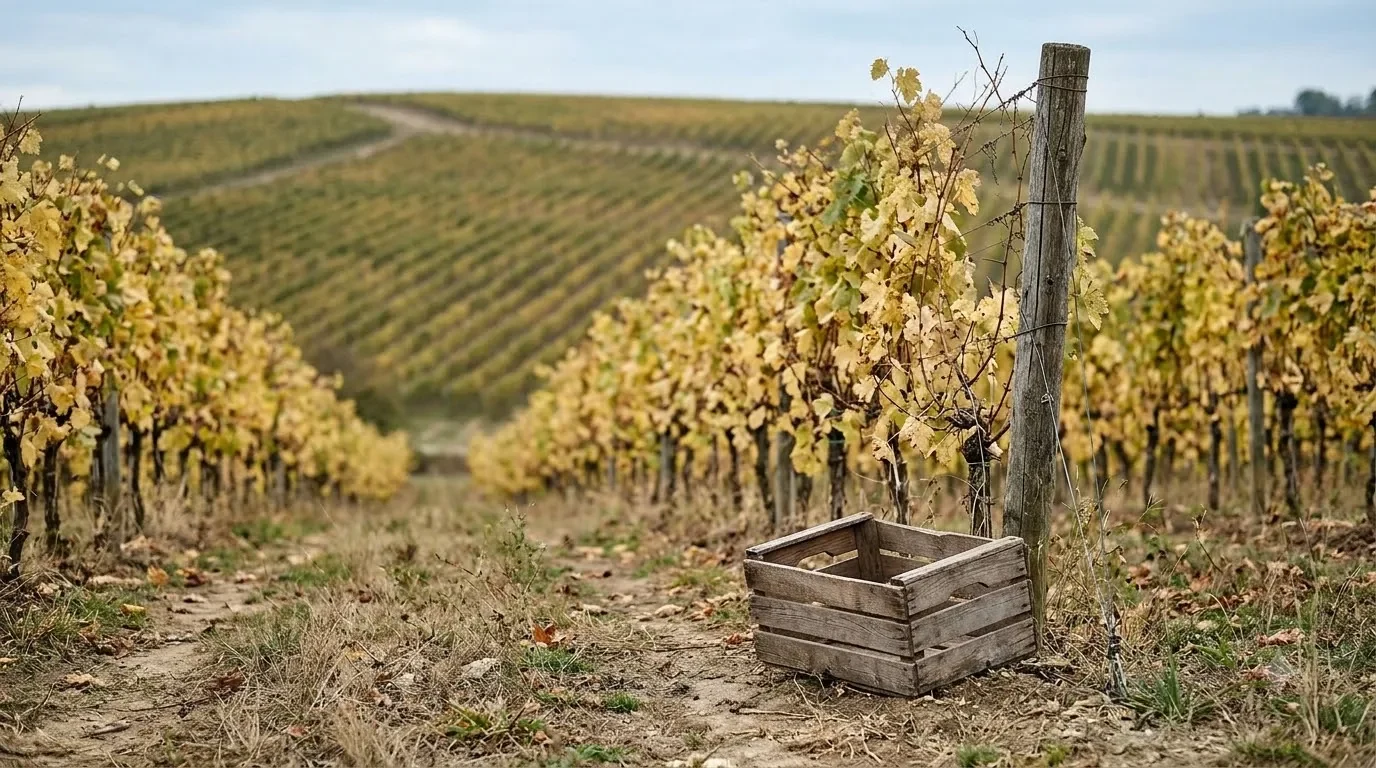
Canary Islands wine is shaped by a dry, windy climate and by volcanic soils, and those two factors explain much of what makes the wines distinctive. The islands sit in the Atlantic off the coast of Africa, so the vines face constant wind and very little rain in many areas. Growers have adapted to these conditions over centuries, and their methods look unusual to visitors who expect rows of trellised vines.
Wine has long been part of island agriculture. A history of the island of Tenerife notes that during the sixteenth century its agriculture became increasingly focused on export crops, including wine grapes, sugar cane, and cochineal. That history helps explain why viticulture remains an important part of the islands’ identity today.
Key grapes of the Canary Islands
Listán Negro is the grape most associated with the islands. Wine Folly describes it as most notably found in the Canary Islands, and the same grape also grows in Peru, where it is called Negra Peruana and used to make pisco. The page says the wines show red cherry, strawberry, banana, and spice notes, with smoke in some examples. The Listán Negro profile on Wine Folly gives a clear description of the style.
Malvasía is the main white grape named in descriptions of the Lanzarote vineyards, and it appears in the region’s landscape writing as well. Other local varieties exist across the islands, but Listán Negro and Malvasía are the names to know first when you browse a label.
Lanzarote and the vine pits of La Geria
Lanzarote is the best-known wine landscape in the islands. The La Geria area is part of the Lanzarote wine region, and its vineyards are protected. Each vine sits in a pit that is roughly 4 to 5 metres wide and 2 to 3 metres deep, with a small stone wall around it. The walls shield the plant from the constant wind and help collect rainfall and overnight dew.
The soil in La Geria is covered with volcanic lapilli, the small dark stones that form a loose mulch over the ground. That layer keeps moisture in the soil and gives the vineyards their distinctive look. Visitors often find the scene surprising, since the vines are small and low, set in black ground rather than standing on trellises.
| Feature | What it means for the wine |
|---|---|
| Volcanic soil | Holds heat and reflects light, which helps ripen grapes |
| Vine pits and stone walls | Shelter vines from wind and capture rainfall and dew |
| Listán Negro | Dry red with light tannins and bright red fruit |
| Malvasía | Traditional white grape of the islands’ vineyards |
Tip: Look for the island or the appellation on the label. The Canary Islands have several designations, and the island name helps you understand the landscape behind the wine.
Because La Geria is a protected area, the vineyards and their walls are part of the island’s landscape heritage, not only a farming setting. The pits and walls remain the defining image of the area, and they explain why the wine is so closely tied to its volcanic ground. When you taste Lanzarote wines, ask staff which bottles come from the island’s own vineyards, since labels from elsewhere in the islands can look similar at a glance.
How Canary Islands wine tastes
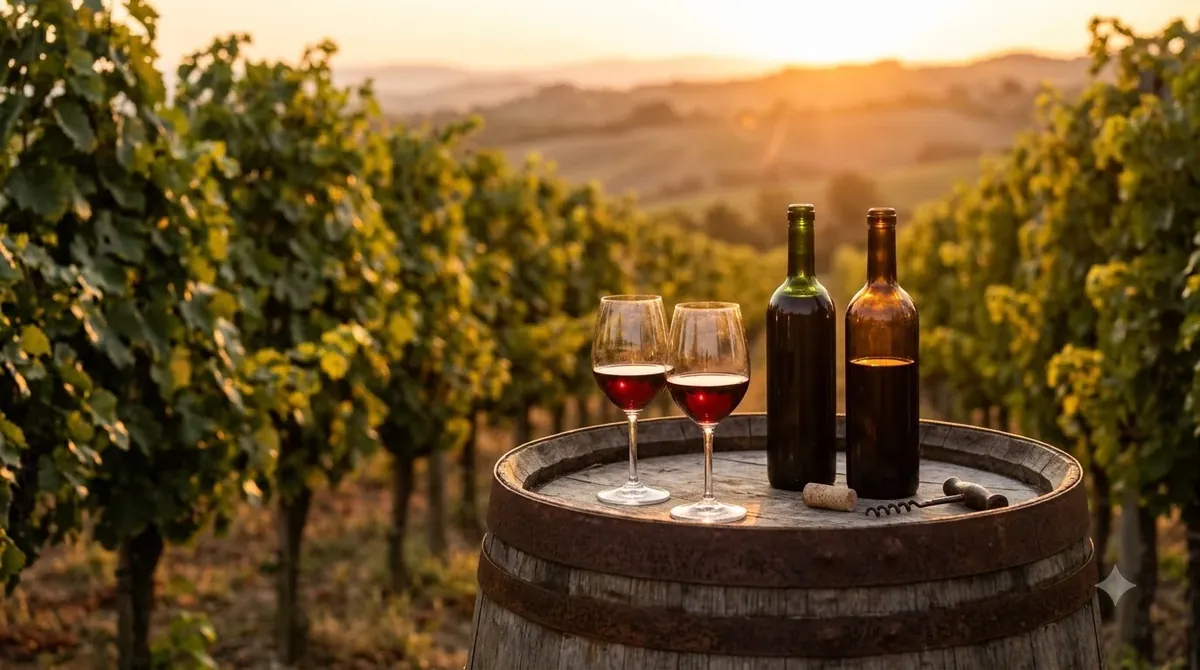
Listán Negro is generally described as a dry red with medium body, low tannins, and medium-high acidity. Wine Folly gives an alcohol range of 10% to 11.5%, which makes the wine light compared with many big reds. The fruit is bright and fresh, and the wine can work well when you want a red that is easy to drink with a meal.
Because the wine has a youthful, fruity character, it often compares with a light Beaujolais in style. That comparison is useful for shoppers who like fresh reds and do not want heavy oak. Malvasía is the traditional white grape of the islands, and it is worth trying alongside a Listán Negro.
How to serve and pair Canary Islands wine
Wine Folly suggests serving Listán Negro at 15 to 20°C, or 60 to 68°F. The page also recommends decanting for about 30 minutes, which can help open the aromas of a younger bottle. The wine ages well for three to five years, so it is worth keeping a bottle for a while if you find a style you like.
The food matches are simple. Charcuterie, cheese, and antipasti all suit a light red with fresh acidity. Lighter Mediterranean dishes, grilled fish, and roasted vegetables also work well with Malvasía, which tends to pair with seafood and salads. Keep the rest of the meal fresh and uncomplicated, and the wine will fit in naturally.
How to choose a Canary Islands bottle
If you enjoy fresh, fruity reds, start with a Listán Negro. If you prefer a white with aromatic lift, look for a Malvasía-based wine. The islands’ wines can be a good choice for a dinner where you want something different from the usual Spanish reds from mainland regions.
When comparing the Canary Islands with other regions, the climate is the big difference. The dry wind and volcanic ground are not common in many wine regions, so the wines carry a distinctive character. For a broader sense of how regions differ, see the Wine Regions hub, and compare the Canary Islands with the Alentejo wine guide, which covers another dry, warm area of the Iberian Peninsula.
Frequently Asked Questions
What are the Canary Islands known for in wine?
The islands are known for volcanic vineyards, especially the vine pits of La Geria on Lanzarote, and for Listán Negro, a dry red grape that is most associated with the islands.
Is Canary Islands wine mostly red or white?
Both styles exist, but Listán Negro reds are the most widely described. Malvasía is the main white grape named in descriptions of the islands’ vineyards.
Why are the vines planted in pits?
The pits and small stone walls shelter each vine from the constant wind. They also help collect rainfall and overnight dew, which matters in a dry climate with volcanic ground.
How should I serve Listán Negro?
Serve it at about 15 to 20°C, or 60 to 68°F. Decanting for around 30 minutes can help a younger bottle open up, and it pairs well with charcuterie, cheese, and antipasti.
Canary Islands wine is a good example of a region shaped by its landscape. A bottle of Listán Negro or Malvasía tells you something about volcanic soil, wind, and small-scale farming. Try one red and one white side by side to see how the two styles differ.
More in Wine Regions
 Willcox Wine Trail: Discover Arizona’s High-Elevation Wine CountryUpdated Nov 20, 2026
 Yakima Valley Wine Region: Find the Best Styles to TryUpdated Nov 20, 2026
 Vosne Romanee Wine Tasting: Identify Aromas and Choose Better PairingsUpdated Nov 20, 2026
 Yakima Valley Wine Festival: Find the Best Seasonal Wine EventsUpdated Nov 20, 2026
 Wales Vineyards: Discover Cool-Climate Wines and Where to VisitUpdated Nov 20, 2026
 Yountville Wine Festival: Discover Napa Wines and Local FoodUpdated Nov 20, 2026