

We may earn a commission when you buy through links on this page, at no extra cost to you. Learn more.
Sweet rose is a pink wine with noticeable residual sugar, so it tastes softer and fruitier than a dry rosé. In the United States the term usually covers blush and white-style pink wines, while dry rosés from Provence or the Loire are a different category. Sweetness is the main thing to check on the label, because the color alone tells you little about how the wine will taste.
This guide explains how rosé gets its color, how sugar changes its taste, which sweet styles to expect, and how to serve and pair a sweet pink wine without overthinking it.
How rosé gets its color and sweetness
Rosé is made from black-skinned grapes, but it is not a blend of red and white. Winemakers usually give the crushed grapes a short period of skin contact, typically a few hours to about a day, and then press off the juice before fermentation. Longer contact produces a deeper color. Another method is saignée, or bleeding, in which some pink juice is drawn off from a red wine early in its process. That juice is fermented separately as rosé, and the remaining red wine becomes more concentrated.
Sweetness comes from a separate decision. A winemaker can stop fermentation before all the sugar has turned into alcohol, which leaves residual sugar in the wine. Rosés run from very dry, as in the Provençal styles, to sweet, as in White Zinfandel and blush wines. Blush generally means a sweeter pink wine, typically around 2.5 percent residual sugar, though producers vary.
Where the sweet style came from
Sweet rosé has a surprisingly specific origin story in the United States. Wine Folly’s Zinfandel guide describes how White Zinfandel began in the 1970s, when a tank of Oeil de Perdrix, a saignée rosé from Sutter Home, became stuck during fermentation. The yeasts died before they consumed all the sugar. The winemaker found that the bitterness had disappeared along with the sugar, and customers liked the sweeter result. That accident set the template for a whole category of soft, fruity pink wines.
The naming also differs by market. In North America, dry pink wines are usually sold as rosé, while sweet pink wines fall under blush or white-style labels. Europe tends to call nearly all pink wines rosé regardless of sweetness, so a French or Spanish label may not tell you much about how sweet the bottle is. Reading the back label or the producer’s description is the most reliable way to find the style.
Sweet rosé styles at a glance
Sweet pink wines are not all the same. Some are light and fizzy, some are still and simple, and some are fuller with a little more body. The table below separates the common styles so you can see how they differ.
| Style | Typical sweetness | Common character |
|---|---|---|
| Dry Provençal rosé | Dry | Grenache-led, pale, with citrus and red fruit notes |
| Blush | Off-dry to sweet, around 2.5 percent residual sugar | Soft, fruity, easy to drink |
| White Zinfandel | Sweet | Bright red fruit such as strawberry, raspberry, and cherry |
| Sweet sparkling pink | Sweet to off-dry | Lively bubbles with a fruity finish |
The sweet end of the spectrum is where most people find their first favorite. If the words sweet or blush appear on the label, expect a wine that leans toward fruit and softness rather than dry structure.
Grapes behind pink wines
The grape choice shapes the color and the flavor of a rosé, sweet or dry. Grenache is the dominant grape in Provence, often blended with Syrah, Cinsault, Mourvèdre, and Carignan. In Tavel, Grenache can make up to 60 percent of the blend, with at least 15 percent Cinsault. The Loire uses Gamay, Cabernet Franc, and Cabernet Sauvignon, while Navarra in Spain leans on Garnacha, often with Tempranillo or Cabernet Sauvignon. In Champagne, Pinot Noir and Pinot Meunier make pink sparkling wines.
White Zinfandel is a different case. It is a sweet pink wine made from red Zinfandel grapes, and its appeal comes from its fruit and softness rather than from the grape’s usual bold character. Knowing the grape can help you predict style, but sugar level is the number that decides how sweet the glass will taste.
How to serve sweet rosé
Sweet pink wines are usually served chilled. A cool glass keeps the fruit bright and makes the sugar taste balanced rather than heavy. Serving the wine very cold can mute its aromas, so take it out of the fridge a few minutes before pouring if it tastes flat. A standard wine glass works well for both still and sparkling styles.

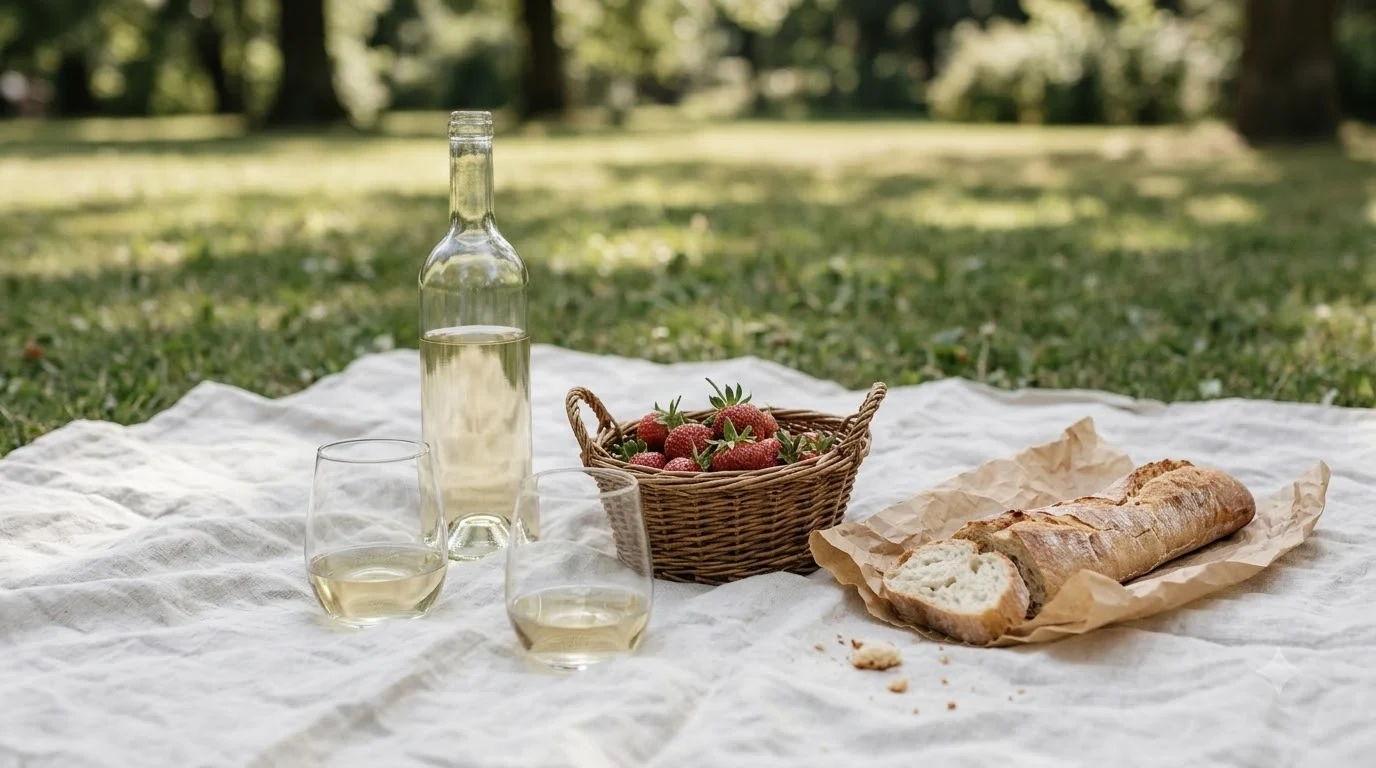
Because sweet rosé is easy to drink on its own, many people serve it at casual gatherings, brunch, or outdoors. It can also be a good partner for spicy food, where a little sweetness softens heat. Sweet pink wines are less common at formal dinners, so think about the setting before you open a bottle.
Food pairing for a sweet pink wine
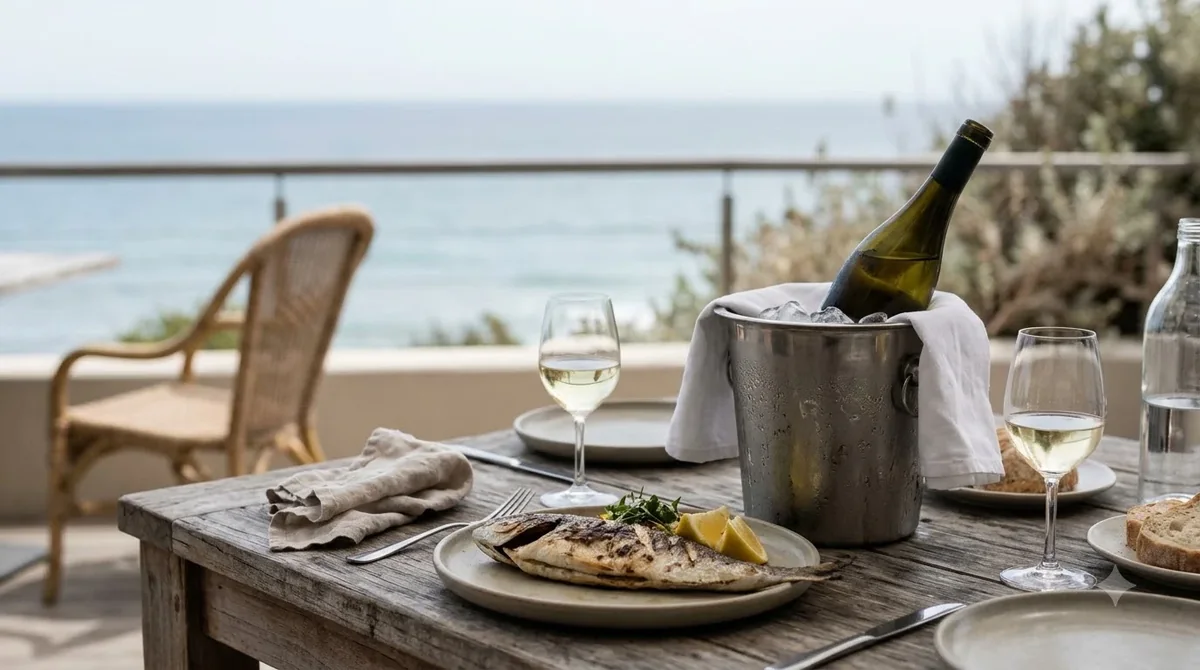
Sweet rosé works with dishes that have some heat, salt, or richness. Spicy takeout, barbecue with a sweet glaze, and salty snacks such as cured meats or olives all pair well with a fruity pink wine. Fresh fruit, berry desserts, and light cheese plates are natural matches as well. If you want a sweeter option with similar fruit, you can also compare it with sweet riesling, which has a different grape and a different style but a similar sense of ripe fruit.
For a bubbly alternative with a sweet finish, sweet prosecco is another option that pairs well with dessert and fruit. If you want a sweet white instead of a pink, sweet moscato is a common choice with a similar, light style.
How to choose a sweet rosé
Start with the label. Look for words such as sweet, blush, or white, and check the producer’s notes for a description of residual sugar. If the bottle says dry, it will taste very different from a blush even if the color looks similar. When you are unsure, buy a smaller bottle first and find out how sweet you like your pink wines before committing to a larger one.
Price and bottle size do not tell you much about sweetness either. The cost depends on the producer, the region, and the packaging, so a more expensive bottle is not automatically sweeter or better made. A better approach is to decide what style you want, check the label for sweetness, and then compare a few options side by side. For more background on reading labels, the Wine Buying Guides section covers the basics.
Frequently Asked Questions
What is sweet rosé?
Sweet rosé is a pink wine that keeps some residual sugar after fermentation. It tastes softer and fruitier than a dry rosé. Blush and White Zinfandel are the most common examples.
Is blush the same as sweet rosé?
Blush is a term for a sweeter pink wine, typically around 2.5 percent residual sugar, though producers vary. Many sweet rosés are sold as blush, but the exact sweetness depends on the bottle.
Why is White Zinfandel sweet?
According to Wine Folly, White Zinfandel was created in the 1970s when a Sutter Home fermentation stopped early, leaving residual sugar in the wine. Customers liked the sweeter result, and the style became popular.
How should I serve sweet rosé?
Serve it chilled but not icy, in a standard wine glass. A cool temperature keeps the fruit bright and the sweetness balanced.
Sweet rosé is a practical choice when you want a fruity, easy pink wine. Check the label for sweetness, serve it cool, and pair it with dishes that have some heat or salt. If you want to keep comparing styles, the buying guides are a good next stop.
More in Wine Buying Guides
 Riesling Gift: Choose a Bottle They’ll LoveUpdated Nov 21, 2026
 Sweet Red Wine Gift: Choose a Bottle They’ll LoveUpdated Nov 21, 2026
 Malbec Gift: How to Choose a Memorable Bottle for Any OccasionUpdated Nov 21, 2026
 Sherry Gift Ideas That Match Every Wine LoverUpdated Nov 21, 2026
 Moscato Gift: How to Choose a Sweet Wine They’ll LoveUpdated Nov 21, 2026
 Merlot Gift: How to Choose a Bottle They’ll AppreciateUpdated Nov 21, 2026