

We may earn a commission when you buy through links on this page, at no extra cost to you. Learn more.
What is fortified red wine? It is a red grape wine strengthened with a distilled grape spirit, such as brandy, which raises its alcohol by volume (ABV) to roughly 15% to 20% and typically preserves natural grape sweetness. Winemakers add the neutral spirit partway through fermentation to halt yeast activity before all the sugar converts to alcohol, producing rich, full-bodied bottles like Ruby Port, Tawny Port, Banyuls, and Maury. Because of that extra alcohol and residual sugar, fortified red wines deliver concentrated dark-fruit or nutty flavors and stay fresh far longer after opening than standard table reds.
While dry table wines rely solely on natural fermentation, fortified red wines bridge the gap between classic red wine and distilled spirits. Understanding how fortification works makes it much easier to choose between youthful, berry-driven bottles and oak-aged styles, pour the right glass size, and pair these bold wines with food.
What It Is and How Fortification Works
Fortified red wine starts as regular red grape juice that begins fermenting normally, until the winemaker adds a high-proof neutral grape spirit to stop the yeast and lock in natural sweetness.
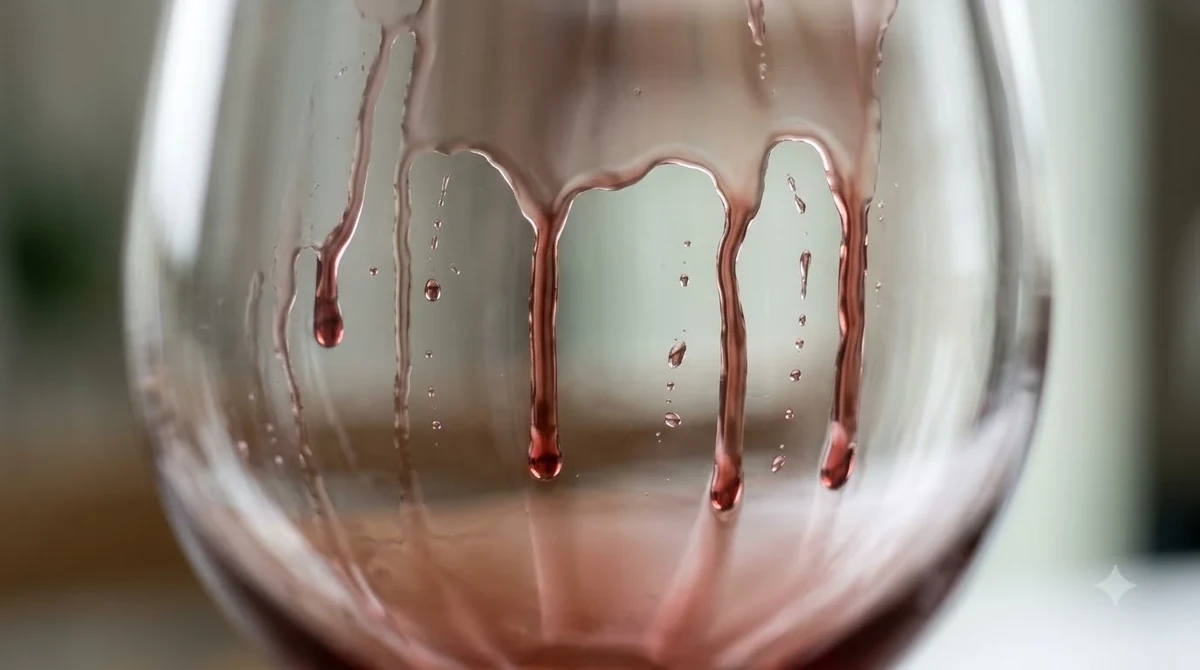
In standard winemaking, yeast consumes all available grape sugars and turns them into alcohol and carbon dioxide, resulting in a dry wine around 12% to 14% ABV. During red wine fortification, the winemaker intervenes mid-fermentation by adding a distilled grape spirit—commonly called brandy or aguardente in Portugal. Once the alcohol concentration in the tank climbs past roughly 15%, the yeast can no longer survive, leaving unfermented grape sugar behind.
According to Wine Enthusiast, most fortified wines finish between 15% and 20% ABV, giving them a noticeably warmer, weightier mouthfeel than unfortified table reds. This method originally gained popularity centuries ago because higher alcohol stabilized barrels of wine during long ocean voyages in warm weather. Today, producers use precise timing and carefully selected base spirits to preserve pure fruit character without harsh alcoholic heat.
It is also helpful to distinguish fortified red wines from aromatized wines like sweet red vermouth. While sweet vermouth is fortified with spirit, it is also infused with botanicals, roots, herbs, and spices such as wormwood and orange peel. Pure fortified red wines rely exclusively on grapes and grape spirit for their aroma, color, and flavor. If you want to compare exact alcohol brackets across categories, see our guide to fortified wine alcohol content.
Flavor Profiles and Major Styles
Fortified red wines split into two primary flavor families: youthful, fruit-forward styles aged with minimal oxygen and oxidative, wood-aged styles that develop nutty, caramel complexity.
Youthful styles—led by Ruby Port, Late Bottled Vintage (LBV) Port, and young French red Vins Doux Naturels—spend relatively little time in large wooden vats before bottling. Because exposure to air is kept low, these wines retain a deep purple-ruby color, firm tannins, and vibrant flavors of blackberry, stewed raspberry, black cherry, dark chocolate, and sweet baking spices. Vintage Port sits at the pinnacle of this category; made only in declared standout harvests, it ages in glass bottles for decades, gradually softening its tannins into velvety layers of dried plum and cocoa.
Wood-aged styles, most famously Tawny Port and aged Rivesaltes or Maury, follow a very different path. Instead of protecting the wine from oxygen, winemakers mature it for years—sometimes 10, 20, 30, or 40 years—in smaller oak casks. Slow evaporation concentrates the liquid, shifting its color from deep red to brick-amber and transforming fresh berry notes into roasted hazelnut, almond, butterscotch, dried fig, vanilla, and orange peel.
| Style | Primary Grapes | Aging Method | Core Flavor Notes | Sweetness |
|---|---|---|---|---|
| Ruby Port | Touriga Nacional, Touriga Franca, Tinta Roriz | Short aging in large vats (minimal oxygen) | Blackberry, raspberry, cinnamon, dark chocolate | Sweet |
| Tawny Port (10–40 Yr) | Douro red blends (Touriga Nacional, Tinta Barroca, etc.) | Extended aging in small oak casks (oxidative) | Caramel, roasted hazelnut, dried fig, butterscotch | Sweet |
| Vintage Port | Top Douro Valley red blends | 2 years in wood, then decades in bottle | Crushed black fruit, violet, cocoa, licorice | Sweet |
| Banyuls & Maury | Grenache Noir (plus Carignan or Syrah) | Tank (Rimage) or oxidative oak/glass demijohns | Stewed red berries, raisin, cocoa powder, spice | Sweet |
| Rasteau VDN | Minimum 90% Grenache Noir | Stainless steel, concrete, or seasoned oak | Currant jam, raspberry, Darjeeling tea, cocoa | Sweet |
To see how fortified reds fit into the broader landscape of red, white, sparkling, and dessert bottles, explore our overview of Wine by Type.
Where Fortified Red Wine Is Made
The world’s benchmark fortified red wines hail from warm, sun-drenched Mediterranean and Iberian regions where hot growing seasons naturally ripen grapes to high sugar levels.
Portugal’s Douro Valley is the historic home of Port and remains the single most famous source of fortified red wine. Demarcated in 1756, the region features steep, terraced schist hillsides along the Douro River where indigenous varieties like Touriga Nacional and Touriga Franca thrive in scorching summers. Touriga Nacional contributes deep color, blueberry aromatics, and firm tannic structure, while Touriga Franca adds bright raspberry and floral lift.
Across the border in southern France, winemakers craft a parallel family of fortified reds called Vins Doux Naturels (VDNs), or “naturally sweet wines”. Along the rocky, sun-baked slopes of Roussillon near the Spanish border, appellations like Banyuls and Maury rely on old-vine Grenache Noir. Further north in the Southern Rhône Valley, Rasteau produces plush red VDNs built on at least 90% Grenache, offering a slightly lighter, more herbal counterpoint to Portuguese Port.
Outside Europe, warm-climate regions such as Australia’s Rutherglen and Barossa Valley also produce acclaimed fortified reds—often labeled “Tawny” or “Vintage Fortified”—using Shiraz and Grenache. Regardless of geography, the common thread is intense sunshine that builds concentrated fruit flavors sturdy enough to balance added grape spirit.
How to Serve and Store Fortified Red Wine
Because fortified red wine packs higher alcohol and sweetness than table wine, it tastes best when served slightly cool in smaller pours of about 2.5 to 3 ounces.
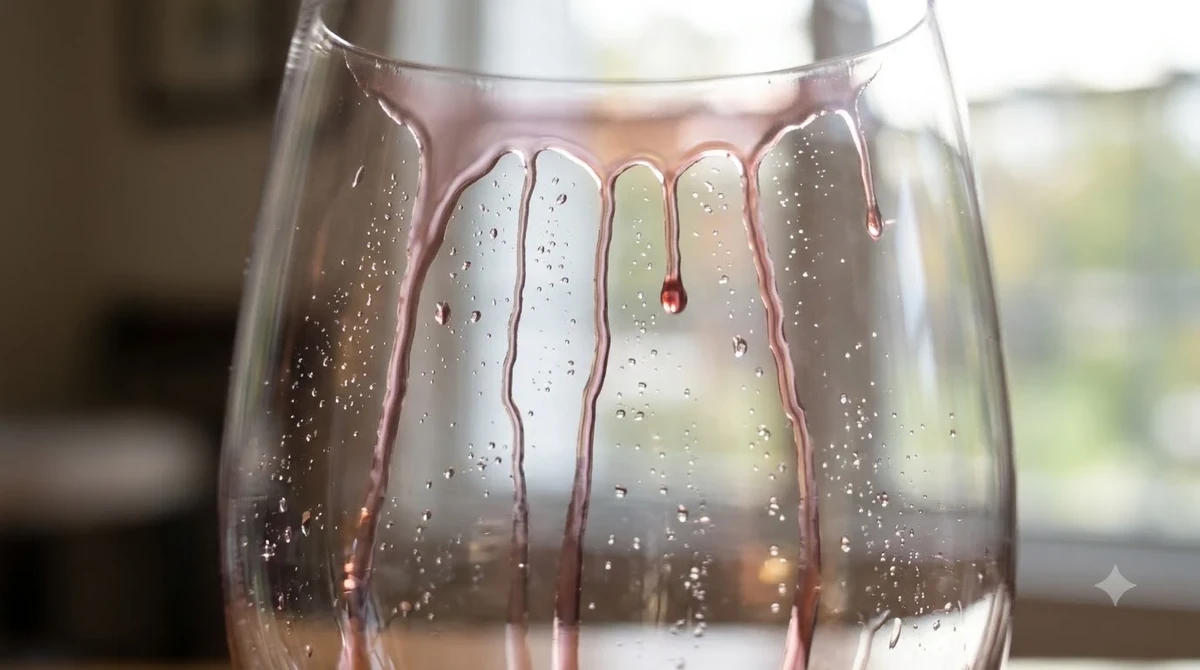
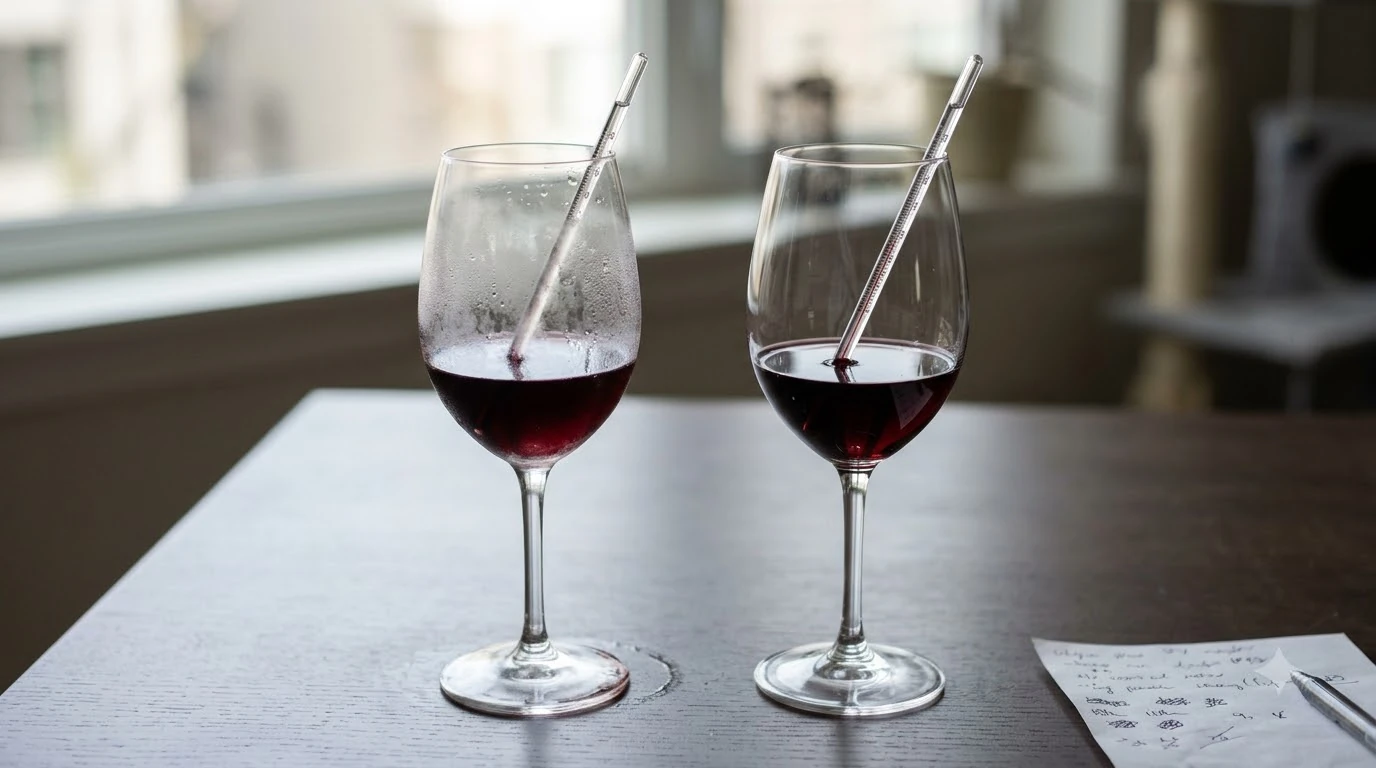
Serving temperature plays a major role in keeping the alcohol integrated and refreshing. According to Wine Folly, Ruby Port shines at 54°F to 61°F (12°C to 16°C)—just below room temperature—while wood-aged Tawny Port benefits from a slightly brisker chill around 50°F to 57°F (10°C to 14°C). Serving fortified red wine too warm makes the spirit feel sharp and heavy on the palate. For style-by-style temperature charts, check our resource on fortified wine serving temperature.
Glassware also differs from standard dinner service. Sommeliers typically pour fortified reds into a small, tulip-shaped Port glass or a traditional Spanish copita. The narrow rim focuses fruit and nutty aromas toward your nose while preventing alcohol vapors from overwhelming the bouquet. If you do not own dedicated dessert glassware, a standard white wine glass works well.
Tip: Store an opened bottle of fortified red wine upright in the refrigerator with its cork pushed back in; Ruby styles stay fresh for 8 to 10 days, while Tawny styles hold up for 3 to 4 weeks.
Food Pairing Ideas
Fortified red wine pairs best with foods that match its richness or provide a salty, savory contrast to its natural sweetness.
Classic cheese pairings rely on the interplay of salt and sweet. Pungent blue cheeses like Stilton, Roquefort, and Gorgonzola are iconic partners for Ruby and Vintage Port because the cheese’s sharp salinity cuts straight through the wine’s velvety berry sweetness. Aged, nutty hard cheeses such as Manchego, Comté, and aged Gouda pair effortlessly with Tawny Port, mirroring its toasted almond and caramel notes.
At the dessert table, match the weight of the wine to the dish. Youthful Ruby Port, Banyuls, and Rasteau VDN stand up to dark chocolate truffles, flourless chocolate cake, and berry tarts—foods that often make dry red wines taste thin or sour. Meanwhile, Tawny Port complements caramel-driven desserts like pecan pie, sticky toffee pudding, crème brûlée, and roasted nuts.
Savory dishes also benefit from fortified reds both in the glass and in the pan. Smoked meats, slow-braised short ribs, and duck with a berry glaze echo the wine’s dark fruit and spice. In the kitchen, simmering Ruby Port down into a glossy pan reduction creates a rich sauce for steak or roasted mushrooms. If you are tracking nutrition alongside dessert courses, review our breakdown of calories in fortified wine.
How to Choose a Bottle
Choosing the right fortified red wine comes down to deciding whether you want vibrant fresh fruit or mellow nutty complexity, and checking the label for aging cues.
If you enjoy bold, fruit-forward red wines and want something for dark chocolate or blue cheese, look for bottles labeled Ruby Reserve, Late Bottled Vintage (LBV), or Banyuls Rimage. LBV Port offers much of the depth and dark-berry concentration of Vintage Port at a fraction of the aging wait, and most modern LBVs are filtered so they do not require decanting.
If you prefer smooth, nuanced flavors of caramel, fig, and roasted nuts—or want a bottle you can sip slowly over several weeks—reach for a 10-Year or 20-Year Tawny Port or an aged Maury Tuilé. Always check the back label of Tawny Port for the bottling date; because Tawny stops evolving once bottled, fresher bottling dates preserve brighter aromatics.
Frequently Asked Questions
Is all fortified red wine sweet?
Nearly all traditional fortified red wines—including Port, Banyuls, and Maury—are sweet because winemakers add grape spirit mid-fermentation to preserve natural grape sugars. However, sweetness levels vary by style: youthful Ruby styles feel lush and jammy, while long-aged Tawny styles taste more balanced due to bright acidity and nutty oxidation.
What is the difference between Ruby Port and Tawny Port?
Ruby Port is aged briefly in large vats with minimal oxygen exposure, keeping its deep purple-red color and fresh blackberry, raspberry, and chocolate flavors. Tawny Port is aged for years in smaller wooden barrels, which turns the wine amber-brown and develops flavors of caramel, hazelnut, dried fig, and spice.
Does fortified red wine need to be decanted?
Unfiltered styles like Vintage Port and traditional unfiltered Late Bottled Vintage (LBV) Port throw heavy natural sediment as they age in bottle and should be decanted before serving. Standard Ruby Port, filtered LBV, Tawny Port, and most French Vins Doux Naturels are filtered before bottling and can be poured straight from the bottle.
Can you cook with fortified red wine?
Yes, fortified red wines are prized in cooking because their higher alcohol and concentrated fruit hold up well to simmering. Ruby Port or basic Banyuls reduces into a glossy pan sauce for steak, duck, or venison, and adds depth to poached pears and chocolate desserts.
Fortified red wine rewards curiosity by offering intense flavor, remarkable shelf life, and effortless pairing versatility in every small pour. Whether you start with a vibrant Ruby Port alongside dark chocolate or a chilled glass of 10-Year Tawny after dinner, knowing how these wines are made helps you open every bottle at its best.
More in Wine Types & Grapes
 Zinfandel Sugar Content: Dry Red vs. White Zinfandel GramsUpdated Nov 21, 2026
 Best Zinfandel Substitute Options for Sipping and CookingUpdated Nov 21, 2026
 Zweigelt Food Pairing: Best Dishes, Cheeses, and Serving TipsUpdated Nov 21, 2026
 Zinfandel Tannins Explained: How Structure Shapes Every BottleUpdated Nov 21, 2026
 Zinfandel Sweetness Level: Dry Red vs. Sweet White Zin ExplainedUpdated Nov 21, 2026
 Xinomavro Food Pairing: Best Dishes, Styles, and Serving TipsUpdated Nov 21, 2026