

We may earn a commission when you buy through links on this page, at no extra cost to you. Learn more.
Fortified wine alcohol content typically ranges from 15% to 20% ABV, although some styles reach approximately 22% ABV. Port, Sherry, Madeira, Marsala and vermouth are familiar examples, each with its own alcohol range and production method. Winemakers increase strength by adding distilled spirit to wine during or after fermentation. The timing of that addition also influences sweetness and flavor.
Fortified wine occupies a distinct place between conventional table wine and distilled spirits. Its additional alcohol comes from a winemaking technique rather than distillation of the finished beverage. Understanding the differences between individual styles makes it easier to compare bottles, select the right wine for a meal and serve each one appropriately. The most useful starting point is the alcohol percentage printed on the bottle, followed by the style and sweetness level.
Typical Alcohol Content in Fortified Wine
Most fortified wines contain approximately 15% to 20% alcohol by volume, with some Port and other styles reaching 22%. The precise strength depends on the wine category, production regulations and the amount of spirit added during winemaking.
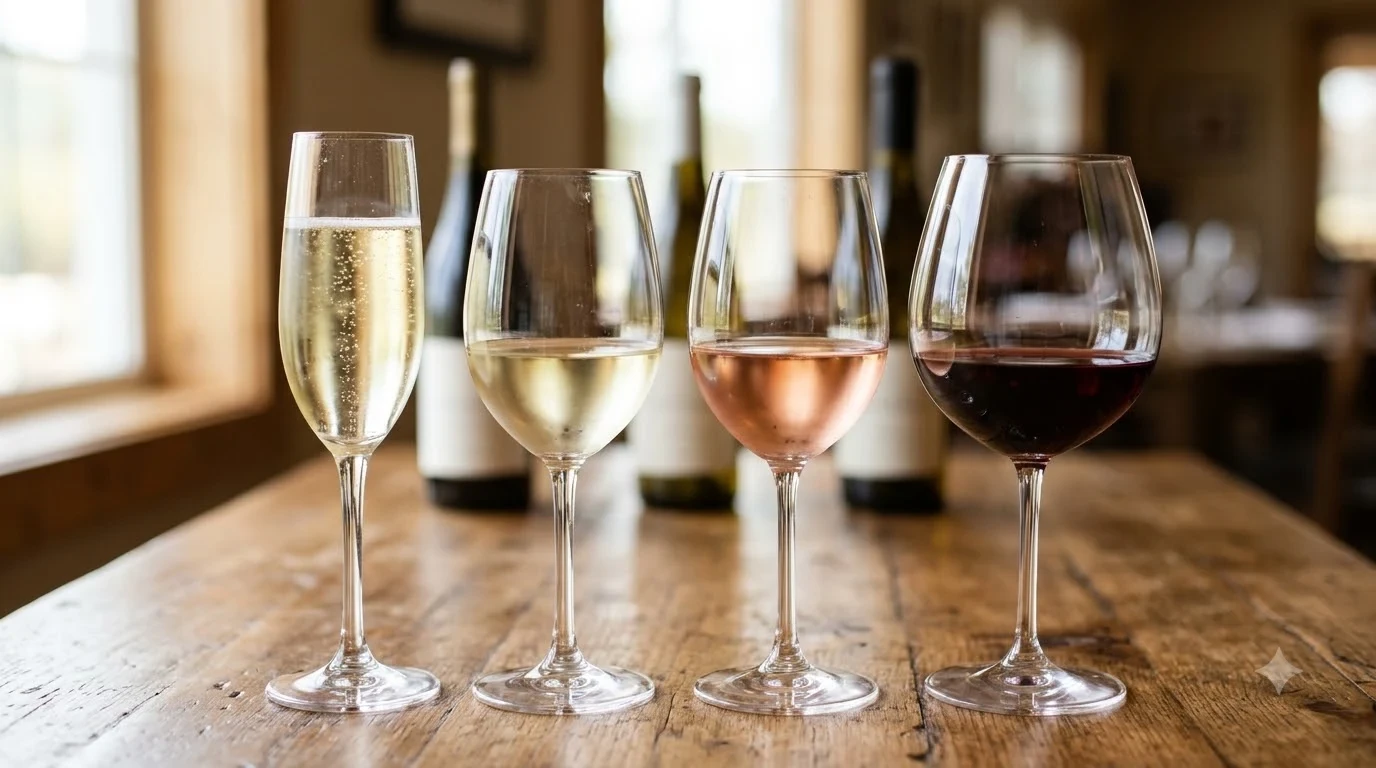
Regular table wine commonly contains approximately 11% to 14% ABV. Fortified wine is generally stronger because producers add distilled alcohol to a fermented or partially fermented grape base. This increases the finished wine’s alcohol percentage while helping establish its characteristic style.
The Wine & Spirit Education Trust provides a useful classification for understanding fortified wine strength. Its educational framework divides alcohol levels into three groups: low at 15% to 16.4% ABV, medium at 16.5% to 18.4% ABV and high at 18.5% ABV or above. This system helps compare fortified wines without assuming that every bottle has the same strength.
For example, a Fino Sherry at 15% ABV belongs to the lower category, while a Madeira at 18% ABV falls into the medium category. A Port at 20% ABV is considered high in this classification. These differences are meaningful even though all three wines belong to the fortified family.
Alcohol percentage is not the same as perceived strength. A sweet Port can taste smooth and rich because residual sugar balances its alcohol, while a dry Fino Sherry can feel sharper and more direct despite having a lower ABV. Temperature, acidity, sweetness and aging also influence how strongly alcohol is perceived.
The following table summarizes common styles and their typical alcohol ranges. These are general reference figures rather than universal specifications for every producer or bottling.
| Fortified wine | Typical ABV | Common style | Origin |
|---|---|---|---|
| Port | 19–22% | Usually sweet | Douro Valley, Portugal |
| Sherry | 15–20% | Dry to sweet | Andalusia, Spain |
| Madeira | 17–18% | Dry to sweet | Madeira, Portugal |
| Marsala | 17–18% | Dry to sweet | Sicily, Italy |
| Vermouth | 15–21% | Dry to sweet | Various countries |
| Vins Doux Naturels | 15–16% | Usually sweet | Southern France |
These figures demonstrate why the term fortified wine should not be treated as a single alcohol specification. A dry Sherry and a sweet Port can differ by several percentage points even though both are made using added spirit.
When comparing bottles, distinguish between alcohol strength and sweetness. A sweeter wine is not automatically stronger, and a wine that tastes less alcoholic does not necessarily contain less alcohol. The production method and final composition determine the actual percentage.
How Fortification Increases Alcohol Strength
Fortification means adding distilled spirit, generally grape-based, to wine during or after fermentation. The timing determines whether fermentation stops early with natural sugar remaining or finishes before the additional alcohol is introduced.
Ordinary winemaking begins when yeast converts grape sugar into ethanol and carbon dioxide. As fermentation continues, sugar levels fall and alcohol levels rise. In an unfortified dry wine, fermentation normally continues until most fermentable sugar has been converted into alcohol.
Fortified wine follows a similar process, but the winemaker introduces distilled spirit at a chosen stage. This raises the alcohol concentration and can stop yeast activity. The resulting beverage has a higher ABV than the original wine.
Fortification during fermentation
When spirit is added before fermentation finishes, yeast activity is interrupted and some natural grape sugar remains. The wine therefore retains sweetness while gaining additional alcohol. Port is a well-known example of this technique.
In Port production, fermentation is deliberately stopped before all the grape sugar has been consumed. The wine reaches its characteristic strength of approximately 19% to 22% ABV. The retained sugar contributes rich fruit flavors and balances the alcohol.
Sweet wines such as some French vins doux naturels also use this approach. Their final sweetness depends partly on the grape’s sugar concentration and the point at which the producer adds spirit.
Fortification after fermentation
Dry fortified wines are commonly produced by allowing fermentation to finish before adding spirit. Since most fermentable sugar has already been converted into alcohol, the resulting wine can remain dry despite its increased strength.
Many dry Sherries follow this method. The base wine is fermented before fortification, then directed toward different aging styles. Fino and Manzanilla develop under flor yeast, while Oloroso undergoes oxidative maturation.
Madeira also illustrates how timing changes the finished wine. Different grape varieties and fermentation decisions create dry, medium and sweet expressions. The final alcohol percentage is only one part of their identity.
Tip: To understand a fortified wine, consider three details together: its ABV, its sweetness and whether spirit was added during or after fermentation. These details explain more about the finished wine than alcohol percentage alone.
The Wine & Spirit Education Trust explains that most fortified wines use grape spirit around 95% to 96% ABV, while Port uses a distinctive grape spirit around 77% ABV. The different strengths and volumes of spirit influence the character and final alcoholic strength of each wine.
For additional background on these winemaking decisions, the Wine Enthusiast guide to fortified wines explains how the production methods create differences among the major categories.
Alcohol Content of Port, Sherry, Madeira and Marsala
Port, Sherry, Madeira and Marsala are four major fortified wine categories, but their alcohol levels and production traditions differ. Comparing them individually gives a more accurate picture than relying on one general fortified wine range.
Port: approximately 19–22% ABV
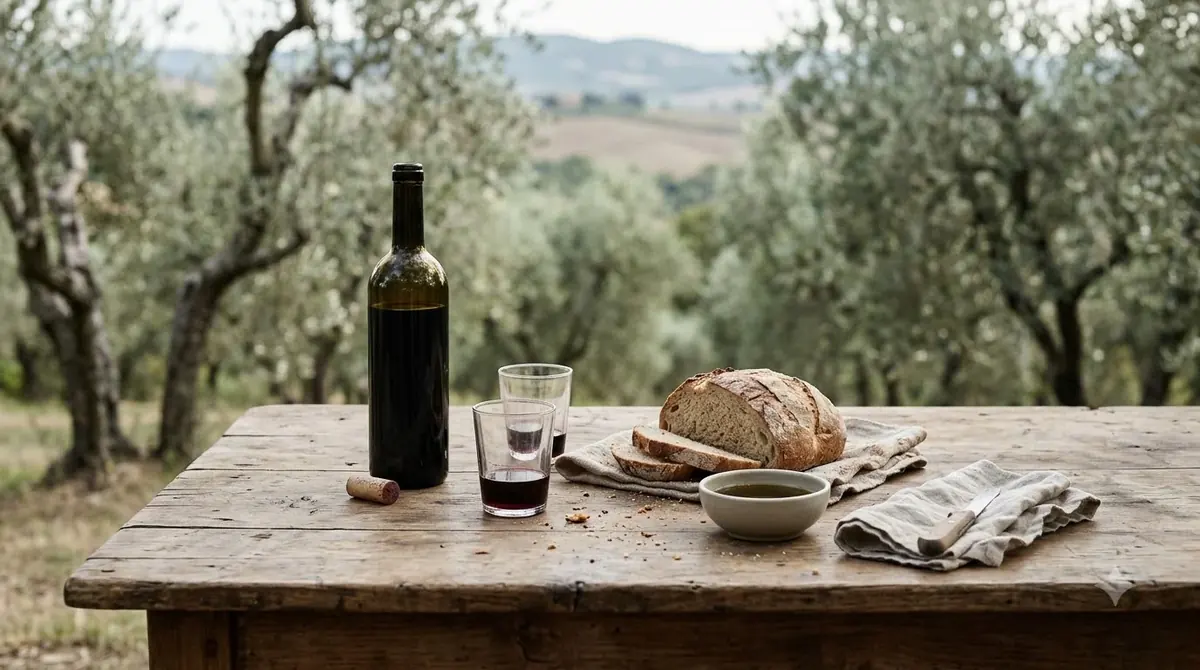
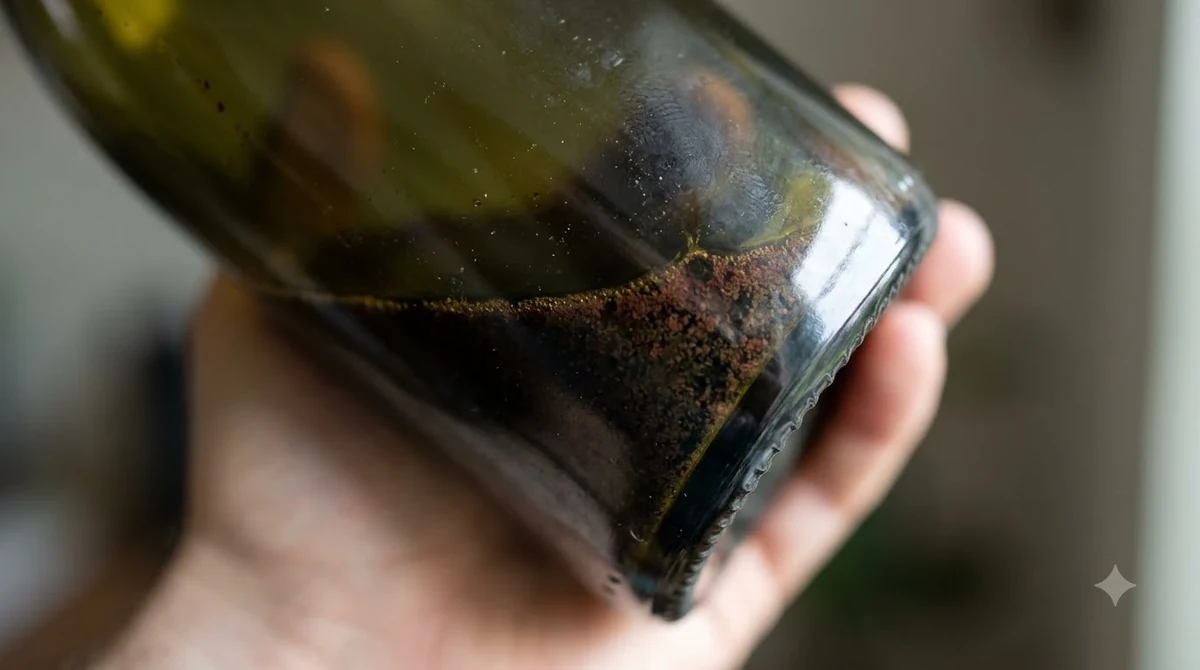
Port comes from Portugal’s Douro Valley and is generally the strongest of the four classic categories. Producers add grape spirit during fermentation, preserving natural grape sweetness and bringing the finished wine to approximately 19% to 22% ABV.
Common grape varieties include Touriga Nacional, Touriga Franca, Tinta Barroca, Tinto Cão and Tinta Roriz. Their combination helps create the concentrated fruit character and structure associated with traditional Port.
Ruby Port generally displays youthful dark-fruit flavors and receives limited oxidative exposure before bottling. Tawny Port develops through greater contact with oxygen during barrel aging, producing flavors associated with nuts, caramel and dried fruit. Vintage Port comes from a single exceptional harvest and is intended for extended bottle aging.
For a more detailed comparison of one popular style, see our article on tawny port alcohol content.
Sherry: approximately 15–20% ABV
Sherry is produced in Andalusia, southern Spain, with Jerez de la Frontera, Sanlúcar de Barrameda and El Puerto de Santa María forming its traditional production area. Unlike Port, many Sherries are fortified after fermentation has finished.
Fino and Manzanilla generally sit around 15% ABV. These wines mature under flor, a protective layer of yeast that influences their aroma and development. They are usually dry, with delicate savory, almond and bread-like characteristics.
Oloroso is fortified to a higher strength, commonly around 17% to 20% ABV depending on the producer and bottling. It develops through oxidative aging rather than continuous protection under flor. Its flavors often include walnut, dried fruit and toasted notes.
Sweet Sherries include Pedro Ximénez and Moscatel. Their concentrated grape sugars produce rich sweetness, while Cream Sherry combines dry wine with a sweetening component. These styles demonstrate that Sherry is not exclusively a dry wine.
Madeira: approximately 17–18% ABV
Madeira originates from the Portuguese island of Madeira in the Atlantic Ocean. It is known for its distinctive maturation methods, which involve controlled heat and oxidation to create complex flavors and remarkable longevity.
The four traditional white varieties provide useful clues to sweetness. Sercial generally produces dry wine, Verdelho tends toward medium-dry, Boal produces medium-sweet expressions and Malvasia is associated with sweet Madeira.
Madeira commonly reaches approximately 17% to 18% ABV. Its combination of acidity, alcohol and maturation gives it a distinctive profile that can include citrus peel, nuts, caramel and dried fruit.
Marsala: approximately 17–18% ABV
Marsala is a fortified wine from western Sicily, Italy. Its production commonly uses white varieties such as Grillo, Inzolia and Catarratto, although red-grape versions also exist.
Its sweetness categories include Secco, Semisecco and Dolce. Secco can contain up to 40 grams per liter of residual sugar, while Dolce contains more than 100 grams per liter. The wine’s alcohol level generally falls around 17% to 18% ABV.
Marsala is particularly familiar in cooking, especially in dishes featuring chicken, mushrooms and cream-based sauces. However, quality drinking versions also deserve attention as independent wines rather than being treated exclusively as cooking ingredients.
Our guide to Marsala alcohol content provides further information about its different styles and strength.
Other Fortified Wines and Their Alcohol Levels
Beyond the four major categories, fortified wine includes vermouth, French vins doux naturels and Australian fortified Muscat. Their alcohol levels often overlap with Port, Sherry and Madeira, but their ingredients and production techniques create distinct identities.
Vermouth: approximately 15–21% ABV
Vermouth is a fortified, aromatized wine made by combining a wine base with herbs, spices and other botanical ingredients. Wormwood is a defining traditional ingredient, while orange peel, juniper, star anise and angelica can contribute additional aromatic complexity.
Dry vermouth is often associated with French traditions, while sweet vermouth is commonly linked to Italian styles. Both are important cocktail ingredients, particularly in drinks such as the Martini and Manhattan.
A scientific review of fortified wine chemistry describes vermouth as generally containing 15% to 21% alcohol by volume. The exact strength depends on the producer, formulation and category.
Vins doux naturels: approximately 15–16% ABV
Southern France produces several sweet fortified wines known as vins doux naturels. These wines commonly use Muscat or Grenache grapes and receive grape spirit before fermentation is complete.
Muscat de Rivesaltes offers aromatic fruit and floral characteristics, while Banyuls and Maury are known for rich Grenache-based wines. Depending on maturation, these wines can display fresh berries, dried fruit, chocolate and nutty notes.
Their alcohol content is generally lower than Port, often around 15% to 16% ABV. Despite the lower strength, their sweetness and concentrated flavors can make them feel substantial.
Australian fortified Muscat
Australia is particularly associated with Rutherglen Muscat, a concentrated fortified wine made from Muscat grapes. Warm growing conditions and extended maturation contribute to rich flavors of raisins, caramel, dried fruit and molasses.
Its production involves fortification and aging, often under warm and oxidative conditions. The finished wines can vary in style and complexity, making the category a useful alternative for people who enjoy sweet Port or Madeira.
How these styles differ
The following distinctions help explain why two wines with similar ABV figures can offer completely different experiences:
- Vermouth combines fortification with botanical flavoring.
- Muscat-based fortified wines emphasize floral and grape aromas.
- Grenache-based vins doux naturels can develop dark-fruit and chocolate characteristics.
- Rutherglen Muscat is associated with concentrated dried-fruit and caramel flavors.
These wines show that fortified wine is a broad category rather than a specific taste or sweetness level. Exploring different grapes and aging methods can be just as important as comparing their alcoholic strength.
How to Serve and Compare Fortified Wine
Fortified wine is generally served in smaller portions than conventional table wine because its alcohol concentration is higher. Temperature, glassware and food pairing also influence how the wine performs at the table.
A standard wine serving is approximately 5 ounces, and a 750 ml bottle contains about five such glasses. However, fortified wines are frequently served in smaller pours, particularly when they are sweet or especially strong.
For example, a 3-ounce serving of 20% ABV Port contains approximately 0.6 fluid ounces of pure alcohol. A 5-ounce serving of 12% ABV table wine contains approximately 0.6 fluid ounces as well. This illustrates why serving size matters when comparing beverages with different strengths.
The calculation is straightforward:
Pure alcohol in fluid ounces = serving size in fluid ounces × ABV as a decimal.
For a 2-ounce pour of a 18% ABV Madeira:
2 × 0.18 = 0.36 fluid ounces of pure alcohol.
This method makes it easier to compare different portions without confusing bottle strength with the amount of alcohol actually poured.
Serving temperatures
Temperature can influence the perception of sweetness, alcohol and aroma. Lightly chilled fortified wines often show greater freshness, while some richer oxidative styles benefit from slightly warmer service.
- Fino and Manzanilla Sherry: approximately 45–50°F.
- Ruby and Tawny Port: approximately 55–60°F.
- Madeira: approximately 55–65°F, depending on style.
- Marsala: approximately 55–60°F for many drinking styles.
- Sweet fortified wines: approximately 43–50°F for a refreshing presentation, or slightly warmer when additional aromatic expression is desired.
- Vermouth: approximately 40–50°F when served chilled as an aperitif.
These are practical serving suggestions rather than strict rules. A dry Fino benefits from a cooler presentation, while a complex aged Tawny can reveal more aromatic detail when it is not excessively cold.
Food pairing principles
Sweet fortified wine works particularly well with desserts when the wine is at least as sweet as the food. A Pedro Ximénez Sherry can accompany chocolate desserts, dried figs and rich pastries. Tawny Port can complement walnuts, caramel desserts and aged cheeses.
Dry Sherry offers a different approach. Fino and Manzanilla pair naturally with olives, almonds, seafood and salty appetizers. Their dry character and savory aromas make them useful alternatives to conventional white wine at the beginning of a meal.
Madeira can work with roasted nuts, mushrooms, hard cheeses and dishes featuring caramelized ingredients. Marsala is familiar in savory sauces, but sweeter examples can also accompany desserts featuring dried fruit and nuts.
For a broader introduction to the different categories, our Wine by Type resource explains how grape varieties, winemaking and wine styles influence the finished beverage.
Choosing Fortified Wine by Strength and Style
The best fortified wine depends on the occasion, desired sweetness and preferred flavor profile. Looking at alcohol percentage alongside production style makes it easier to select a suitable bottle instead of choosing solely by its reputation or sweetness.
For people who prefer dry wines
Fino and Manzanilla Sherry are excellent starting points for drinkers who enjoy crisp, savory wines. Their approximately 15% ABV is relatively low within the fortified category, and their dry profiles offer a clear contrast to sweet Port.
Dry Marsala and dry Madeira are additional options. Both demonstrate that a fortified wine can have considerable alcohol strength without tasting sugary.
For people who prefer sweet wines
Ruby Port, Tawny Port and Pedro Ximénez Sherry are useful choices for those who enjoy concentrated fruit and dessert-like flavors. Port generally contains 19% to 22% ABV, while naturally sweet Pedro Ximénez Sherry is often around 15% to 16% ABV.
Sweet Madeira and Rutherglen Muscat offer additional possibilities. Their distinctive aging processes can create flavors ranging from dried apricot and raisins to caramel and roasted nuts.
For cocktails and aperitifs
Vermouth is particularly useful for cocktails because its botanical profile contributes bitterness, herbal aromas and sweetness. Dry vermouth is traditionally associated with the Martini, while sweet vermouth is essential to classic drinks such as the Manhattan and Negroni.
Dry Sherry also works in cocktails, especially when a recipe benefits from savory and nutty flavors rather than additional sweetness. A small amount can change the balance of a drink without requiring a large quantity of spirit.
For cooking
Marsala is a familiar ingredient in chicken dishes and mushroom sauces. Madeira can add depth to gravies, pan sauces and braised dishes, while dry Sherry works well in soups, seafood preparations and savory reductions.
Port is especially useful in sauces that benefit from dark-fruit sweetness. It can complement roasted meats, berries and dishes featuring concentrated savory flavors. The choice between dry and sweet fortified wine should reflect the other ingredients in the recipe.
One practical distinction is that cooking does not necessarily remove all the alcohol from wine. The amount remaining depends on cooking time, temperature, surface area and preparation method. Therefore, fortified wine should be selected for its flavor as well as its alcohol strength.
Reading the bottle label
The alcohol percentage is generally displayed as ABV, meaning alcohol by volume. A bottle marked 18% ABV contains 18% alcohol by volume in the finished beverage.
Look for the wine’s category and style as well. Terms such as Fino, Oloroso, Ruby, Tawny, Sercial, Malvasia and Secco communicate useful information about production, sweetness or grape variety.
For example, an 18% ABV Madeira and an 18% ABV Marsala may have identical alcohol percentages but differ substantially in acidity, sweetness and maturation. Their labels provide context that the numerical strength alone cannot communicate.
Frequently Asked Questions
Is fortified wine considered a spirit or a wine?
Fortified wine remains a wine because its alcoholic foundation comes from fermented grapes. Distilled spirit is added during production, but the finished beverage is not classified as a distilled spirit. Port, Sherry and Madeira are familiar examples of this category.
Does fortified wine need to be refrigerated after opening?
Yes, refrigeration is a useful way to preserve many opened fortified wines. Dry Sherry is particularly sensitive to oxygen and generally benefits from prompt refrigeration and consumption. Some aged, oxidative styles are more stable, but refrigeration can still help preserve their aromas and freshness.
Can fortified wine be used instead of regular wine in recipes?
Yes, although the stronger alcohol, sweetness and concentrated flavors may change a recipe considerably. Dry Sherry can substitute for some dry white wines in sauces, while Madeira and Marsala work well in dishes designed around their distinctive flavors. Sweet Port is generally better suited to reductions and recipes that benefit from fruit-driven sweetness.
Does fortified wine have more calories than regular wine?
Fortified wine can contain more calories per equal volume because alcohol provides energy and some styles also retain substantial residual sugar. The exact calorie content varies with both ABV and sugar concentration. A dry 15% Sherry and a sweet 20% Port therefore need not have identical nutritional values.
What does the term ABV mean on a fortified wine label?
ABV stands for alcohol by volume and expresses the percentage of a beverage that consists of pure alcohol by volume. An 18% ABV fortified wine contains 18 milliliters of pure alcohol in every 100 milliliters of finished wine. This standardized measurement makes it possible to compare alcohol strength across different wine categories and bottle sizes.
Fortified wine typically contains 15% to 20% ABV, with Port and certain other styles reaching approximately 22%. Understanding the differences between production methods, sweetness and aging makes it easier to choose between Sherry, Madeira, Marsala, vermouth and Port. Compare the ABV with the style and intended serving occasion to find a fortified wine that suits your preferences.
More in Wine Types & Grapes
 Zinfandel Sugar Content: Dry Red vs. White Zinfandel GramsUpdated Nov 21, 2026
 Best Zinfandel Substitute Options for Sipping and CookingUpdated Nov 21, 2026
 Zweigelt Food Pairing: Best Dishes, Cheeses, and Serving TipsUpdated Nov 21, 2026
 Zinfandel Tannins Explained: How Structure Shapes Every BottleUpdated Nov 21, 2026
 Zinfandel Sweetness Level: Dry Red vs. Sweet White Zin ExplainedUpdated Nov 21, 2026
 Xinomavro Food Pairing: Best Dishes, Styles, and Serving TipsUpdated Nov 21, 2026