
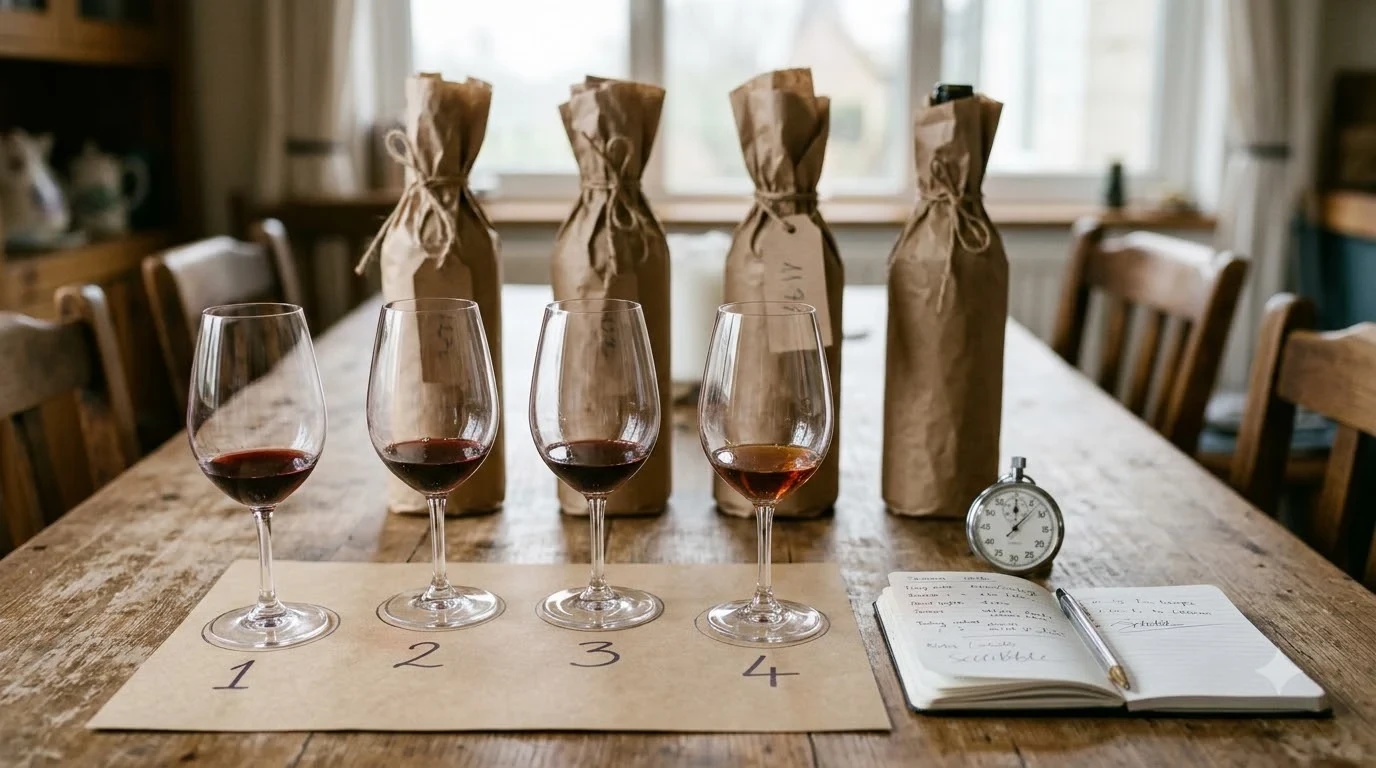

We may earn a commission when you buy through links on this page, at no extra cost to you. Learn more.
Madeira vs Marsala comes down to origin and style: Madeira is a fortified wine from the Madeira Islands of Portugal that is deliberately heated and oxidised, while Marsala is a fortified wine from the area around Marsala in Sicily, Italy. Both are fortified with a distilled spirit, but their production methods give them very different flavors. Madeira tends to be sharp and nutty in its drier forms, while Marsala ranges from savory to sweet depending on its style.
This guide explains what each wine is, how it is made, how the two compare on flavor, and where each one fits in the kitchen. If you are standing in a wine shop or planning a recipe, the sections below will help you choose the right bottle.
What Are Madeira and Marsala?
Madeira and Marsala are both fortified wines, which means a distilled spirit has been added to the wine. Fortified wines have a long history, and the practice was originally tied to preserving wine during long trips. Today the addition of spirit is mainly a style choice, and it helps define the character of each wine.
Madeira comes from the Madeira Islands off Portugal. It is made in a range of styles, from dry wines that can be sipped as an aperitif to sweeter wines that are usually served with dessert. Marsala is a wine from Sicily that exists in both fortified and unfortified versions, but only the fortified wine is blended with brandy for the Marsala name in its classic forms. According to the Marsala wine entry on Wikipedia, the wine takes its name from the port town of Marsala on the island.
Many American shoppers know both wines mainly from recipes rather than from the glass. That is a useful starting point, because each wine has a clear identity that shows up in cooking. Madeira often appears in pan sauces and glazes, while Marsala is the classic base for many Italian-American dishes.
How Madeira and Marsala Are Made
The production process explains most of the difference between these two wines. Madeira is intentionally heated and oxidised as part of its maturation, which gives it distinctive flavors and an unusually long life once a bottle is opened. That deliberate heat and air exposure is the defining step for Madeira, and it is not something that happens by accident.
Marsala is made using a process called in perpetuum, which is similar to the solera system used for sherry in Jerez, Spain. Fortified Marsala is blended with brandy and aged in a way that raises the alcohol level and keeps the character of older wine in the blend. The wine is classified by color, sweetness and aging. Fine Marsala must be aged at least one year, Superiore at least two years, and the oldest categories at least five or ten years depending on the label.
The grapes and regions also differ. Marsala is produced using white grapes such as Grillo, Inzolia and Catarratto, among others, and red grape varieties appear in the ruby style. Madeira is made from its own island vineyards, and the style depends on the grape and the level of sweetness the producer chooses. Check the bottle label for the style name, age statement and sweetness level, since those details tell you more than the region alone.
Flavor Profile: Madeira vs Marsala
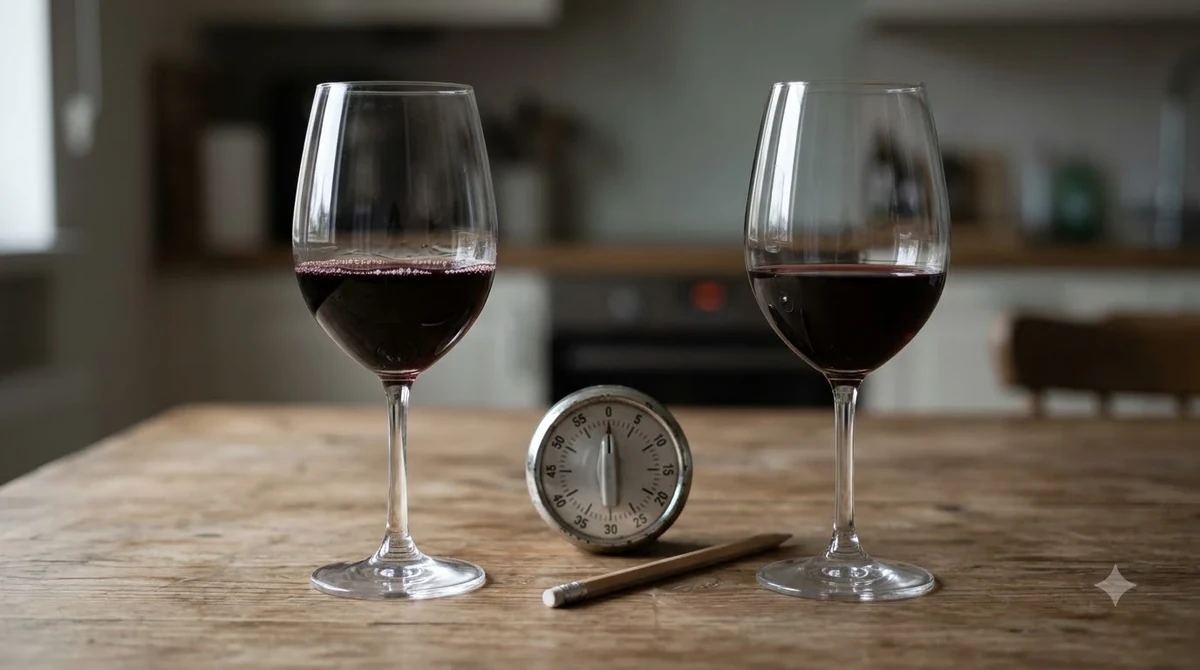
Madeira and Marsala both show oxidative, nutty and caramel notes, but they feel different in the mouth. Madeira usually has a sharper acidity and a dry, saline snap in its lighter styles. Marsala tends to be rounder and softer, with a range of dried fruit, toasted nut and smoky character depending on how it was aged.
| Feature | Madeira | Marsala |
|---|---|---|
| Country and region | Madeira Islands, Portugal | Marsala area, Sicily, Italy |
| Typical flavor | Sharp, nutty, often citrusy in dry styles | Rounder, with dried fruit, toast and caramel notes |
| Sweetness range | From dry to sweet | Secco, semisecco or sweet, by sugar level |
| Typical role | Aperitif in dry styles, dessert in sweet styles | Aperitif, cooking wine and dessert wine |
| Key production step | Deliberate heating and oxidation | In perpetuum aging with brandy added |
Sweetness is the easiest way to compare them on the shelf. Dry Marsala is savory and works well alongside salty snacks, while sweet Marsala is rich and suits desserts. Madeira covers a similar span, so the label style is the best guide. Dry styles of either wine can be a surprise if you expect a sweet dessert bottle.
Because both wines are oxidised to some degree, they keep longer after opening than most table wines. That makes them useful for home cooks who want a bottle that will not spoil in a few days. For the chemistry behind these aromas, the review on the flavor chemistry of fortified wines explains how aging and oxidation shape the volatile compounds that make up their aroma.
Madeira vs Marsala in Cooking
In the kitchen, the two wines have overlapping but distinct roles. Dry Marsala is used in savory cooking, where it is often reduced almost to a syrup with onions or shallots before mushrooms and herbs are added. Chicken Marsala, where flour-coated chicken breasts are braised in Marsala, butter, olive oil and mushrooms, is the best-known example.
Madeira fits a similar role in pan sauces and glazes, particularly with meat and mushrooms. Its sharper edge can brighten a rich sauce, and it holds up well when reduced. Sweet Madeira and sweet Marsala both work in desserts, but Marsala is the more familiar choice for Italian sweets such as zabaione, tiramisu and shortcake.
When a recipe calls for one and you only have the other, you can usually substitute with care. Start with a small amount, taste as the sauce reduces, and adjust the sugar level. Cooking with a wine you would not drink is a poor plan, so choose a bottle you enjoy for the best results.
Which Should You Buy and How to Store It
Choose a Marsala if you cook Italian dishes often and want a bottle for sauces and desserts. Choose a Madeira if you prefer a sharper, nutty wine for sipping before a meal or for a pan sauce with a clean finish. Both are good investments for a small bar cart because they hold their character longer than most open bottles.
- Read the label for the style name, sweetness level and age statement before you buy.
- Decide whether the bottle is for sipping or for cooking, and match the sweetness to the use.
- After opening, recork the bottle tightly and keep it upright in a cool place away from direct sun.
- Use a half-empty bottle within a few weeks for the freshest flavor, and taste before cooking with an older bottle.
Storage matters more for fortified wines than many buyers expect. Heat speeds up change in any wine, so a cupboard away from the stove is a better spot than a counter near a sunny window. The manufacturer or importer website is the best place to check specific storage advice for a given bottle.
Food Pairing Tips for Each Wine
Dry Madeira pairs well with olives, salted nuts and aged cheeses, and it can be served slightly chilled as an aperitif. Sweeter Madeira suits dessert, especially dishes with caramel, toasted nuts or dried fruit. Its acidity keeps the sweetness from feeling heavy on the palate.
Marsala is traditionally served as an aperitif between courses in Sicily, and drier styles are often matched with spicy or aged cheeses. Sweet Marsala goes well with pastries and fruit, and it can be served at room temperature. Matching the sweetness of the wine to the sweetness of the dish is the simplest rule to follow.
Both wines are best served in small pours. Enjoy them slowly with food, and drink responsibly, since fortified wines are stronger than most table wines. For more guidance on matching bottles with dishes, the Wine vs Wine section compares styles side by side, and the Madeira vs Port guide covers another fortified pairing for a dessert course.
Frequently Asked Questions
Is Marsala the same as Madeira?
No. Madeira comes from the Madeira Islands of Portugal, while Marsala comes from Sicily, Italy. Both are fortified wines, but they are made with different methods and have different flavor profiles.
Can I substitute Madeira for Marsala in cooking?
Often you can, especially in savory sauces. Madeira has a sharper edge than Marsala, so start with a smaller amount and taste as the sauce reduces. For sweet desserts, match the sweetness level to the recipe.
Which is sweeter, Madeira or Marsala?
Both are made in dry and sweet styles, so the answer depends on the bottle. Check the label for the sweetness term. Marsala labeled sweet has a high sugar level, and sweet Madeira is also rich, so read the style before you buy.
How long does an open bottle last?
Fortified wines keep longer than most table wines once opened, but they still change over time. Recork the bottle tightly, store it in a cool place, and use it within a few weeks for the best flavor. Check the producer’s guidance for specific advice.
Madeira and Marsala are both useful bottles to keep in the cupboard. Start by deciding whether you want a sipping wine or a cooking wine, then choose the style that matches the job. Once you know the basics, you can explore the malbec vs pinot noir comparison or the barolo vs nebbiolo guide for more wine comparisons.
More in Wine vs Wine
 Nero d’Avola vs Pinot Noir: Taste, Body, and Pairing DifferencesUpdated Nov 21, 2026
 Chenin Blanc vs Pinot Blanc: Key Differences in Taste, Acidity, and PairingsUpdated Nov 21, 2026
 Chardonnay vs Shiraz: Key Differences in Taste, Serving, and PairingUpdated Nov 21, 2026
 Chardonnay vs Verdejo: How Spain’s Crisp White Compares to the World’s ChameleonUpdated Nov 21, 2026
 Chardonnay vs Sancerre: Key Differences in Taste, Grapes, and PairingUpdated Nov 21, 2026
 Chardonnay vs Malbec: Key Differences in Taste, Body, and PairingUpdated Nov 21, 2026