

We may earn a commission when you buy through links on this page, at no extra cost to you. Learn more.
Barolo vs Nebbiolo is a comparison of a grape and the wine made from it: Nebbiolo is the grape, and Barolo is a protected red wine from Piedmont, Italy. Barolo must be made only from Nebbiolo, so every Barolo is a Nebbiolo wine, but not every Nebbiolo wine is a Barolo. The difference comes down to place, rules and time in the cellar.
This guide explains how the two terms relate, why Barolo tastes the way it does, and how to choose between a Barolo and other Nebbiolo wines. If you are new to Italian reds, the sections below give you a clear starting point. Each section answers one practical question, so you can read only the parts you need.
What Is Nebbiolo?
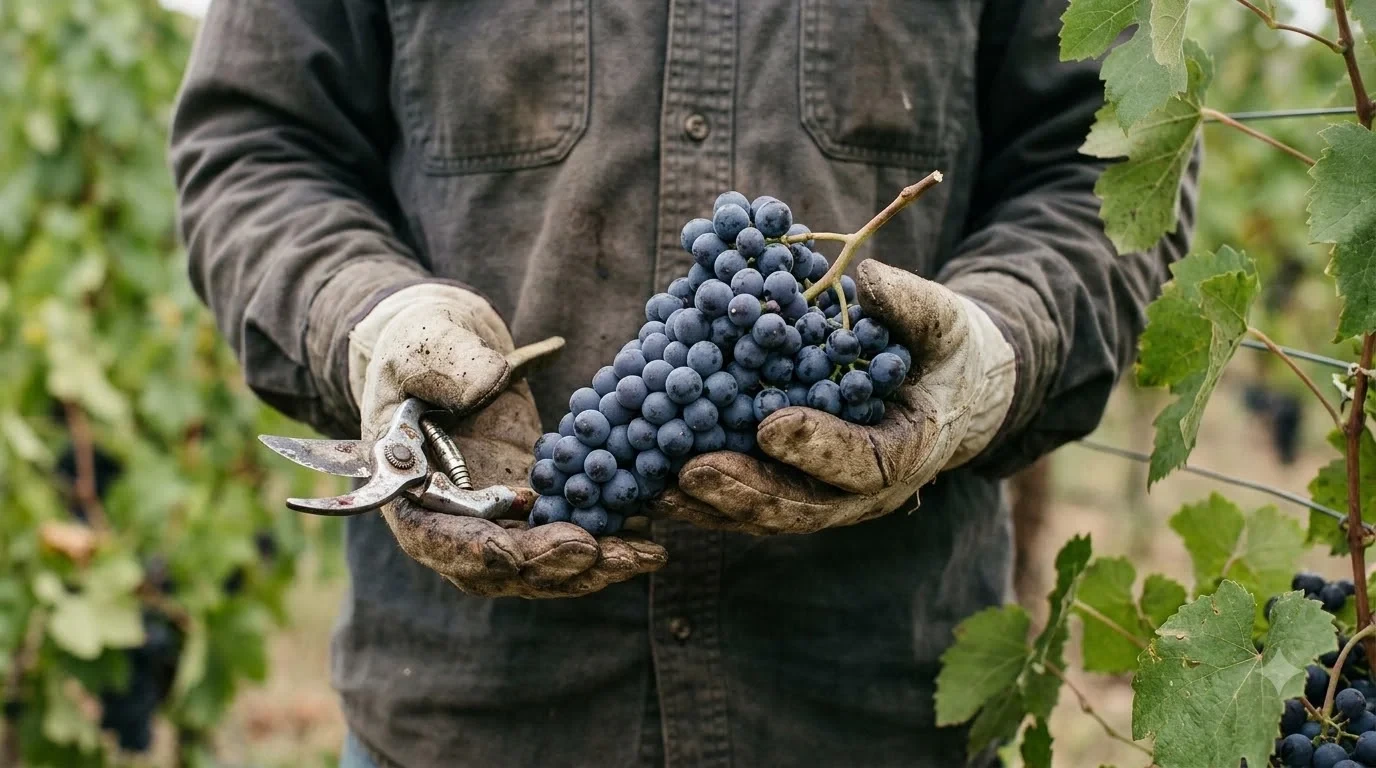
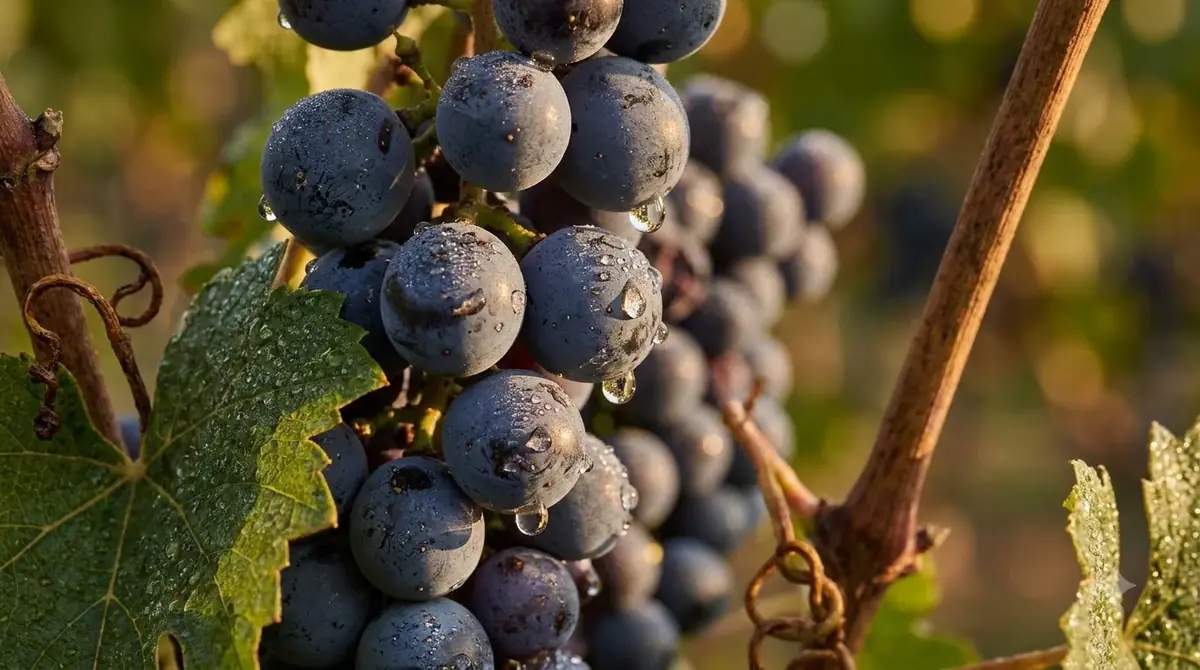
Nebbiolo is a red grape variety. It is the only grape used in Barolo, and it also makes Barbaresco and other wines in northern Italy. The grape ripens late and is sensitive to climate, so growers need the right site to get good results. That sensitivity is one reason the grape is so closely tied to its home ground.
The Vinissimus guide to Barolo describes Nebbiolo as a grape that needs plenty of sun but not excessive heat, along with calcareous soil. Those conditions are hard to find, which is why the grape rarely reaches the same level outside Piedmont. When you see Nebbiolo on a label from another region, expect a different style.
In the glass, Nebbiolo usually shows high acidity and firm tannins. Its color can look lighter than its structure suggests. Many people are surprised that a pale-looking red can be so firm and long-lived. Treat the color as a poor guide to how much time the wine needs.
What Is Barolo?
Barolo is a named wine with legal rules, not just a style of Nebbiolo. It comes from the Langhe hills around the town of Barolo in the Piedmont region of northern Italy. The wine holds DOCG status, which is the highest quality classification in Italy. That status signals that the wine follows a detailed production document.
The rules are strict. Barolo can only be produced from Nebbiolo, and the production area is set by law. Oversight is shared by national authorities and the local consortium that protects the appellation. These controls explain why a bottle labeled Barolo carries a predictable identity. You can rely on the name to tell you where the wine was made and what grape went into it.
Barolo vs Nebbiolo: Key Differences
The simplest way to think about it is that Nebbiolo describes what is in the bottle, while Barolo describes where it was grown, how it was made and how long it was aged. A Nebbiolo wine from outside Barolo can be lighter, younger and different in style. A Barolo has to meet the full set of requirements before it can carry the name.
| Point | Nebbiolo (the grape) | Barolo (the wine) |
|---|---|---|
| What it is | A red grape variety | A DOCG red wine with legal rules |
| Grape source | Any Nebbiolo vineyard | Nebbiolo only, from the designated Barolo area |
| Region | Grown in Piedmont and elsewhere | Produced in the Langhe hills of Piedmont |
| Aging | Set by the winemaker | Required by the DOCG specification |
| Typical use | Name on wines that may be young and fresh | Serious, structured wine for the table and cellar |
Another useful point is the relationship with Barbaresco. The Barbaresco entry on Wikipedia notes that the two wines are made from the same grape in neighboring areas. Barbaresco tends to soften earlier, while traditionally made Barolo usually needs more time to show its full character. Comparing the two helps you see how place shapes the same grape.
Because of these differences, a Nebbiolo wine is not automatically a smaller version of Barolo. Read the label carefully. A bottle that says Barolo tells you the legal rules were followed. A bottle that only says Nebbiolo tells you about the grape alone, and the style can vary widely.
Taste and Aging Profile
Barolo is known for a serious, reserved style when it is young. It can seem restrained at first, especially to drinkers used to fruit-forward reds. Its tannins and acidity need time to settle, so the wine often rewards patience. Plan to open a young bottle with food and give it time in the glass.
As Barolo matures, its aromas change. Younger bottles often show cherry and dried flower notes. Older bottles may develop tobacco, leather, mushroom and truffle notes. Reviewers often describe this shift as one of the wine’s defining traits, and it is a good reason to keep a few bottles for several years.
The legal aging rules set a clear minimum. According to the Great Italian Food Trade overview of Barolo PDO, Barolo must age for at least 38 months, with at least 18 of those in wood. The Riserva category requires a longer minimum, so check the label for that term before you decide how long to keep a bottle.
Minimum aging is only a starting point. Many Barolos are still young when they reach the market. Some producers choose traditional long fermentations and large old barrels, while others use shorter macerations and smaller barrels. Both approaches are recognized within the same appellation, so the producer’s style matters as much as the year on the label.
Food Pairing Recommendations
Barolo works best with food. Its tannins and acidity can overwhelm a dish that is light or simple, but they balance rich, savory foods well. Matching the wine’s weight to the food is the most reliable rule. A heavier wine needs a heavier dish, and a delicate dish will be lost next to it.
- Red meats and game, especially slow-braised beef
- Aged cheeses with a firm, savory character
- Mushroom dishes, including porcini
- Truffle-based dishes, where the earthy notes complement the wine
- Dry desserts with dark chocolate
Serving temperature and aeration matter too. The Great Italian Food Trade guide suggests serving Barolo at 16 to 18 degrees Celsius and decanting, especially young bottles. Pour into large glasses so the wine can open. If you want more matching ideas, the cabernet sauvignon vs syrah comparison shows how other full-bodied reds handle similar dishes.
How to Buy and Store Barolo
Choose a Barolo by checking the label, the vintage and the producer’s style. The label must show the year of the grape harvest. Some labels also name a vineyard or an additional geographical mention, which points to a specific site. Those details help you compare bottles from the same year.
- Confirm the label says Barolo, not only Nebbiolo, if you want the DOCG rules.
- Check the vintage, since weather affects quality from year to year.
- Look for a Riserva term if you plan to age the wine for a long time.
- Read producer notes for a traditional or modern style.
- Store the bottle on its side in a cool, dark place with steady temperature.
Check the alcohol level and the producer’s technical sheet if you want more detail. Barolo must reach a minimum alcohol level, so it is generally a full-strength red. Drink it in moderation and with food, and plan your bottles around the occasion rather than the price tag.
Frequently Asked Questions
Is Barolo the same thing as Nebbiolo?
No. Nebbiolo is the grape, and Barolo is a specific wine made only from that grape in a defined area of Piedmont. Every Barolo is a Nebbiolo wine, but many Nebbiolo wines are not labeled Barolo.
Why does Barolo need so many years before drinking?
Barolo has firm tannins and high acidity when it is young. The legal rules require a long minimum aging period, and many bottles improve with more time. Opening a young bottle too early can make it taste closed and severe.
Can Nebbiolo be grown outside Piedmont?
Nebbiolo can be planted elsewhere, but it is sensitive to climate and soil. Sources note it rarely reaches the same level outside Piedmont. Look at the label to see where the grapes were grown.
What should I drink if I like Barolo but want something lighter?
Consider a Nebbiolo wine from outside the Barolo zone or a Barbaresco, which often softens earlier. Other Italian reds can also offer a gentler style. Check the producer notes and the vintage before you buy.
Barolo and Nebbiolo are best understood as a grape and a protected wine built from it. Once you know the rules, the label becomes much easier to read. To compare more red wine styles, visit the Wine vs Wine section for side-by-side guides.
More in Wine vs Wine
 Nero d’Avola vs Pinot Noir: Taste, Body, and Pairing DifferencesUpdated Nov 21, 2026
 Chenin Blanc vs Pinot Blanc: Key Differences in Taste, Acidity, and PairingsUpdated Nov 21, 2026
 Chardonnay vs Shiraz: Key Differences in Taste, Serving, and PairingUpdated Nov 21, 2026
 Chardonnay vs Verdejo: How Spain’s Crisp White Compares to the World’s ChameleonUpdated Nov 21, 2026
 Chardonnay vs Sancerre: Key Differences in Taste, Grapes, and PairingUpdated Nov 21, 2026
 Chardonnay vs Malbec: Key Differences in Taste, Body, and PairingUpdated Nov 21, 2026