

We may earn a commission when you buy through links on this page, at no extra cost to you. Learn more.
Nebbiolo wine is a red made from the Nebbiolo grape, grown mainly in Italy’s Piedmont region, and it is known for pale color, high acidity, and very firm tannin. The same grape makes Barolo and Barbaresco, two of Italy’s most serious reds, as well as the lighter, earlier-drinking Langhe Nebbiolo. Its structure is big even though the glass looks light.
Nebbiolo can be confusing at first. Many people expect a dark, heavy red because of its tannin, then pour a glass that looks closer to Pinot Noir. This guide explains what the grape tastes like, where it grows, how the main styles differ, and how to serve it so the wine shows its best side.
What Nebbiolo tastes like
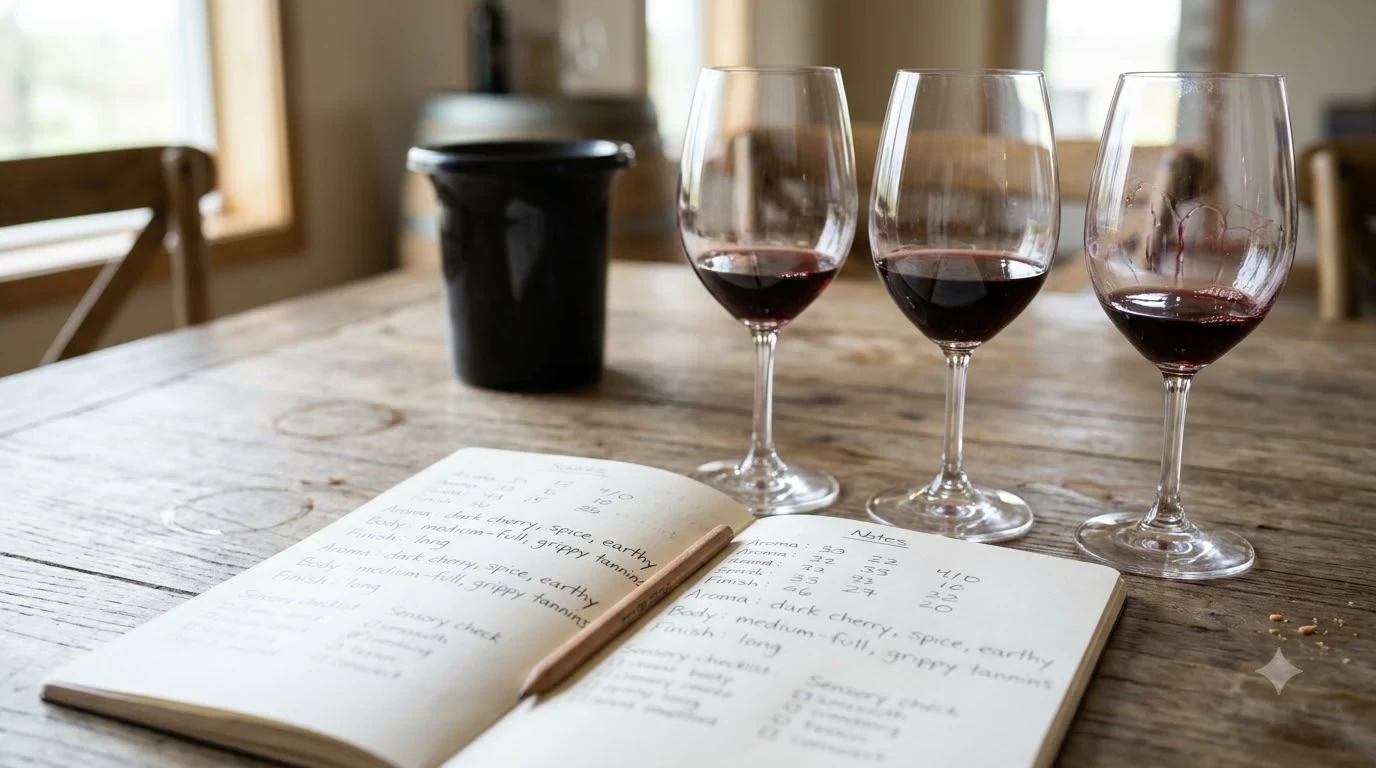
Nebbiolo is known for a striking mix of light color and strong structure. The wine is pale garnet, but it carries high acidity and high tannin at the same time. That combination is rare among major red grapes and is the reason young bottles can feel tight and grippy.
The aroma is usually floral and fruity at first. Young wines often show rose, cherry, raspberry, and herbal notes, with a hint of anise. In cooler vintages, the fruit can give way to sour cranberry, rose hip, and a dusty, mineral edge. With age, many bottles move toward leather, dried flowers, truffle, and forest floor.
The wine’s tannin is often described as leathery and gripping. It can feel as if it dries the inside of your mouth, which is why the grape pairs best with rich food and why many producers age their wines for years before release.
| Stage of the wine | Common aromas | What you notice in the mouth |
|---|---|---|
| Young | Rose, sour cherry, raspberry, anise | Firm tannin, high acidity, lively fruit |
| Mid-age | Dried flowers, tar, spice | Tannin softens, structure feels more balanced |
| Mature | Truffle, leather, dried fig, forest floor | Silky texture, fruit fades into earthy notes |
Where Nebbiolo grows
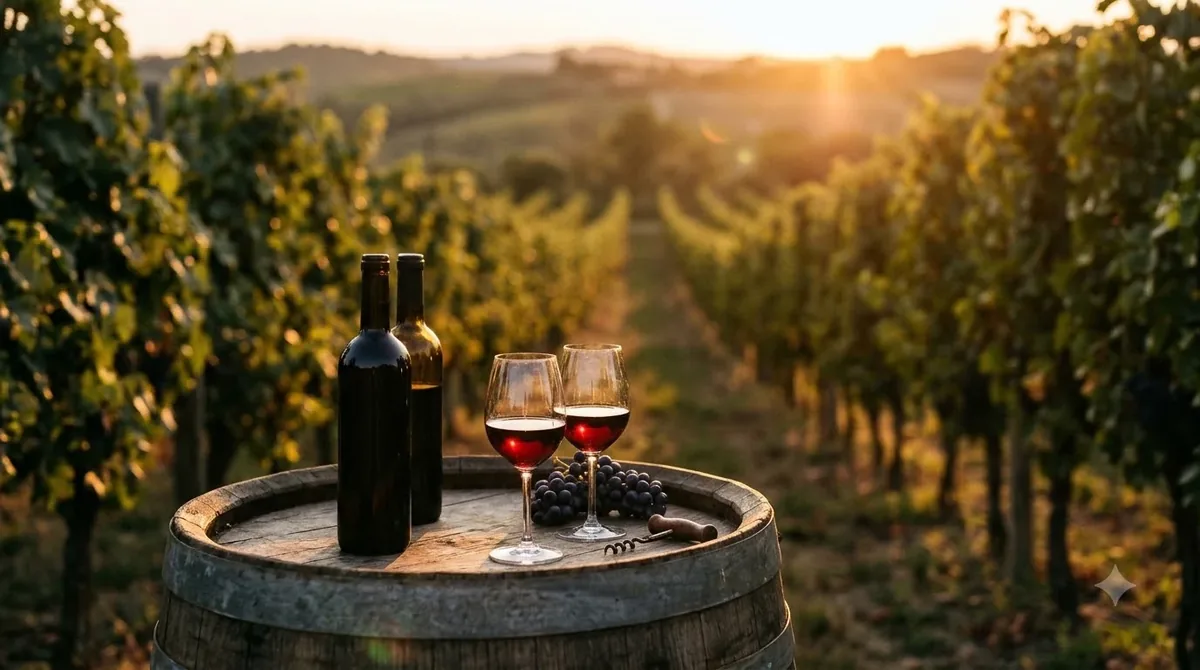
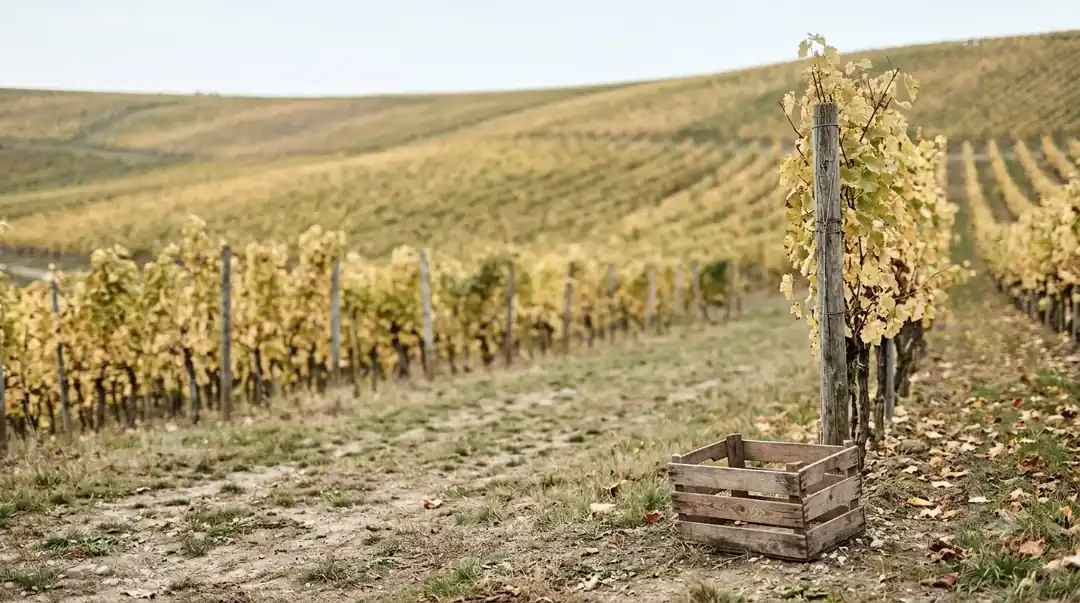
Nebbiolo is grown mostly in northwest Italy, with Piedmont as its heartland. The grape does best on high, cool slopes where the growing season is long and the fruit ripens slowly. The best-known wines come from the Langhe hills, where Barolo and Barbaresco are made, but the grape also grows farther north and into Lombardy.
Each area gives the grape a different character. Wines from the Roero, north of Barolo, tend to be softer. In northern Piedmont, Ghemme and Gattinara are lighter and sometimes compared with red Burgundy, and in Lombardy the grape is known locally as Chiavennasca. Local names can differ, so reading the producer and the appellation on the label helps you know what is in the bottle.
Barolo, Barbaresco, and Langhe Nebbiolo
Barolo and Barbaresco are protected appellations, and their red wines must be made entirely from Nebbiolo. Langhe Nebbiolo is a broader denomination that covers wines from the same hills, often made from younger vines or from fruit that is not used for the top bottlings. Because of that, it is usually the most approachable way to taste the grape.
The main difference between Barolo and Barbaresco is firmness and aging. Barolo is generally the firmer and more structured of the two, with tar, truffle, and spice developing with time. Barbaresco is described as finer and more perfumed, and it often opens a little sooner.
| Style | Minimum aging before release | Typical character |
|---|---|---|
| Langhe Nebbiolo | Depends on the producer and denomination | Rose, cherry, herbs, easier to drink young |
| Barbaresco | At least 26 months, including time in wood | Finer tannin, perfumed, opens sooner |
| Barolo | At least 38 months, including time in wood | Firmest and most structured, tar and truffle with age |
Wine-focused writers often suggest starting with Langhe Nebbiolo to learn the grape’s style. Wine Folly’s guide to Nebbiolo describes the grape’s pale color, high tannin, and aging pattern in detail, and it is a useful next read once you have tasted a few bottles.
Tannin, acidity, and aging
Tannin and acidity drive how Nebbiolo ages. The tannin softens slowly, and the acidity keeps the wine fresh long after the fruit has faded. A young bottle can taste closed or austere, while a mature bottle often shows a silky texture and a long, savory finish.
Because of this, decanting matters. Sommo’s comparison of Nebbiolo, Barolo, and Barbaresco suggests decanting a young, structured bottle for one to three hours, while other guides give a shorter window of about 45 minutes to two hours. Older bottles need gentler handling, and many experts advise standing them upright before opening so the sediment settles.
How to serve Nebbiolo
Serve Nebbiolo a little cooler than most reds. The Sommo guide gives a serving range of 16 to 18 degrees Celsius, which is slightly cool room temperature. A large glass gives the wine room to open, and swirling it helps release the floral and red fruit notes.
- Stand an older bottle upright before opening so the sediment can settle.
- Open a young, firm bottle early and decant it for one to two hours.
- Pour a small amount and wait a few minutes before judging the wine.
- Serve at about 16 to 18 degrees Celsius in a large glass.
Food pairings for Nebbiolo
Nebbiolo needs food with enough fat and protein to soften its tannin. Rich beef, braised meats, and roast duck are classic choices. Lighter Langhe Nebbiolo also works with mushroom pasta, roast pork, cured meats, and hard cheeses such as Parmigiano Reggiano.
Earthy dishes are a natural match. Truffle, wild mushroom, and aged cheese bring out the grape’s savory side, while bright tomato sauces can sharpen the wine’s acidity. Keep sweet sauces and very spicy dishes on the side, because they can make the tannin feel harsher.
A simple meal can show the wine well. A plate of mushroom tagliatelle with butter and Parmigiano Reggiano, or a slow-braised beef dish with root vegetables, gives the tannin enough fat to soften while letting the cherry and herb notes come through. For a casual evening, a Langhe Nebbiolo with salumi and hard cheese is an easy way to share a bottle without a formal menu.
When you pair, aim for balance rather than contrast. Nebbiolo is already structured, so the food should bring richness and savory depth rather than extra bite. Once you find a dish that works, keep it in mind for the next bottle, because the same match usually works across different vintages and producers.
Frequently Asked Questions
Is Nebbiolo a light or heavy red wine?
It is both. The color is pale, close to Pinot Noir, but the tannin and acidity are high, so the wine feels firm and structured on the palate. It is best treated as a serious food wine rather than a light sipper.
What is the difference between Barolo and Barbaresco?
Both are made from Nebbiolo in the Langhe hills of Piedmont. Barolo is usually firmer, needs longer aging, and shows more tar and truffle with time. Barbaresco is typically finer and more perfumed, and it generally opens sooner.
Should I decant Nebbiolo?
Usually yes, especially for young bottles. Decanting softens the tannin and lets the aromas open. Older bottles can be decanted more briefly, and they should be handled gently so the delicate aromas do not fade.
What is Langhe Nebbiolo?
Langhe Nebbiolo is a wine made from Nebbiolo in the Langhe area of Piedmont under a broader denomination than Barolo or Barbaresco. It is typically lighter and easier to drink young, so it is a good way to learn the grape before trying the top wines.
Nebbiolo rewards patience and good food. Start with a Langhe bottle to learn the grape’s style, then move to Barbaresco or Barolo when you want more structure. For more on the family of wines this grape belongs to, browse wine by type, or compare it with a red that many drinkers already know, such as cabernet sauvignon wine.
More in Wine Types & Grapes
 Zinfandel Sugar Content: Dry Red vs. White Zinfandel GramsUpdated Nov 21, 2026
 Best Zinfandel Substitute Options for Sipping and CookingUpdated Nov 21, 2026
 Zweigelt Food Pairing: Best Dishes, Cheeses, and Serving TipsUpdated Nov 21, 2026
 Zinfandel Tannins Explained: How Structure Shapes Every BottleUpdated Nov 21, 2026
 Zinfandel Sweetness Level: Dry Red vs. Sweet White Zin ExplainedUpdated Nov 21, 2026
 Xinomavro Food Pairing: Best Dishes, Styles, and Serving TipsUpdated Nov 21, 2026