

We may earn a commission when you buy through links on this page, at no extra cost to you. Learn more.
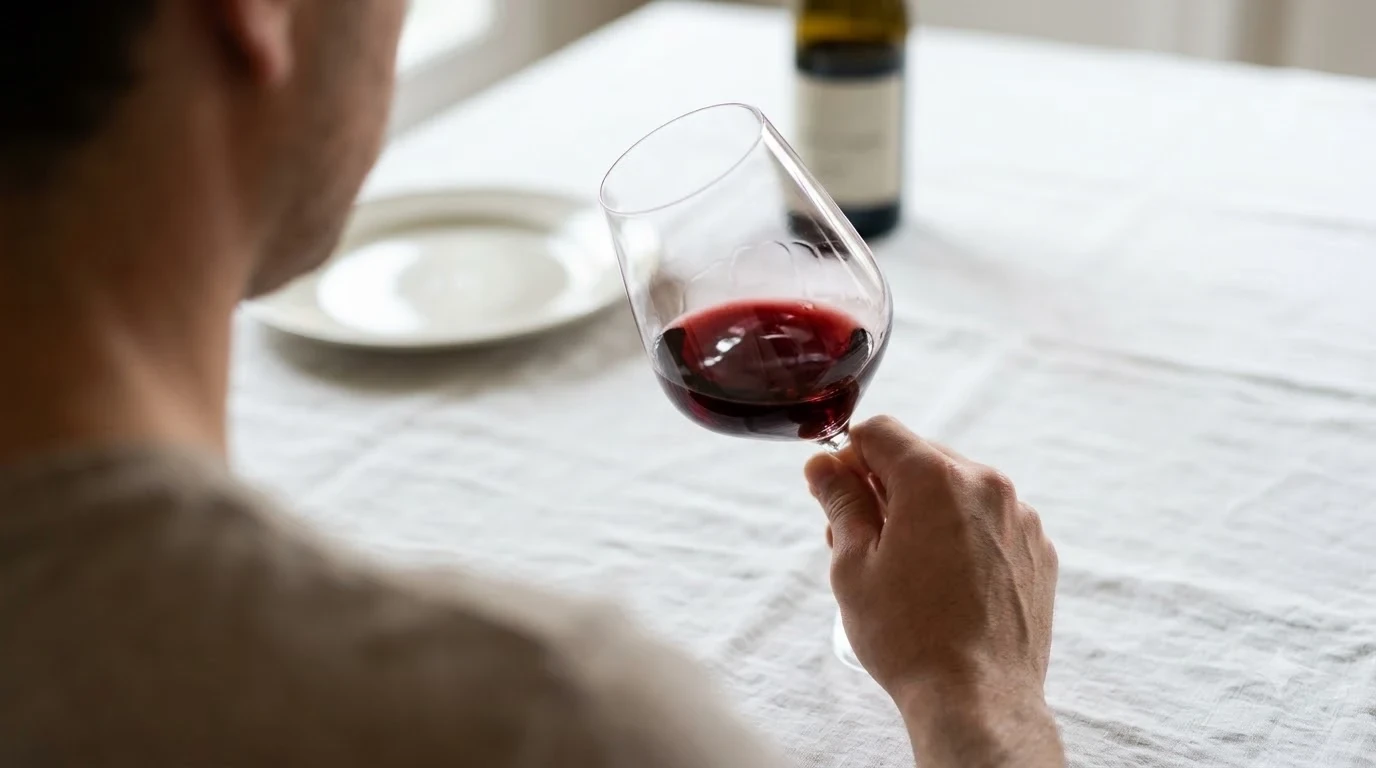
Cabernet Sauvignon vs Syrah comes down to structure versus fruit-forward spice: Cabernet is usually firmer and more tannic, while Syrah tends to be fuller, peppery and more variable by climate. Both are bold red wines, so they often sit side by side on restaurant lists and store shelves. Knowing how they differ helps you pick the right bottle for your taste and your dinner.
This guide compares the two grapes on flavor, tannin, acidity, body, regional style, food pairing and serving. It is written for American shoppers who want a clear answer before they buy. Along the way you will see how the same grape can taste very different depending on where it was planted and how the winemaker handled it.
What Are Cabernet Sauvignon and Syrah?
Cabernet Sauvignon is a black grape that the University of California, Davis describes as the pre-eminent grape of Bordeaux. It is widely blended and also bottled on its own, which is why you will find it on nearly every wine list. Syrah, also called Shiraz, is a dark-skinned grape used mainly for red wine. Genetic work cited by Wikipedia places its parents in southeastern France.
The names matter when you shop. In the United States, the bottle usually says Syrah for the French-style approach, while Shiraz often signals an Australian-style wine. The grape is the same, but the style on the label can hint at what is in the glass. Reading the region on the label tells you even more than the grape name does.
Flavor Profile Differences
Cabernet Sauvignon typically shows dark fruit such as blackcurrant and cassis, often with cedar, graphite or herbal notes in cooler sites. The grape’s thick skins give it deep color and a firm structure that rewards aging. Many wines are softened by oak barrels, which adds vanilla and spice to the fruit.
Syrah is known for dark berry fruit, black pepper and a floral lift. Source material describes aromas that range from violets to blackberry, with coffee, chocolate and smoky notes appearing as the wine ages. Cooler regions tend to give savory, peppery wines, while hot regions produce jammier fruit with licorice and earthy leather notes.
If you like a wine that smells of pepper and flowers before it tastes of fruit, Syrah will likely feel familiar. If you prefer a wine with cassis and a cedar note that lingers, Cabernet is the closer match. Many drinkers move between the two once they know which profile they prefer.
Tannin, Acidity, and Body Compared
Both wines are usually full-bodied, but Cabernet Sauvignon often feels more structured. Its tannins are firm and can feel drying until the wine has time in the bottle. Syrah also has high tannin in many examples, though warm-climate versions often feel softer and rounder on the palate.
Acidity works differently in each case. Cabernet keeps its structure through aging, and its acidity helps balance the grip of the tannin. Syrah often has enough acidity to age well in many regions, though the fruit can feel richer and more generous on the palate.
For a practical test at the table, pay attention to how your mouth feels after a sip. A drying, grippy finish points toward Cabernet or a cool-climate Syrah. A rounder, fruit-heavy finish usually points toward a warm-climate Syrah or Shiraz.
| Trait | Cabernet Sauvignon | Syrah |
|---|---|---|
| Typical fruit | Blackcurrant, cassis | Blackberry, blueberry |
| Signature aroma | Cedar, herbs, graphite | Black pepper, violets |
| Tannin | Firm and structured | High in cool sites, softer when warm |
| Body | Full | Full to very full |
| Aging potential | Often very long | Good, especially northern Rhône style |
Tip: Check the label for the region. Climate often shapes the wine more than the grape name does.
Regional Styles: Bordeaux, Napa, Rhône, and Australia
Regional style is the biggest reason two bottles of the same grape can taste different. Cabernet Sauvignon is the dominant grape of the Médoc on Bordeaux’s Left Bank, where gravel soils support firm wines. Many Bordeaux blends add Merlot and Cabernet franc. California’s Napa Valley is a leading site for varietal Cabernet, and the grape also thrives in warm, moderated climates.
Syrah shows its range across regions. The northern Rhône, including Hermitage and Côte-Rôtie, makes structured, peppery wines. Australian producers label the grape Shiraz, and warm areas such as the Barossa Valley often produce riper, fuller bottles. Washington and Oregon also make Syrah in a range of styles.
When you shop, match the region to the style you want. A Bordeaux-style Cabernet from the Left Bank will usually be more austere than a warm Napa bottle. A northern Rhône Syrah will be more savory than a Barossa Shiraz from a hot vintage.
Food Pairing Guide
Cabernet Sauvignon pairs well with rich, savory dishes where its tannin can cut through fat. Grilled steak, lamb with herbs, aged cheddar and mushroom dishes are classic matches. The wine’s firm structure can also stand up to a hearty stew.
Syrah suits smoky and spiced foods. Grilled sausages, barbecue ribs, roast pork and dishes with black pepper or cumin often work well. The wine’s peppery edge complements these flavors, and softer warm-climate versions can handle sweeter sauces.
When in doubt, match the intensity of the dish to the intensity of the wine. Light dishes get overwhelmed by either grape, so save these bold reds for hearty plates. Salt and fat in a dish soften tannin, which is why a steak and Cabernet often feel balanced together.
Price and Value When Buying
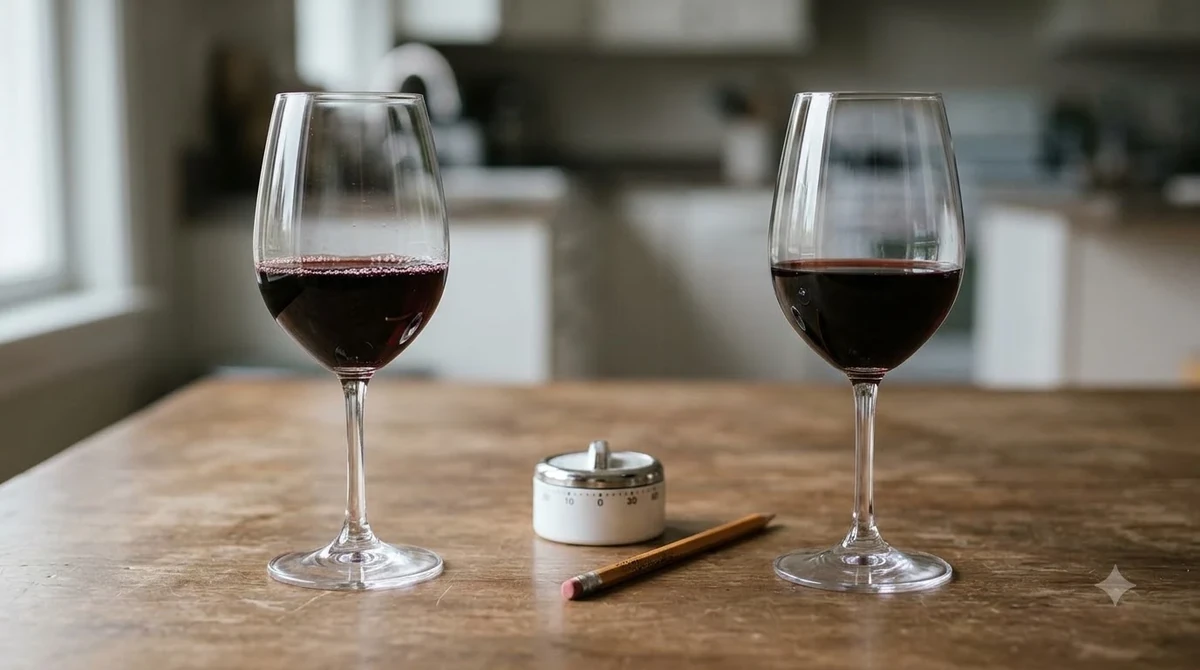
Price varies widely for both grapes, and the region and producer often matter more than the variety. Cabernet Sauvignon is one of the most widely planted and bought wines in the United States, which gives shoppers many options. Syrah can offer good value from regions where it is widely grown.
Compare bottles by region and style rather than by grape alone. Reviews from established critics and the producer’s technical notes can help you judge fit. Shop with a clear budget and a plan for the meal you want to serve.
A good value often comes from a region that is known for the grape but less famous in the market. Ask a wine shop staff member which bottles match the style you want, and check the vintage notes if the label includes them.
Serving Temperature and Storage Tips
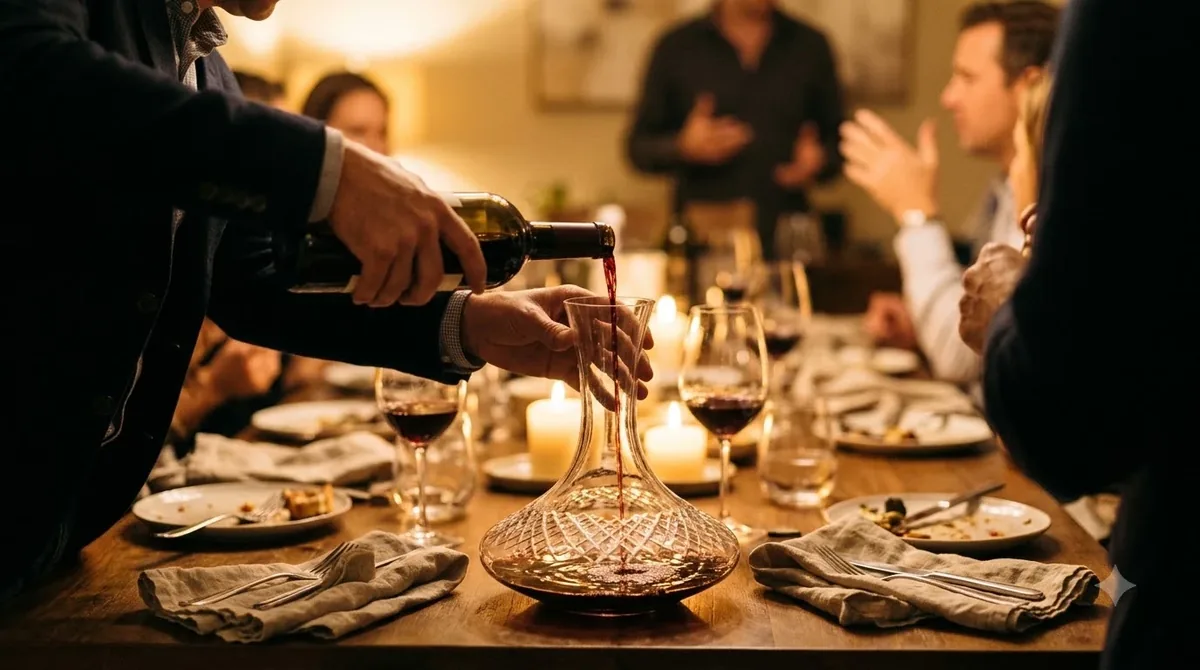
Serve both wines slightly below room temperature. One source cites 18 °C (65 °F) as a recommended serving temperature for Syrah, which is a good guide for most bold reds. Chill the bottle briefly if the room is warm, and open it about 30 minutes before serving so the aromas can open up.
Store bottles on their side in a cool, dark place with steady temperature. Wines with firm tannin, including many Cabernets and structured Syrahs, benefit from bottle aging. Check the producer’s note for drinking windows. Drink responsibly and pace your glasses with food.
Which Wine Should You Choose?
Choose Cabernet Sauvignon if you like firm structure, dark fruit and dishes such as steak or aged cheese. Choose Syrah if you prefer peppery spice, fuller fruit and smoky or barbecued foods. Warm-climate Syrah is softer and fruit-forward, while cool-climate Syrah is more savory and restrained.
If you enjoy Cabernet and want to explore a similar pairing, read cabernet sauvignon vs shiraz for a closer look at the Australian style. For a broader source on the Bordeaux grape, see the UC Davis chapter on Bordeaux black grapes, which explains how Cabernet Sauvignon became the region’s signature variety. For more comparisons, the Wine vs Wine section covers other popular pairings.
Frequently Asked Questions
Is Syrah the same grape as Shiraz?
Yes, Syrah and Shiraz are the same dark-skinned grape. The name often depends on the country and style. Australian and South African wines usually use Shiraz, while many European and American wines use Syrah.
Which is more tannic, Cabernet Sauvignon or Syrah?
Cabernet Sauvignon is often the firmer and more tannic of the two. Syrah can also be highly tannic in cool regions, but warm-climate versions usually feel softer. The producer and vintage will shape the final feel.
Can I substitute Syrah for Cabernet Sauvignon with dinner?
Often yes, especially with grilled meats and rich sauces. Syrah’s spice works well with barbecue, while Cabernet’s structure suits steak. Pick a bottle that matches the dish’s intensity for the best balance.
Which wine is better for aging?
Both can age well, and Cabernet Sauvignon is known for very long aging in many examples. Good Syrah from the northern Rhône can also develop over many years. Check the producer’s notes for drinking windows before you store a bottle.
Cabernet Sauvignon and Syrah both reward curious drinkers. Start with a style that matches your favorite foods, then compare regions as your taste develops. Enjoy them in moderation and with a good meal.
More in Wine vs Wine
 Nero d’Avola vs Pinot Noir: Taste, Body, and Pairing DifferencesUpdated Nov 21, 2026
 Chenin Blanc vs Pinot Blanc: Key Differences in Taste, Acidity, and PairingsUpdated Nov 21, 2026
 Chardonnay vs Shiraz: Key Differences in Taste, Serving, and PairingUpdated Nov 21, 2026
 Chardonnay vs Verdejo: How Spain’s Crisp White Compares to the World’s ChameleonUpdated Nov 21, 2026
 Chardonnay vs Sancerre: Key Differences in Taste, Grapes, and PairingUpdated Nov 21, 2026
 Chardonnay vs Malbec: Key Differences in Taste, Body, and PairingUpdated Nov 21, 2026