

We may earn a commission when you buy through links on this page, at no extra cost to you. Learn more.
A sweet red blend is a multi-grape red wine crafted with noticeable residual sugar, giving it a smooth, fruit-forward palate and low perceived tannin compared to conventional dry reds. Unlike dry table wines that ferment all grape sugars into alcohol, these bottlings retain anywhere from roughly 10 to over 50 grams per liter of unfermented sugar, placing them anywhere from off-dry to lusciously sweet. Winemakers achieve this balance by halting fermentation early, blending naturally aromatic varieties with ripe dark grapes, or fortifying the wine with grape spirit.
Walking down a retail wine aisle, shoppers encounter dozens of bottles labeled simply as red blends without any indication of whether the liquid inside tastes bone-dry or dessert-ready. Understanding how sugar levels, grape selection, and regional traditions shape a sweet red blend makes it much easier to pick a bottle that matches dinner, dessert, or casual sipping.
What Is a Sweet Red Blend?
At its core, a sweet red blend combines two or more grape varieties into a finished red wine that retains measurable residual sugar (RS) after fermentation. While standard dry red wines contain fewer than 10 grams of residual sugar per liter, off-dry and semi-sweet red blends hold onto enough natural grape sugar to soften astringent tannins and highlight ripe berry flavors.
During standard winemaking, yeast consumes natural grape sugars and converts them into alcohol and carbon dioxide. If a winemaker lets the yeast work until almost no sugar remains, the resulting wine tastes dry. To craft a sweeter profile, cellar teams intervene before fermentation finishes. Chilling the fermentation tank rapidly puts yeast to sleep, leaving behind unfermented sugar alongside a slightly lower alcohol by volume (ABV), often around 9.5% to 13% for still table styles.
Other producers reach the same sensory goal through different cellar methods. In classic fortified traditions, adding neutral grape spirit midway through fermentation stops yeast activity immediately, preserving rich natural sweetness while raising alcohol levels to roughly 19% to 20% ABV. Alternatively, winemakers may ferment base wines to dryness and blend in unfermented grape must or concentrate right before bottling to fine-tune the exact sugar-to-acid ratio.
Wine educators at Wine Enthusiast point out that perceived sweetness does not always equal actual sugar content. Ripe, fruit-forward dry red blends fermented from sun-drenched grapes can taste lush and jammy due to high alcohol and glycerin, even when laboratory measurements confirm less than 9 grams of residual sugar per liter. True sweet red blends pair that ripe fruit character with physical residual sugar on the palate.
Flavor Profile and Major Styles
Sweet red blends span a wide spectrum from lightly off-dry, chillable table reds to fizzy Italian sparklers and dense, barrel-aged fortified wines. Across nearly every style, plush notes of blackberry, black cherry, raspberry jam, plum, and vanilla take center stage, supported by gentle acidity rather than grippy, mouth-drying tannins.
In the United States, the most widely poured category consists of smooth, full-bodied still red blends bottled in an off-dry or semi-sweet style. According to reporting from VinePair, domestic producers frequently combine Zinfandel, Merlot, Syrah, and Petite Sirah—and occasionally aromatic white grapes like Muscat—to create a velvety, approachable profile designed for casual weeknight drinking. Oak aging or toasted oak alternatives often layer hints of mocha, cocoa powder, and sweet baking spice over the dark fruit core.
Sparkling and semi-sparkling sweet red blends offer a brighter, lower-alcohol alternative. Northern Italy produces lightly effervescent styles (often labeled frizzante) that balance cherry and violet aromas with brisk acidity and modest alcohol around 6.5% to 11% ABV. Because carbonation lifts aromas and scrubs the palate, bubbly sweet reds feel refreshing rather than heavy or syrupy.
At the richest end of the spectrum sit traditional dessert and fortified red blends. Appassimento-style wines made from partially dried grapes concentrate natural sugars into flavors of liquid chocolate-covered cherries and dried figs, while fortified blends aged in wooden casks develop complex layers of caramel, roasted hazelnuts, dried plum, and warm spice.
| Style Category | Typical Grapes | Sweetness & Body | Typical ABV | Ideal Serving Temp |
|---|---|---|---|---|
| Off-Dry American Red Blend | Zinfandel, Merlot, Syrah, Petite Sirah | Off-dry to semi-sweet; medium to full body | 10.5% – 13.5% | 55°F – 60°F (13°C – 16°C) |
| Sweet Sparkling Red (Frizzante) | Lambrusco varieties, Brachetto, Malvasia | Semi-sweet to sweet; light body with bubbles | 6.5% – 11% | 45°F – 50°F (7°C – 10°C) |
| Appassimento Sweet Red | Corvina, Rondinella, Molinara | Sweet; rich, velvety full body | 12% – 15% | 55°F – 60°F (13°C – 16°C) |
| Fortified Ruby or Tawny Blend | Touriga Nacional, Touriga Franca, Tinta Roriz | Sweet; dense, warming full body | 19% – 20% | 55°F – 65°F (13°C – 18°C) |
Where Sweet Red Blends Grow
Warm, sun-drenched wine regions excel at producing sweet red blends because generous sunshine ripens grapes fully, building high natural sugar levels and soft, supple skins. California’s Central Valley, Lodi, and North Coast appellations serve as the epicenter for modern American off-dry red blends, where warm daytime temperatures and cool evening breezes preserve both jammy fruit and essential acidity.
Beyond California, cool-to-moderate North American regions also craft expressive semi-sweet red blends. In Michigan’s Traverse Wine Coast and New York’s Finger Lakes, winemakers frequently blend cold-hardy or early-ripening varieties such as Gamay, Pinot Noir, Cabernet Franc, and Merlot in stainless steel tanks to capture bright bramble-berry fruit with a touch of residual sugar.
Europe holds the historical blueprints for multi-grape sweet reds, governed by strict regional appellation rules. Northern Italy’s Emilia-Romagna and Veneto regions specialize in semi-sweet sparkling Lambrusco blends and dried-grape Recioto della Valpolicella, respectively. Farther west in Portugal’s Douro Valley, steep terraced vineyards planted with indigenous varieties like Touriga Nacional, Touriga Franca, and Tinta Roriz supply the fruit for world-renowned fortified blends.
How to Serve Sweet Red Blends
Serving a sweet red blend slightly cooler than room temperature sharpens its natural acidity and prevents the residual sugar from tasting cloying. While dry, tannic reds often open up around 62°F to 65°F, sweet red blends shine when given a brief chill before pouring.
For still off-dry and semi-sweet red blends, aim for a serving window of 55°F to 60°F (13°C to 16°C). Placing a room-temperature bottle in the refrigerator for 25 to 35 minutes brings it right into this sweet spot, tightening up the fruit flavors and keeping the finish crisp. Sparkling sweet reds benefit from an even colder pour at 45°F to 50°F (7°C to 10°C) so the bubbles stay lively and refreshing.
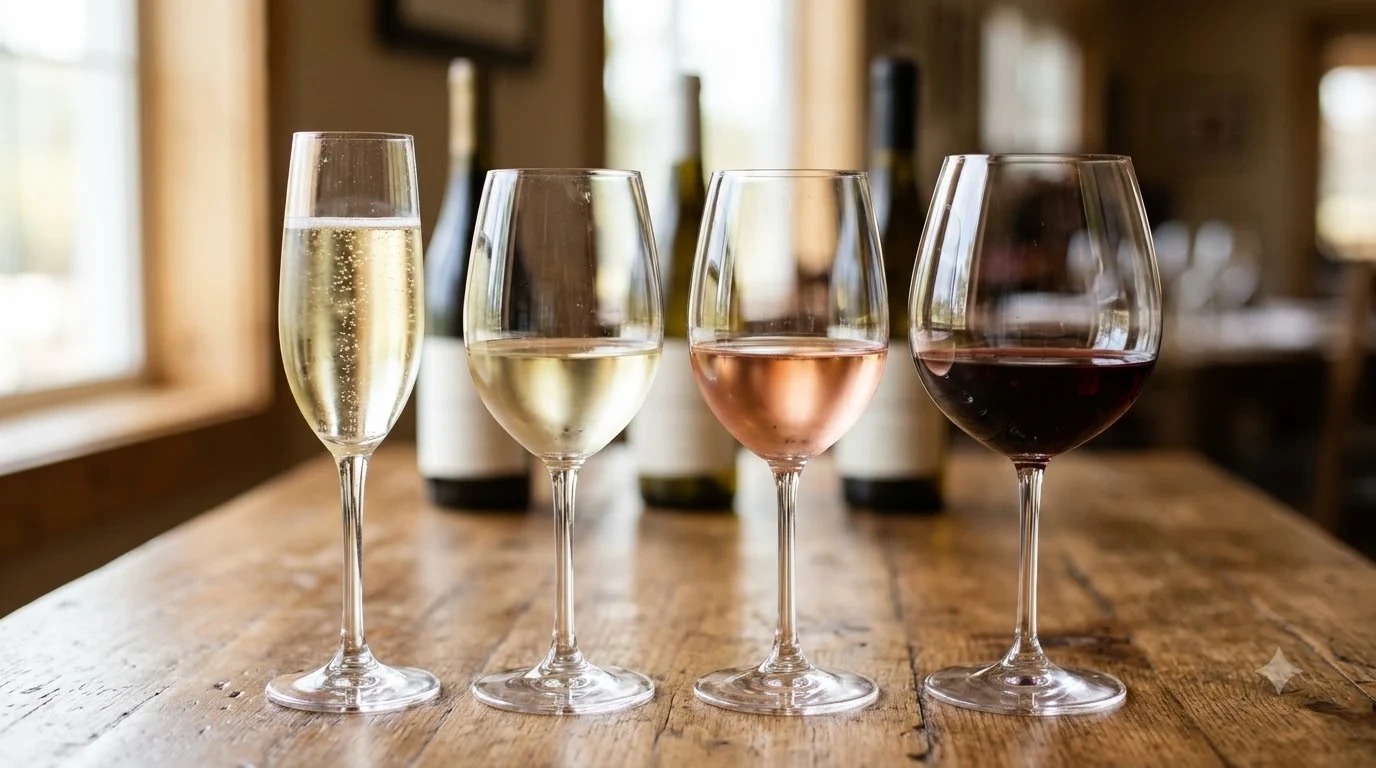
Glassware and storage also play practical roles once the cork is pulled. Standard medium-bowled red wine glasses work well for still sweet red blends, concentrating aromas of dark berries and vanilla without overwhelming the nose with alcohol. Sparkling versions taste best in white wine glasses or tulip flutes that preserve effervescence while still allowing floral aromatics to bloom.
Tip: Because higher sugar and lower alcohol levels help preserve freshness, an opened bottle of still sweet red blend stored tightly recorked in the refrigerator typically stays vibrant for 3 to 5 days, while fortified styles can remain fresh for several weeks.
Food Pairing with Sweet Red Blends
Residual sugar turns a red blend into a versatile partner for foods that make dry, high-tannin wines taste harsh or metallic. When pairing wine with food, matching sweetness to spice, salt, or smoky glaze creates harmony on the palate rather than conflict.
Savory, smoky, and spicy dishes respond remarkably well to an off-dry red blend. Sticky barbecue ribs, pulled pork, sweet-and-sour chicken, and spicy Thai or Szechuan stir-fries all carry heat or caramelized sugars that clash with bone-dry Cabernet Sauvignon. The gentle sweetness in a red blend cools capsaicin heat on the tongue while echoing smoky-sweet sauces, much like a plush sweet merlot does alongside grilled meats.
Cheese boards and charcuterie also benefit from a touch of sweetness in the glass. Salty, sharp aged cheddar, pungent blue cheeses like Gorgonzola or Stilton, and cured prosciutto create a classic salty-sweet contrast against ripe blackberry and plum notes. If you prefer crisp acidity and bubbles with salty appetizers instead, an organic champagne offers a dry counterpoint, whereas a chilled sweet red blend leans into rich, savory comfort.
When serving dessert, follow the golden rule of wine pairing: make sure the wine is at least as sweet as the dish on the plate. Semi-sweet red blends pair effortlessly with dark chocolate bark, chocolate-covered strawberries, berry tarts, and flourless chocolate cake, whereas lighter, fruit-driven dry bottles like an organic pinot noir work better with barely sweet fruit-and-nut courses.
How to Choose a Bottle
Because front labels on American red blends rarely advertise exact residual sugar numbers, learning to read subtle label clues saves you from unexpected surprises at dinner. Checking the back label, alcohol percentage, and grape list will point you toward the exact sweetness level you want.
Start by examining the alcohol by volume (ABV) printed near the bottom of the label. In table wines made from ripe grapes, lower alcohol often signals higher residual sugar because fermentation was stopped before yeast converted all the sugar into alcohol. Bottlings sitting between 9% and 12.5% ABV frequently carry noticeable sweetness, whereas blends pushing 14.5% to 15.5% ABV are usually fermented dry, even if they taste jammy.
Next, scan the back-label tasting notes and grape varieties for sensory cues. Words like “velvety,” “luscious,” “smooth finish,” “jammy,” or “hints of chocolate and vanilla” commonly indicate an off-dry style, while terms like “structured,” “grippy tannins,” and “bone-dry” point toward traditional dry blends. If you want a deeper framework for decoding wine labels across styles, our Wine Buying Guides walk through regional classifications and cellar terms step by step.
For Italian or European bottles, look for official sweetness designations right on the front label. Terms such as Amabile (semi-sweet) and Dolce (sweet) clearly identify sweet styles on Lambrusco and sparkling red blends, taking all the guesswork out of shopping.
Frequently Asked Questions
Is a red blend always sweet?
No, most classic red blends—such as Bordeaux blends, Rhône blends, and California Meritage—are fermented completely dry. However, many popular American grocery-store red blends retain 10 to 30 grams per liter of residual sugar to create a softer, fruit-forward taste. Checking the ABV and back-label tasting notes helps distinguish dry blends from off-dry or sweet bottlings.
What is the difference between a fruity red wine and a sweet red blend?
A fruity red wine smells and tastes of ripe berries, cherries, or plums, yet it contains virtually zero residual sugar and finishes dry on the palate. A sweet red blend combines those ripe fruit flavors with actual unfermented grape sugar left behind after fermentation, giving the wine a noticeably sweet mid-palate and smooth, low-tannin finish.
Should you chill a sweet red blend before drinking it?
Yes, serving a sweet red blend slightly chilled improves its balance and keeps the sweetness from feeling heavy. Still sweet red blends taste best between 55°F and 60°F (about 30 minutes in the fridge), while sparkling sweet red blends shine at 45°F to 50°F.
What grapes are commonly used in a sweet red blend?
American sweet red blends frequently rely on Zinfandel, Merlot, Syrah, Petite Sirah, and Grenache, sometimes accented with aromatic white grapes like Muscat to boost floral notes. In Italy, sweet sparkling and dried-grape red blends commonly feature Lambrusco varieties, Brachetto, Corvina, and Rondinella.
Whether you prefer a lightly chilled California off-dry pour alongside smoky barbecue or a sparkling Italian red with dark chocolate, a well-made sweet red blend delivers approachable fruit and effortless drinkability. Keeping an eye on ABV levels, serving temperatures, and label terminology ensures you bring home the exact style your table calls for.
More in Wine Buying Guides
 Riesling Gift: Choose a Bottle They’ll LoveUpdated Nov 21, 2026
 Sweet Red Wine Gift: Choose a Bottle They’ll LoveUpdated Nov 21, 2026
 Malbec Gift: How to Choose a Memorable Bottle for Any OccasionUpdated Nov 21, 2026
 Sherry Gift Ideas That Match Every Wine LoverUpdated Nov 21, 2026
 Moscato Gift: How to Choose a Sweet Wine They’ll LoveUpdated Nov 21, 2026
 Merlot Gift: How to Choose a Bottle They’ll AppreciateUpdated Nov 21, 2026