

We may earn a commission when you buy through links on this page, at no extra cost to you. Learn more.
Organic pinot noir is pinot noir made from grapes grown without synthetic pesticides, herbicides or fungicides, and USDA Organic bottles also contain no added sulfites. The label rules are more detailed than many shoppers expect. Knowing the difference between a USDA seal, a ‘made with organic grapes’ claim and a simple organic ingredient statement helps you pick the right bottle.
This guide explains what organic pinot noir means in the United States, how certification works for wine, and how organic compares with biodynamic and natural styles. It also covers what organic bottles may taste like, how to read the label, and how to serve and store them. Each section answers one practical question, so you can skim to the part you need.
What Organic Pinot Noir Means
Organic pinot noir starts in the vineyard. The grapes must be grown under organic farming rules, which generally rule out synthetic pesticides, herbicides and fungicides. The winemaking side is a separate question, and that is where sulfites come in. Many shoppers assume the word organic covers everything that happens in the bottle, but the rules split the grape growing from the winery work.
Every fermented wine contains some sulfites that form naturally during fermentation. Organic does not mean sulfite-free. It means the rules limit or ban added sulfites, depending on the category printed on the label. A bottle can be organic in the vineyard and still carry a ‘Contains Sulfites’ warning, so the front label alone does not tell the full story.

How USDA Organic Certification Works for Wine
USDA certification covers two steps: growing the grapes and making the wine. According to the Organic Wine Exchange, the vineyard and the winery are treated as separate processes under the rules, which is why labels can look different from one bottle to the next. A winery may hold one certification and not the other, so the claim on the bottle depends on which steps were certified.
A wine with the USDA Organic seal must be made from certified organic grapes and produced without added sulfites. The Wine Insiders guide to organic wine sulfites explains that naturally occurring sulfites can still appear, and that the ‘Contains Sulfites’ warning applies at 10 ppm or higher. That threshold is the reason some organic bottles still show the warning on the back label.
The Organic Wine Exchange notes that a ‘made with organic grapes’ wine must use organic grapes in the bottle, while the winery may add sulfites up to 100 ppm. Those wines usually do not carry the USDA seal, even when the grapes are organic. Reading the exact wording on the back label is the fastest way to know which rule applies.
Organic vs. Biodynamic vs. Natural Pinot Noir
Organic and biodynamic pinot noir share many farming principles, but they are certified differently. Biodynamic farming is certified through Demeter, and its standards add a whole-farm approach on top of organic methods. Both systems avoid synthetic chemicals in the vineyard, so the differences are mostly about farm design and winemaking choices.
The Natural Grocers article on organic and biodynamic wine describes biodynamic wines as following organic-style practices with extra methods and fewer winery manipulations. It also notes that a biodynamic farm must follow the Demeter standard for a set number of years before it can use the term. That time requirement is one reason biodynamic wines are a separate category from organic ones.
The word natural on a wine label is not the same as a certification. If you want a verified claim, look for a named certifier or the USDA seal. Compare the wording on the bottle rather than relying on the front label alone. A bottle described as natural may or may not share the rules that apply to certified organic wine.
| Label category | Grapes | Added sulfites | USDA seal |
|---|---|---|---|
| USDA Organic | Certified organic | Not permitted; only naturally occurring sulfites | Yes |
| Made with organic grapes | 100% organic grapes | Allowed up to 100 ppm, must be disclosed | No |
| Biodynamic (Demeter) | Grown to Demeter farm standard | Check the label and the producer | Varies |
How Organic Pinot Noir Tastes Compared to Conventional
Taste depends mostly on the vineyard site, the clone, the vintage and the winemaker’s choices. A certified organic label does not guarantee a particular style. Many people still notice differences, especially in fruit clarity and how the wine changes over a few days after opening. Those differences often come from winemaking decisions as much as from farming.
Sources on lower-sulfite wines describe them as offering expressive, pure fruit flavors, but they also need more careful handling. Conventional bottles often include added sulfites as a preservative, which can make them more forgiving after opening. That trade-off is the main practical difference you will notice at the table.
If you enjoy bright, fresh red fruit, an organic bottle from a cool-climate producer may suit you. If you want a wine that tolerates a few days open on the counter, a conventional bottle may be the safer choice. Taste a few styles side by side to learn what you prefer, and keep notes on which bottles you finish while they still taste fresh.
How to Read Labels and Spot Certified Bottles
Start with the front label and then check the back label for the exact claim. The wording matters more than the color of the bottle or the design. Pinot noir is grown in many cool-climate areas, so the region is less important than the certification language. Use the steps below each time you shop.
- Look for the USDA Organic seal if you want the strictest category for organic grapes and winemaking.
- If you see ‘made with organic grapes,’ confirm that the bottle says the grapes are organic and check whether sulfites are disclosed.
- Read the sulfite statement. A ‘Contains Sulfites’ warning appears when levels reach 10 ppm or higher.
- Check for a certifier name, such as a state or regional organic certifier, when a bottle uses organic language without the seal.
- Confirm claims like ‘No Added Sulfites’ on the label, since those statements may require lab analysis.
If you want a broader overview of how bottles are grouped, the Wine Buying Guides section covers label language and shopping habits. Price varies widely, so compare labels rather than assuming a higher cost means a better organic wine. A clear label with a named certifier is often more useful than a long list of marketing claims.
Serving, Pairing and Storage Tips for Organic Pinot Noir
Organic pinot noir works well with dishes that match its lighter body and bright acidity. Roast chicken, salmon, mushroom dishes and herb-rich vegetable plates are common choices. Because pinot noir is a lighter red, it also suits many dishes that feel too delicate for heavier reds.
Store unopened bottles in a cool, dark place. Wine Insiders recommends keeping lower-sulfite bottles around 55 to 60 degrees Fahrenheit for lighter reds, and it advises finishing opened bottles within a day or two. Check the producer’s storage notes for the best guidance, since each bottle can differ in how well it holds up.
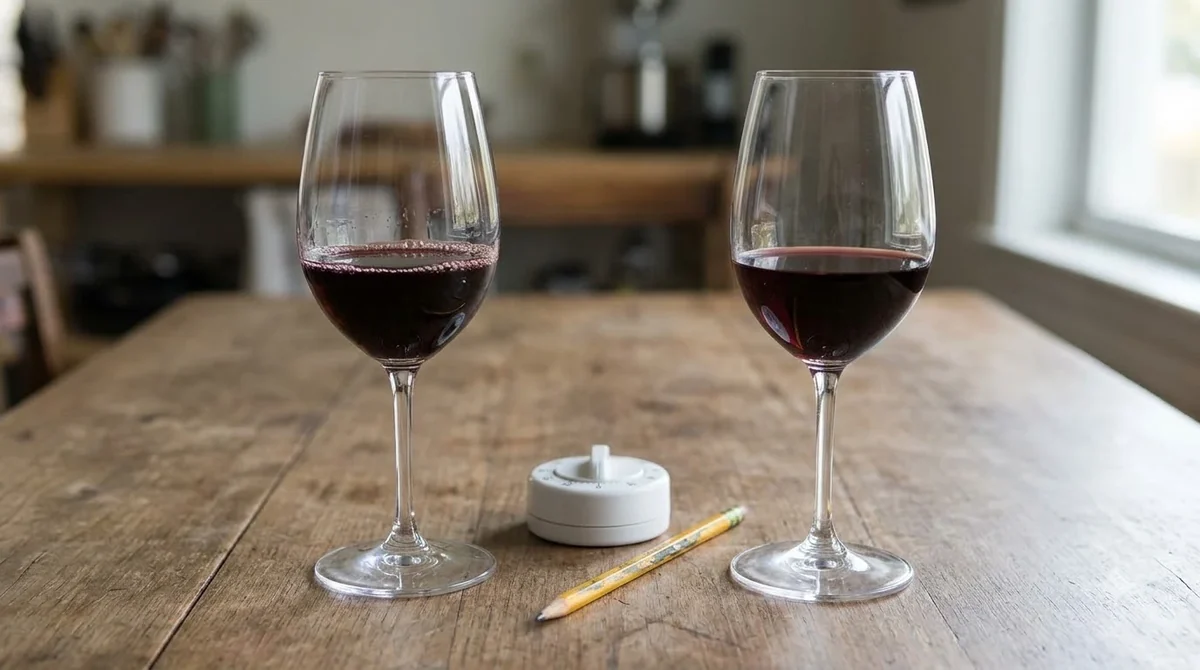
Tip: Pour a small glass first and check the aroma before serving the rest. Organic bottles without added sulfites may fade faster once opened, so a smaller bottle or a half-bottle is a practical choice for a single dinner.
Frequently Asked Questions
Does organic pinot noir have no sulfites at all?
No. All fermented wines contain some naturally occurring sulfites. USDA Organic wines cannot have sulfites added during winemaking, so the sulfites you find come from fermentation. Read the label and any sulfite statement for specifics.
What is the difference between USDA organic and made with organic grapes?
A USDA Organic wine must meet organic rules for grapes and winemaking, and it cannot have added sulfites. A made with organic grapes wine uses 100 percent organic grapes but may add sulfites up to 100 ppm, and it usually does not carry the USDA seal.
Is biodynamic pinot noir the same as organic?
They are related but not identical. Biodynamic farming follows organic-style practices and adds its own farm methods, certified through Demeter. Check the label and certifier name to confirm which claim applies to a specific bottle.
How should I store an opened organic pinot noir?
Recork the bottle, keep it cool, and finish it within a day or two if the wine has lower sulfite levels. Refrigeration slows oxidation, so many people chill opened bottles and let them warm slightly before pouring.
Organic pinot noir is easier to choose once you understand the label categories. Start with the seal, read the sulfite statement, and compare styles you already enjoy. For more buying ideas, explore dry pinot noir styles or organic champagne for another certified option.
More in Wine Buying Guides
 Riesling Gift: Choose a Bottle They’ll LoveUpdated Nov 21, 2026
 Sweet Red Wine Gift: Choose a Bottle They’ll LoveUpdated Nov 21, 2026
 Malbec Gift: How to Choose a Memorable Bottle for Any OccasionUpdated Nov 21, 2026
 Sherry Gift Ideas That Match Every Wine LoverUpdated Nov 21, 2026
 Moscato Gift: How to Choose a Sweet Wine They’ll LoveUpdated Nov 21, 2026
 Merlot Gift: How to Choose a Bottle They’ll AppreciateUpdated Nov 21, 2026