

We may earn a commission when you buy through links on this page, at no extra cost to you. Learn more.
Segura viudas brut alcohol content is 12.5% ABV according to the producer’s US Brut product listing. This Spanish sparkling wine offers a dry finish, lively acidity, and persistent bubbles, making it a versatile choice for appetizers and meals. A standard 750 ml bottle contains approximately five 5-ounce servings, with the alcohol amount per glass depending on the pour.
Segura Viudas is a recognizable Cava producer from Spain, and its Brut bottling combines traditional sparkling-wine production with locally grown grape varieties. Understanding its alcohol percentage, serving size, sweetness, and production method makes it easier to compare this bottle with other sparkling wines. Here is what to know before serving it at a celebration, dinner, or casual gathering.
Segura Viudas Brut Alcohol Percentage and What It Means
Segura Viudas Brut contains 12.5% alcohol by volume according to the producer’s US product page. This places it in a familiar range for traditional-method sparkling wines and gives it a moderate alcohol concentration compared with many still wines and stronger alcoholic beverages.
ABV, or alcohol by volume, measures the percentage of a beverage’s total volume that consists of pure alcohol. At 12.5% ABV, approximately 12.5% of the wine’s volume is alcohol. The remaining volume consists primarily of water and other naturally occurring wine components, including acids, flavor compounds, and residual sugar.
The percentage does not indicate how sweet, fruity, or dry the wine tastes. Those characteristics depend on several factors, including grape varieties, acidity, fermentation, and the amount of sugar added during the final production stages. Segura Viudas Brut is described by its producer as dry, with citrus, white-fruit, and tropical-fruit characteristics.
It is useful to distinguish the regular Brut bottling from Brut Reserva. The producer’s US page lists regular Brut at 12.5% ABV, while its separate Brut Reserva product page lists 12% ABV. The technical sheet for Brut Reserva gives a different presentation of its specifications, so these product names should not automatically be treated as interchangeable.
For comparison, the following figures show how the regular bottling fits into familiar wine categories:
- Light sparkling wines: Often around 10% to 12% ABV.
- Traditional-method sparkling wines: Commonly around 11% to 13% ABV.
- Segura Viudas Brut: 12.5% ABV on the US producer listing.
- Many full-bodied still wines: Frequently around 13% to 15% ABV.
- Fortified wines: Often considerably higher, depending on the style.
These are general category ranges rather than fixed legal limits. Individual bottles can fall outside them, and producers may adjust their blends and production methods according to the grapes and intended wine style.
At 12.5%, Segura Viudas Brut is not unusually strong for a traditional sparkling wine. Its fresh acidity and bubbles can make it feel lighter than a still wine with a similar alcohol percentage, but the ABV remains an important part of understanding each serving.
Alcohol Per Glass and Bottle Serving Calculations
A 750 ml bottle of Segura Viudas Brut provides approximately five standard 5-ounce wine pours. At 12.5% ABV, each full 5-ounce serving contains approximately 0.625 fluid ounces of pure alcohol, making serving size an important consideration when comparing glasses.
The calculation is straightforward. Multiply the serving volume by the alcohol percentage expressed as a decimal. For example, 5 fluid ounces multiplied by 0.125 gives 0.625 fluid ounces of pure alcohol.
Here is a practical breakdown of common serving sizes:
| Serving size | Approximate servings per 750 ml bottle | Pure alcohol at 12.5% ABV |
|---|---|---|
| 3 oz | 8.5 | 0.375 fl oz |
| 4 oz | 6.3 | 0.50 fl oz |
| 5 oz | 5 | 0.625 fl oz |
| 6 oz | 4.2 | 0.75 fl oz |
| 750 ml bottle | Approximately 25.4 fl oz | Approximately 3.18 fl oz |
The table illustrates why glass size matters. A generous 6-ounce pour contains more wine and alcohol than a 5-ounce serving, even though both come from the same bottle. Sparkling wine glasses can also vary considerably in capacity, so the apparent amount in a flute is not always a reliable indication of the serving volume.
How much alcohol is in a standard glass?
In the United States, a standard drink contains approximately 0.6 fluid ounces, or 14 grams, of pure alcohol. A 5-ounce serving of wine at 12% ABV is commonly used as the standard wine-drink reference. A 5-ounce pour at 12.5% contains slightly more pure alcohol than that reference amount.
For a practical comparison, a 4-ounce pour of Segura Viudas Brut contains approximately 0.50 fluid ounces of pure alcohol, while a 6-ounce pour contains approximately 0.75 fluid ounces. These figures are mathematical estimates rather than measurements of a particular glass.
The entire bottle contains approximately 3.18 fluid ounces of pure alcohol. Dividing the bottle into five equal servings produces the familiar 5-ounce serving size. If several people are sharing a bottle, dividing it into equal portions can make the amount served easier to estimate.
Serving calculations are also useful when comparing sparkling wines with still wines. A wine with a higher ABV contains more alcohol in an equal-volume pour, regardless of whether it has bubbles. A smaller glass does not change the wine’s concentration, but it does reduce the total amount poured.
Tip: Use a measuring cup or wine measure when you need an accurate 5-ounce serving. Sparkling wine flutes have different shapes and capacities, so estimating by glass height can produce inconsistent pours.
Grape Varieties and Traditional Cava Production
Segura Viudas Brut uses three traditional Spanish grape varieties: Macabeo, Xarel·lo, and Parellada. Its published blend consists of 50% Macabeo, 30% Xarel·lo, and 20% Parellada, with each variety contributing a different element to the finished sparkling wine.
Macabeo is the dominant grape in the blend. The producer associates it with balanced acidity and fruity characteristics, helping establish the wine’s fresh profile. Its contribution is particularly important in sparkling wine, where acidity provides structure and keeps the fruit flavors from seeming heavy.
Xarel·lo contributes additional structure, while Parellada is associated with finesse and elegance in traditional Cava blends. Together, these grapes create a combination that supports the wine’s fresh character, fine bubbles, and dry finish.
The producer describes its Brut as a blend of eight different wines. Four of these wines undergo three months of aging on their lees in tanks after primary fermentation. The finished blend then undergoes additional aging in the bottle.
Why the traditional method matters
Cava is produced using the traditional method, also known as bottle fermentation or the méthode traditionnelle. The process involves two fermentations. The first produces the base wine, while the second takes place after bottling and creates the carbon dioxide responsible for the sparkling wine’s bubbles.
During the second fermentation, yeast consumes available sugar and produces alcohol and carbon dioxide. Because the bottle is sealed, the carbon dioxide remains dissolved in the wine. This creates the characteristic mousse when the bottle is opened and poured.
Segura Viudas describes additional aging on lees as part of its production approach. Lees are the spent yeast cells that remain after fermentation. Contact with these cells can contribute texture and more complex aromas, including notes associated with bread, honey, and dried fruit.
The producer also explains the stages of riddling, disgorgement, and dosage in its traditional Cava winemaking explanation. Riddling gradually moves the yeast sediment toward the neck of the bottle. Disgorgement removes that sediment, and dosage involves adding a finishing mixture before the bottle is sealed again.
These production details help explain why Segura Viudas Brut has more than simple fruitiness. Its acidity and citrus flavors are supported by the texture and complexity that develop during bottle aging. The bubbles are an important part of the experience, rather than simply a decorative feature.
The producer’s US description specifies a minimum of 12 months of aging for regular Brut. Its separate Brut Reserva specification calls for a minimum of 15 months. These distinctions matter because different bottlings can have different production requirements even when their names share the same brand and Brut designation.
Flavor, Sweetness, and the Meaning of Brut
Segura Viudas Brut is a dry sparkling wine with white-fruit, citrus, tropical-fruit, and light floral aromas. Its flavor description includes lime and pineapple, while good acidity and persistent bubbles contribute to a refreshing finish.
The word Brut describes a sweetness category rather than an alcohol level. It indicates that the wine has relatively little residual sugar compared with sweeter sparkling-wine styles. Therefore, a Brut wine can have noticeable fruit aromas without tasting sugary.
It is important to separate fruitiness from sweetness. A wine can smell like ripe pineapple or white peach and still taste dry. In Segura Viudas Brut, the acidity and dry finish help balance the fruit character, producing a crisp overall impression.
Understanding sparkling-wine sweetness levels
Sparkling wines use established sweetness classifications that help consumers understand how dry or sweet a bottle is likely to taste. The common categories progress from the driest styles to the sweetest:
- Brut Nature: Extremely dry, with little or no added dosage sugar.
- Extra Brut: Very dry, with a small amount of residual sugar.
- Brut: Dry, with limited sweetness.
- Extra Dry: Slightly sweeter than Brut despite its name.
- Dry: Noticeably sweeter than Brut.
- Demi-Sec: Medium-sweet to sweet.
- Doux: Sweetest of these traditional classifications.
Segura Viudas Brut belongs in the Brut category, not Extra Dry or Demi-Sec. The distinction is useful when choosing a bottle for people who prefer crisp sparkling wines rather than sweeter celebratory drinks.
The producer’s Brut Reserva technical sheet lists dosage at 9 grams of sugar per liter. That specification is useful for understanding the Reserva version, although it should not automatically be assigned to every bottling under the Segura Viudas name.
Acidity also influences how the wine tastes. A sparkling wine with good acidity can seem particularly refreshing because its tartness balances fruit aromas and any remaining sweetness. In Segura Viudas Brut, lime and citrus notes contribute to this fresh impression.
The bubbles add another dimension. Carbon dioxide creates a lively sensation on the palate, while aging on lees can contribute a more developed texture. These features make the wine suitable both as an aperitif and as a companion to food.
For people comparing different sparkling-wine styles, the sweetness category is often more useful than the flavor description alone. Someone who prefers dry Champagne or dry Cava may find Segura Viudas Brut appealing, while someone seeking a noticeably sweet sparkling wine may prefer a Demi-Sec or Doux style.
Serving Temperature, Glassware, and Storage
Serve Segura Viudas Brut well chilled, ideally around 40–50°F. This temperature range helps preserve the wine’s fresh acidity, crisp fruit character, and lively bubbles without making its aromas difficult to appreciate.
Temperature affects both aroma and texture. A bottle served too warm can seem less refreshing, while a bottle served excessively cold may have muted aromas and flavors. Chilling the wine before opening gives it a better balance between freshness and aromatic expression.
A refrigerator is a convenient way to chill the bottle before serving. Allow enough time for the wine to cool evenly, and avoid leaving it in a freezer for extended periods. A sudden temperature change can create practical problems, especially with a sealed sparkling-wine bottle.
Choosing the right glass
A traditional flute is a popular choice for Cava because its narrow shape helps display the rising bubbles and maintain the wine’s lively appearance. However, a tulip-shaped sparkling-wine glass can offer more room for the aromas to develop while still retaining some of the visual appeal of the bubbles.
For a casual gathering, either style works well. The most important considerations are cleanliness, sufficient space for the wine, and a glass that allows the aromas to be appreciated.
Pouring also matters. Open the bottle carefully and hold the glass at a slight angle while pouring slowly. This reduces excessive foaming and helps preserve the wine’s carbonation. A 5-ounce serving is a useful reference when dividing a standard 750 ml bottle among guests.
Storing unopened and opened bottles
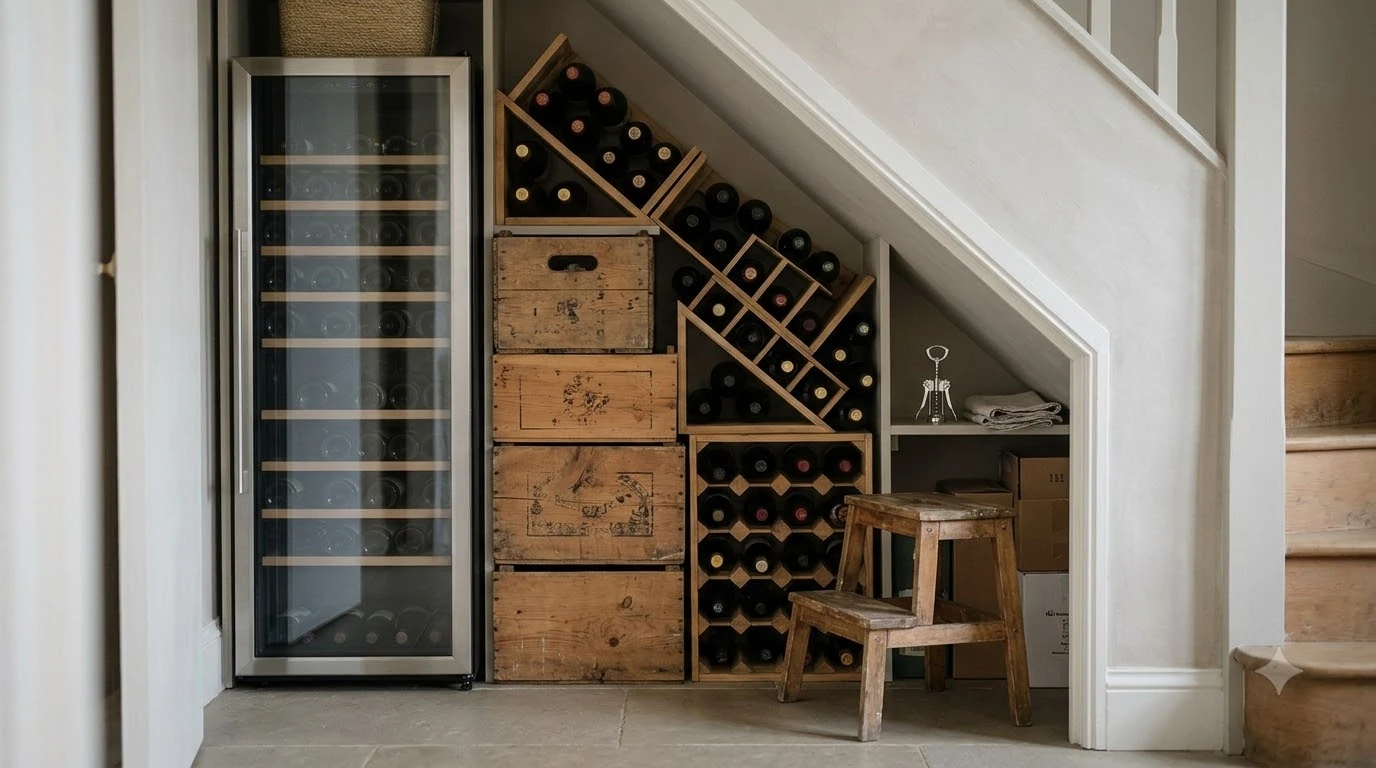
Unopened sparkling wine should be stored in a cool, dark location away from direct sunlight and major temperature changes. A storage temperature near 55°F is a useful general target for wine, with consistent conditions more important than frequent temperature fluctuations.
For longer storage, bottles are commonly kept on their sides to help maintain cork contact with the wine. Avoid placing sparkling wine near heat-producing appliances, sunny windows, or locations where vibration is frequent.
Once opened, sparkling wine loses carbonation over time. A suitable sparkling-wine stopper can help preserve the bubbles, and refrigeration slows the loss of freshness. As a general guideline, opened sparkling wine is best consumed within one to three days.
Although a bottle may remain drinkable beyond that period, its bubbles and aromatic freshness will gradually decline. Resealing the bottle promptly and returning it to the refrigerator helps maintain its quality.
These serving and storage practices also apply when comparing Segura Viudas with other bottles in the Wine Brands category. Proper chilling and careful handling can make a noticeable difference in the presentation of sparkling wines.
Food Pairings and Comparisons With Other Sparkling Wines
Segura Viudas Brut pairs particularly well with seafood, salty appetizers, mild cheeses, and dishes with fresh citrus flavors. Its acidity helps balance rich ingredients, while the bubbles refresh the palate between bites.
The producer specifically recommends preserved seafood such as clams, winkles, and anchovies. Seafood pasta, warm quail salad, soft milk cheeses, and mild Brie are also suggested pairings for its Brut range.
Seafood and salty appetizers
Seafood is a natural starting point because the wine’s freshness complements the delicate flavors of shellfish and fish. Oysters, clams, shrimp, and anchovies are particularly suitable options. Salt can make acidity seem softer, helping the wine and food feel balanced together.
Seafood pasta is another useful pairing. A dish featuring shrimp, clams, olive oil, garlic, and fresh herbs works well with the citrus character of the Cava. The wine’s bubbles also help refresh the palate between bites of richer pasta.
For appetizers, consider anchovy toast, salted almonds, olives, or small seafood plates. These foods provide enough salt and savory character to complement the wine without overwhelming its relatively delicate fruit flavors.
Cheese, poultry, and richer dishes
Soft cheeses such as Brie are good matches because their creamy texture contrasts with the wine’s acidity and bubbles. Mild cheeses are generally easier pairings than extremely sharp or intensely flavored varieties.
Roasted poultry can also work well. A warm quail salad is one of the producer’s suggested combinations, and roasted chicken with herbs offers a similar balance of savory flavors and moderate richness.
For a vegetarian meal, consider porcini mushroom risotto. Its creamy texture and earthy mushroom flavors contrast with the wine’s fresh citrus notes. A creamy omelet with blue cheese, dates, and walnuts is another producer-recommended option for a more complex appetizer.
Comparing alcohol levels with other wines
When comparing Segura Viudas Brut with other sparkling wines, focus on the specific bottling rather than assuming all Brut wines have identical alcohol levels. The following general comparison illustrates the differences between familiar wine styles:
- Segura Viudas Brut: 12.5% ABV on the US producer listing.
- Segura Viudas Brut Reserva: 12% ABV on the separate producer product page.
- Chandon Brut: A separate sparkling-wine style worth comparing by its bottle-specific ABV; see the Chandon Brut alcohol content discussion.
- Korbel Brut: Another American sparkling-wine option with its own alcohol specification, covered in the Korbel Brut alcohol content article.
For a still-wine comparison, Pinot Grigio provides a different drinking experience. It does not have the same carbonation, and its acidity and body can vary with the region and winemaking style. The Black Box Pinot Grigio alcohol content article provides a useful reference when comparing another familiar wine category.
These comparisons are most useful when evaluating alcohol percentage, serving volume, and style together. Two wines can have similar ABV figures but feel very different because of acidity, carbonation, sweetness, and texture.
For Segura Viudas Brut, the defining combination is its 12.5% ABV US listing, dry profile, Spanish grape varieties, and traditional Cava production. Those features make it a versatile option for seafood appetizers, mild cheeses, and celebratory meals.
Frequently Asked Questions
Is Segura Viudas Brut Champagne?
No. Segura Viudas Brut is Cava from Spain, rather than Champagne from France. Both are sparkling wines made using the traditional method, but they come from different geographic regions and have distinct appellation requirements. Cava is strongly associated with Catalonia and traditional Spanish grape varieties.
Does Segura Viudas Brut contain sulfites?
Like most conventional wines, Segura Viudas Brut contains sulfites, which can occur naturally during fermentation and may also be used during winemaking. Sulfur dioxide helps protect wine against oxidation and unwanted microbial activity. Sulfite information is commonly included in wine labeling and product ingredient disclosures.
What size bottles does Segura Viudas Brut come in?
The producer’s distribution listings and market-specific product information can include different bottle formats. A 750 ml bottle is the familiar standard wine-bottle size, while smaller single-serving and larger sharing formats may be available in particular markets. Availability can differ by retailer and country.
Does Segura Viudas Brut use artificial carbonation?
The producer describes Segura Viudas Cava as being made using the traditional method, which creates bubbles through a second fermentation in the bottle. Carbon dioxide is generated during this fermentation rather than simply injected into the finished wine. This production approach also allows the wine to develop additional complexity through contact with yeast lees.
What is the difference between Brut and Brut Reserva at Segura Viudas?
The producer’s US Brut listing specifies a minimum of 12 months of aging, while its separate Brut Reserva listing specifies at least 15 months. Their published alcohol figures also differ: 12.5% ABV for the US Brut listing and 12% ABV for the separate Brut Reserva page. These are distinct product specifications, not simply two names for an identical bottling.
Segura Viudas Brut offers a recognizable Spanish Cava style with 12.5% ABV on the producer’s US listing, fresh acidity, and a dry, fruit-driven profile. Its combination of traditional production, Spanish grape varieties, and versatile food pairings makes it a practical sparkling-wine choice for appetizers and meals. For the best presentation, serve it chilled at 40–50°F and pour approximately 5 ounces per glass.
More in Wine Brands
 Louis Latour Wine Price: Compare Bottles by Style and TierUpdated Nov 20, 2026
 Yellow Tail Moscato Price: What to Expect Before You BuyUpdated Nov 20, 2026
 Sutter Home Sweet Red Review: Find the Right Food PairingsUpdated Nov 20, 2026
 Franzia Chillable Red Review: Find the Right Serving StyleUpdated Nov 20, 2026
 Veuve Clicquot Rose Review: Flavor, Food Pairings and Buying AdviceUpdated Nov 20, 2026
 Rombauer Wine Price: Compare Bottles Before You BuyUpdated Nov 20, 2026