

We may earn a commission when you buy through links on this page, at no extra cost to you. Learn more.
The trimbach riesling price typically falls around $18 to $30 for a 750 ml bottle in the United States, depending on the vintage, retailer, and availability. The standard Alsace Riesling is a dry, crisp white wine with refreshing acidity, making it a practical choice for seafood, poultry, and everyday meals. Comparing the vintage, bottle size, and seller before purchasing helps identify a reasonable price without paying a premium for the same basic bottling.
Trimbach is a recognizable name in Alsace wine, and its Riesling offers a combination of fresh citrus, orchard fruit, mineral character, and lively acidity. It occupies a useful position between inexpensive everyday whites and more expensive collectible Rieslings. However, retail prices can differ considerably, particularly when older vintages, shipping arrangements, and local availability enter the picture. This guide explains what American buyers should expect to pay, which factors influence the cost, and how to choose the right bottle for the occasion.
Who This Is For
Trimbach Riesling is a good candidate for buyers who want a dry French white with recognizable varietal character and enough acidity to accompany food. Its standard bottling is particularly relevant to shoppers who enjoy Sauvignon Blanc or unoaked Chardonnay but want to explore the distinctive mineral character associated with Alsace.
The wine is especially suitable for people who prefer restrained sweetness. Although Riesling is produced in a broad range of styles around the world, the standard Trimbach bottling is classified as dry by ABC Fine Wine & Spirits. Its product description emphasizes a light-bodied, lithe structure, lemon peel, and a mouthwatering finish. Wine Enthusiast’s assessment of the 2023 vintage also highlights crisp apple, lime, graphite, and lively acidity.
Buyers comparing bottles in the approximately $18 to $30 range will find this wine relevant because it offers a recognizable French regional identity without requiring the investment associated with more specialized Alsace bottlings. Wine Enthusiast lists the 2023 standard Riesling at a reference price of $23, providing a useful comparison point for US shoppers.
It is also appropriate for people building a versatile white-wine selection. A bottle can accompany a weeknight seafood dinner, a weekend lunch, or a casual gathering where guests prefer dry rather than noticeably sweet wines. Its freshness makes it easier to pair with several dishes than a strongly oaked or heavily textured white.
However, it may not be the right purchase for everyone. Shoppers seeking a sweet dessert wine, a rich buttery Chardonnay alternative, or a very inexpensive cooking wine should consider other styles. The standard Trimbach Riesling is best understood as a food-friendly dry white rather than a sweet or heavily aromatic wine.
Readers unfamiliar with the producer can begin with our Trimbach Riesling overview before comparing individual bottles. Understanding the wine’s general style makes the price differences between standard and more specialized offerings easier to interpret.
Key Factors to Compare Before Paying
The most useful price comparison starts with the same vintage and bottle size. A standard 750 ml bottle should be compared with another standard 750 ml bottle, rather than with a half bottle or a more specialized Riesling from the same producer.
Vino Alert tracks Trimbach Riesling listings across US retailers and separates offers by vintage and size. Its displayed 2023 listings include bottles around $15.98 to $20, while other sellers list the wine at higher amounts. Wine Enthusiast’s $23 reference price provides another useful benchmark. Taken together, these listings support a practical shopping range rather than a single universal price.
| Comparison factor | Typical reference | Why it matters |
|---|---|---|
| Standard bottle size | 750 ml | The most useful format for comparing retail listings |
| Smaller bottle size | 375 ml | Contains half the wine of a standard bottle |
| Standard 2023 reference price | About $23 | Wine Enthusiast’s published reference |
| Common US shopping range | About $18–$30 | A practical comparison range for standard bottlings |
| Alcohol content | 13% ABV | Listed for the 2023 wine by Wine Enthusiast |
| Wine style | Dry white | Useful for comparing with other dry Rieslings |
| Region | Alsace, France | Establishes the wine’s regional identity |
The figures in the table are comparison references, not guaranteed prices at every retailer. The approximate US shopping range reflects the standard bottling, while the published reference price is a separate benchmark. Prices vary by state and retailer, and shipping, taxes, and local distribution can affect the final purchase cost.
Vintage is another important consideration. A 2023 bottle should not automatically be considered interchangeable with a 2021 or 2022 bottle for pricing purposes. Each vintage represents a different harvest and can have a different distribution history. Vino Alert lists several vintages separately, which is useful when a retailer carries multiple releases.
Finally, distinguish the standard Riesling from other Trimbach wines. Wine Enthusiast also identifies Frédéric Emile and Grand Cru Geisberg Rieslings in its Trimbach listings. These are separate bottlings, so a higher price should not be interpreted as evidence that the standard Riesling has suddenly become more expensive. Product identity matters as much as the producer’s name.
For an additional retail comparison, Vino Alert’s Trimbach Riesling price listings provide a useful view of available vintages, bottle formats, and differences between sellers.
Step-by-Step: How to Find a Fair Trimbach Riesling Price
A disciplined comparison can prevent buyers from confusing a premium listing with a better wine. The goal is to find the standard bottle at a reasonable local price while accounting for vintage, bottle size, and delivery costs.
-
Identify the exact wine.
Start by looking for standard Trimbach Riesling from Alsace. Do not confuse it with Frédéric Emile, Grand Cru Geisberg, or another grape variety produced by the winery. The producer name alone is not sufficient to establish that two listings describe the same wine.
-
Confirm the bottle size.
Use 750 ml as the standard comparison format. Vino Alert also tracks 375 ml bottles, which contain half the volume. A smaller bottle can have a higher per-liter cost even when its shelf price looks considerably lower.
-
Compare the vintage.
Match 2023 with 2023, 2022 with 2022, and so forth. If the retailer does not identify a vintage, treat the listing separately rather than assuming it contains the same wine as a clearly identified vintage.
-
Establish a realistic reference range.
Use approximately $18 to $30 as a practical US retail comparison range for the standard 750 ml bottling. Wine Enthusiast’s $23 reference for the 2023 release is a useful middle benchmark, while Vino Alert shows that some retail listings can be lower.
-
Check more than one seller.
Compare at least three retailers when possible. Look at the displayed bottle price, whether the store ships to your state, and whether local pickup is available. Vino Alert’s listings demonstrate that retailers can offer noticeably different prices for the same vintage.
-
Calculate the actual purchase cost.
Include shipping, applicable taxes, and any required minimum order. A lower shelf price does not necessarily mean a lower delivered cost. For example, a shipping charge can erase the apparent difference between two otherwise comparable offers.
-
Make the purchase based on value.
Choose the bottle that matches your preferred vintage, budget, and drinking plans. Paying slightly more at a convenient local retailer can make sense if it avoids a larger delivery expense or an unnecessary multi-bottle purchase.
This process also helps separate legitimate price differences from misleading product comparisons. An older vintage, a different bottling, or a half-size bottle should not be judged against the same criteria as the standard current-release 750 ml bottle.
Tip: Before buying, compare the full product name, vintage, and 750 ml size. These three details eliminate many misleading price comparisons, particularly when a retailer displays several Trimbach wines on the same page.
It is also useful to keep a record of the price paid if you regularly buy the wine. A personal reference makes it easier to recognize whether a later listing represents a meaningful difference or simply reflects ordinary variation between retailers.
Trimbach Riesling Styles and Bottling Differences
Understanding the distinction between the standard Riesling and more specialized bottlings is essential for evaluating the price. Trimbach’s standard Riesling is the logical starting point for buyers who want a dry Alsace white, while other named bottlings should be evaluated as separate wines.
Standard Trimbach Riesling
The standard Riesling is the most relevant bottle for shoppers researching the everyday Trimbach Riesling price. It offers a dry style with refreshing acidity and a relatively light-bodied profile. The 2023 version reviewed by Wine Enthusiast received 90 points and was described through apple, lime, graphite, and mineral notes.
Its structure makes it particularly useful at the dinner table. Lemon and apple characteristics work well with shellfish, grilled fish, poultry, and dishes with herbs or citrus. The acidity also helps the wine maintain freshness alongside richer foods.
For shoppers who want an approachable introduction to Alsace, this is the natural starting point. It provides a recognizable regional expression without requiring a substantial commitment to a specialized or older bottling.
Frédéric Emile Riesling
Frédéric Emile is a separately identified Trimbach Riesling bottling. Wine Enthusiast’s Trimbach listings distinguish it from the standard Riesling, including a separate 2019 review. Buyers should therefore compare its price against other Frédéric Emile bottles rather than against standard Riesling listings.
This distinction matters because a retailer may display several wines under the same producer heading. A higher price for Frédéric Emile does not mean the standard wine has increased in value by the same amount. It represents a different purchase decision.
Grand Cru Geisberg Riesling
Grand Cru Geisberg is another separately identified Trimbach wine. Wine Enthusiast lists a 2019 Grand Cru Geisberg Riesling alongside the producer’s other wines. Its appearance in the same portfolio is a reminder that the standard bottling is not the only Riesling available under the Trimbach name.
For someone primarily interested in a crisp white for regular meals, the standard Riesling is usually the more straightforward comparison. Someone specifically seeking a more specialized Alsace bottling should research that wine independently, including its vintage and intended drinking window.
How These Differences Affect Shopping
Think of the producer name as the beginning of a product description, not its conclusion. The full bottling name, vintage, and size establish which wine is being sold. This is especially important when comparing retailer listings that use abbreviated product titles.
Shoppers interested in the sensory differences can also read our Trimbach Riesling tasting notes for a closer look at the wine’s aroma, flavor, acidity, and finish.
Common Mistakes When Comparing Prices
The most common shopping errors involve comparing different wines, ignoring additional costs, or assuming that a higher shelf price guarantees better quality. A few basic checks make the process considerably more reliable.
Comparing Different Bottlings
A standard Trimbach Riesling and a Grand Cru Geisberg Riesling are not equivalent products. The same applies to Frédéric Emile. Comparing their prices as though they were the same wine can produce an inaccurate idea of what the standard bottle should cost.
Use the complete wine name when searching. If one retailer offers standard Riesling and another displays a specialized bottling, find a matching product before deciding which store is more expensive.
Ignoring Bottle Size
A 375 ml bottle is half the size of a 750 ml bottle. Comparing their shelf prices without adjusting for volume makes the smaller format look cheaper than it may actually be. The same principle applies when evaluating larger formats or mixed cases.
For a straightforward comparison, calculate the price per 750 ml equivalent. Multiply the price of a 375 ml bottle by two to establish its equivalent full-bottle cost.
Assuming All Riesling Is Sweet
Riesling can range from very dry to intensely sweet. The grape variety does not establish sweetness on its own. Wine Enthusiast notes that Alsace Rieslings are primarily dry, although sweet versions also exist in the region.
Trimbach’s standard bottling is classified as dry by ABC Fine Wine & Spirits. This makes it a different proposition from an off-dry or sweet Riesling that may appeal to someone looking for pronounced residual sugar.
Using One Retailer as the Only Benchmark
Retail prices can vary because of distribution arrangements, local competition, inventory, and shipping policies. A single expensive listing should not establish the market value of a bottle.
Similarly, an unusually inexpensive listing deserves a product and availability check. Make sure the store actually has the stated vintage, the correct size, and a purchase option for your location.
Assuming a Higher Price Means a Better Drinking Experience
Price is not a direct measure of personal preference. Someone who enjoys crisp citrus, restrained sweetness, and lively acidity may prefer the standard Trimbach Riesling to a more expensive wine with a different style.
Wine Enthusiast’s 90-point assessment of the 2023 standard bottling provides an independent quality reference. It is useful context, but the best purchase still depends on whether the wine’s dry, focused profile matches the drinker’s preferences.
For shoppers comparing regional alternatives, our Chateau Ste Michelle Riesling overview offers another useful starting point. Comparing the wines by sweetness, body, acidity, and intended food pairing is more informative than relying on brand names alone.
Serving and Storage Tips for Better Value
Good storage and serving practices help preserve the freshness that makes Riesling appealing. Trimbach’s standard bottling is particularly enjoyable when its citrus character and acidity are clear rather than muted by excessive warmth.
Serve at the Right Temperature
Serve a light-bodied white such as standard Trimbach Riesling at approximately 45 to 50 degrees Fahrenheit. This temperature range keeps the wine refreshing while allowing its apple, lime, and mineral characteristics to remain noticeable.
A bottle served directly from a very cold refrigerator may initially seem muted. Allow it a few minutes in the glass if the aromas are difficult to detect. Conversely, a bottle served too warm can seem less refreshing and more alcoholic.
A standard 750 ml bottle provides approximately five servings when poured in 5 oz portions. This is a useful planning reference for dinner parties and small gatherings. It also helps buyers estimate how many bottles they need without opening more wine than necessary.
Choose Suitable Food Pairings
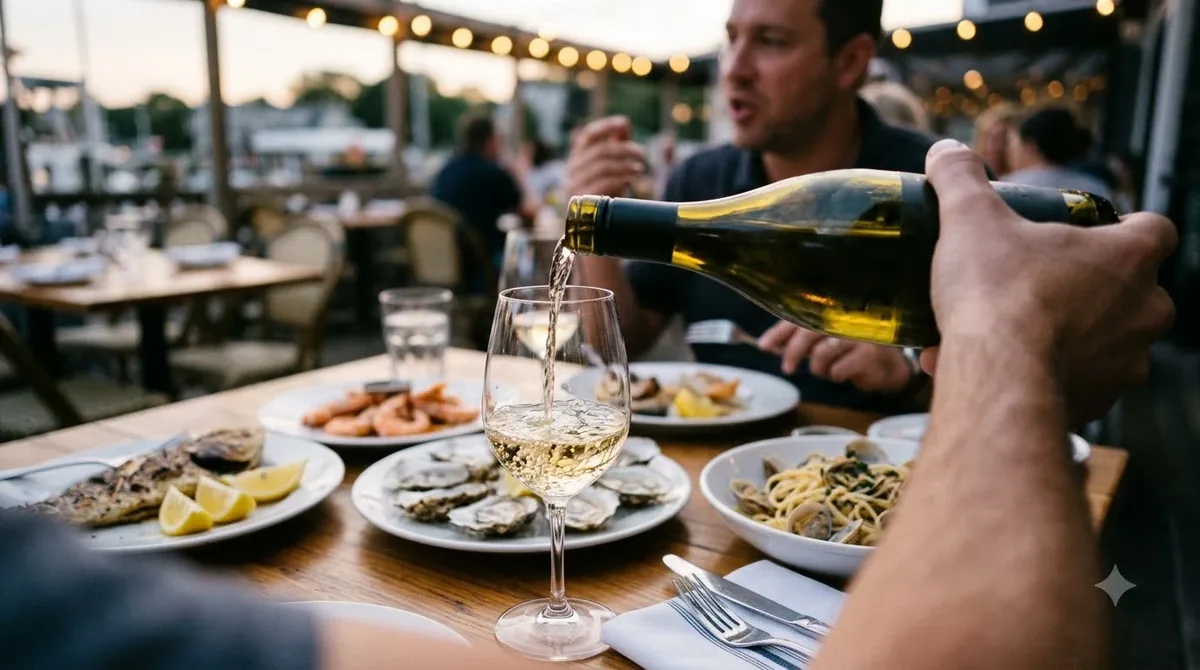
The wine’s acidity makes it a flexible food companion. Seafood is an especially natural match, including oysters, shrimp, scallops, and simply prepared white fish. The crisp character can also balance the richness of sauces and moderate amounts of butter.
Chicken, roast turkey, pork, and herb-seasoned dishes are additional options. Riesling’s acidity works particularly well with food containing lemon, fresh herbs, or a touch of natural sweetness.
Asian-inspired meals can also be successful pairings. Vietnamese dishes with fresh herbs, seafood, and citrus are worth considering, as are lightly spiced Thai preparations. However, very hot chili dishes require care because alcohol can amplify the perception of heat.
Store Unopened Bottles Properly
Keep unopened wine away from direct sunlight, major temperature fluctuations, and excessive heat. A cool storage area around 55 degrees Fahrenheit is a useful target for longer-term bottle storage. Bottles with natural cork closures should generally be stored on their sides to help keep the cork from drying out.
Avoid storing wine next to ovens, radiators, or other heat-producing appliances. A consistent cool environment is more helpful than repeatedly moving bottles between warm and cold locations.
Handle Opened Wine Carefully
After opening, reseal the bottle and place it in the refrigerator. Still white wines generally remain enjoyable for approximately three to five days when properly stored, although freshness can decline sooner depending on how much oxygen has entered the bottle.
For the best result, use a suitable wine stopper and minimize the amount of air in the bottle. Allow refrigerated wine to warm slightly in the glass before serving again. This is a simple way to get more enjoyment from a bottle without compromising its fresh profile.
Proper storage also protects the value of the original purchase. Even a reasonably priced bottle can disappoint if it has been exposed to excessive heat during transport or storage. Buying from a retailer with sensible storage and handling practices is therefore part of choosing a good wine.
Frequently Asked Questions
Is Trimbach Riesling suitable for someone who usually drinks Sauvignon Blanc?
Yes, particularly for someone who likes citrus flavors, fresh acidity, and a dry finish. Trimbach has an Alsace Riesling profile rather than the characteristic grassy or tropical emphasis found in many Sauvignon Blancs. The grape variety and regional style create a useful change without moving into noticeably sweet wine.
Does Trimbach Riesling need to be decanted?
Ordinary young standard Trimbach Riesling generally does not require decanting. A brief period in the glass is normally sufficient to reveal its aromas. Decanting is more commonly considered for particular older bottles or wines that benefit from additional aeration.
Can Trimbach Riesling be used in wine cocktails?
Yes, its dry profile and acidity can work in simple wine-based drinks. It can be combined with sparkling water, fresh citrus, and a small amount of fruit garnish. Avoid adding too much sweetener, which can obscure the wine’s natural balance.
Does the shape of an Alsace wine bottle affect the wine’s quality?
The tall, slender bottle commonly associated with Alsace is a regional packaging tradition, not a direct indicator of quality. Bottle shape alone does not establish the grape variety, sweetness, vintage, or aging potential. Those details should be evaluated from the wine’s actual identity and producer information.
Can Trimbach Riesling be kept for several years?
Some Rieslings can develop interesting characteristics with bottle age, including changes in fruit and aromatic complexity. However, aging potential depends on the particular bottling, vintage, storage conditions, and the wine’s structure. The standard bottling should not automatically be treated as having the same aging potential as the producer’s more specialized Rieslings.
For most American shoppers, approximately $18 to $30 is a sensible comparison range for standard Trimbach Riesling in a 750 ml bottle, with vintage and retailer differences influencing the final amount. Comparing the exact bottling, checking shipping costs, and understanding its dry Alsace style will help identify a worthwhile purchase. The standard Trimbach Riesling remains an appealing choice for drinkers who appreciate crisp acidity, citrus-driven flavors, and a versatile white wine for the dinner table.
More in Wine Brands
 Underwood Wine Price: Compare Bottles, Cans, and Pack SizesUpdated Nov 21, 2026
 Zenato Wine Price: Compare Styles and Choose the Right BottleUpdated Nov 21, 2026
 Zuccardi Wine Price: Compare Bottles and Find the Right RangeUpdated Nov 21, 2026
 Yellow Tail Moscato Review: Taste, Sweetness and Serving TipsUpdated Nov 21, 2026
 Wolf Blass Yellow Label Review: Choose Your Best StyleUpdated Nov 21, 2026
 Wolffer Estate Rose Review: Choose the Right Bottle for Your TableUpdated Nov 21, 2026