

We may earn a commission when you buy through links on this page, at no extra cost to you. Learn more.
Chateau Ste Michelle Riesling is a Washington Riesling, mostly from the Columbia Valley, that comes in styles from bone dry to dessert sweet. The winery’s Riesling built its reputation in 1974, when the 1972 bottling became the first Washington wine to win a major blind tasting. Today the range is one of the most approachable ways to see what Washington State does with the grape.
Riesling is one of the most misunderstood white wines on the shelf. Many people assume every bottle is sweet, while others expect a crisp, dry style. The Chateau Ste Michelle lineup covers both ends and a lot of ground between them, so the right choice depends on what you want from the glass. This guide explains where the wine comes from, how the sweetness levels differ, and how to serve and pair each style.
Where the Chateau Ste Michelle Riesling Story Starts
The brand has roots that go back further than the famous chateau in Woodinville. According to the Washington State history essay on HistoryLink, the company began as Seattle’s American Wine Growers, and it launched its “Ste. Michelle” grape-wine brand in August 1969. The company was renamed Ste. Michelle Vintners in 1973, and the Woodinville estate, a former dairy farm, was bought and built out in the mid-1970s before the company took on the Chateau Ste. Michelle name.
The 1974 result also says something about how the wine world judged Washington at the time. Germany was the reference point for Riesling, and California was the strongest American wine region. Placing a Washington bottle among those producers was a bold move, and the win gave local growers confidence that the state’s cool-climate vineyards could make a serious white wine.
The turning point came with the 1972 Riesling. The essay reports that it was judged against top German and California wines in a blind tasting in 1974 and won, making it the first Washington wine to take a major prize of that kind. That result gave the Washington industry a reason to take Riesling seriously, and the grape has stayed at the center of the brand ever since.
Styles: From Dry to Dessert Sweet
The Riesling name covers a wide range of sweetness, and the Chateau Ste Michelle range reflects that. The entry-level wines are dry or nearly dry, while the sweeter bottlings keep the fruit and the acidity in balance. Reviewers who work with the range note the difference in residual sugar, which is measured in grams per liter. The figures below come from a Riesling tasting guide that listed several of the producer’s wines.
| Style | Example in the range | Residual sugar (per reviewer) | What it tastes like |
|---|---|---|---|
| Dry | Dry Riesling, Columbia Valley | 6.3 g/L | Stone fruit, citrus, lively acidity |
| Off-dry | Riesling, Columbia Valley | 21 g/L | Tastes close to dry, with a soft, fruity edge |
| Late-harvest sweet | Eroica Gold Riesling | 90 g/L | Honey and apricot, partly botrytis-affected fruit |
| Ice wine | Ice Wine Riesling, Horse Heaven Hills | 190 g/L | Concentrated, thick, dessert-style |
Reviewers at I-Wine Review describe the dry and off-dry entry bottles as everyday wines with clean fruit and bright acidity, and they call the standard Columbia Valley bottling the producer’s workhorse, made in very large volume each year. Sweeter wines in the range, such as the Eroica line, are aimed at people who want more richness and a longer finish.
Grapes, Vineyards, and the Columbia Valley
All of these wines are made from Riesling, and the fruit comes from several vineyards rather than one. The Columbia Valley is the broad appellation that supplies most of the entry-level bottles, while some sweeter wines use fruit from cooler sites farther east. Cold Creek Vineyard is one of the company’s best-known holdings in the region, and it was planted in the years after 1973 as the company expanded.
The same reviewers note that Washington had thousands of acres of Riesling planted at the time of their tasting, more than the whole of Austria, which is one reason the state’s Riesling has become a serious category of its own. The growing area is warm during the day and cool at night, which keeps acidity in the grapes even when the sugar climbs. That balance is what lets a dry wine and a sweet wine from the same brand both feel fresh.
Who Owns the Brand Today
The company behind Chateau Ste Michelle has changed hands several times, and that history shapes how the label is marketed. The HistoryLink essay lists a 1974 sale to U.S. Tobacco, the 2009 acquisition by Altria Group, and the 2021 purchase of Ste. Michelle Wine Estates by Sycamore Partners. In December 2025, the essay reports, the Wyckoff family of Yakima Valley was named as the new owner, which returns the business to local private ownership for the first time in about 50 years.
For a shopper, ownership matters less than the wine in the glass. Still, the story explains why the brand has a large national footprint while keeping a strong Washington identity. If you want to compare the company’s broader range, the Chateau Ste Michelle wine guide covers the other styles it produces.
How to Serve and Pair the Riesling
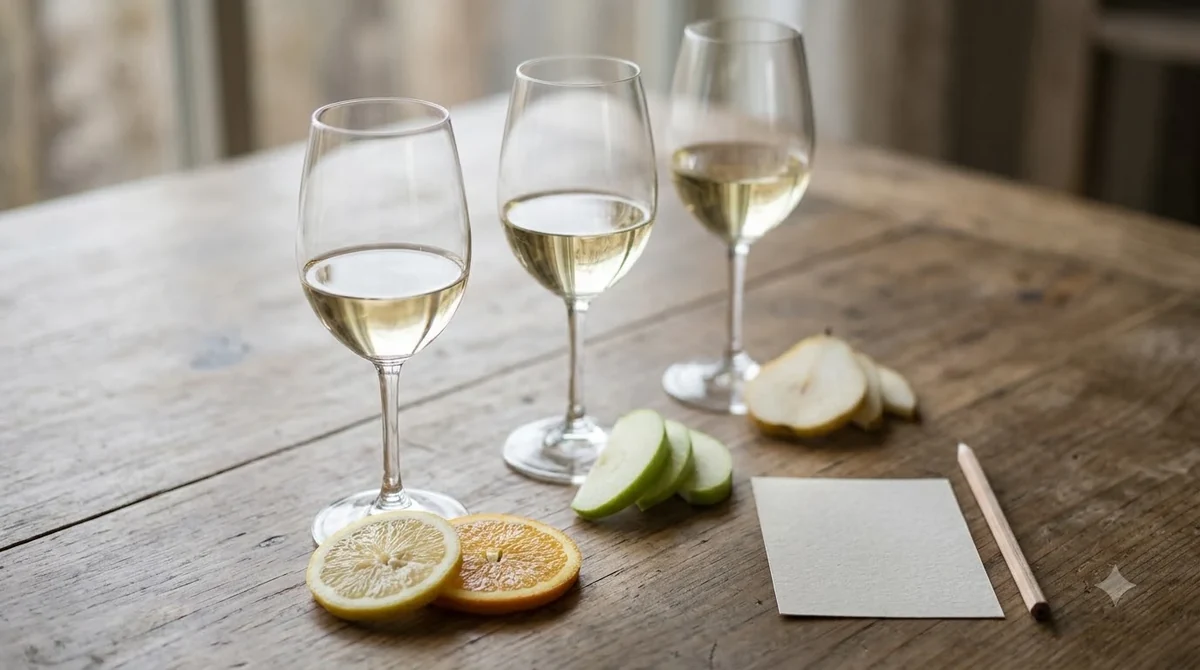
Glassware makes a bigger difference than most people expect. A tall, narrow white wine glass keeps the aromas concentrated, while a wide bowl lets a sweet wine open up and show more of its honey and stone fruit notes. A decanter is rarely needed for Riesling, but a short swirl in the glass helps the aromas rise.
Serve dry and off-dry Riesling well chilled, but not so cold that the aromas disappear. A glass that is slightly cooler than room temperature suits the lighter bottles. Sweeter styles can be served a little warmer, which lets the honey and dried fruit show more clearly.
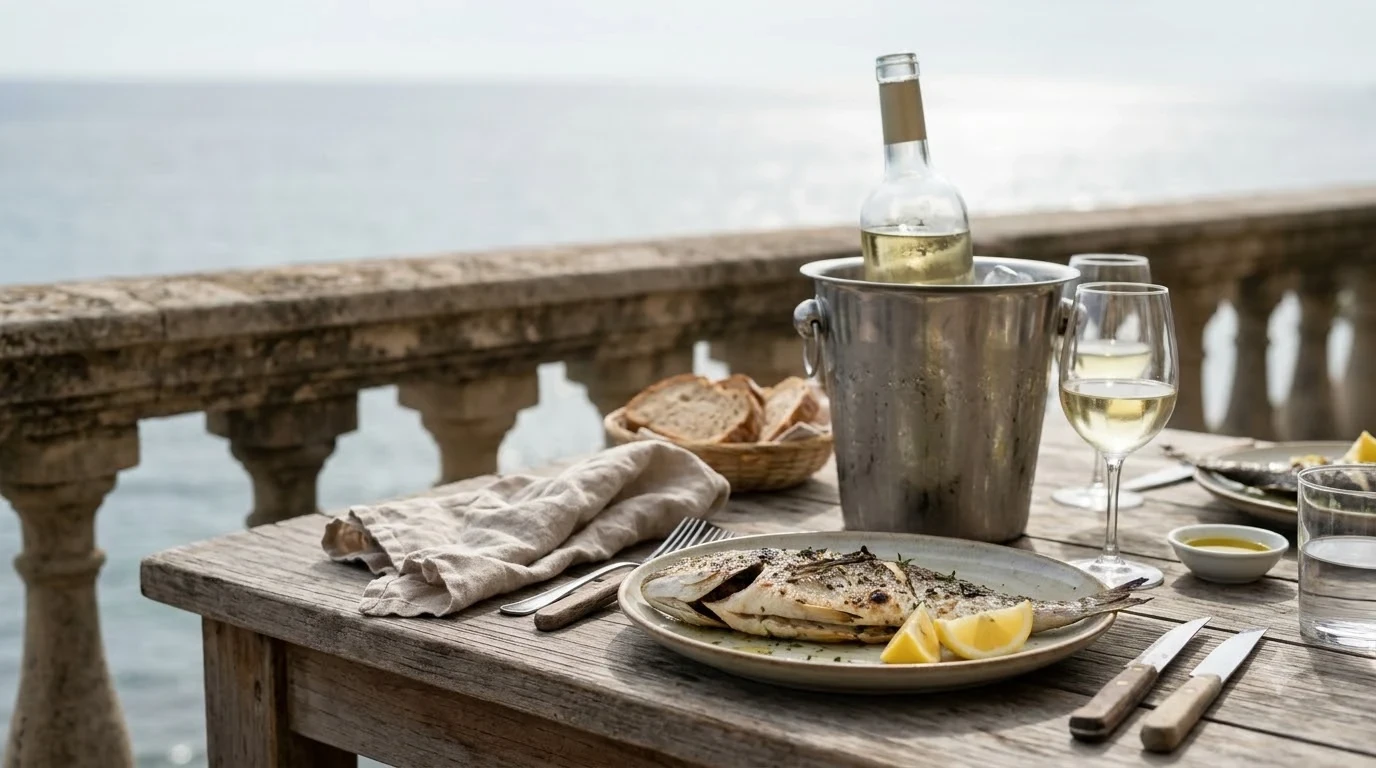
Dry and off-dry bottles work well with seafood, pork, roast chicken, and Asian dishes that carry a touch of heat or sweetness, because the acidity cleans the palate between bites. A late-harvest or dessert-style bottle pairs better with fruit tarts, soft cheeses, and simple cakes. Avoid pairing a very sweet wine with a dessert that is sweeter than the wine itself, since the dish will taste flat by comparison.
When you shop, look for the style words on the back label as well as the front. Terms such as dry, off-dry, late harvest, and ice wine tell you far more about the glass than the grape name does. If you are buying for a group, a dry bottle and one sweeter style give guests a clear choice, and the two can be poured side by side for comparison.
Tip: Read the sweetness level on the label before you buy. A “dry” or “off-dry” note tells you more about the wine than the grape name alone.
Frequently Asked Questions
Is Chateau Ste Michelle Riesling sweet?
It depends on the bottle. The range includes dry and off-dry wines with low residual sugar, as well as late-harvest and ice wine styles that are much sweeter. Check the style on the label.
Where is the Riesling grown?
Most of the fruit comes from the Columbia Valley in Washington State, with some sweeter bottlings using grapes from sites such as the Horse Heaven Hills and Ancient Lakes areas.
Why is Washington known for Riesling?
The state’s cool nights and warm days help the grape hold acidity while building fruit flavor. The 1972 Riesling win in 1974 also helped put Washington on the map for the variety.
Does the Riesling age well?
Dry and off-dry bottles are generally best within a few years of release, while sweeter, botrytis-affected styles can keep for much longer when stored cool and out of the light.
Chateau Ste Michelle Riesling is a good place to start if you want to understand how sweetness changes the character of the grape. Pick a dry bottle for a weeknight dinner, then try a sweeter style with dessert. For more context on how the brands in this category compare, the Wine Brands hub is a useful next stop.
More in Wine Brands
 Underwood Wine Price: Compare Bottles, Cans, and Pack SizesUpdated Nov 21, 2026
 Zenato Wine Price: Compare Styles and Choose the Right BottleUpdated Nov 21, 2026
 Zuccardi Wine Price: Compare Bottles and Find the Right RangeUpdated Nov 21, 2026
 Yellow Tail Moscato Review: Taste, Sweetness and Serving TipsUpdated Nov 21, 2026
 Wolf Blass Yellow Label Review: Choose Your Best StyleUpdated Nov 21, 2026
 Wolffer Estate Rose Review: Choose the Right Bottle for Your TableUpdated Nov 21, 2026