

We may earn a commission when you buy through links on this page, at no extra cost to you. Learn more.
Washington wine is produced in a dry, sunny eastern half of the state, where irrigated vineyards along the Columbia River and its tributaries grow most of the grapes. The state ranks third among U.S. wine producers, behind California and New York, and it is known for Cabernet Sauvignon, Merlot, Syrah and Riesling grown in several distinct American Viticultural Areas.
Washington wine is easy to overlook next to California, yet many wine lovers rank it among the most consistent producers in the country. This guide explains where the vineyards are, how the regions differ from one another, which grapes define the state, and how to choose and serve a bottle. The goal is a clear starting point for anyone who sees “Washington” on a label and wants to know what it means.
How Washington Wine Got Started
Washington’s wine history is older than many people expect. According to a summary of Washington wine on Wikipedia, the oldest surviving European vinifera vines in the state were planted by German immigrants near Tampico in 1871, with more vineyards following in Kennewick in 1895 and Walla Walla by 1899. Grapes may have been planted at Fort Vancouver as early as 1825, although it is unclear whether wine was made from them.
The industry was interrupted by statewide prohibition in 1917 and then by federal Prohibition. After repeal, many wineries relied on sweet wine made from Concord grapes. The modern premium era began in the mid-1960s, when vinifera planting started in the Columbia Valley. Chateau Ste. Michelle and Columbia Winery trace their origins to the 1950s and 1960s, and Chateau Ste. Michelle is now the state’s largest producer and owns more than a third of its vineyard land.
The Main American Viticultural Areas
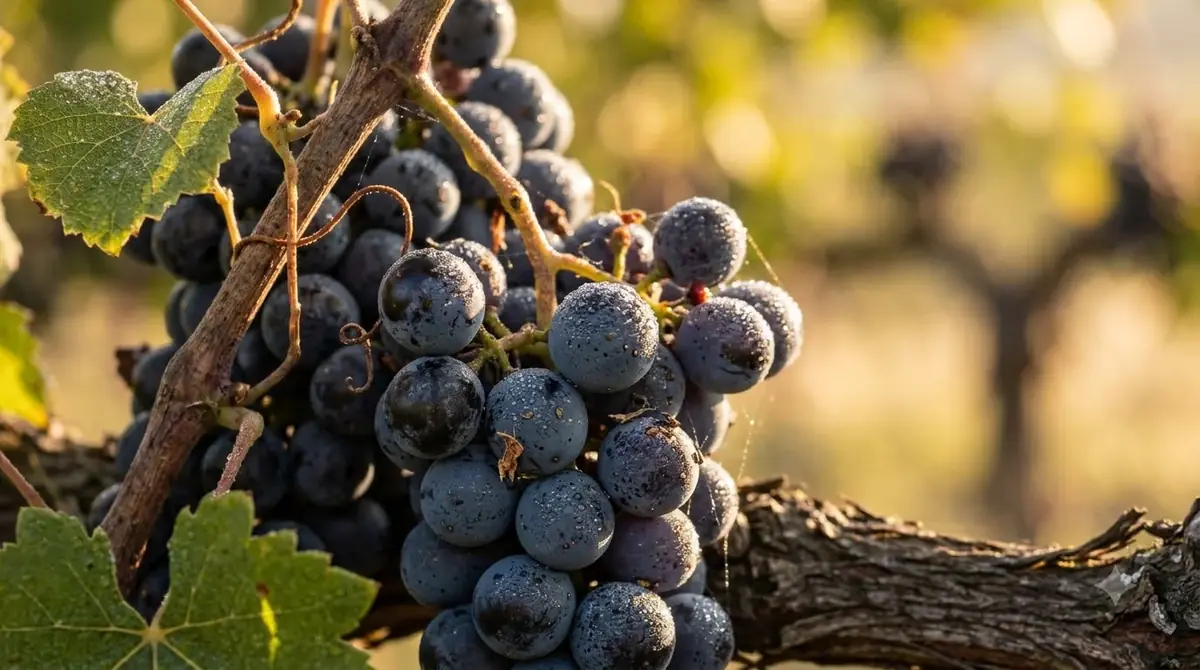
Washington is divided into several American Viticultural Areas, and each one has its own climate and soils. The Columbia Valley is the largest, a sprawling appellation that reaches into Oregon and contains many smaller AVAs inside it. The Yakima Valley is the state’s oldest agricultural region and supplies a large share of its wine, with the most wineries of any single area. Walla Walla Valley sits in a wetter corner of the state and is especially known for Merlot.
The Columbia Gorge and Horse Heaven Hills are newer appellations that have drawn attention for their south-facing slopes and well-drained soils. The Columbia Gorge vineyards lie along the river and are sheltered from strong winds. Horse Heaven Hills is home to some of the state’s largest and oldest vineyards. The Columbia Hills AVA, approved more recently, is described by the Washington Wine Commission as defined by southern slopes, proximity to the Columbia River, low elevations and shallow soils.
| Region | Established | What it is known for |
|---|---|---|
| Columbia Valley | 1984 | Largest AVA, many sub-appellations |
| Yakima Valley | 1983 | Oldest agricultural region, most wineries |
| Walla Walla Valley | 1984 | Wetter climate, known for Merlot |
| Columbia Gorge | 2004 | River-side slopes, sheltered from wind |
| Horse Heaven Hills | 2005 | Large, old vineyards |
Grapes and Wine Styles
Cabernet Sauvignon, Riesling, Chardonnay, Merlot and Syrah are the grapes most often named as the state’s core varieties, and more than 80 varieties are grown in total. Cabernet Sauvignon and Merlot made Washington’s reputation for structured reds with ripe fruit and balanced oak. Syrah shows dark fruit and peppery spice, while Riesling ranges from bone dry to lightly sweet and is one of the state’s most distinctive whites.
Vineyard acreage in the state’s older statistics shows how evenly the main varieties were planted. Chardonnay, Cabernet Sauvignon, Merlot, Riesling and Syrah each covered thousands of acres, which gives Washington a broad range of styles rather than a single signature wine. Many producers also blend across regions, so a bottle labeled “Washington” can combine grapes from the Yakima Valley and the Columbia Valley. For a warm-climate comparison, the Calistoga vineyards page shows how a different valley handles similar varieties.
Tip: If you want to understand a specific region, compare two Merlots or two Cabernets from different AVAs on the same night. Differences in fruit and structure become easy to notice side by side.
How Washington’s Climate Shapes the Wine
Almost all of the state’s grape production happens in the drier eastern half of Washington, where annual rainfall is around 8 inches. Irrigation is essential there, and growers can control water and canopy in ways that dry-farmed vineyards cannot. Growers in other dry regions face similar choices, as the Arizona vineyards guide also explains. The cool nights that follow hot days help grapes keep acidity while they ripen, which is one reason many Washington reds have a fresh finish.
Walla Walla is the exception, receiving more than 20 inches of rain a year, so its vineyards face a different set of challenges. The Columbia Gorge, by contrast, benefits from wind protection and river-influenced temperatures. These differences are the reason regional names on a label tell you more than a generic “Washington” does.
Choosing and Serving Washington Wine
When you choose a bottle, look at the appellation first. A label naming the Yakima Valley or Walla Walla tells you where the grapes were grown, and that often predicts the style. Reds from warmer, drier sites usually show ripe fruit, while cooler sites produce wines with brighter acidity. Riesling and Chardonnay from different regions can also taste very different, so the appellation helps you choose the right bottle for your meal.
Serve Washington reds at a cool room temperature and give bigger Cabernets time to open in the glass. Chill Riesling and Chardonnay before serving, and keep sweet Rieslings cold to show their balance. Pair Cabernet and Merlot with grilled beef, lamb and hard cheeses, and pair Riesling with spicy food, roast pork or seafood. The state’s wines suit a wide range of home cooking.
Buying and Visiting Washington Wineries
Washington wine is widely sold in U.S. wine shops and restaurants, and many wineries ship to customers in states where the law allows. Because the state has so many producers, buying from a store with knowledgeable staff can make a big difference. Ask for bottles from a specific AVA, or ask which vintage is currently on the shelf, since the best wines from a given producer can change from year to year.
Visiting the wine country is another good option. The Yakima Valley and Walla Walla are popular destinations, and many wineries in both areas offer tastings by appointment. Tasting room hours, fees and tour options vary, so check each winery’s website before you plan a route. Traveling between regions takes time because the state is large, so many visitors focus on one or two areas during a single trip.
If you collect wine, keep notes on the appellation and vintage of each bottle so you can compare how the regional styles change over time. Older bottles from the state’s established wineries are a useful way to see how the producers’ house styles developed.
Frequently Asked Questions
Is Washington wine as good as California wine?
Washington is a different style rather than a lesser one. Its dry climate and cooler nights give many wines fresh acidity and balanced fruit. Many critics praise its Cabernet Sauvignon, Merlot, Syrah and Riesling, and the best bottles compete with wines from any region.
What grapes is Washington known for?
Cabernet Sauvignon, Merlot, Syrah, Riesling and Chardonnay are the most important varieties. More than 80 grapes are grown in the state, so the range of styles is broad.
Where are most Washington wine grapes grown?
Nearly all grape production happens in the drier eastern half of the state. The Columbia Valley is the largest appellation, and the Yakima Valley has the most wineries of any single area.
How many wineries are in Washington?
Official counts vary by year and source. A 2017 figure cited in a Wikipedia summary put the number at more than 940 wineries, and the Washington Wine Commission promotes more than 1,000 wineries, tasting rooms and vineyards through its app.
Washington wine rewards a bit of exploration. Start with a Columbia Valley Cabernet or a Yakima Valley Riesling, note the appellation, and compare a second bottle from a different region. Once you recognize the regional differences, the state’s wine map becomes a useful guide for every bottle you buy. For more on how American regions compare, the wine regions guide is a good next read.
More in Wine Regions
 Willcox Wine Trail: Discover Arizona’s High-Elevation Wine CountryUpdated Nov 20, 2026
 Yakima Valley Wine Region: Find the Best Styles to TryUpdated Nov 20, 2026
 Vosne Romanee Wine Tasting: Identify Aromas and Choose Better PairingsUpdated Nov 20, 2026
 Yakima Valley Wine Festival: Find the Best Seasonal Wine EventsUpdated Nov 20, 2026
 Wales Vineyards: Discover Cool-Climate Wines and Where to VisitUpdated Nov 20, 2026
 Yountville Wine Festival: Discover Napa Wines and Local FoodUpdated Nov 20, 2026