

We may earn a commission when you buy through links on this page, at no extra cost to you. Learn more.
The trimbach riesling review verdict is that this is a crisp, dry Alsace white built for the dinner table rather than for obvious sweetness. Expect lemon, apple, mineral detail, and lively acidity, with the exact balance shifting by vintage and bottling. The standard Riesling is the sensible starting point, while Réserve and the more site-specific wines offer greater depth and longer aging potential.
Trimbach is a long-established family producer based in Ribeauvillé, and its house style makes the grape’s freshness and food-matching range easy to understand. This guide focuses on how to choose among the principal Trimbach Riesling styles, what their tasting profiles suggest, and how to serve the wine well. For an overview of the producer’s broader portfolio, see this guide to Wine Brands, or start with the dedicated trimbach riesling page.
Who This Is For
Trimbach Riesling is a good fit for drinkers who prefer dry, high-acid whites with enough flavor to work across a full meal. It is particularly appealing to people who enjoy citrus, orchard fruit, and mineral notes more than overt sweetness, and who want a bottle that can move from seafood to poultry without changing wines.
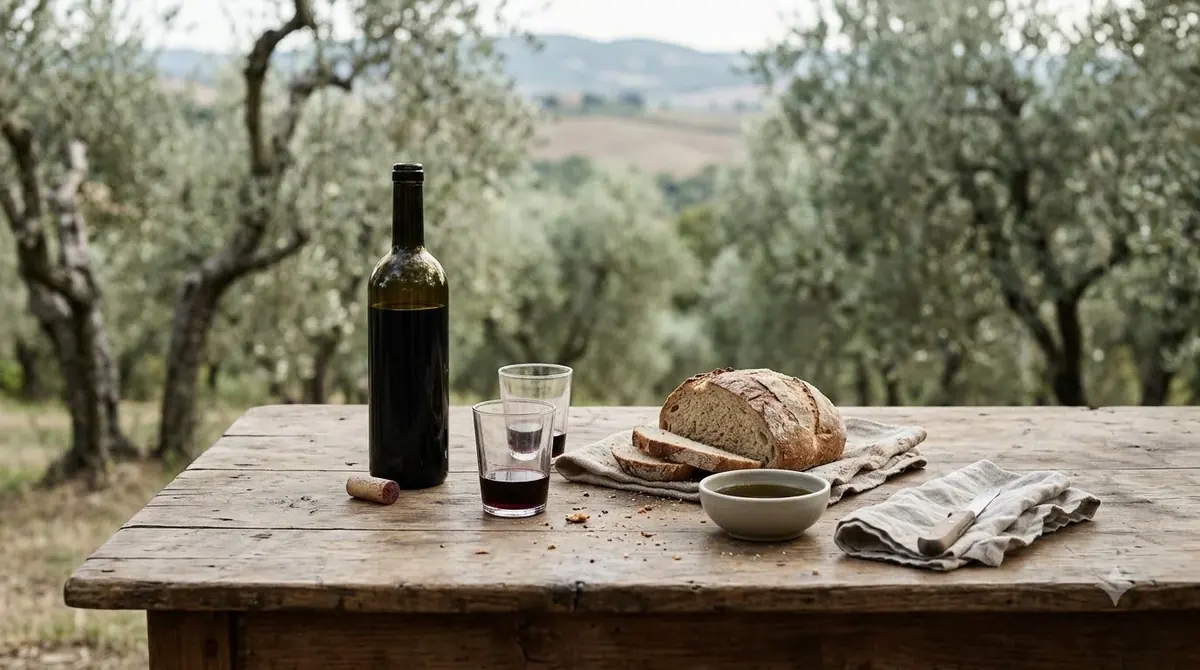
Choose the standard bottling if the goal is a versatile weeknight white for roast chicken, grilled fish, sushi, or shellfish. Trimbach itself recommends its Classic Riesling with raw fish, seafood, white meats, sauces, and seasoned dishes, while VinePair’s review of the 2019 vintage highlights roast chicken, broiled flounder, sushi, and spicy Thai or Chinese food. That range is useful for home cooks who serve several dishes at one sitting or who want a white wine that can handle more than a plain appetizer.
It is also a strong candidate for people who have mostly encountered sweeter supermarket Riesling and want to understand the dry Alsace style. The house describes the classic wine as dry, straight, and precise; the aim is not to mask acidity with sweetness but to let fruit and freshness carry the palate. Drinkers who actively seek soft, sweet, low-acid whites may find the profile too taut, especially alongside delicate dishes with little seasoning.
For a more layered bottle, step up to Riesling Réserve or Vieilles Vignes rather than assuming every Trimbach Riesling will taste the same. Those wines bring more selective vineyard sourcing and longer recommended aging windows. A comparison with chateau ste michelle riesling can also help clarify the difference between the dry, mineral-leaning Alsace approach and the broader range of sweetness levels often found in Washington State Riesling.
Key Factors to Compare
The most useful buying differences are the vineyard selection, the level of concentration, and the producer’s suggested aging window. Trimbach’s standard Riesling is intended for earlier drinking, while Réserve, Vieilles Vignes, and the grand cru bottlings are made for greater depth and, in several cases, longer cellaring.
| Bottling | Source or defining detail | Producer’s aging guidance | Best reason to choose it |
|---|---|---|---|
| Classic Riesling | Selected grapes from Ribeauvillé and surrounding villages | 3–5 years | Dry, direct, versatile everyday style |
| Riesling Réserve | Fully ripe grapes selected from Ribeauvillé and Hunawihr | 10–15 years | More structure, fruit, and finesse |
| Riesling Vieilles Vignes | Two selected old-vine plots in Hunawihr on marl-limestone soils | 10–15 years | Greater aromatic intensity and texture |
| Frédéric Emile | Grand Cru Geisberg and Osterberg; vines average about 45 years old | 20 years or more in great vintages | Power, mineral character, and serious cellar potential |
| Clos Sainte Hune | 1.67-hectare Rosacker plot in Hunawihr; average production about 7,000 bottles | Peaks around 8–10 years after bottling | Concentrated, site-specific collectible Riesling |
| 2023 Classic review example | 750 ml bottle; 13% ABV according to Wine Enthusiast | Vintage and bottle condition matter | A recent reference for the standard dry style |
For most buyers, the first decision is whether the bottle is intended for near-term drinking or for a longer cellar hold. The Classic Riesling’s 3-to-5-year guidance makes it an uncomplicated choice for current meals, whereas the Réserve and Vieilles Vignes categories have a stated 10-to-15-year potential. Frédéric Emile and Clos Sainte Hune belong to a different buying conversation: their terroir identity, scarcity, and aging potential matter as much as immediate refreshment.
Vintage details also deserve attention. Wine Enthusiast’s review of the 2023 standard Riesling lists a 750 ml bottle at 13% alcohol and describes apple, lime, graphite, lively acidity, and a clean finish. That is one reviewed vintage, not a promise that every release will have identical alcohol or flavor. Its 2023 Trimbach Riesling review is a useful reference point, but a buyer should treat vintage and bottling as part of the decision rather than judging the whole range from one tasting note.
The top wines are not simply more concentrated versions of the village bottling. Frédéric Emile draws on Geisberg and Osterberg around Ribeauvillé, while Clos Sainte Hune comes from a small plot within Grand Cru Rosacker in Hunawihr; each has a distinct site identity and aging path.
Step-by-Step: How to Choose a Bottle
A reliable purchase starts with the meal and the drinking date, then works backward to the bottling. Five simple checks can prevent the most common mismatch: buying a style that is too austere, too young, or too ambitious for the occasion.
- Confirm the sweetness you want. The core Trimbach Riesling style is dry, focused, and lively, making it more suitable for savory food than for someone seeking noticeable residual sweetness.
- Match the tier to the occasion. Choose Classic for a dinner this week; choose Réserve or Vieilles Vignes for more depth and a longer holding window. Frédéric Emile and Clos Sainte Hune suit special meals or planned cellar selections.
- Consider the food. Raw fish, shellfish, grilled white fish, roast chicken, and pork are natural partners. A dish with lemon or vinegar also benefits from the wine’s high acidity.
- Check the drinking window. Classic is generally intended for the producer’s 3-to-5-year window, while Réserve and Vieilles Vignes have longer stated potential. A longer window gives flexibility; it does not mean the wine must be held.
- Plan the serving size. A 750 ml bottle gives about five standard 5 oz pours. A half bottle can suit a smaller meal, while a full bottle works for a small dinner group.
The most useful quick reference is the producer’s own portfolio description, which separates Classic, Réserve, Réserve Personnelle, grand cru Rieslings, and late-harvest wines. Its Trimbach Alsace wine range page explains the fruit selection, regions, pairing ideas, and aging estimates behind several of these categories. Read the name on the front label carefully: the word Riesling alone does not tell the whole story about the wine’s sourcing or ambition.
For a first purchase, one Classic bottle is usually the clearest introduction. It gives a good sense of the producer’s dry profile without requiring the buyer to commit to an age-worthy wine or a highly specific grand cru site. After that, compare it with a Réserve bottling to see whether the extra structure and length are worth seeking out for future meals.
Types and Styles Explained
Trimbach’s Rieslings share a dry, precise house direction, but their source sites and selection standards create noticeable differences. The easiest way to understand the range is to move from the village-sourced Classic wine toward more selective Réserve and old-vine bottlings, then to the grand cru wines.
Classic Riesling is the reference point, sourced from Ribeauvillé and nearby villages for a straight, balanced expression that works across a meal. Independent notes on the 2019 wine describe white peach, apricot, lime, wet stone, herbs, and refreshing acidity. Riesling Réserve uses fully ripe selected grapes from Ribeauvillé and Hunawihr; it remains dry and precise but has more structure, fruit, and finesse. It suits richer fish dishes, smoked fish, sauerkraut, or white meats.
Riesling Vieilles Vignes comes from two selected old-vine plots in Hunawihr on marl-limestone soils. Trimbach describes it as rich yet dry, with precise acidity and good length. Frédéric Emile is sourced from the Geisberg and Osterberg grand cru terroirs above Ribeauvillé; it is dry and powerful, with mineral character and great-vintage aging potential of 20 years or more. Clos Sainte Hune comes from a 1.67-hectare plot in Grand Cru Rosacker in Hunawihr, with vines more than 50 years old and average production of about 7,000 bottles. The producer says it reaches its peak around 8 to 10 years after bottling, making it a patient collector’s wine rather than a last-minute dinner purchase.
Do not confuse the dry core range with every wine carrying the Trimbach name. The winery also produces Vendanges Tardives and Sélection de Grains Nobles, separate late-harvest categories that can retain sweetness. For an introduction to the standard bottle’s aromas and palate, the separate trimbach riesling tasting notes page is a useful companion.
Common Mistakes
The main buying mistake is assuming that Riesling automatically means sweet. Trimbach’s standard house style is dry, and another frequent error is treating every bottle in the portfolio as interchangeable despite the different vineyard sources and aging windows.
Expecting sweetness from the grape name, or buying the wrong tier. Trimbach says it ferments its core Rieslings until the sugar is gone, so the Classic bottling may disappoint someone seeking a soft, sweet white. At the other end, Frédéric Emile and Clos Sainte Hune are more specialized wines with meaningful aging potential. Opening a young bottle without considering its development can make its structure feel firm and its details less expressive; a Classic bottle is more practical for a casual meal soon after purchase.
Serving it too warm or too cold. Warm white wine can seem broader and less crisp, while very cold wine can conceal aromas and flatten fruit. Aim for 45 to 50°F, then let the glass warm slightly if the aroma seems restrained.
Pairing only with delicate seafood or ignoring the drinking window. The wine also works with roast chicken, pork, sauerkraut, sushi, and aromatic spices; VinePair’s 2019 review specifically mentions spicy Thai and Chinese dishes. Very hot chili can make alcohol feel more pronounced, so moderate heat is usually easier. Also remember that Trimbach gives Classic Riesling a 3-to-5-year potential but lists 10 to 15 years for Réserve and Vieilles Vignes.
Care and Storage Tips
Good serving and storage preserve the wine’s freshness and make its citrus, fruit, and mineral detail easier to appreciate. Keep the bottle cool before opening, avoid temperature swings, and give it time in the glass to show its aromas.
Serve Trimbach Riesling at about 45 to 50°F. A refrigerator can bring a bottle down to serving temperature, but a long stay in the coldest part may mute the aroma. Remove it shortly before dinner, pour a small taste, and let the glass sit for a few minutes if the wine seems tight. A standard 5 oz pour leaves room to swirl and smell the wine.
For longer storage, keep bottles in a dark, steady environment near 55°F, away from sunlight, vibration, and repeated temperature changes. Store cork-finished bottles on their sides. Classic Riesling is generally best enjoyed within the producer’s 3-to-5-year guidance, while Réserve and Vieilles Vignes allow more time; Frédéric Emile and Clos Sainte Hune can reward longer patience when the vintage and bottle history are sound.
Tip: Chill the bottle to 45–50°F, pour a 5 oz serving, and refrigerate the remaining wine promptly under a sound closure. Most opened still wines hold their best quality for about 3 to 5 days in the refrigerator, although delicate aromas can fade sooner.
There is usually no need to decant a standard young Trimbach Riesling for a long period. Open it shortly before the meal and allow it a little air in the glass. Older or more complex bottles may need careful handling, but extended aeration should depend on the wine’s condition rather than being applied automatically.
Frequently Asked Questions
These answers clarify a few details about the producer and the region that help explain why Trimbach’s Riesling range has such a recognizable identity. They also put the winery’s dry style in a wider Alsace context.
How long has the Trimbach family been making wine?
Maison Trimbach traces its winery history to 1626 and describes its operation as spanning 13 generations. The family winery is based in Ribeauvillé, in the heart of Alsace, France.
Does Trimbach make any sweeter wines?
Yes. The producer identifies Vendanges Tardives and Sélection de Grains Nobles as separate late-harvest categories, rather than part of its usual dry Riesling style. Trimbach explains that fermentation in these wines can stop with residual sugar remaining, balancing the ripe fruit.
Where are Trimbach’s main vineyards located?
The winery says its vineyard holdings extend along the Ribeauvillé fracture field from Rodern to Turckheim. It reports that 70% of its 60 hectares of owned vineyard land is concentrated around Ribeauvillé, Bergheim, and Hunawihr.
What makes Alsace Riesling different from German Riesling?
Both regions grow Riesling, but their wines can differ in climate expression, ripeness, and sweetness choices. Trimbach describes its own Alsace tradition as dry and focused, while the grape itself can be made dry, off-dry, or sweet in other regions and by other producers.
What kinds of soil influence Trimbach’s wines?
Trimbach lists shell limestone, marl, Vosges sandstone, migmatite, gneiss, and granite among the formations found across its vineyard sites. The producer says the soils and individual plot conditions help shape the expression of each grape variety.
For most drinkers, Classic Trimbach Riesling is the best place to begin: dry, refreshing, and adaptable at the table. Move to Réserve or Vieilles Vignes for more depth, and consider Frédéric Emile or Clos Sainte Hune when the goal is a more site-driven bottle with a longer future in the cellar.
More in Wine Brands
 Underwood Wine Price: Compare Bottles, Cans, and Pack SizesUpdated Nov 21, 2026
 Zenato Wine Price: Compare Styles and Choose the Right BottleUpdated Nov 21, 2026
 Zuccardi Wine Price: Compare Bottles and Find the Right RangeUpdated Nov 21, 2026
 Yellow Tail Moscato Review: Taste, Sweetness and Serving TipsUpdated Nov 21, 2026
 Wolf Blass Yellow Label Review: Choose Your Best StyleUpdated Nov 21, 2026
 Wolffer Estate Rose Review: Choose the Right Bottle for Your TableUpdated Nov 21, 2026