

We may earn a commission when you buy through links on this page, at no extra cost to you. Learn more.
This jordan cabernet review finds Jordan Cabernet Sauvignon a strong choice for wine drinkers who prefer balanced California Cabernet with dark fruit, silky tannins, refreshing acidity and food-friendly structure. Produced in Sonoma County’s Alexander Valley, this Bordeaux-inspired wine combines Cabernet Sauvignon with smaller amounts of Merlot, Petit Verdot and Malbec. Its measured oak influence, careful blending and extended bottle aging make it particularly appealing to people who enjoy elegant, structured reds rather than excessively heavy, high-alcohol wines.
Jordan Cabernet Sauvignon occupies an interesting position in the California wine landscape. It delivers recognizable Cabernet characteristics, including cassis, black cherry, herbs and cedar, while retaining enough acidity and restraint to work comfortably alongside a meal. Understanding its regional origin, grape composition, vintage differences and serving requirements makes it easier to decide whether this wine deserves a place in your collection.
Who This Is For
Jordan Cabernet Sauvignon is best suited to drinkers who appreciate structured red wine but do not necessarily want the biggest or most concentrated bottle available. Its Alexander Valley origin, Bordeaux-inspired blending and emphasis on acidity create a style that works particularly well for traditional dinner occasions and thoughtful wine collections.
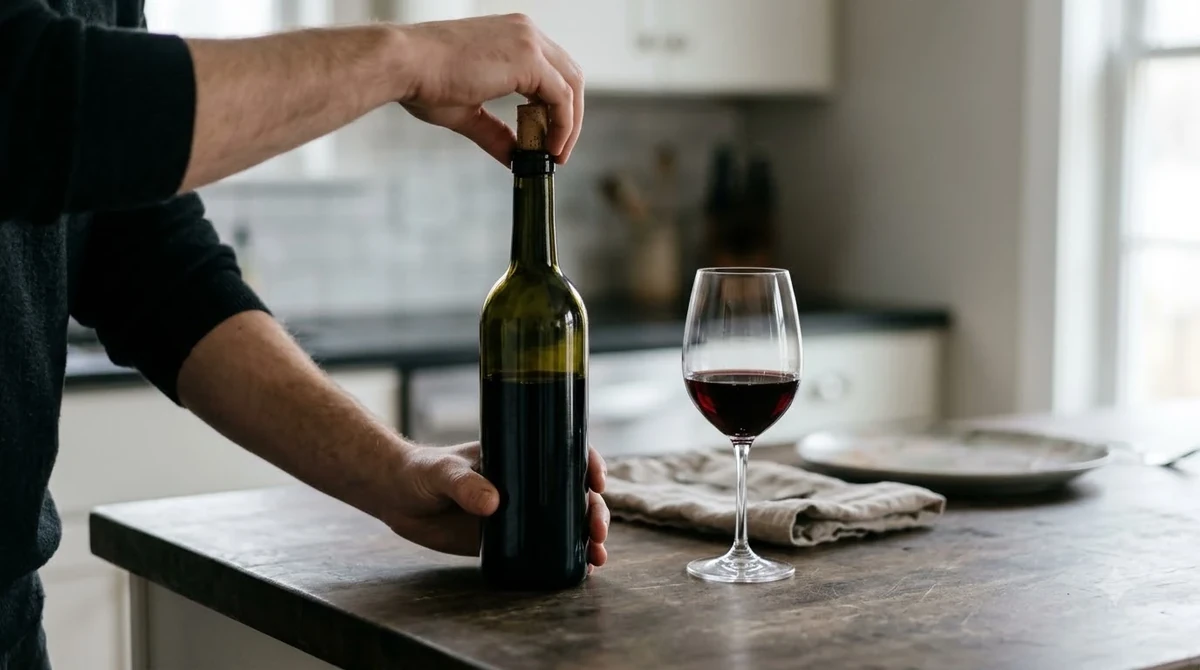
Start with this wine if you enjoy Cabernet Sauvignon flavors but sometimes find heavily extracted California reds too powerful. Cabernet Sauvignon provides the familiar dark-fruit character and firm structure, while Merlot contributes softness and the supporting Bordeaux varieties add complexity. The result is a wine designed to balance fruit, tannin, acidity and oak rather than allowing one component to dominate.
It also makes sense for people who enjoy pairing wine with food. Jordan’s approach favors freshness and moderate alcohol rather than pursuing maximum ripeness. That distinction matters at the dinner table: a red wine with sufficient acidity can complement rich dishes without making every bite feel heavier.
There are also reasons to consider another style. Drinkers who prefer intensely ripe fruit, pronounced sweetness, very high alcohol or exceptionally massive tannins may find Jordan comparatively restrained. Similarly, someone looking for an inexpensive everyday red may not need the additional aging and blending complexity associated with this wine.
Jordan is particularly interesting for Cabernet drinkers exploring Sonoma County. Alexander Valley offers a different regional expression from Napa Valley, and its warm growing conditions support Cabernet Sauvignon while allowing producers to pursue different levels of ripeness and structure.
For readers comparing the producer’s bottling with other wines in its category, the Jordan Cabernet overview provides another useful starting point. The central buying consideration is whether a balanced, food-oriented Cabernet suits the occasion better than a more muscular alternative. Readers exploring other producers can also consult the broader Wine Brands directory for additional background on California wineries and their styles.
Key Factors to Compare
Four considerations matter most when evaluating Jordan Cabernet Sauvignon: its grape blend, regional origin, oak treatment and aging schedule. These factors explain why the wine has a more polished, Bordeaux-influenced personality than many California Cabernet bottlings.
| Buying factor | Jordan’s approach | What it means |
|---|---|---|
| Primary grape | 87% Cabernet Sauvignon in the 2021 vintage | Provides dark fruit, structure and tannin |
| Supporting grapes | 10% Merlot, 2% Petit Verdot, 1% Malbec | Contributes softness, blueberry character and color |
| Appellation | Alexander Valley, Sonoma County | California Cabernet with a regional identity |
| Alcohol | 13.8% ABV in the 2021 vintage | Moderate alcohol relative to many powerful California reds |
| Oak treatment | 100% French oak for 14 months in 2021 | Supports structure and adds oak-derived complexity |
| New oak | 40% in the 2021 vintage | Balances oak influence with fruit character |
| Bottle aging | Two full years before release | Allows fruit, acidity and tannins to integrate |
The figures in this table refer specifically to Jordan’s 2021 Cabernet Sauvignon. Other vintages can have different grape proportions, alcohol levels and barrel allocations. Jordan adjusts its blending decisions according to the characteristics of each harvest instead of applying one fixed recipe.
Grape composition
Cabernet Sauvignon is the foundation of the wine. Its naturally firm tannins, dark fruit flavors and structural character make it suitable for extended aging. However, the supporting varieties are important because they help shape the finished wine rather than simply increasing its complexity on paper.
Merlot softens Cabernet Sauvignon’s firmer tannins and can contribute a rounder impression through the middle of the palate. Petit Verdot adds blueberry-related fruit character and breadth, while Malbec contributes color. The balance between these varieties helps explain Jordan’s preference for a polished, integrated style.
Oak and regional origin
French oak is another important consideration. The 2021 vintage spent 14 months in French oak, with 40% new barrels, 40% one-year-old barrels and 20% two-year-old barrels. This combination provides oak influence without requiring every barrel to contribute the same intensity of new-wood flavor.
Jordan’s vineyards are located in a region with varied terrain and soils. Its vineyard information describes approximately 70 certified sustainable blocks across its Cabernet Sauvignon and Chardonnay operations. For Cabernet, Alexander Valley’s warm conditions, gravel, sand, clay and hillside terrain provide a suitable environment for Bordeaux varieties.
The producer explains its blending and barrel-selection decisions in its Jordan winemaking process overview. This is useful for understanding why the wine’s character involves more than the grape percentage printed on a vintage description.
Step-by-Step: How to Choose Jordan Cabernet Sauvignon
Choosing a bottle becomes easier when you work through vintage, drinking window, intended occasion and storage conditions. Rather than assuming every release tastes identical, compare the specific vintage and its recommended drinking period.
-
Identify the vintage.
Begin with the harvest year printed on the bottle. The 2021 vintage, for example, contains 87% Cabernet Sauvignon, 10% Merlot, 2% Petit Verdot and 1% Malbec. The 2020 vintage has a different composition: 83% Cabernet Sauvignon, 10% Merlot, 6% Petit Verdot and 1% Malbec. These differences can influence the wine’s fruit expression and overall structure.
-
Read the vintage tasting description.
Look for the dominant flavor profile rather than relying on a general description of Cabernet Sauvignon. The 2021 Jordan features mixed berries, blueberry, blackberry, cocoa nib and white pepper, while the 2020 tasting description emphasizes black cherry, currant, boysenberry, cedar, cranberry and clove. This helps set expectations before opening the bottle.
-
Consider the drinking window.
Jordan invests in extended bottle aging before releasing its Cabernet Sauvignon. Its 2021 vintage is recommended for enjoyment after 60 minutes of decanting, with a suggested cellar window extending through 2041. A bottle intended for immediate dinner service and one intended for longer storage therefore require different purchasing decisions.
-
Match the wine to the occasion.
Choose Jordan for dinners featuring beef, lamb, pork, duck or earthy vegetarian dishes. Its balanced acidity and structured tannins work particularly well with food. For casual occasions involving spicy dishes, lighter seafood or delicate salads, a less tannic wine may be more suitable.
-
Check the bottle’s storage history.
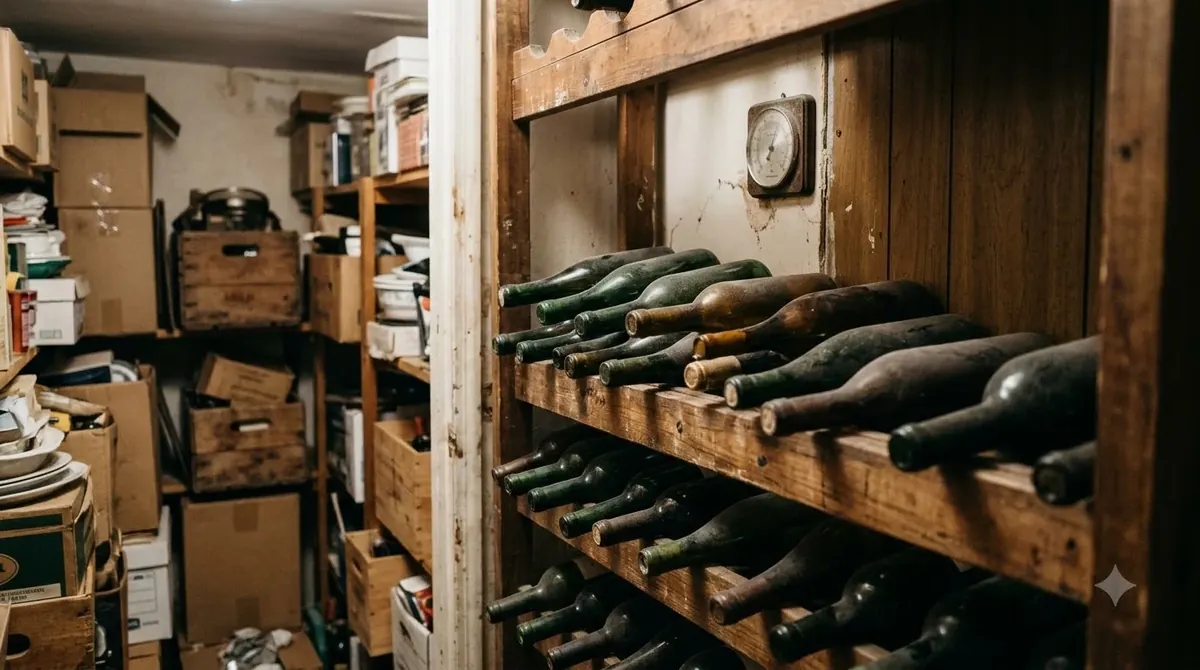
Older vintages deserve additional attention. Ask how the bottle has been stored, particularly if buying from a specialist retailer or private collector. Consistent temperatures, limited light exposure and proper positioning are important for protecting a naturally cork-sealed red wine.
-
Plan the serving preparation.
Give the wine enough time to reach approximately 60–65°F before serving. For the 2021 vintage, Jordan specifically recommends 60 minutes of decanting. A large-bowled red wine glass also gives the wine room to release its aromas.
-
Buy according to your preferences.
If you prefer fresh dark fruit, polished tannins and moderate alcohol, Jordan is a logical candidate. If you specifically seek concentrated fruit, pronounced oak or a much heavier palate, compare other Cabernet styles before deciding.
Tip: When comparing two Jordan vintages, examine the blend percentages, alcohol level and recommended drinking window together. A change in Merlot or Petit Verdot proportions can influence the wine’s balance even when the producer maintains its recognizable house style.
Types or Styles Explained
Jordan’s Cabernet Sauvignon should be understood as a vintage-dependent Bordeaux-style blend rather than a completely uniform varietal wine. The producer maintains a recognizable emphasis on balance, but grape percentages, vineyard selections and barrel decisions change to reflect the conditions of each harvest.
The classic Alexander Valley expression
The main style is dry, structured Cabernet Sauvignon with dark fruit, integrated tannins and noticeable freshness. Black cherry, cassis, blackberry and currant are useful flavor references. Depending on the vintage, herbal, floral, cedar, cocoa and spice characteristics can add further complexity.
Alexander Valley is an important part of this identity. Located in northern Sonoma County, it has a warmer inland climate than the coastal areas of the county. Its terrain includes benchlands and hillsides, with soils containing gravel, sand, clay and other mineral components. These conditions support the Bordeaux varieties that form the foundation of Jordan’s red wine program.
Vintage differences and blending
The 2020 and 2021 releases illustrate how the blend can change. The 2020 vintage uses 83% Cabernet Sauvignon, 10% Merlot, 6% Petit Verdot and 1% Malbec. The 2021 vintage uses 87% Cabernet Sauvignon, 10% Merlot, 2% Petit Verdot and 1% Malbec.
Although the percentages are relatively close, the difference is meaningful when evaluating the wine’s composition. A higher proportion of Cabernet Sauvignon emphasizes the principal variety, while Petit Verdot contributes supporting fruit and palate breadth. Merlot remains an important element in maintaining a smoother overall impression.
Oak-aged Cabernet
Jordan uses French oak to complement the natural fruit rather than overwhelm it. The 2021 release received 14 months of barrel aging, with a combination of new and previously used barrels. This approach allows the wine to develop additional texture and complexity while maintaining its characteristic fruit profile.
Jordan also uses large upright oak tanks during its production process. These vessels play an important role in malolactic fermentation and the early blending of Cabernet Sauvignon components. The winery describes this stage as a way to allow young wine lots to meld and their tannins to soften before small-barrel aging.
Young versus mature bottles
A younger bottle generally emphasizes dark fruit, fresh acidity and more noticeable structure. With appropriate bottle aging, those primary fruit characteristics can develop alongside more mature notes such as cedar, leather, tobacco and earthy complexity. The exact evolution depends on vintage conditions and storage quality.
Jordan’s extended bottle-aging program is particularly relevant here. The winery holds Cabernet Sauvignon for two full years in bottle before release and describes approximately four years after harvest as a point when the wine can become beautifully expressive. This does not mean every vintage reaches its peak at precisely the same time, but it provides useful context for buying and serving decisions.
Common Mistakes
Several assumptions can lead to disappointment when buying or serving Jordan Cabernet Sauvignon. The most common mistakes involve expecting every vintage to taste identical, treating all Cabernet Sauvignon as equally powerful and overlooking the wine’s recommended preparation.
Assuming every vintage has the same blend
Jordan adjusts its Bordeaux varieties according to the characteristics of each harvest. The difference between the 2020 and 2021 blends demonstrates why the vintage matters. Looking only at the producer’s name without considering the individual release can result in incorrect expectations about the wine’s composition.
Expecting an extremely powerful Napa-style profile
Jordan comes from Alexander Valley in Sonoma County, not Napa Valley. It emphasizes balance, acidity and integrated tannins rather than making maximum concentration its primary objective. Drinkers who expect an especially ripe, heavy Cabernet may interpret its more restrained character as a lack of intensity, when it is actually a deliberate stylistic distinction.
For a useful comparison, readers interested in a more fruit-forward California Cabernet can explore Caymus Cabernet. Comparing its general stylistic direction with Jordan’s Bordeaux-inspired approach helps clarify the difference between a richer, more concentrated profile and a more restrained, food-oriented one.
Serving the wine too warm
Full-bodied red wines are often served too close to normal room temperature. Excessive warmth can make alcohol feel more pronounced and obscure the wine’s freshness. Jordan Cabernet Sauvignon is better served around 60–65°F, which helps its fruit, acidity and tannins remain balanced.
Skipping decanting
Young Cabernet Sauvignon can benefit from aeration because its tannins and concentrated fruit may initially seem closed. Jordan recommends 60 minutes for its 2021 vintage. This gives the wine time to open up and makes it easier to appreciate its fruit, spice and structural details.
Pairing it with unsuitable food
Cabernet Sauvignon has relatively high tannin, so food choices matter. Fat and protein-rich dishes help soften the impression of tannin, making grilled beef, lamb and duck natural partners. Oily fish can clash with tannic reds, while chili heat can become more pronounced alongside alcohol and tannin.
Another common mistake is pairing a dry Cabernet with a very sweet sauce. Sweet food can make dry wine seem harsher and less fruity. If a dish contains noticeable sweetness, a wine at least as sweet as the food is generally the safer pairing choice.
Care or Storage Tips
Proper storage and serving preparation help protect Jordan Cabernet Sauvignon’s structure and aging potential. The main priorities are a consistent cool temperature, protection from light and vibration, appropriate bottle positioning and enough preparation time before pouring.
Store at a consistent temperature
A temperature near 55°F is a useful target for long-term Cabernet Sauvignon storage. Consistency is more important than repeatedly adjusting the temperature in pursuit of an exact reading. Large fluctuations can accelerate unwanted aging and reduce the wine’s ability to develop gracefully.
Keep bottles away from direct sunlight, kitchen heat and appliances that produce frequent temperature changes. A dedicated wine refrigerator is useful for collectors who intend to hold several bottles over multiple years. A cool, dark storage area can also work if the temperature remains relatively stable.
Keep natural-cork bottles on their sides
Jordan uses natural cork for its Cabernet Sauvignon. Storing the bottle horizontally helps maintain contact between the wine and the cork, reducing the risk of the closure drying out. Avoid frequent movement and vibration, especially when keeping bottles for extended periods.
Serve at the right temperature
Serve Jordan Cabernet Sauvignon at approximately 60–65°F. If the room is warm, briefly chilling the bottle before service can help prevent the wine from becoming overly warm in the glass.
A large Bordeaux-style glass is a practical choice because its generous bowl provides room for swirling and releases the aromas of dark fruit, herbs, oak and spice. Pour approximately 5 ounces per serving. A standard 750 ml bottle provides roughly five glasses at this serving size.
Decant according to age and condition
For young bottles, aeration can help reveal the wine’s aromas and soften the initial impression of tannin. Jordan recommends 60 minutes for the 2021 release. A wide-based decanter is suitable for this purpose because it increases the wine’s exposure to air.
Older bottles require a different approach. If sediment has developed, stand the bottle upright for a day or two before opening, then pour carefully to separate the clear wine from the sediment. Very mature Cabernet can lose its most delicate aromas if exposed to excessive air, so avoid automatically applying the same decanting period used for a young vintage.
Preserve opened bottles
After opening, reseal the bottle and keep it refrigerated. Most still wines remain enjoyable for approximately three to five days under suitable conditions, although their aromas and flavors gradually change. Allow the remaining wine to approach its serving temperature before pouring again.
For collectors, buying several bottles of the same vintage can also provide an opportunity to follow the wine’s development. Open one bottle while the wine is relatively young, then compare another after additional cellar time. This approach is more informative than assuming every Cabernet improves indefinitely.
Frequently Asked Questions
Is Jordan Cabernet Sauvignon a single-varietal wine?
No. Despite its Cabernet Sauvignon name, Jordan uses a Bordeaux-inspired blend. Its 2021 vintage contains four varieties, including Cabernet Sauvignon, Merlot, Petit Verdot and Malbec. The precise proportions can change between vintages.
Does Jordan Cabernet Sauvignon contain residual sugar?
Jordan’s 2020 Cabernet Sauvignon lists residual sugar at 0.03%, indicating a very dry wine. This makes it appropriate for savory dishes rather than desserts. Its dark fruit aromas should not be confused with actual sweetness.
Does Jordan Cabernet Sauvignon use natural cork?
Jordan describes using premium natural cork for its Cabernet Sauvignon. The winery also tracks cork sourcing and conducts quality testing to help identify potential closure problems. This is relevant to collectors because cork condition can influence the long-term preservation of an aged bottle.
Can Jordan Cabernet Sauvignon develop bottle sediment?
Yes. Sediment can develop naturally as red wine ages, particularly in bottles that have spent several years in storage. It is generally a normal part of wine maturation rather than an automatic indication of spoilage. Careful pouring or gentle decanting helps keep sediment out of the glass.
What glass shape works best for Jordan Cabernet Sauvignon?
A large Bordeaux-style glass is a suitable option because its relatively tall bowl and broad opening accommodate structured red wine. The shape allows room for swirling and helps concentrate aromas toward the nose. Avoid filling the glass too high, since additional space makes evaluating the wine easier.
Jordan Cabernet Sauvignon is a compelling option for people who want Sonoma Cabernet with dark-fruit character, structured tannins and a polished, food-friendly finish. Its Bordeaux-inspired blend and extended aging distinguish it from more aggressively styled California reds. Compare individual vintages, serve the wine at the right temperature and choose a bottle that matches your preferred balance of fruit, acidity and oak.
More in Wine Brands
 Pedernales Wine Price: Compare Bottles and Find Your Best ValueUpdated Nov 21, 2026
 Opus One Overture Wine Price and What Buyers GetUpdated Nov 21, 2026
 Oddbird Wine Price: What to Expect Before You BuyUpdated Nov 21, 2026
 Norton Wine Review: Choose the Right Mendoza WineUpdated Nov 21, 2026
 Noughty Wine Review: How to Choose the Right Alcohol-Free BottleUpdated Nov 21, 2026
 Odette Wine Price: Compare Estate and Reserve Bottles Before BuyingUpdated Nov 21, 2026