

We may earn a commission when you buy through links on this page, at no extra cost to you. Learn more.
The typical pedernales wine price ranges from about $15 to $30 for accessible bottles, while reserve wines and premium selections can cost approximately $40 to $68. Pedernales Cellars is a Texas winery known for Tempranillo, Viognier, and Rhône-inspired blends, with different price levels across its portfolio. Your final cost depends on the wine style, bottling, vintage, retailer, and whether you purchase directly from the winery or through a local store.
Pedernales Cellars offers an interesting alternative to familiar California and European wines, particularly for shoppers interested in Texas-grown grapes and distinctive regional character. Its entry-level bottles provide a relatively accessible introduction, while its reserve and limited-production wines appeal to people looking for more specialized selections. Understanding the differences between these categories makes it easier to choose a bottle that fits both your preferences and your budget.
Who This Pedernales Wine Price Guide Is For
This guide is for shoppers comparing Texas wines, deciding whether a Pedernales bottle offers good value, or choosing between an everyday wine and a more expensive reserve selection. The winery’s portfolio includes approachable whites, structured reds, and blends, so the right purchase depends on what you plan to drink rather than the price alone.
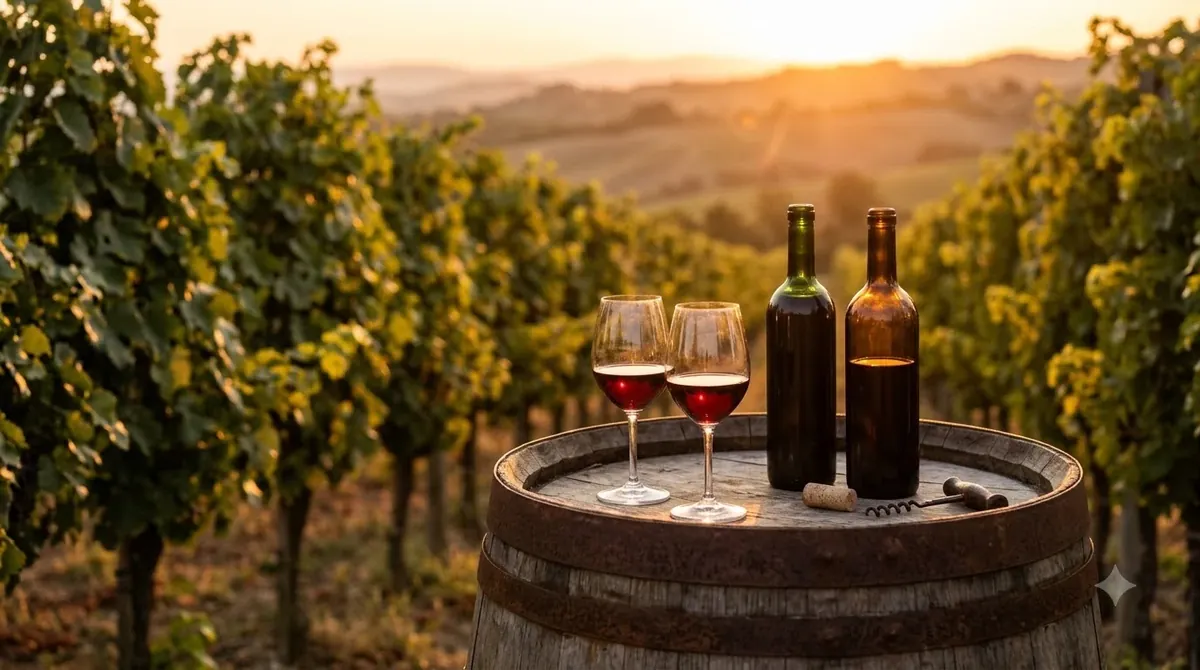
Pedernales Cellars is based in Stonewall, Texas, and was established in 2006 by siblings Julie and David Kuhlken. Its history is closely connected to the family’s Kuhlken Vineyards, planted in 1995. Decanter reports that the winery has approximately seven hectares of estate vineyards and sources around 75% of its fruit from the Texas High Plains AVA. This combination of Hill Country winemaking and High Plains grapes helps explain the range of varieties and styles in its catalog.
Shoppers who already enjoy Spanish reds may find Tempranillo particularly appealing. Those who prefer aromatic whites can begin with Viognier, while fans of southern French blends may want to investigate GSM. These wines provide different experiences, so comparing their grape varieties and intended drinking occasions is more useful than choosing exclusively by the lowest shelf price.
The guide is also useful for people planning a visit to the winery. Retail bottle prices and tasting experiences are separate expenses, and a winery visit can provide an opportunity to compare several styles before committing to a more expensive bottle. Readers exploring the broader Wine Brands category can use the same approach when comparing other American producers.
Key Factors to Compare When Shopping for Pedernales Wine
The most important pricing differences come from wine category, grape variety, bottling designation, and retailer. Entry-level Viognier and Tempranillo provide useful reference points, while reserve wines and specialized vineyard bottlings occupy a higher spending category.
| Wine or category | Typical US retail price range | What to expect | Best suited to |
|---|---|---|---|
| Texas Viognier | About $15–$20 | Aromatic white with citrus and stone-fruit character | White wine drinkers |
| Texas Tempranillo | About $19–$30 | Medium-bodied red with cherry and earthy notes | Spanish red wine fans |
| Texas GSM Mélange | About $20–$38 | Red blend with Rhône-inspired character | Red blend enthusiasts |
| Specialty white wines | About $24–$40 | Distinctive grape varieties and selected bottlings | Adventurous white wine drinkers |
| Reserve and premium reds | About $40–$68 | More specialized selections and reserve bottlings | Collectors and special occasions |
These are indicative shopping ranges rather than guaranteed prices for every vintage. The entry-level figures are supported by retailer listings: H-E-B lists Pedernales Viognier at approximately $17.86 and Tempranillo at approximately $20.99, while Total Wine lists the Texas Tempranillo around $20.99. DailyVino’s broader selection includes wines from approximately $20 to $68. Retailer prices vary by state and retailer, and shipping and taxes can add to the final cost.
One useful distinction is the difference between a standard varietal bottling and a reserve wine. A regular Tempranillo gives shoppers an introduction to the winery’s signature red grape, whereas a reserve selection represents a different purchasing category. The higher price should therefore be evaluated against the specific wine, vintage, and production details rather than treated as an automatic indication that it will suit every drinker.
Retail price versus winery tasting expenses
Another factor is whether you are budgeting for a bottle or a tasting. Pedernales Cellars offers guided experiences with different menus, including dedicated Tempranillo and cellar-tour options. These experiences should not be confused with the price of a bottle purchased for home consumption.
For anyone visiting Stonewall, the winery’s tasting room is at 2916 Upper Albert Road. The official Pedernales Cellars visitor FAQ explains its reservation arrangements, food policies, and visitor facilities. Checking the available tasting options before traveling helps prevent an unexpected difference between your tasting budget and your bottle-shopping budget.
Tip: Compare the same wine category and bottle size before judging value. A standard Viognier should be compared with another standard white bottling, not with a Tempranillo Reserve or a limited-production red blend.
Step-by-Step: How to Find the Right Pedernales Bottle
A simple buying process helps narrow the portfolio without paying extra for a style you may not enjoy. Start with the grape variety, establish a spending limit, and compare available bottles from at least two retailers.
-
Set your spending range.
Decide whether you want an accessible bottle around $15 to $30 or are comfortable spending approximately $40 to $68 on a reserve or premium selection. A clear budget helps eliminate wines that do not fit your intended occasion.
-
Choose a preferred wine color and style.
For a white wine, start with Viognier. For a red, compare Tempranillo with GSM. If you are uncertain about your preferences, buying a standard white and a standard red is a practical way to explore the winery’s range without immediately moving into its premium category.
-
Compare the exact bottling.
Look for the complete wine name, grape variety, vintage, and bottle size. A standard Texas Tempranillo is not necessarily interchangeable with a Tempranillo Reserve, and different vintages may be listed separately by retailers.
-
Check multiple retailers.
Compare listings from H-E-B, Total Wine, and specialist wine shops. For example, H-E-B provides separate listings for Viognier and Tempranillo, while Total Wine lists Texas GSM alongside the winery’s other selections. Availability can differ substantially between locations.
-
Consider the drinking occasion.
An aromatic white may be more appropriate for a casual lunch, while a Tempranillo or GSM can suit grilled meat and heartier meals. Reserve selections may be better suited to a dinner or gift where a more specialized wine is desired.
-
Check the final purchase cost.
Include applicable sales taxes, delivery fees, and shipping charges. A bottle that appears inexpensive online may cost more after transportation charges, especially when ordering a single bottle from a specialist retailer.
-
Buy from a reliable seller.
Use established retailers or the winery’s own shopping channels. Check the bottle condition, vintage, and availability before completing your purchase. If you are visiting Texas, purchasing directly from the tasting room is another way to explore the current selection.
This process is especially useful when a retailer lists several Pedernales wines at different prices. Instead of assuming the most expensive bottle is the best purchase, identify the style you want first and then compare the available options within that category.
Pedernales Wine Types and Styles Explained
Pedernales Cellars has a varied portfolio, but three categories are especially useful starting points: Viognier, Tempranillo, and GSM. Understanding their grape characteristics makes it easier to connect the bottle price with your preferred drinking experience.
Viognier: An aromatic white wine
Viognier is a good starting point for people who enjoy expressive white wines. It is known for floral aromas and ripe fruit character, often showing peach, apricot, citrus, and sometimes honey-like impressions. The H-E-B description of Pedernales Cellars Viognier specifically identifies grapefruit, orange, peach, and honey aromas, followed by a crisp and clean dry finish.
Retail listings place the standard Viognier among the more accessible Pedernales selections. H-E-B’s listed price is approximately $17.86 for a 750 ml bottle, while Total Wine has listed its Texas Viognier around $14.99. These retailer examples suggest that the standard bottling can be a sensible starting point for someone who wants to explore Texas white wine without moving directly into premium selections.
Serve Viognier around 50–55 degrees Fahrenheit if it has a fuller texture. This temperature allows its aromatic character to remain noticeable without making the wine feel excessively cold. It can accompany roasted chicken, creamy dishes, and moderately seasoned seafood.
Tempranillo: The signature red grape
Tempranillo is one of the most recognizable grapes in Spanish wine, particularly in Rioja. It also has an important role in the Pedernales Cellars portfolio. Decanter identifies Tempranillo as the heart of the winery’s wine program, with examples ranging from single-variety wines to blends and Port-style fortified selections.
The standard Texas Tempranillo is a useful reference point when assessing the winery’s retail prices. Total Wine lists a 750 ml bottle at approximately $20.99, while H-E-B also lists a comparable bottle around $20.99. Historical and current retailer listings may show different figures depending on vintage and location, so a realistic shopping allowance is approximately $19 to $30 for an accessible bottle.
In terms of flavor, Tempranillo commonly offers cherry, plum, savory earthiness, and spice. The H-E-B description of the Pedernales bottling mentions cherry, dark chocolate, earthy mineral aromas, and moderate spice on the finish. Its medium-bodied character makes it a flexible option for grilled vegetables, burgers, roasted chicken, and moderately rich meat dishes.
For serving, aim for approximately 55–60 degrees Fahrenheit if the wine has a lighter, fresher profile. This is cooler than many household room temperatures and helps maintain freshness while allowing the fruit and savory aromas to develop.
GSM Mélange: A Rhône-inspired red blend
GSM refers to Grenache, Syrah, and Mourvèdre, three grape varieties associated with the Rhône region of France. The proportions can vary, creating different combinations of fruit, acidity, body, and tannin. Pedernales Cellars includes Texas GSM Mélange in its range, giving shoppers an alternative to single-variety Tempranillo.
DailyVino lists a Pedernales Texas GSM Mélange among the winery’s catalog, with a displayed retailer-derived price of approximately $38 for one listed bottling. Total Wine’s standard Texas GSM listing has also appeared around $20.99. The difference illustrates why shoppers should identify the exact bottling and vintage before comparing prices. Retailer prices vary by state and retailer.
GSM blends can work well with barbecue, grilled sausages, roasted vegetables, and dishes containing herbs and tomato. Their combination of red fruit, darker fruit, spice, and varying tannin levels makes them versatile dinner wines. They are a useful option for someone who likes red wine but wants something different from a traditional single-variety Tempranillo.
Reserve and specialty selections
The reserve category is where the portfolio moves into higher spending levels. DailyVino’s listings include Vintner’s Reserve, Family Reserve, Valhalla, and Tempranillo Reserve, with displayed prices extending from approximately $45 to $68 for several examples. These listings indicate a clear separation between the everyday range and the more specialized end of the catalog.
Specialty white wines also broaden the selection. The winery’s broader catalog includes varieties such as Roussanne, Vermentino, and other white bottlings. These options can appeal to shoppers already familiar with mainstream Chardonnay and Sauvignon Blanc who want to explore different grape varieties.
For readers comparing different producers, the Pedernales wine overview offers a useful starting point for understanding the winery’s portfolio. It is also helpful to compare the wine styles rather than assuming that all Texas wines have the same flavor profile or price structure.
Common Mistakes When Comparing Pedernales Prices
Most pricing mistakes happen because shoppers compare different wine categories or overlook retailer-specific details. Checking the bottling name, vintage, bottle size, and final purchase cost can prevent misleading comparisons.
Comparing standard wines with reserve bottlings
A standard Tempranillo and a Tempranillo Reserve may share the same principal grape variety, but they belong to different purchasing categories. The reserve bottling may involve a different selection of fruit, production approach, or intended market position. A higher retail price should be evaluated in the context of those differences rather than assumed to represent a simple upgrade in quality.
The same principle applies to blends. A standard GSM Mélange should not automatically be compared with a premium red blend such as Vintner’s Reserve. The names and category distinctions matter when assessing whether the extra expenditure is appropriate.
Ignoring vintage differences
Wine changes from vintage to vintage because growing conditions affect grape development. A retailer may have an older vintage at a different price from a newer release, and those bottles are not necessarily identical purchasing options. Check the vintage when comparing two listings, especially for reserve wines and single-vineyard selections.
Assuming every retailer charges the same amount
Prices can vary because of distribution, local inventory, retailer pricing policies, and shipping costs. A bottle listed at one Texas supermarket may not be available at the same price in another city or state. Online retailers can also show outdated vintages or sold-out listings, so an advertised figure does not guarantee that the bottle is available to purchase.
Choosing solely by the lowest price
A lower-priced wine is not automatically the better purchase if it does not match your preferred style. Someone who enjoys aromatic whites may prefer Viognier over a cheaper red blend, while a Tempranillo enthusiast may find more satisfaction in spending a little more on the red wine they actually enjoy.
Think about the occasion, food pairing, and expected number of guests. A standard bottle may be ideal for a weekday dinner, whereas a reserve selection may make more sense for a celebratory meal. The right decision is the bottle that fits the occasion and the budget together.
Confusing winery tasting prices with bottle prices
A guided tasting is an experience rather than a retail bottle purchase. Pedernales Cellars offers different tasting formats, and the costs can be separate from any wine purchased afterward. A visitor planning to taste several wines should include the experience in the overall trip budget instead of treating it as the cost of a single bottle.
Care, Serving, and Storage Tips for Pedernales Wines
Proper storage and serving conditions help preserve the character of both affordable and premium bottles. Keep unopened wine away from heat and direct sunlight, and use suitable serving temperatures for white and red wines.
Store unopened bottles correctly
For bottles sealed with natural cork, horizontal storage helps maintain contact between the cork and wine. A consistent temperature near 55 degrees Fahrenheit is a useful target for longer-term storage. Avoid placing bottles beside ovens, radiators, sunny windows, or appliances that generate heat.
Temperature fluctuations can be more damaging than a modest deviation from the ideal storage temperature. A cool, dark cupboard can work for bottles intended for relatively early consumption, while a dedicated wine refrigerator offers better control for someone keeping several bottles over a longer period.
Serve whites and reds at appropriate temperatures
Pedernales Viognier is best served around 50–55 degrees Fahrenheit, while a lighter Tempranillo can be served around 55–60 degrees Fahrenheit. A fuller red may be more comfortable around 60–65 degrees Fahrenheit. These ranges help prevent cold temperatures from masking aromas and excessive warmth from making alcohol more noticeable.
Avoid relying on the phrase room temperature for red wine. Modern indoor environments can be considerably warmer than the traditional cellars where this serving advice originated. A short period in the refrigerator can help bring a bottle into a more suitable range.
Use sensible pouring and preservation practices
A standard 750 ml bottle provides approximately five servings when each glass contains 5 ounces. This is a useful calculation for planning dinner parties and estimating how many bottles to purchase. If six adults each want two glasses, for example, approximately three bottles will be needed.
After opening, reseal still wines and refrigerate them. Most opened still wines are best consumed within approximately three to five days, depending on their style and condition. Use a proper sparkling-wine stopper for sparkling bottles, which generally retain their best character for approximately one to three days after opening.
Tempranillo and GSM can benefit from some exposure to air, especially when the wine is young and relatively structured. A young full-bodied red may benefit from approximately 30–60 minutes of decanting. Lighter bottles generally need less time, so avoid automatically decanting every Pedernales red for the same duration.
Match food with the wine’s structure
Tempranillo works well with grilled beef, roasted pork, and dishes containing herbs or tomatoes. GSM can accompany barbecue and roasted vegetables, while Viognier is a natural match for poultry and moderately rich dishes. Acidic foods generally work best with wines that have comparable or higher acidity, while salt and fat can soften the perception of tannin in red wines.
Be careful with very spicy food and higher-alcohol or tannic reds because the combination can make chili heat feel stronger. Likewise, heavily tannic reds are generally less suitable for oily fish. Matching the food with the wine’s structure can make a moderately priced bottle more enjoyable than choosing a more expensive wine with an unsuitable dish.
Frequently Asked Questions
Is Pedernales Cellars a Texas winery?
Yes. Pedernales Cellars operates in Stonewall, Texas, near the Texas Hill Country wine region. The winery’s portfolio includes grapes sourced from the Texas High Plains AVA, so its wines can reflect fruit from more than one Texas growing area.
Does Pedernales Cellars offer wine club memberships?
Yes. The winery operates a wine club with member-specific tasting experiences and other benefits. Its wine club FAQ also explains that members can have purchased bottles held for up to three months before the winery may substitute a wine of similar retail value.
Can visitors bring dogs to Pedernales Cellars?
Leashed dogs are welcome on the winery’s deck and lawn. They cannot enter the tasting room or production facility. Visitors should plan outdoor seating accordingly and keep pets supervised during their visit.
Does Pedernales Cellars allow visitors to bring their own food?
Visitors may bring a picnic to enjoy on the lawn before or after their tasting. Picnics are not permitted during a tasting, and outside alcoholic beverages are prohibited. The winery also offers selected snack items and cheese plates.
How far is Pedernales Cellars from Fredericksburg?
Decanter describes the winery as approximately a 20-minute drive southeast of Fredericksburg, Texas. Its address is 2916 Upper Albert Road in Stonewall, making it a practical stop for visitors exploring the Highway 290 wine route.
Pedernales Cellars offers several price levels, from approachable Viognier and Tempranillo to more specialized reserve wines and premium blends. For most shoppers, starting with a standard varietal bottle is the easiest way to discover the winery’s style before spending more on its higher-tier selections. Compare the exact bottling and vintage across retailers, and choose the wine that best matches your taste, meal, and budget.
More in Wine Brands
 Underwood Wine Review: How to Pick the Right Bottle or CanUpdated Nov 21, 2026
 Villa Sandi Wine Price: Compare Bottles and Find the Right WineUpdated Nov 21, 2026
 Veuve Clicquot Yellow Label Review: How to Choose and Enjoy This ChampagneUpdated Nov 21, 2026
 Villa Maria Wine Review: Find the Right New Zealand BottleUpdated Nov 21, 2026
 Vega Sicilia Wine Review: Choose the Right Spanish WineUpdated Nov 21, 2026
 Trimbach Riesling Review: Pick the Right Dry Alsace StyleUpdated Nov 21, 2026