

We may earn a commission when you buy through links on this page, at no extra cost to you. Learn more.
The underwood wine review takeaway: Underwood is a practical choice for approachable Oregon wine, especially if you want Pinot Noir, Pinot Gris, rosé, or sparkling wine in a bottle or easy-to-carry can. Its strengths are variety, portability, and everyday drinkability rather than a focus on rare bottlings or elaborate cellar-aged wines. The best choice depends on whether you want a light red, crisp white, pink wine, or bubbles—and whether a 250 ml or 355 ml can fits the occasion better than a full bottle.
Underwood is the flagship everyday label from Oregon’s Union Wine Company. The range has grown beyond the Pinot Noir and Pinot Gris that helped establish its identity: shoppers can also find rosé, sparkling wines, Sauvignon Blanc, Chardonnay, Cabernet Sauvignon, a fruit-forward First Crush option, and a nonalcoholic rosé sparkling wine. Availability varies by product, package, vintage, and retailer, so it pays to compare the style first and the format second.
Who This Is For
Underwood is best suited to people who want a straightforward wine for dinner, a picnic, a casual gathering, or a low-fuss glass at home. Its canned formats make particular sense when portability and portion size matter more than the ceremony of opening a bottle.
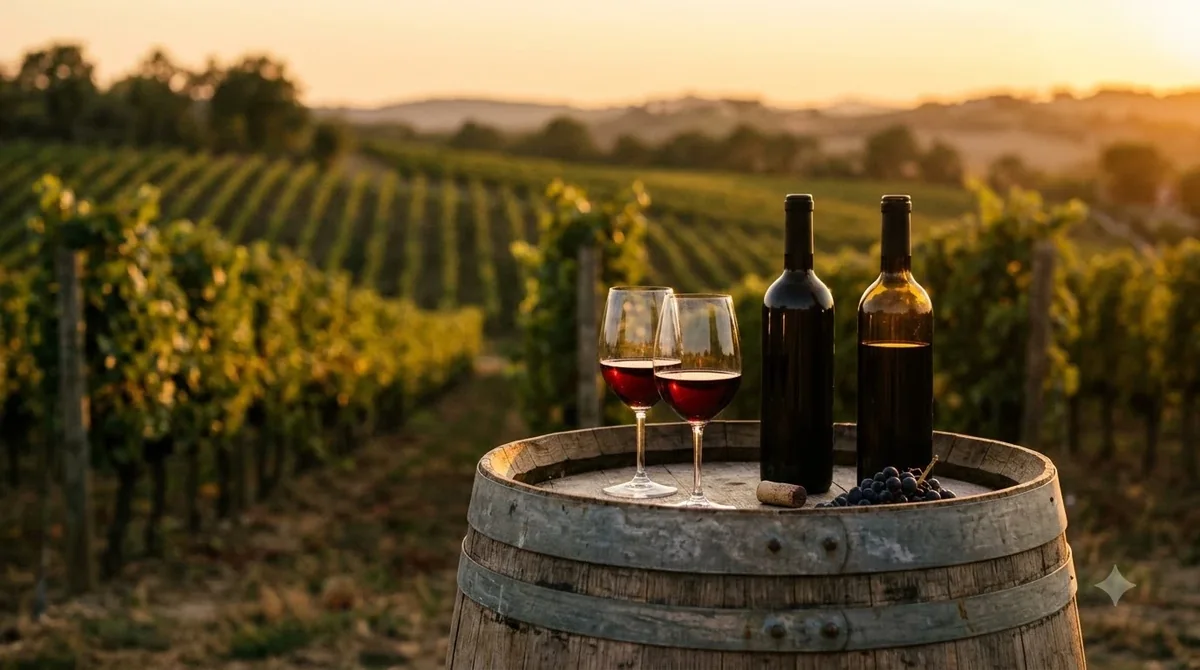
It is a sensible label for a wine drinker who enjoys familiar grapes and approachable flavors. The Pinot Noir is the natural starting point for someone who likes lighter reds, while Pinot Gris gives white-wine drinkers a fresh, fruit-led option. A buyer who wants a more formal gift, a single-vineyard wine, or a bottle selected primarily for long-term cellaring may prefer to look beyond this everyday range.
Underwood lists 250 ml and 355 ml cans across parts of its range, alongside 750 ml bottles for core wines such as Pinot Noir, Pinot Gris, and rosé. Those sizes equal roughly 1.7, 2.4, and five standard 5 oz pours respectively. Cans suit outdoor settings where portability matters; bottles make it easier to pour small tastes around a dinner table.
Readers comparing the label as a whole can start with our overview of underwood wine, then narrow the choice to a specific color or style.
Key Factors to Compare
Choose an Underwood wine by matching grape, body, sweetness, alcohol level, and package size to the way you plan to drink it. The same brand name covers several different wine styles, so a Pinot Noir and a can of Bubbles should not be treated as interchangeable purchases.
| Style | Typical direction | Formats listed by the producer | Good starting point |
|---|---|---|---|
| Pinot Noir | Light to medium body; cherry, blackberry, cola, and earthy notes | 750 ml bottle; 355 ml and 250 ml cans | Pizza, roast chicken, burgers, or a lighter red preference |
| Pinot Gris | Crisp white with lemon, apple, and pear character | 750 ml bottle; 355 ml and 250 ml cans | Seafood, salads, grilled vegetables, and casual lunches |
| Rosé | Fresh pink wine; a past vintage review described watermelon and a light body | 750 ml bottle; 355 ml and 250 ml cans | Picnics, grilled food, and mixed groups |
| The Bubbles | Dry sparkling wine; producer lists 11% ABV and 9.7 g/L residual sugar | 355 ml and 250 ml cans | Brunch, appetizers, and a sparkling-wine occasion |
| Rosé Bubbles | Dry sparkling rosé; producer lists 11% ABV and 9.4 g/L residual sugar | 355 ml and 250 ml cans | Salty snacks, cheese boards, and celebrations |
| Other releases | Sauvignon Blanc, Chardonnay, Cabernet Sauvignon, First Crush, and nonalcoholic Rosé Bubbles | Formats vary by release; cans are common | Buy by the preferred grape or by whether you want alcohol-free bubbles |
Union says most still Underwood wines fall between 12% and 14% ABV, while sparkling wines are generally lower. The nonalcoholic Rosé Bubbles is a distinct option at less than 0.5% ABV. Union describes The Bubbles and Rosé Bubbles as dry, listing 9.7 and 9.4 grams per liter of residual sugar respectively; a pink color or sparkling format does not automatically mean sweet wine.
For the maker’s descriptions and current formats, consult the Union Wine Company FAQ alongside retailer listings. “Rosé” and “Rosé Bubbles” are separate styles, one still and the other carbonated.
Step-by-Step: How to Choose a Bottle or Can
A quick selection process makes the range easier to understand: decide the color and style, match it to the food, choose the serving format, then chill or serve it at the right temperature. That approach is more reliable than choosing by package design alone.
- Start with the occasion. For a picnic, boat trip, concert, or informal outdoor meal, a can is the more practical package. For a dinner where several people will taste and compare wines, choose a 750 ml bottle when that wine is offered in bottle format.
- Pick the broad style. Choose Pinot Noir for a lighter red, Pinot Gris or Sauvignon Blanc for a crisp white, Rosé for a still pink wine, and The Bubbles or Rosé Bubbles for sparkling wine. The nonalcoholic Rosé Bubbles is the option to consider when you want a sparkling pour with less than 0.5% ABV.
- Match the wine to the meal. Pinot Noir works with tomato-sauce pizza, burgers, roast chicken, and grilled salmon. Pinot Gris is a natural fit for shellfish, salads, and lighter seafood. Rosé and sparkling wine can cover a mixed table with cheese, vegetables, salty snacks, and grilled dishes.
- Choose the portion size. A 250 ml can provides roughly 1.7 standard 5 oz pours, while a 355 ml can provides about 2.4. A 750 ml bottle yields around five 5 oz glasses, so consider the number of drinkers and whether the wine will be finished after opening.
- Check the vintage and product details. Wine is an agricultural product, and Union notes that different harvest conditions can shift freshness, acidity, and ripeness. For canned wine, the bottom of the can carries both a vintage line and a packaging-date line.
- Serve it at a suitable temperature. Chill Pinot Gris, Sauvignon Blanc, Rosé, and sparkling wines to about 45–50°F. Serve Pinot Noir slightly cool, around 55–60°F, rather than warm room temperature.
This process also prevents overbuying: try a single can to learn a style before choosing several bottles, or select the bottle format when you already know the wine suits a multi-person meal.
Tip: Pour still Underwood wines into a glass when aroma matters, especially Pinot Noir and Pinot Gris. The producer says the can opening can limit how much aroma reaches you; for sparkling wine, drinking from the can can help keep the bubbles lively.
Types and Styles Explained
Underwood’s core appeal is that it offers familiar grape varieties in casual formats, not that every wine follows one house flavor. Pinot Noir, Pinot Gris, and rosé form a useful starting trio, while the sparkling range and additional white and red releases give shoppers more specific choices.
Pinot Noir: The approachable red
Underwood Pinot Noir suits drinkers who prefer freshness and red-fruit character over heavy oak and firm tannin. The brand description lists cherry, blackberry, and cola; a Wine Enthusiast quotation reproduced by the distributor describes raspberry, earth, and stem-like accents. Pinot Noir generally has lower to medium tannin and bright acidity, making it a versatile match for tomato-based dishes, mushrooms, roast poultry, and salmon. For the red bottling, see our Underwood red wine overview.
Pinot Gris and other whites
Underwood Pinot Gris is described with lemon, apple, and pear notes: a fresh, fruit-led style rather than a heavily oaked Chardonnay. It suits shellfish, white fish, salads, and grilled vegetables. Sauvignon Blanc is another listed release for citrus and herbal preferences, while Chardonnay offers a rounder white-wine direction. Formats and availability vary; compare the exact vintage at the retailer. See our Underwood white wine guide for more detail.
Rosé and sparkling wines
Still Rosé suits warm-weather meals, grilled vegetables, and picnic food. A Willamette Week review of a 2015 canned vintage described a light body, watermelon, and a bread-like note; treat that as a reference to one vintage, not a guarantee about a current release.
The Bubbles and Rosé Bubbles are sparkling options. Union lists both at 11% ABV and below 10 g/L residual sugar. Its lineup also includes a Pride can and a nonalcoholic Rosé Bubbles made from real wine grapes and dealcoholized to less than 0.5% ABV.
Other releases and limited availability
Cabernet Sauvignon and First Crush broaden the choice beyond the core Pinot varieties; listings also show Chardonnay and Sauvignon Blanc in cans. Availability shifts by vintage, season, and distributor, so do not assume every store carries the full range. Union Wine Company is an Oregon winery founded by Ryan Harms in 2005; Underwood is its everyday label, distinct from portfolio names such as Kings Ridge, Amity Vineyards, and Alchemist. For broader label comparisons, see our Wine Brands guide.
Common Mistakes
The most common buying errors are treating every Underwood wine as the same style, confusing the two sparkling rosés, and assuming that one can equals one standard glass. A little attention to grape, format, and serving size prevents those mismatches.
Confusing Rosé with Rosé Bubbles: Still Rosé is not carbonated; Rosé Bubbles is sparkling. Choose the latter for a toast or salty appetizers, and the still wine for a picnic meal.
Assuming every can is one serving: A 355 ml can supplies a little more than two 5 oz pours, while 250 ml is about 1.7 pours. Can volume is not an instruction to finish it alone or share it.
Serving Pinot Noir too warm: The producer recommends 55–60°F for this light red. A short chill can keep the fruit fresh at an outdoor meal.
Expecting a collectible wine: Underwood is positioned for everyday use and accessible formats, not rare vineyard bottlings or long-term cellar projects. Also avoid assuming each vintage tastes identical: Union says cooler growing conditions can preserve acidity while warmer ones can produce rounder, riper flavors.
Judging the wine by its container: A can is packaging, not a grape variety or a quality grade. Union says the canned wine uses the same wine as its bottled counterpart; a glass simply gives still wines more room to release aroma.
Care and Storage Tips
Serve Underwood at the right temperature and store each package as its closure requires. Bottles and cans do not need identical storage positions, and opened wine is best treated differently from unopened wine.
Serve white or sparkling Underwood at 45–50°F; Union estimates 30–45 minutes in a refrigerator for a bottle. Pinot Noir is best slightly chilled at 55–60°F, while fuller reds suit 60–65°F. Cans cool faster than bottles, so a brief chill or an ice bucket may be enough.
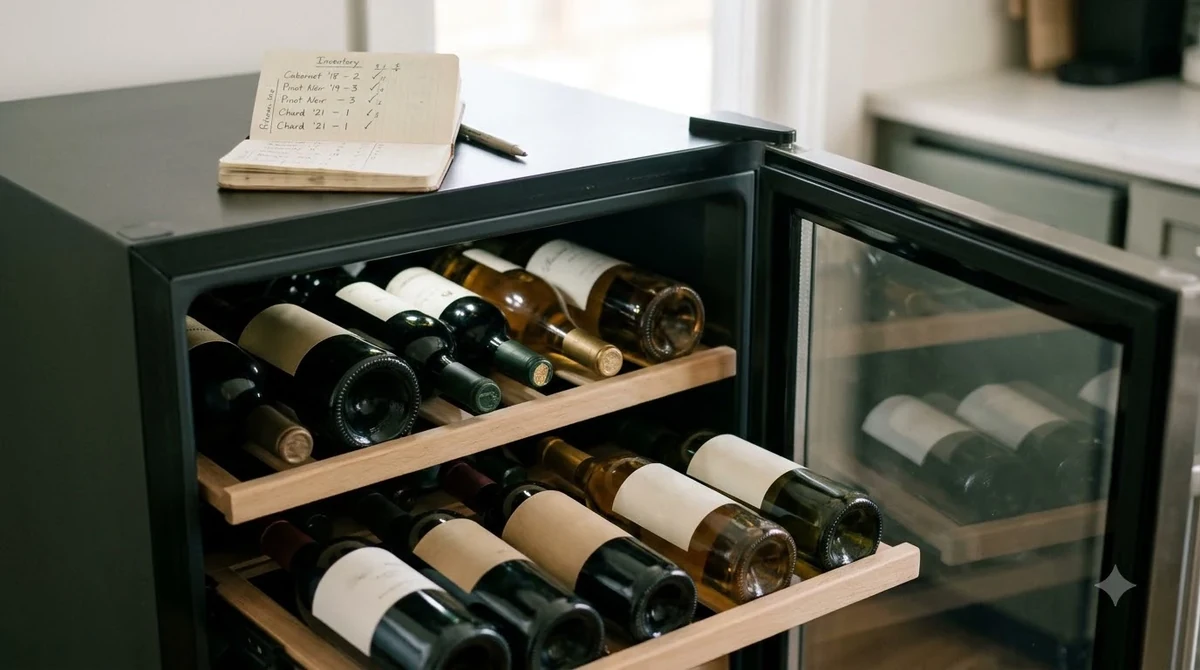
Store bottles on their sides in a cool, dark place away from temperature swings; Union gives 55–65°F as an ideal consistent range for still wines. Store cans upright and away from extreme heat. The producer recommends drinking sparkling cans within 1–2 years of the packaging date, which appears separately from the vintage year on the can bottom.
After opening, drink a can promptly, especially if it is sparkling. Union recommends using a can stopper or transferring leftovers to a small airtight container, refrigerating, and drinking within a day or two. For opened still bottles, a general 3–5 day refrigerated window is practical; sparkling wine is best within 1–3 days as its bubbles fade.
Use a glass when aroma matters: the producer notes that the narrow can opening limits aroma release, especially relevant to still Pinot Noir, Pinot Gris, and Rosé. Drinking sparkling wine from the can can help preserve bubbles. Do not leave either package in a hot car or direct sun for an extended period.
Frequently Asked Questions
Underwood’s practical details reach beyond its 250 ml and 355 ml packages: the maker also explains ingredients, production choices, and how shoppers can find its wines. These answers cover the label questions that may matter after you have chosen a style.
Is Underwood wine vegan?
Union Wine Company says all of its wines are vegan and that it does not use animal-derived fining agents in production. This is a producer-wide statement rather than a claim based on the color or grape variety, so it applies to its stated wine range.
Is Underwood wine gluten-free?
The producer says its wines are gluten-free and are made from grapes without gluten-containing ingredients. That statement refers to the wine itself, not to every food or mixer that someone might serve alongside it.
Does Underwood wine contain sulfites?
Yes. Union says its wines contain sulfites, as do most wines, and notes that federal labeling rules require a “contains sulfites” statement when a wine has more than 10 parts per million. Underwood should not be described as sulfite-free.
Can you visit the Underwood winery tasting room?
Union Wine Company says it does not have a public tasting room. The company may appear at pop-up events and festivals, while its Wine Finder directs shoppers to retailers, grocery stores, and restaurants that carry the wines.
What do the two dates on an Underwood can mean?
Union explains that the upper line is the vintage year, which identifies the grape harvest, while the second line is the packaging date. The distinction is useful for sparkling cans because the producer recommends enjoying those wines within 1–2 years of packaging.
Underwood makes the most sense as a flexible everyday label: start with Pinot Noir, Pinot Gris, Rosé, or Bubbles according to your taste, then choose the bottle or can that fits the occasion. Its range is broad enough for casual meals and outdoor plans, but the best purchase still comes down to the specific wine, vintage, and serving format available.
More in Wine Brands
 Weinbach Wine Price: Compare Alsace Wines and Find the Right BottleUpdated Nov 21, 2026
 Trimbach Wine Price: Compare Styles and Bottle CostsUpdated Nov 21, 2026
 Wolf Blass Wine Review: How to Choose the Right BottleUpdated Nov 21, 2026
 Vina Sol Wine Price: What to Expect and How to BuyUpdated Nov 21, 2026
 Villa Maria Wine Price: Compare Bottles and Find Better ValueUpdated Nov 21, 2026
 Villa Sandi Wine Price: Compare Bottles and Find the Right WineUpdated Nov 21, 2026