

We may earn a commission when you buy through links on this page, at no extra cost to you. Learn more.
Weinbach wine price typically ranges from about $30 to more than $150 for a 750 ml bottle, depending on the grape, vineyard designation, vintage, and rarity. Domaine Weinbach produces Alsace wines that include approachable Riesling and Pinot Gris bottlings alongside prestigious Grand Cru selections. Comparing the individual wine names and vineyard origins is the best way to understand the differences in price and choose a bottle that fits your budget.
Domaine Weinbach is one of the established names in Alsace, France, with a history dating to 1612. Its wines appeal to shoppers looking for aromatic white grapes, precise Riesling, expressive Gewurztraminer, and distinctive vineyard-designated bottlings. However, the Weinbach name covers a wide range of wines rather than one consistent price category. A standard Riesling, a Pinot Gris from Clos des Capucins, and a Schlossberg Grand Cru Riesling represent different levels of vineyard specificity and positioning. This guide explains the main price categories, what drives the differences, and how to select a bottle without paying more than necessary for a style you may not prefer.
Who This Is For: Weinbach Shoppers and Alsace Wine Buyers
Weinbach is a useful producer to explore if you enjoy distinctive French white wines and want more vineyard character than many everyday supermarket bottles offer. Its range includes both relatively accessible wines and more ambitious selections, so shoppers can enter at different spending levels.
First-time buyers should start by identifying their preferred grape. Riesling is generally the clearest choice for someone who enjoys high acidity, citrus, orchard fruit, and mineral character. Pinot Gris offers a broader texture, while Gewurztraminer is an appealing option for drinkers who prefer expressive floral and spice aromas. These differences matter because the most expensive bottle is not automatically the most enjoyable bottle for every palate.
The range also makes sense for shoppers interested in French wine regions. Alsace has a distinct identity, and Domaine Weinbach’s vineyard-specific bottlings provide an opportunity to compare how different sites influence the wines. The estate’s official website describes several individual terroirs, including Clos des Capucins, Schlossberg, and Furstentum. Each provides a different context for understanding the producer’s wines.
There are several types of buyers who may find the range especially interesting:
- New Alsace wine drinkers: Begin with a varietal Riesling, Pinot Gris, or Gewurztraminer before exploring vineyard-designated bottles.
- Riesling enthusiasts: Compare Cuvée Théo with Schlossberg Grand Cru to understand differences in vineyard origin and positioning.
- Food-focused shoppers: Consider Pinot Gris for richer dishes and Riesling for seafood, poultry, and acidic sauces.
- Wine collectors: Look at Grand Cru selections, individual vineyard names, and vintage differences.
- Gift buyers: Choose a recognizable vineyard designation or an aromatic Gewurztraminer when the recipient’s preferences are known.
Shoppers comparing French producers may also want to explore our guide to Weinbach wine for a broader look at the estate. Those more familiar with inexpensive American supermarket wines may find it useful to compare the positioning with Barefoot wine. These producers serve different market segments, so the comparison is primarily about wine style, origin, and buying expectations rather than direct equivalence.
Key Factors to Compare Before Paying for a Bottle
The most important price factors are the wine’s grape variety, vineyard designation, vintage, and availability. Understanding these four details makes it easier to distinguish an everyday Weinbach bottle from a more expensive site-specific selection.
| Wine category | Typical US retail range | What influences the price | Who should consider it |
|---|---|---|---|
| Entry-level Riesling | About $30–$45 | Varietal bottling and vintage | New Alsace wine drinkers |
| Cuvée Théo Riesling | About $40–$60 | Named cuvée and vineyard selection | Riesling enthusiasts |
| Pinot Gris Clos des Capucins | About $40–$55 | Named vineyard origin and vintage | Fans of fuller white wines |
| Les Treilles du Loup Gewurztraminer | About $35–$50 | Grape variety and bottling | Aromatic wine drinkers |
| Altenbourg selections | About $60–$85 | Specific terroir and cuvée | Experienced Alsace buyers |
| Schlossberg Grand Cru Riesling | About $75–$110 | Grand Cru designation and vineyard origin | Premium Riesling enthusiasts |
| Special Grand Cru and rare selections | About $100–$160 or more | Specific cuvée, vintage, and limited availability | Collectors and special occasions |
These are indicative US shopping ranges, not fixed producer prices. Vino Alert’s US retailer listings place Cuvée Théo in approximately the $40 to $60 range, while its broader Weinbach listings show Schlossberg Grand Cru Riesling starting considerably higher. Total Wine’s listings also illustrate how different vintages and Grand Cru bottlings can occupy different price brackets. Retailer inventories, shipping arrangements, and state taxes can change the amount a shopper actually pays. Prices vary by state and retailer.
Vineyard designation is particularly important. The word Grand Cru identifies a recognized vineyard classification in Alsace, not simply a more expensive label invented by the producer. Schlossberg has a particular association with Riesling, and its granite soils and steep southern-facing slopes contribute to its reputation. This vineyard specificity helps explain why its wines are positioned above many basic varietal bottlings.
Vintage is another consideration. A wine’s price can change because a particular vintage has become less available, because a retailer has limited stock, or because a newer vintage is positioned differently. Comparing two bottles with the same name but different harvest years is more useful than assuming every bottle from the producer should cost approximately the same amount.
Finally, consider bottle size. The ranges in this guide refer to standard 750 ml bottles. Half bottles, larger formats, and special sweet-wine selections can have substantially different pricing. Always compare equivalent sizes before deciding that one retailer offers better value than another.
Step-by-Step: How to Find the Right Weinbach Bottle
A good purchase begins with the style rather than the price tag. Following a simple comparison process helps narrow the selection before you consider more expensive vineyard-designated wines.
-
Decide which grape you want.
Choose Riesling for fresh acidity and citrus-driven character, Pinot Gris for a broader palate, or Gewurztraminer for pronounced floral and spice aromas. This first decision eliminates many unsuitable options. -
Set a realistic spending range.
Decide whether you are shopping for an introductory bottle, a premium dinner wine, or a more ambitious Grand Cru selection. An approximate $30 to $50 budget provides several possible starting points in the Weinbach range. -
Identify the vineyard or cuvée name.
Compare Clos des Capucins, Altenbourg, Schlossberg, and Furstentum rather than treating every Weinbach wine as interchangeable. Each name points to a different wine selection or vineyard context. -
Compare equivalent vintages.
Look at bottles from the same harvest year when possible. If one retailer lists a 2023 Riesling and another lists a 2022 bottle, remember that the wines may differ in development and availability. -
Check the bottle size and seller.
A 750 ml bottle should be compared with another 750 ml bottle, not a half bottle or magnum. Verify shipping costs, state availability, and the retailer’s inventory before completing a purchase. -
Consider the occasion and food.
A fresh Riesling can suit a seafood dinner, while Pinot Gris may work better with a richer chicken dish. An aromatic Gewurztraminer can be particularly useful with spicy or strongly seasoned food. -
Move into Grand Cru wines only when the style interests you.
If you enjoy the producer’s standard Riesling, consider comparing it with Schlossberg Grand Cru. This provides a more meaningful reason to spend more than buying an expensive bottle simply because of its designation.
This process is especially useful when shopping online because photographs of the labels often make all the bottles look similarly prestigious. The grape, vintage, vineyard, and actual bottle size provide more useful purchasing information than label appearance alone.
Tip: Compare the same wine name across at least two US retailers before buying. For example, Vino Alert lists multiple Cuvée Théo vintages and retailers, allowing shoppers to distinguish normal vintage-related price variation from a meaningful difference in retail offers.
For an additional regional comparison, our guide to Wine Brands can help place Domaine Weinbach alongside other producers. The aim is to compare producers with similar grape varieties and origins rather than assuming that a higher price always indicates a better match for your taste.
Types and Styles Explained: What Your Money Buys
Domaine Weinbach’s range is best understood through its grapes and named vineyard selections. The estate’s official descriptions distinguish cuvées, terroir wines, and Grand Cru bottlings, making the label an important part of the buying decision.
Riesling
Riesling is one of the most useful starting points for understanding Alsace wine. It typically has high acidity and can combine lemon, lime, green apple, stone fruit, and mineral impressions. Depending on the bottling, the wine may feel light and energetic or more concentrated and layered.
Weinbach’s Cuvée Théo is a recognizable named selection, while Schlossberg Grand Cru Riesling occupies a more vineyard-specific premium category. The official estate description identifies Schlossberg as a granite-based site particularly suited to Riesling. Its upper slopes produce particularly lively and elegant wines, while lower portions of the vineyard contribute a broader texture.
For more detail about the vineyard’s granite soils, terraced slopes, and Riesling-growing conditions, consult Domaine Weinbach’s official Schlossberg Grand Cru vineyard description. These site characteristics help explain why this bottling occupies a different position from a standard varietal Riesling.
Wine.com describes its 2023 Schlossberg Grand Cru Riesling as 100% Riesling, with 13% ABV in a 750 ml bottle. The retailer’s description identifies orchard fruit, floral notes, beeswax, crisp acidity, and granite-related minerality. These details provide a useful picture of why some buyers may prefer this bottle over a less expensive varietal Riesling.
Pinot Gris Clos des Capucins
Pinot Gris is an appealing alternative for drinkers who prefer a rounder white wine. Compared with a particularly crisp Riesling, Pinot Gris can feel broader and more substantial, making it useful alongside roasted poultry, creamy sauces, mushrooms, and pork.
Clos des Capucins is an important named site at Domaine Weinbach. According to the estate’s official vineyard description, the historic enclosed area covers five hectares and has sandy, silty soils containing granite gravel and pebbles. The estate identifies Pinot Gris Clos des Capucins as one of the wines associated with this area.
Retailer listings from Total Wine and Vino Alert place this bottling in a more accessible premium category than the estate’s most expensive Grand Cru selections. It is a sensible option for someone who wants a named vineyard wine without beginning with the highest-priced Riesling.
Gewurztraminer
Gewurztraminer is generally the most immediately aromatic choice in the range. Expect a style associated with rose petals, lychee, ripe tropical fruit, and baking spices. Its aromatic intensity makes it particularly interesting for people who find neutral or restrained white wines less appealing.
Les Treilles du Loup is one of the recognizable Weinbach Gewurztraminer labels. Total Wine lists this wine alongside Schlossberg Riesling and Pinot Gris Clos des Capucins. Vino Alert also identifies Les Treilles du Loup among the producer’s other bottlings.
For shoppers considering something more ambitious, the Furstentum Grand Cru Gewurztraminer offers another direction. The Grand Cru designation and specific vineyard identity help distinguish it from a more straightforward Gewurztraminer bottling.
Altenbourg and Other Vineyard Selections
Altenbourg is another important name to recognize when comparing Weinbach labels. Its wines provide a different vineyard expression from the estate’s Clos des Capucins and Schlossberg bottlings. The producer’s official website includes Altenbourg among its named terroirs.
Other labels may include Cuvée Colette, Cuvée Sainte Catherine, Mambourg, Marckrain, and Furstentum. These names indicate specific selections or vineyard associations rather than simply different packaging of the same basic wine. They are particularly useful for buyers who already know which grape varieties they enjoy.
There are also late-harvest and sweet-wine selections within the broader Alsace tradition. These can be substantially different from dry Riesling and Pinot Gris, so sweetness should be considered separately from prestige and vineyard classification. A sweeter bottle is not automatically more expensive or more suitable for every occasion.
Common Mistakes When Comparing Weinbach Prices
The biggest buying mistake is treating every bottle carrying the Weinbach name as the same product. A basic varietal Riesling, a named cuvée, and a Schlossberg Grand Cru wine have different origins and purchasing expectations.
Comparing Different Wine Names
Comparing Cuvée Théo directly with Schlossberg Grand Cru without considering the vineyard distinction can create misleading conclusions. Both may be Riesling, but their names indicate different selections and site associations. A fair comparison should begin with equivalent wines and vintages whenever possible.
Ignoring Vintage Differences
Two bottles with different vintage years are not necessarily interchangeable. Wine changes in bottle, and availability changes as individual harvests sell through. For example, Total Wine lists multiple Schlossberg Grand Cru Riesling vintages, including 2020, 2022, and 2023. The fact that these bottles have the same broad designation does not mean their retail prices or drinking characteristics must match.
Assuming Grand Cru Is Always the Right Choice
Grand Cru wines can be compelling, but the classification does not guarantee that the wine will suit your preferences. A drinker who enjoys aromatic Gewurztraminer may be happier with Les Treilles du Loup than with an expensive, dry Riesling. Similarly, someone seeking a versatile dinner wine may prefer Pinot Gris Clos des Capucins.
Confusing Retail Price With Quality
Retail pricing reflects more than the contents of the bottle. Importation, retailer margins, inventory, distribution, vintage demand, and local taxes all contribute to the final amount. A retailer with limited inventory may list a bottle at a higher price than another store carrying the same wine.
Overlooking Shipping and Bottle Size
Online shoppers sometimes compare the displayed bottle price without including delivery charges. A retailer shipping across the United States may also have restrictions based on the destination state. Compare the full purchase cost for equivalent 750 ml bottles rather than relying only on the first number displayed on a product page.
Buying Sweet Wine Without Checking the Style
Alsace produces both dry and sweet wines, including late-harvest selections. These wines have different uses at the table. If you want a dry Riesling for shellfish, selecting a sweet late-harvest bottle simply because it carries a more prestigious designation may result in a disappointing food pairing.
A useful way to avoid these mistakes is to write down the full wine name, vintage, bottle size, and vineyard designation before comparing stores. That small step makes price research more accurate and helps prevent accidental substitutions.
Care and Storage Tips for Protecting Your Purchase
Proper storage helps preserve the freshness and character of Weinbach wines, especially when buying bottles intended for later drinking. Temperature stability, limited light exposure, and appropriate serving temperatures matter more than elaborate cellar equipment.
Storage Temperature and Position
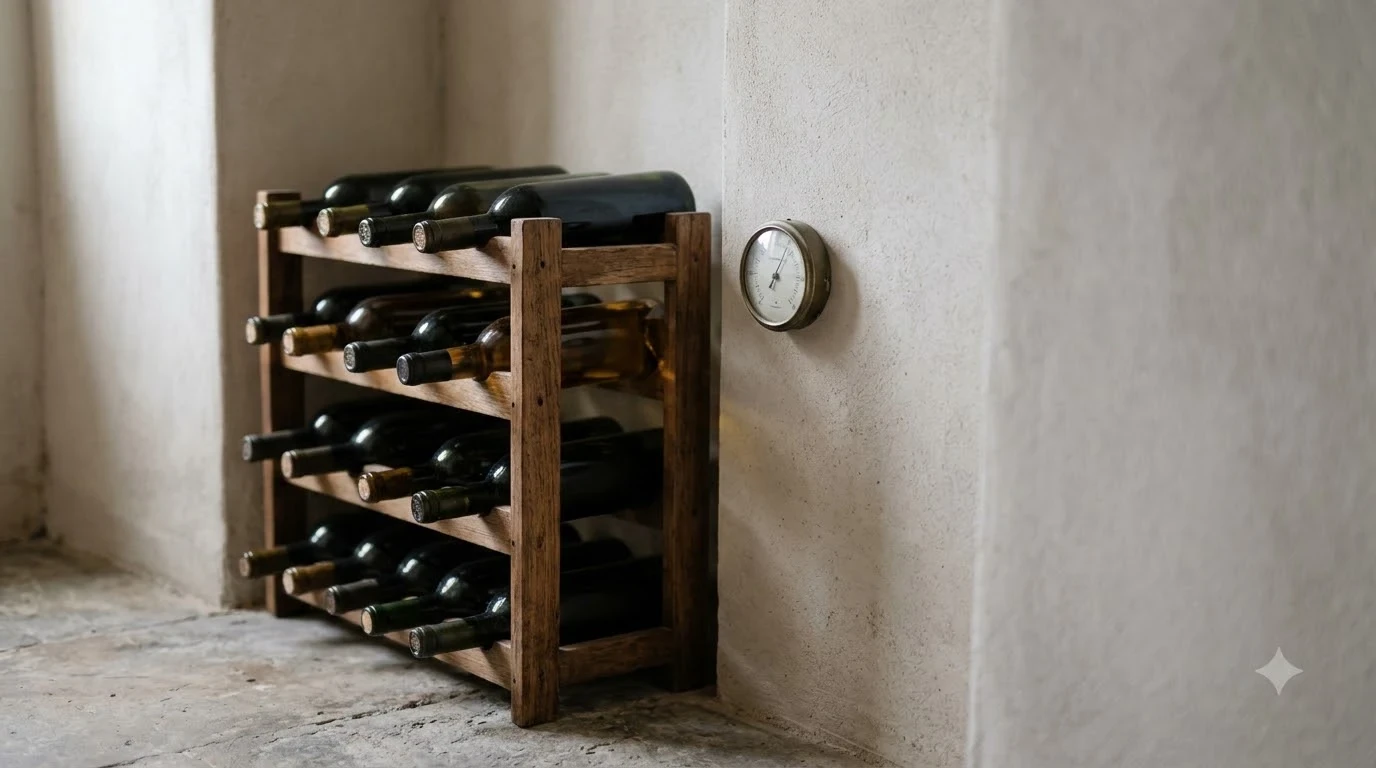
For longer storage, keep bottles in a cool, dark environment near 55°F. Store cork-finished bottles on their sides so the cork remains in contact with the wine. Avoid places where temperatures fluctuate significantly, such as kitchen cabinets beside ovens, garages, or sunny windowsills.
Temperature consistency is particularly useful for Riesling and Pinot Gris. Repeated warming and cooling can accelerate undesirable changes in wine. A dedicated wine refrigerator is helpful, but a consistently cool storage location can also work for bottles that will be opened relatively soon.
Serving Temperatures
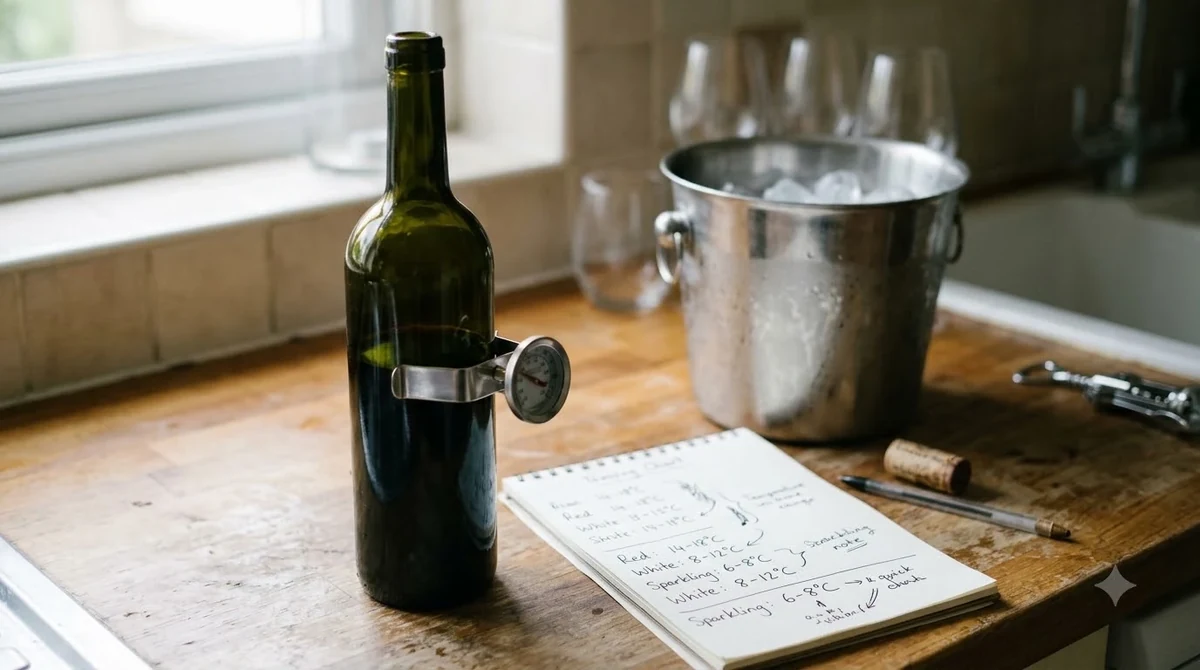
Different Weinbach styles benefit from slightly different serving temperatures. A dry Riesling generally works well around 45–50°F, while fuller-bodied white wines can be served around 50–55°F. These temperatures allow freshness and aroma to remain noticeable without making the wine seem excessively cold.
Gewurztraminer should also be served cool rather than warm. Serving it too cold can mute its floral aromas, while serving it too warm can make the alcohol seem more prominent. Allow a bottle that has been refrigerated to sit briefly before pouring if it feels excessively cold.
Food Pairing
Riesling is a natural companion for seafood, shellfish, chicken, and dishes with citrus-based sauces. Its high acidity works well with acidic ingredients because the wine should generally have acidity equal to or greater than the food. It can also complement mildly spicy dishes, although high alcohol and tannin can intensify chili heat.
Pinot Gris is useful with roast chicken, pork, creamy pasta, and mushroom dishes. Its broader texture can stand up to richer food, while its acidity helps keep the pairing from feeling too heavy. Gewurztraminer can complement aromatic Asian dishes, ginger, fragrant spices, and certain fruit-based preparations.
For sweet late-harvest wines, choose desserts that are no sweeter than the wine. A wine that is less sweet than the dessert can taste thin or sour. This principle is especially important when pairing intensely sweet wines with fruit tarts or other desserts.
After Opening
Once opened, reseal the bottle and refrigerate it. Most still wines retain their best qualities for approximately three to five days after opening, although the exact period depends on the wine, storage conditions, and exposure to oxygen.
Pouring smaller glasses and limiting unnecessary air exposure can help preserve the wine. For a special bottle of Schlossberg Grand Cru Riesling, opening it carefully and serving moderate portions is a practical way to enjoy the wine over dinner without leaving it exposed for long periods.
Frequently Asked Questions
Is Domaine Weinbach the same as Weinbach wine?
Yes. Domaine Weinbach is the producer’s full estate name, while Weinbach is commonly used as the shorter name on retailer listings and wine labels. Searching both versions can help shoppers find additional retailers and bottle listings. The estate is based in Alsace, France, near Kaysersberg.
Is Weinbach wine always dry?
No. Although many of its well-known Riesling and Pinot Gris wines are dry or relatively dry, the wider Alsace range also includes sweet and late-harvest styles. Vendanges Tardives and Sélection de Grains Nobles are important terms to recognize when looking for sweeter wines. The sweetness category should be considered separately from the grape and vineyard designation.
Does Weinbach use oak barrels for its wines?
Domaine Weinbach describes its cellar approach in terms of traditional winemaking and individual treatment of different grape and terroir combinations. Its production approach includes fermentation and aging decisions that vary by wine. Buyers interested in oak influence should consult the details for the particular bottling rather than assuming every Weinbach wine receives identical barrel treatment.
What does Clos mean on a Weinbach wine label?
Clos is a French term associated with an enclosed vineyard or walled vineyard site. At Domaine Weinbach, Clos des Capucins refers to a historic vineyard surrounded by walls associated with the former convent. The site is particularly important to the estate’s identity and is associated with several different grape varieties.
Can Weinbach wine be purchased in half bottles?
Some special Weinbach selections appear in smaller formats through individual retailers, although availability varies by wine and vintage. A half bottle generally contains 375 ml, while a standard bottle contains 750 ml. Larger formats can also appear for certain selections, so shoppers should verify bottle size before comparing listings.
Weinbach offers a broad range of Alsace wines, from accessible varietal selections to vineyard-specific Grand Cru bottlings. Start with the grape you enjoy, compare equivalent vintages and bottle sizes, and move toward more prestigious vineyard selections only when their style appeals to you. With those comparisons in mind, finding the right Weinbach bottle becomes much easier than simply choosing the most expensive label.
More in Wine Brands
 Winc Wine Price: Compare Bottle Costs and Membership PlansUpdated Nov 21, 2026
 Wolf Blass Wine Price: Compare Labels and Find the Right BottleUpdated Nov 21, 2026
 Winc Wine Review: Is Its Personalized Wine Subscription Worth Trying?Updated Nov 21, 2026
 Trimbach Wine Price: Compare Styles and Bottle CostsUpdated Nov 21, 2026
 Wolf Blass Wine Review: How to Choose the Right BottleUpdated Nov 21, 2026
 Vina Sol Wine Price: What to Expect and How to BuyUpdated Nov 21, 2026