

We may earn a commission when you buy through links on this page, at no extra cost to you. Learn more.
Trimbach wine price typically falls from about $15 to $110 for familiar 750-ml bottlings and prominent reserve cuvées, based on observed ranges at Warehouse Wines & Spirits and Total Wine & More; prices vary by state and retailer. Classic Riesling, Pinot Blanc, and Gewürztraminer usually sit toward the accessible end, while Pinot Gris Réserve and Riesling Frédéric Emile move into higher brackets. Rare Grand Cru and late-harvest bottlings can cost substantially more, so compare the exact label and vintage rather than relying on the producer name alone.
Trimbach is an Alsace producer with a portfolio that stretches from brisk, dry everyday whites to age-worthy site-specific Riesling and rich late-harvest wines. The useful way to shop is to start with the style you want, then compare the bottle’s tier, vintage, size, and U.S. retailer range. The figures below are observed retail ranges, not fixed winery prices or a promise that every state will have every label.
Who This Is For
Trimbach suits drinkers who like white wines with clear acidity, savory detail, and a generally dry profile. Classic Riesling is a practical start for citrus, apple, and a clean finish rather than obvious sweetness. Wine Enthusiast’s 2023 Riesling review notes apple, lime, graphite, and lively acidity. Pair that structure with shellfish, grilled fish, roast chicken, or herb sauces.
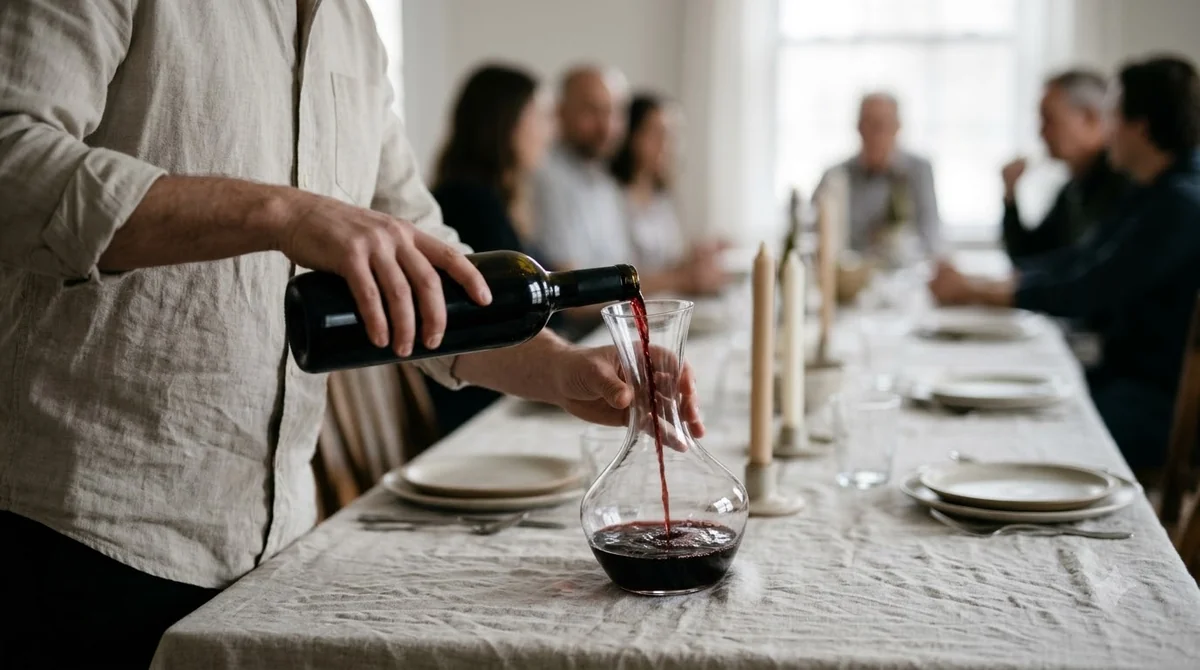
It also suits shoppers who want variety within Alsace. Pinot Blanc is supple and easy as an aperitif or with shellfish; Gewürztraminer is more aromatic and spicy for seasoned dishes, curry, and soft cheese. Pinot Gris Réserve is fuller and dry, with a smoky hint that suits smoked fish, mushrooms, and richer poultry dishes.
Collectors may prefer Réserve, Réserve Personnelle, Grand Cru Riesling, or Frédéric Emile for greater depth and longer development. These labels make sense when you value site expression or cellar potential, but they are not automatically better for a casual dinner. Newcomers can begin with Classic Riesling; drinkers who prefer texture may choose Pinot Gris Réserve.
Trimbach also makes red wine. Pinot Noir Réserve brings red-fruit character and freshness for poultry, charcuterie, or mild cheese. Anyone researching trimbach red wine should expect a lighter Alsace profile than many oak-driven reds. The producer’s Alsace wine portfolio outlines the grape varieties and tiers.
Key Factors to Compare
The biggest price drivers are the grape, tier, vineyard designation, scarcity, and vintage—not simply whether the label says Trimbach. The following comparison uses observed U.S. retail ranges for common 750-ml listings, with the source names beside each range so that the numbers can be interpreted as retailer evidence rather than a universal tariff.
| Wine or style | Observed U.S. retail range | What the range reflects | Good reason to choose it |
|---|---|---|---|
| Pinot Blanc | About $15–$22 | Warehouse Wines & Spirits and Total Wine & More listings | Dry, supple, approachable white for aperitifs and lighter meals |
| Classic Riesling | About $16–$23 | VinoAlert, Warehouse Wines & Spirits, and Wine Enthusiast listing data | Dry, high-acid house style with citrus and apple detail |
| Gewürztraminer | About $20–$33 | VinoAlert and Total Wine & More listings | Fragrant, spicy profile for boldly seasoned food |
| Pinot Gris Réserve | About $19–$31 | VinoAlert and Total Wine & More listings | Fuller dry white with smoky, generous fruit |
| Riesling Frédéric Emile | About $50–$110 | VinoAlert and Total Wine & More listings | More ambitious Riesling for collectors and special meals |
VinoAlert’s tracked offers, Warehouse Wines & Spirits, and Wine Enthusiast place standard Riesling in a similar everyday bracket, but their stock and vintage mix differ; treat the figure as a shopping band, not a guaranteed average. For Pinot Blanc, Warehouse Wines & Spirits and Total Wine & More show a similarly accessible range, subject to local inventory and shipping eligibility.
The range widens higher up the portfolio. VinoAlert’s comparison listings and Total Wine & More’s examples place Gewürztraminer, Pinot Gris Réserve, and Frédéric Emile across different retail brackets, reflecting vintage and stock differences rather than fixed prices. Prices vary by state and retailer; shipping, tax, and bottle condition can change the checkout total.
Use the tier name as a clue: Classic wines are dry and straightforward; Réserve draws on selections from Ribeauvillé and nearby villages; Réserve Personnelle appears only in the best vintages. Grand Cru identifies a site, while late-harvest terms signal sweetness. Higher cost does not guarantee a better match for your meal.
Step-by-Step
A reliable purchase starts with the occasion and flavor you want, then narrows the choices by tier and retail range. Use these steps to avoid paying for age or scarcity when a straightforward dry white would be the more useful bottle.
- Choose the role at the table. Start with Classic Riesling or Pinot Blanc for a versatile dry white, Gewürztraminer for aromatic intensity, and Pinot Gris Réserve for a fuller white. Pinot Noir Réserve suits poultry or charcuterie.
- Decide on sweetness. Classic Riesling, Pinot Blanc, and Gewürztraminer are presented in a dry style. Vendanges Tardives and Sélection de Grains Nobles retain sweetness and suit dessert, foie gras, rich sauces, or spicy dishes.
- Set a tier before searching. Compare Classic and Réserve for near-term drinking. Choose Réserve Personnelle, Frédéric Emile, or Grand Cru when you want site expression, cellar potential, or a special-occasion bottle.
- Compare like for like. Match the cuvée, vintage, and size. Do not compare a 375-ml half bottle with a 750-ml bottle or Frédéric Emile with basic Riesling; check whether the retailer ships to your state.
- Consider the drinking window. Classic bottlings suit current drinking; some Réserve Rieslings and Pinot Gris can age longer. Store a bottle intended for the cellar in a cool, stable place, but do not assume every Trimbach wine needs a decade.
For seafood, a dry Classic Riesling can complement shellfish, white fish, and lemon or herb sauce; a 750-ml bottle gives about five 5-ounce pours. Pinot Gris Réserve is a better fit for roast poultry with mushrooms, while Gewürztraminer suits spicy food or Munster cheese.
Search by full cuvée name. A buyer looking for trimbach riesling should distinguish Classic, Réserve, Vieilles Vignes, Frédéric Emile, and Grand Cru rather than compare every result under the producer name.
Types or Styles Explained
Trimbach organizes its wines into five ranges: Classic, Réserve, Réserve Personnelle, Riesling and Grands Crus, and late-harvest wines. The grapes include Riesling, Gewürztraminer, Pinot Gris, Pinot Noir, Pinot Blanc, Sylvaner, and Muscat. A trimbach wine overview can help before comparing cuvées.
Classic wines
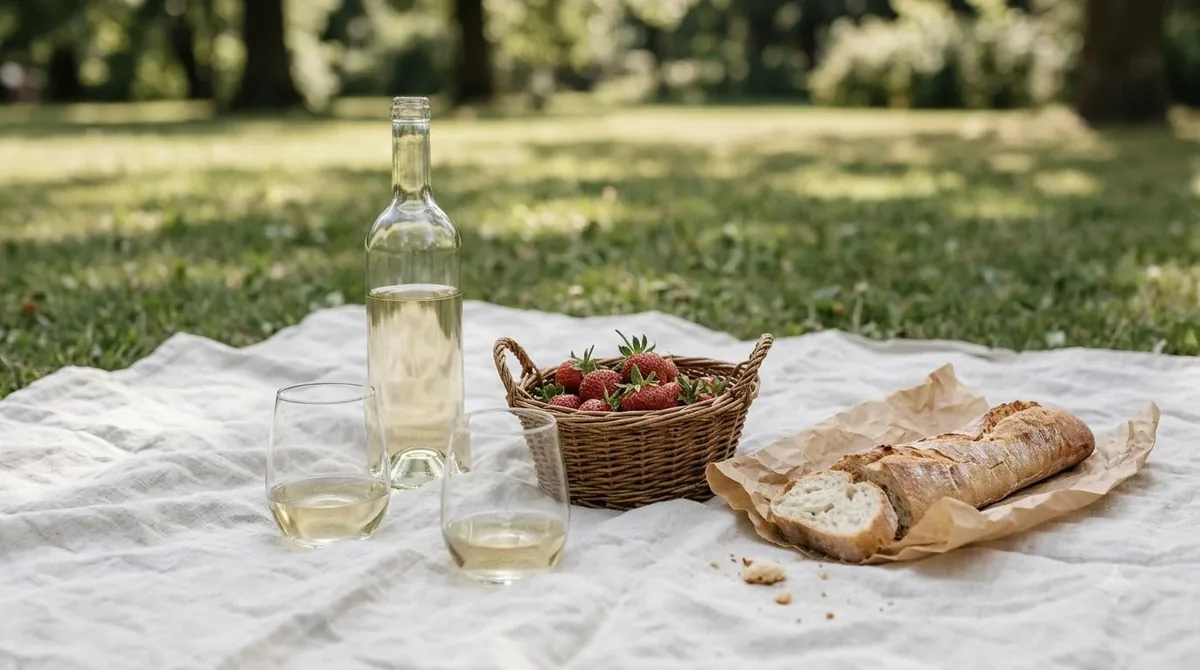
The Classic group includes Riesling, Pinot Blanc, and Gewürztraminer from across Alsace. The producer describes them as dry, precise, and straightforward. Riesling is versatile with fish and white meat; Pinot Blanc is softer as an aperitif; Gewürztraminer brings aromatic lift and spice.
Réserve wines
Réserve is selected from Ribeauvillé and nearby villages. Riesling Réserve remains dry and precise, with more structure and a longer ageing window than Classic. Pinot Gris Réserve is fuller, dry, and smoky; Gewürztraminer Réserve is produced only in strong years.
Réserve Personnelle and signature Rieslings
Réserve Personnelle includes Pinot Gris Réserve Personnelle and Gewürztraminer Seigneurs de Ribeaupierre, made only in the best vintages. Frédéric Emile is a dry Riesling from Geisberg and Osterberg; the producer says great vintages can mature for twenty years or more.
Grand Cru and late-harvest wines
Grand Cru Rieslings such as Schlossberg and Geisberg identify specific sites and can reward cellaring. Vendanges Tardives and Sélection de Grains Nobles instead retain residual sugar from very ripe grapes, suiting foie gras, fruit desserts, rich sauces, and spicy dishes.
Common Mistakes
The most common shopping mistake is treating every bottle from one producer as interchangeable. Trimbach’s Classic Riesling, Pinot Gris Réserve, Frédéric Emile, and Vendanges Tardives differ in grape, tier, sweetness, and expected use. A comparison page that sorts only by brand name can place a dry entry-level white beside a rare sweet wine, creating a price ladder that says little about which bottle is right.
A second mistake is assuming that all Alsace white wines taste sweet. Trimbach’s Classic Riesling, Pinot Blanc, and Gewürztraminer are described as dry, although the grapes can differ considerably in aroma and weight. The late-harvest wines are the category where residual sweetness is intentionally retained. Pairing those categories incorrectly can make dinner feel unbalanced: a dry Riesling will not necessarily match a very sweet dessert, while a sweet Vendanges Tardives can overwhelm delicate seafood.
Another mistake is comparing unlike bottles. Frédéric Emile is not Classic Riesling, and a Grand Cru should not be measured against a basic bottling as if the production choices were identical. Retailers may mix older vintages and half bottles with standard formats, so compare the full cuvée, vintage, size, shipping eligibility, and intended drinking window.
Do not buy an age-worthy label solely for its stated lifespan. A wine capable of maturing for ten to fifteen years may still be enjoyable earlier, and its character will change with time. Choose between fresh fruit and developed notes, then store the bottle carefully.
Care or Storage Tips
Serve whites cool enough to preserve freshness without muting aroma. Pinot Blanc and Classic Riesling work around 45–50°F; fuller Pinot Gris Réserve can be served closer to 50–55°F. Pinot Noir is best around 55–60°F to keep its red fruit lively.
Tip: Chill a white bottle in the refrigerator, then pour a small sample and let it warm slightly in the glass. If the aromas seem muted straight from the fridge, give it several minutes rather than allowing it to sit warm for a long stretch.
Store unopened bottles in a cool, dark place near 55°F, away from sunlight, kitchen heat, and temperature swings. Keep cork-finished bottles on their sides and avoid appliances that vibrate. Stable conditions matter most for reserve Riesling and Grand Cru bottles intended for longer ageing.
After opening, put still wine back in the refrigerator and use a sound closure. Most still wines are at their best within about three to five days, although freshness will vary with the style, amount of air in the bottle, and how carefully it is resealed. Bring the remaining wine out briefly before serving again, especially if it is a fuller white. A 750-ml bottle yields about five standard 5-ounce glasses, so estimate quantities accordingly rather than assuming one bottle will comfortably serve a large group.
After long transport, let a special bottle rest in a cool place before opening. Most Trimbach whites need no long decant; gentle aeration in the glass is enough. Pour older bottles slowly if sediment is present.
Frequently Asked Questions
These answers cover details that can help distinguish rare labels and specialist styles from the core range. They are useful when the bottle name is unfamiliar or when a retailer’s short description leaves out the vineyard or production detail.
How much wine does Trimbach produce from Clos Sainte Hune?
The producer reports an average annual production of about 7,000 bottles from the 1.67-hectare Clos Sainte Hune vineyard in Hunawihr. It also says the wine does not reach its peak until eight to ten years after bottling, which helps explain why collectors often approach it as a cellar wine rather than an everyday purchase.
When did Trimbach begin producing Riesling Grand Cru Schlossberg?
The family acquired 1.6 hectares in Schlossberg in 2012 and made its first vintage in 2014, which reached the market in 2017. The site is described by the producer as granite-based, and the wine is made in a dry, delicate style intended for extended ageing.
What makes Sélection de Grains Nobles different from Vendanges Tardives?
For Pinot Gris Sélection de Grains Nobles, Trimbach specifies a minimum potential alcohol of 18.2 degrees at harvest and the presence of noble rot, Botrytis cinerea. The producer says these wines are rare and can be kept for more than 20 years, making them a particularly specialized sweet-wine choice.
Why is Trimbach Pinot Noir Cuvée 7 called Cuvée 7?
The producer says the name comes from the vat number in which the wine was first made. It is sourced from favored terroirs, including Rotenberg in Ribeauvillé, and is produced only in especially favorable years.
How long has the Trimbach family been associated with Alsace wine?
The producer dates the founding of the house to 1626 and identifies the family as having a long-standing place in Alsace winegrowing. That history is separate from the age of any particular vineyard or cuvée, so it should not be read as a claim that every current bottling comes from the same estate parcel.
For most shoppers, the clearest entry point is a Classic Riesling or Pinot Blanc, while Gewürztraminer and Pinot Gris Réserve offer distinct food-pairing options. Compare the full cuvée name, vintage, bottle size, and retailer range before paying more for a reserve or Grand Cru label; that is the surest way to match the bottle to the occasion.
More in Wine Brands
 Underwood Wine Price: Compare Bottles, Cans, and Pack SizesUpdated Nov 21, 2026
 Zenato Wine Price: Compare Styles and Choose the Right BottleUpdated Nov 21, 2026
 Zuccardi Wine Price: Compare Bottles and Find the Right RangeUpdated Nov 21, 2026
 Yellow Tail Moscato Review: Taste, Sweetness and Serving TipsUpdated Nov 21, 2026
 Wolf Blass Yellow Label Review: Choose Your Best StyleUpdated Nov 21, 2026
 Wolffer Estate Rose Review: Choose the Right Bottle for Your TableUpdated Nov 21, 2026