

We may earn a commission when you buy through links on this page, at no extra cost to you. Learn more.
This veuve clicquot yellow label review finds that Veuve Clicquot Yellow Label is a structured, fruit-forward Brut Champagne with crisp acidity, fine bubbles, and recognizable notes of apple, pear, citrus, and brioche. Its Pinot Noir-dominant blend gives it more body and presence than some lighter sparkling wines, while Chardonnay contributes freshness and Meunier adds roundness. It is a versatile choice for celebrations, aperitifs, and meals, particularly for drinkers who enjoy Champagne with both freshness and a richer, toasty character.
Veuve Clicquot Yellow Label Brut is one of the best-known non-vintage Champagnes, but its familiar yellow packaging is only part of its appeal. Understanding the grape blend, reserve wines, dosage, serving conditions, and food compatibility makes it easier to decide whether this particular Champagne fits your preferences. This guide examines its defining characteristics and offers practical advice for selecting, serving, and enjoying a bottle.
Who This Champagne Is For
Veuve Clicquot Yellow Label is particularly suitable for Champagne drinkers who want a recognizable house style with substantial fruit character, lively acidity, and enough structure to accompany food. Its combination of Pinot Noir, Chardonnay, and Meunier makes it more versatile than a sparkling wine intended exclusively for light appetizers.
Celebration buyers will appreciate its recognizable presentation and non-vintage consistency. The distinctive yellow label makes the bottle easy to identify at celebrations, holiday gatherings, anniversaries, and formal dinners. Its Brut classification also makes it a practical choice when guests have different sweetness preferences.
Champagne newcomers can use Yellow Label as an introduction to the traditional Champagne flavor profile. Pear, apple, citrus, and brioche are approachable aromas, while the lively mousse and structured palate demonstrate characteristics associated with traditional-method sparkling wine.
Experienced sparkling wine drinkers may appreciate the Pinot Noir influence and reserve-wine blending. The wine has more emphasis on structure and mature fruit than an extremely delicate, citrus-driven sparkling wine. Its profile is especially appealing to people who enjoy a combination of orchard fruit, pastry, and refreshing acidity.
However, this is not necessarily the right selection for everyone. Drinkers who prefer extremely lean, mineral-driven sparkling wines or pronounced sweetness may find Yellow Label too substantial or too dry for their tastes. Someone seeking a particularly delicate aperitif might prefer a lighter sparkling style.
It is also useful to distinguish Yellow Label from the wider Veuve Clicquot range. The standard Brut is the house’s signature non-vintage Champagne, rather than a vintage-specific prestige bottling. Readers exploring other producers and styles can browse our Wine Brands coverage to understand how Champagne houses approach their signature wines.
Key Factors to Compare Before Choosing
The most important considerations are the grape composition, reserve-wine contribution, Brut dosage, aromatic profile, and serving requirements. Together, these characteristics explain why Yellow Label combines noticeable fruit intensity with a dry finish and relatively substantial structure.
| Characteristic | Typical specification | What it means |
|---|---|---|
| Producer | Veuve Clicquot | Established Champagne house |
| Origin | Champagne, France | Protected regional sparkling wine |
| Classification | Non-vintage Brut | Dry sparkling wine blended across harvests |
| Pinot Noir | 50–55% | Structure and intensity |
| Chardonnay | 28–33% | Freshness, elegance, and finesse |
| Meunier | 15–20% | Roundness and fruit character |
| Reserve wines | 25–45% | Continuity between releases |
| Dosage | 9 g/L | Brut sweetness classification |
| Serving temperature | 46–50°F | Preserves freshness and aromatic detail |
| Recommended aging potential | 3–5 years | Producer’s suggested drinking window |
| Standard bottle | 750 ml | Approximately five 5-ounce servings |
The blend percentages are the producer’s published typical ranges, not a guarantee that every release has identical proportions. The house describes Pinot Noir as the structural foundation, Chardonnay as the source of finesse, and Meunier as the grape that contributes roundness. These roles help explain the wine’s balance between weight and freshness.
Reserve wines are another important consideration. According to Veuve Clicquot, the Yellow Label blend can include 25–45% reserve wines. These older wines provide additional blending options and help maintain the house style despite differences between harvests. This is particularly important for a non-vintage Champagne, where consistency is a central objective.
The 9 g/L dosage is another useful detail. Dosage refers to the sugar added during the finishing stage of Champagne production. Brut Champagne is dry rather than sweet, although it can retain enough fruit richness to seem generous on the palate. Yellow Label’s orchard-fruit and pastry notes should not be confused with dessert-wine sweetness.
The producer’s official Yellow Label Champagne description provides further details about the blend, recommended serving temperature, and food suggestions. These specifications are useful reference points when comparing Yellow Label with other non-vintage Brut Champagnes.
For further detail on the wine’s aromas and flavor development, see our Veuve Clicquot Yellow Label tasting notes.
Tip: Do not judge Yellow Label solely by how cold it is when first poured. Serve it around 46–50°F, then allow a little time in the glass for the pear, citrus, and brioche aromas to become more apparent.
Step-by-Step: How to Choose and Serve Yellow Label
Choosing and serving Champagne properly involves more than selecting a recognizable bottle. These steps help match Yellow Label to the occasion, establish the right serving conditions, and preserve its sparkling character after opening.
- Identify the correct Champagne. Look for Veuve Clicquot Brut Yellow Label rather than assuming every bottle with the yellow branding has the same style. The standard Yellow Label is a non-vintage Brut Champagne from the Champagne region of France. Other bottlings, including Rosé and vintage wines, have different characteristics.
- Consider the occasion. Yellow Label works well for celebrations, cocktail-hour service, and dinners where a versatile sparkling wine is appropriate. Its fruit intensity and structure make it more adaptable to food than some extremely light aperitif styles.
- Consider the sweetness preference. Brut is a dry Champagne category. If the intended guests prefer noticeably sweet sparkling wines, Yellow Label may not be their first choice. Its ripe fruit aromas can create an impression of generosity without making the wine sweet.
- Chill the bottle correctly. The producer recommends 8–10°C, approximately 46–50°F. A refrigerator can bring the bottle toward this temperature before service. Avoid serving it excessively warm, which can make the alcohol and fruit seem more prominent while reducing the refreshing impression.
- Prepare appropriate glassware. A Champagne tulip or similarly shaped sparkling wine glass provides room for aromas while preserving the visual appeal of the bubbles. A traditional narrow flute is also suitable, particularly for receptions and celebratory toasts.
- Open the bottle carefully. Keep one hand firmly over the cork and point the bottle away from people and fragile objects. Remove the foil and loosen the wire cage while maintaining control of the cork. Rotate the bottle rather than pulling forcefully on the cork, allowing it to release gradually.
- Pour moderate servings. A standard 750 ml bottle provides approximately five 5-ounce glasses. Pour slowly down the side of the glass to control the foam, allowing the bubbles to settle before adding more.
- Serve alongside appropriate food. Start with seafood, crisp vegetables, or light appetizers before moving toward richer dishes. The wine’s acidity and effervescence provide a refreshing contrast to salt, fat, and savory flavors.
These steps are useful whether Yellow Label is being served as a welcome drink or as part of a complete meal. The most important details are temperature, careful opening, and matching the wine’s dry, structured character with food that will not overwhelm it.
Types and Styles Explained
Understanding the different sparkling wine categories helps put Yellow Label into context. It is a non-vintage Brut Champagne, but its grape composition and blending philosophy give it a recognizable character within the broader Champagne category.
Non-vintage Brut Champagne
Non-vintage Champagne combines wines from different harvest years. This approach gives the producer flexibility to maintain a consistent house profile even when individual growing seasons differ. Yellow Label uses reserve wines as part of this process, with the producer indicating a reserve-wine contribution of approximately 25–45%.
Brut describes the wine’s sweetness category rather than its body or fruit intensity. Yellow Label has a dry overall profile, even though its pear, apple, peach, and pastry aromas can make it seem generous. It is therefore suitable for people who prefer dry sparkling wine with noticeable fruit character.
Pinot Noir-Dominant Champagne
Pinot Noir is the largest component of Yellow Label, generally representing 50–55% of the blend. This grape gives the wine much of its structure and intensity. It also helps create a fuller impression than a Champagne built primarily around Chardonnay.
Chardonnay typically contributes 28–33%, bringing freshness, finesse, and citrus-oriented character. Meunier generally makes up 15–20%, contributing roundness and harmonious fruit. Together, the varieties create a balanced blend rather than a wine dominated by one aromatic characteristic.
Traditional-Method Sparkling Wine
Champagne undergoes its second fermentation in the bottle, producing the carbon dioxide responsible for its bubbles. This traditional production method also allows the wine to develop additional complexity during contact with spent yeast cells, a process called aging on lees.
Yellow Label’s profile includes brioche, pastry, and dried-fruit characteristics alongside fresh orchard fruit. These notes help distinguish it from sparkling wines made using the tank method, which often emphasize primary fruit and freshness rather than the same type of bottle-aged complexity.
How Yellow Label Differs from Other Champagne Styles
A Blanc de Blancs Champagne is made exclusively from white grapes, typically Chardonnay. Compared with that style, Yellow Label has the additional body and structure associated with its substantial Pinot Noir component.
Blanc de Noirs Champagne is produced entirely from dark-skinned grapes, commonly Pinot Noir and Meunier. Yellow Label is different because Chardonnay remains a significant part of the blend, contributing freshness and balancing the more substantial red-grape components.
Rosé Champagne also has a different appearance and flavor direction. Although some rosé Champagne is produced by blending red and white wines, Yellow Label Brut is a standard white Champagne. It should not be confused with Veuve Clicquot Brut Rosé, which has its own distinct fruit profile and food-pairing possibilities.
Common Mistakes When Buying and Drinking Yellow Label
Several common assumptions can lead to disappointment with Yellow Label. Understanding its dry classification, non-vintage character, and serving requirements helps set realistic expectations before opening a bottle.
Assuming Brut Means Completely Neutral
Brut Champagne is dry, but dryness does not mean the wine lacks fruit. Yellow Label offers pear, apple, peach, mandarin, grapefruit, and brioche aromas. The fruit can seem ripe and expressive even though the overall sweetness classification remains dry.
This distinction matters for anyone comparing Champagne with sweeter sparkling wines. A wine can smell like fresh peaches or ripe pears without tasting like a sweet fruit beverage. The balance between acidity, dosage, and fruit character determines the overall impression.
Expecting Every Bottle to Taste Identically
Non-vintage Champagne aims for consistency, not absolute uniformity. The proportions of base wines and reserve wines can change between releases as the cellar team responds to different harvest conditions.
The producer’s published grape ranges provide a useful reference, but a particular release may have a slightly different balance. Small variations in fruit expression, acidity, and toastiness are normal for a wine built from multiple harvests.
Serving It Too Warm
Champagne served well above 50°F can feel heavier and less refreshing. Yellow Label is designed to show its balance of fruit, acidity, and bubbles when properly chilled.
However, excessive chilling can also reduce aromatic expression. A bottle taken directly from a very cold freezer may initially seem muted. The recommended 46–50°F range is a useful starting point for revealing both freshness and aromatic complexity.
Pairing It Only with Appetizers
Yellow Label is often served as an aperitif, but its structure makes it suitable for a broader range of food. The producer specifically recommends dishes such as burgers, stir-fried vegetables, maki, tartare, and crisp salads.
Restricting Champagne to canapés misses some of its most useful pairing opportunities. The acidity and bubbles can work particularly well with dishes containing salt, fat, and fresh ingredients.
Confusing the Yellow Label with Prestige Bottlings
Yellow Label is the house’s signature non-vintage Brut. It should not be evaluated as though it were a vintage prestige Champagne designed primarily for extended cellaring and greater complexity.
Its main purpose is to deliver a recognizable, repeatable house style that can be enjoyed without waiting years for additional development. Buyers seeking a vintage-specific expression should explore the producer’s other Champagne offerings rather than expecting Yellow Label to serve the same purpose.
Care, Storage, and Serving Tips
Correct storage protects the wine’s freshness and carbonation, while appropriate serving conditions help reveal its fruit and pastry character. Yellow Label is intended to be enjoyed within a relatively practical drinking window rather than treated as a bottle that requires decades of aging.
Storing an Unopened Bottle
The producer gives Yellow Label an aging potential of approximately 3–5 years. This is a useful guideline for consumers who want to enjoy the wine while its fruit, freshness, and sparkling character remain prominent.
For storage, maintain a cool, dark, stable environment near 55°F. Avoid locations exposed to direct sunlight, strong temperature fluctuations, or heat from kitchen appliances. Prolonged exposure to warmth can accelerate unwanted development and affect the wine’s freshness.
For longer storage, keep bottles on their sides where appropriate, particularly in a cellar or wine-storage rack designed for horizontal positioning. This helps maintain contact between the cork and wine. A dedicated wine refrigerator can provide more reliable conditions than an ordinary kitchen refrigerator for extended storage.
Chilling Before Service
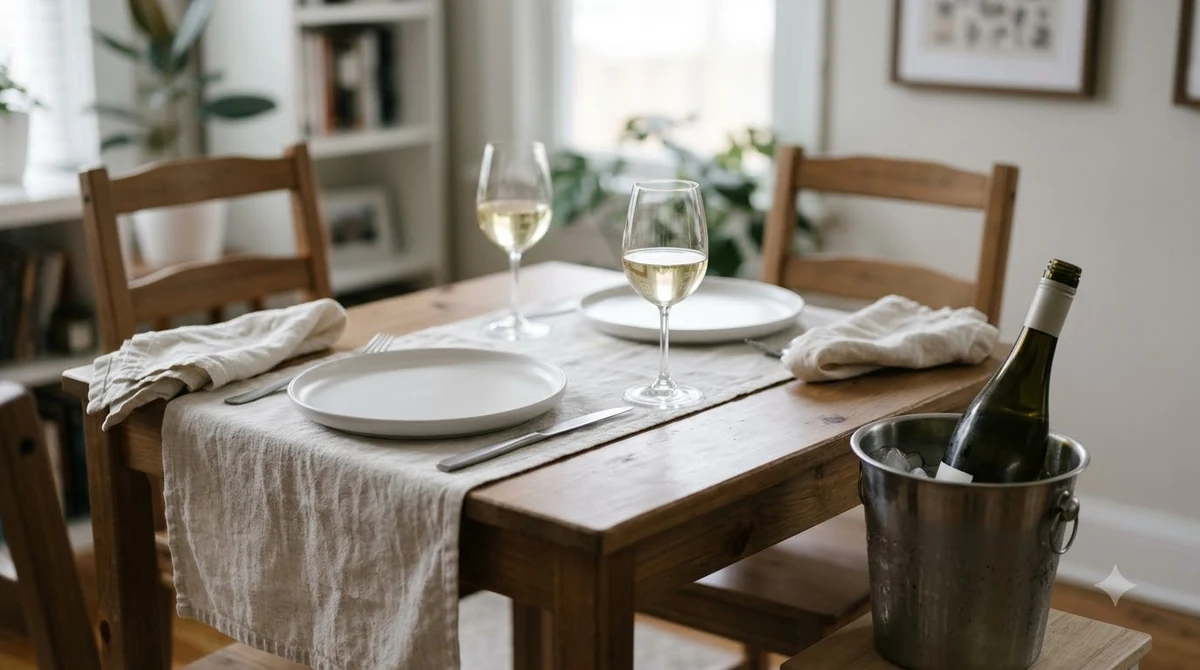
Plan ahead rather than relying on last-minute chilling. A refrigerator can gradually bring a bottle to serving temperature. An ice bucket containing ice and water is another practical option when a bottle needs to be chilled more quickly.
The ideal target is approximately 46–50°F, equivalent to the producer’s recommended 8–10°C. This range keeps the wine refreshing while allowing the aromas to develop in the glass.
Keeping an Opened Bottle Fresh
Once opened, Champagne gradually loses carbonation. A purpose-made sparkling wine stopper can help retain bubbles and slow the loss of freshness. Keep the bottle refrigerated between pours and avoid leaving it exposed to room temperature for extended periods.
Opened sparkling wine generally keeps for approximately 1–3 days in the refrigerator, depending on the quality of the closure and the amount of wine remaining. The wine may lose some liveliness before that period ends, so it is best enjoyed promptly.
Choosing the Right Glass
A tulip-shaped Champagne glass offers a useful compromise between aroma development and bubble presentation. Its wider bowl provides more room for pear, citrus, and brioche aromas than an extremely narrow flute.
A flute remains appropriate for formal toasts and occasions where presentation is important. A standard white wine glass can also be useful for a more detailed examination of the wine’s aromatic profile, provided it is not excessively large.
Planning Food Service
Yellow Label’s versatility makes it suitable for several stages of a meal. Begin with oysters, shrimp, or vegetable appetizers, then consider richer seafood preparations, poultry, or savory dishes with moderate seasoning.
Its acidity works particularly well with salty and fatty foods because these characteristics can soften the perception of richness. Avoid pairing it with very sweet desserts, since a dessert that is sweeter than the wine can make the Champagne seem thin and sour.
Spicy food also requires some consideration. Strong chili heat can make alcohol seem more pronounced, so heavily spiced dishes may overwhelm the wine’s delicate fruit and pastry notes. Choose moderately seasoned preparations when the goal is to appreciate the Champagne itself.
For more specific meal suggestions, our Veuve Clicquot Yellow Label food pairing guide explores how to match its acidity, bubbles, and fruit profile with different dishes.
Frequently Asked Questions
Is Veuve Clicquot Yellow Label made from a single harvest?
No. Yellow Label is a non-vintage Champagne, meaning it combines wines from different harvest years. Reserve wines help the cellar team maintain the house’s recognizable style across releases. The precise composition can therefore vary rather than representing one individual growing season.
What does the yellow label represent?
The yellow label is the recognizable presentation associated with Veuve Clicquot’s signature Brut Champagne. Wine.com’s historical account identifies 1877 as the year Yellow Label entered production. The label helps distinguish this signature cuvée from the producer’s other Champagne bottlings.
Does Veuve Clicquot Yellow Label contain sulfites?
Yes. The producer identifies sulfites as a constituent of Yellow Label. Sulfites are commonly present in wine as a result of winemaking and preservation practices. The product information specifically includes a sulfite statement.
What is the difference between Yellow Label and Carte Jaune?
Carte Jaune is the French name associated with Veuve Clicquot’s Yellow Label Brut. The two names refer to the same signature cuvée rather than two separate Champagne styles. The French expression translates to Yellow Card, reflecting the distinctive yellow presentation.
Why is Pinot Noir important in Veuve Clicquot Yellow Label?
Pinot Noir is central to the house’s blending philosophy because it supplies the backbone of the Champagne. Veuve Clicquot identifies its historic emphasis on Pinot Noir as an important part of the house style. This emphasis distinguishes Yellow Label from blends that place greater importance on Chardonnay.
Veuve Clicquot Yellow Label is a strong option for drinkers who appreciate dry Champagne with generous orchard fruit, citrus freshness, and a recognizable pastry character. Its Pinot Noir-led blend, reserve-wine contribution, and food-friendly structure make it suitable for occasions beyond a traditional celebratory toast. For buyers seeking an approachable introduction to the house style, Yellow Label offers a well-defined combination of freshness, body, and aromatic complexity.
More in Wine Brands
 Underwood Wine Price: Compare Bottles, Cans, and Pack SizesUpdated Nov 21, 2026
 Zenato Wine Price: Compare Styles and Choose the Right BottleUpdated Nov 21, 2026
 Zuccardi Wine Price: Compare Bottles and Find the Right RangeUpdated Nov 21, 2026
 Yellow Tail Moscato Review: Taste, Sweetness and Serving TipsUpdated Nov 21, 2026
 Wolf Blass Yellow Label Review: Choose Your Best StyleUpdated Nov 21, 2026
 Wolffer Estate Rose Review: Choose the Right Bottle for Your TableUpdated Nov 21, 2026