
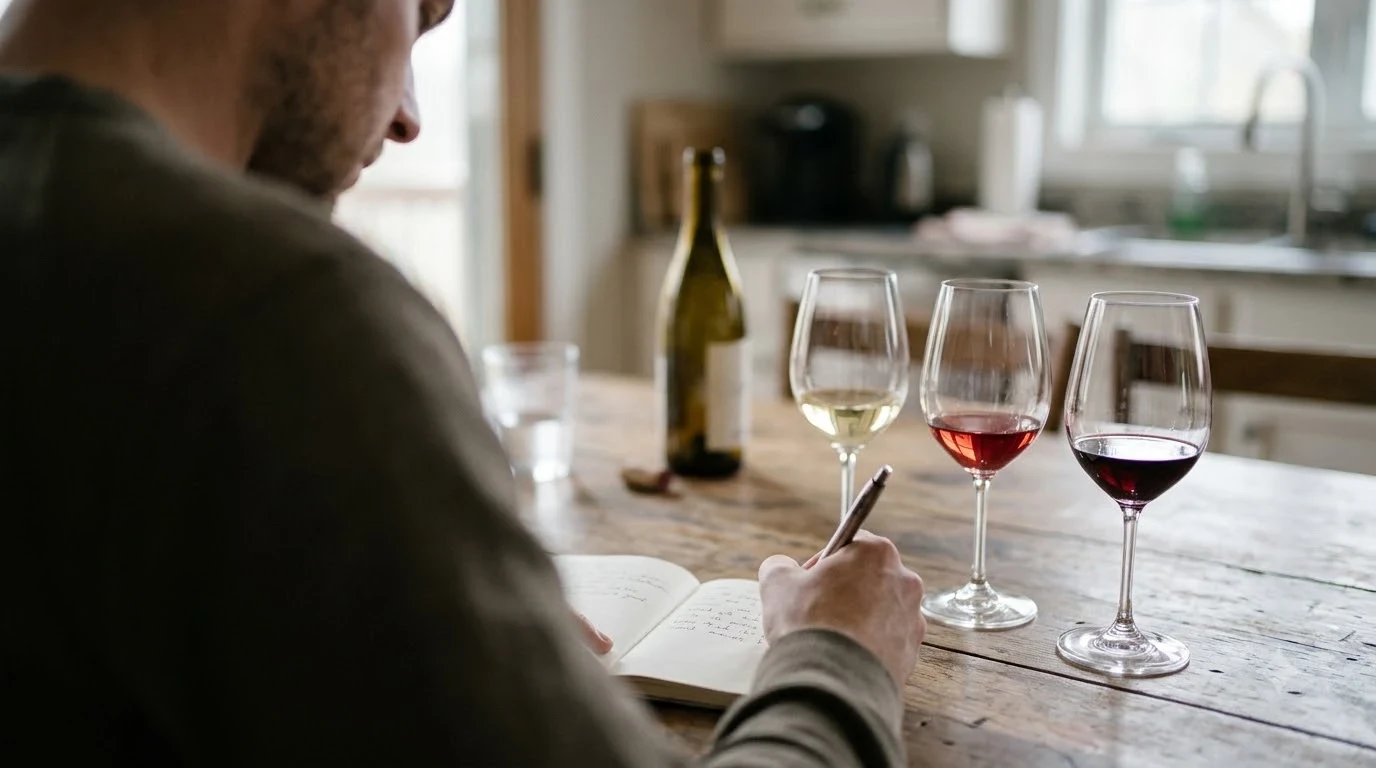

We may earn a commission when you buy through links on this page, at no extra cost to you. Learn more.
Veuve Clicquot Yellow Label tasting notes center on lemon, green apple and orange peel, with buttery richness and a steely mineral finish. It is a non-vintage Brut Champagne made mostly from Pinot Noir, with Chardonnay and Pinot Meunier in support. Serve it cold, between 40 and 50 F, in a flute or a white wine glass to keep the bubbles lively and the aromas easy to pick up.
Yellow Label is the wine most people picture when they think of Champagne. Its bright yellow label is one of the most recognizable in the category, and the bottle appears at celebrations, restaurant tables and family dinners across the English-speaking world. Because it is so familiar, it is easy to overlook the structure behind its friendly style. This guide walks through what the wine smells and tastes like, how the blend creates those flavors, how to serve and store it, and where it fits at the table.
What Yellow Label Brings to the Glass
Yellow Label opens with bright fruit and finishes with a creamy, mineral edge. It is unoaked, so its character comes from fruit, freshness and time on lees rather than from barrel flavors.
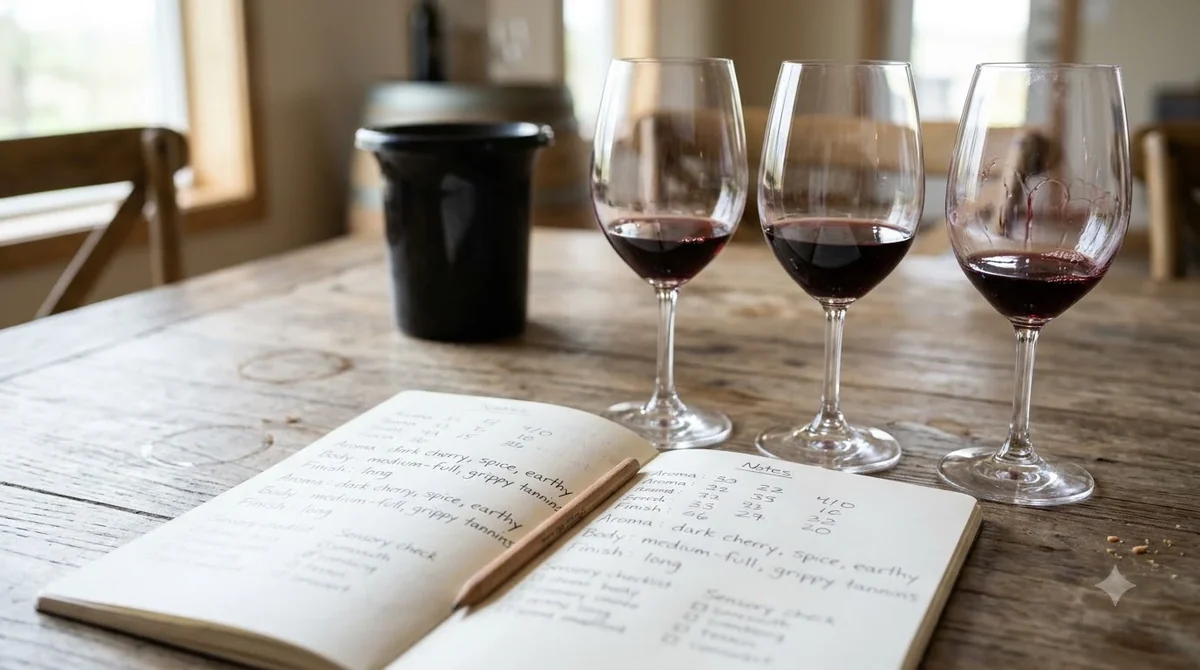
Decanter’s reviewers describe a generously proportioned, Pinot Noir-based Champagne with buttery nuances, berry scone flavors and a frothy, persistent mousse. They also note that the dosage sits at the higher end of the Brut range, which gives the wine a softer edge than the driest Champagnes on the shelf. That mix of richness and freshness is a big reason the wine feels approachable on the first sip, even for drinkers who do not usually reach for sparkling wine.
VinePair’s reviewer calls the wine ripe and fruit forward, with lively bubbles and a slightly creamy texture. The palate comes across as balanced and refreshing, which is why the bottle reads as easy and crowd-pleasing rather than austere. You can read the full write-up in VinePair’s Yellow Label review.
Think of the wine as a middle ground between light, easygoing sparkling wine and the more serious prestige Champagnes. It gives you the bright fruit most people enjoy on a first glass, with enough texture to keep a second glass interesting. For many drinkers, that balance is the whole appeal.
How the Blend Shapes the Flavor
Yellow Label is a three-grape blend with a large share of reserve wine and a long stay on lees. Each element contributes a separate layer, and together they produce the house style year after year.
According to Decanter’s review, the wine draws on up to 60 different crus, and the blend is roughly 50% Pinot Noir, 30% Chardonnay and 20% Pinot Meunier. Pinot Noir gives the wine its body and creamy center. Chardonnay adds citrus lift and a steely line through the middle. Pinot Meunier brings rounder fruit and a plumper mouthfeel that fills the gap between the other two. The full review is at Decanter’s Veuve Clicquot Champagne review.
| Element | Figure | What it adds |
|---|---|---|
| Pinot Noir | About 50% | Body, weight and a creamy core |
| Chardonnay | About 30% | Citrus lift and a steely, mineral edge |
| Pinot Meunier | About 20% | Rounder fruit and a plumper mid-palate |
| Reserve wine | Up to 45% | Year-to-year consistency in the house style |
| Time on lees | More than 30 months | Toasty depth and fine, persistent bubbles |
| Alcohol | 12% | Light enough to work as an aperitif |
Reserve wine is the other half of the story. Houses hold back wines from earlier harvests, and Decanter reports that Yellow Label can include up to 45% of them. This is what keeps the bottle tasting like itself from one release to the next, even when a harvest is small or unusual. A blend built this way is a quiet form of consistency, and it explains why the house style feels so familiar.
Time on lees is the final layer. Decanter notes that the wine spends more than 30 months on lees before disgorgement, far beyond the legal minimum for non-vintage Champagne. That long rest is where the toasty, buttery notes come from, along with the fine, persistent bubbles that define the wine. If you want to see how a major house builds a signature over decades, our Wine Brands guide is a useful next read.
Aroma and Flavor Notes Explained
Expect lemon and green apple first, then buttery richness and a steely finish. Taking the glass in stages makes the sequence easier to spot.
A simple three-step routine helps. Look at the bubbles first, then swirl gently and smell, then take a small sip and let the wine coat your mouth before you swallow.
On the Nose
The aroma starts with lemon, orange peel and green apple, then moves toward a buttery, scone-like richness with hints of berry. As the wine opens, toasty notes from the long time on lees come forward. Decanter’s reviewers also picked up a faint creamy, doughy scent in the base, which makes the nose feel rounder than the fruit alone.
On the Palate
The first sip is bright and lively, with lemon and green apple leading the way. VinePair describes the palate as fruit forward with a creamy texture, and the bubbles are lively without feeling sharp, which keeps the wine fresh from the first sip to the last. The middle of the palate fills out with a softer, buttery note that carries the fruit. For a pink take on the same house, our Veuve Clicquot rosé tasting notes show how that bottle differs.
The Finish
The finish is dry and clean, closing with a steely, mineral edge that lingers for a while. Underneath sits a trace of sweetness from the dosage, which rounds off the acidity so the wine never feels thin. That balance between fresh fruit, toasty richness and a mineral close is what makes each glass feel complete.
Serving Temperature and Glassware
Serve Yellow Label between 40 and 50 F, the usual range for sparkling wine. Colder keeps the bubbles lively, while a bottle that warms too far loses its fresh edge quickly.
Chill the bottle in the refrigerator for several hours before serving. If you are short on time, submerge it in an ice bath for about 25 minutes and turn it now and then so the chill reaches the whole bottle. Avoid the freezer. A forgotten bottle can burst as the liquid expands, and a wine that cold will hide its aromas anyway.
For glassware, a flute keeps the bubbles visible and streaming, which is the classic look. A tulip-shaped white wine glass, slightly wider at the bowl, lets the buttery and toasty notes come up more clearly. Either works well, so choose based on whether you want to watch the bubbles or smell the wine.
Pour about 5 ounces per glass. A 750 ml bottle gives roughly five servings, so one bottle covers a small dinner party with a glass each, while a larger group will want a second bottle. Pour slowly at first so the foam settles, then fill to the widest part of the glass.
Tip: Pour the first glass with the glass slightly tilted, then straighten it as it fills. The gentle start keeps the foam under control, and the wine reaches the glass with more of its aroma intact.
Where Yellow Label Sits in the Brut Range
Yellow Label is a Brut, which means it is dry but not bone dry. Its place in the sweetness range helps explain why it works at so many different tables.
Brut Nature adds no sugar at all, Extra Brut adds very little, and Brut adds a modest amount to balance the acidity. Extra Dry and Dry move toward a softer, sweeter taste, while Demi-Sec and Doux are sweet enough for dessert. Yellow Label lands in the familiar Brut zone, which is why it is the bottle many people reach for first.
According to Decanter, Yellow Label’s dosage sits at the higher end of the Brut range, so it reads as softer than the driest styles. That detail is useful when you compare it with other house Champagnes. A Brut Nature from another house will usually taste leaner and more chiseled, while Yellow Label offers more roundness and fruit on the palate.
Blend type changes the taste as well. Blanc de Blancs is made only from Chardonnay and tends to taste linear and citrus-driven. Blanc de Noirs, made from black grapes, is fuller and more red-fruited. Yellow Label is a classic three-grape blend, so it brings those traits together rather than leaning hard in one direction.
Food Pairings and Occasions
Yellow Label is most at home as an aperitif and alongside salty, fried or briny foods. Its freshness and bubbles cut through richness without overwhelming simple dishes.
Decanter calls the wine a great aperitif thanks to its light-footed style, which is a useful starting point for a menu. Fried chicken, potato chips, salted nuts, popcorn and crisp tempura all work well, because the bubbles and fresh fruit clean the palate between bites. A soft cheese such as brie, or a salty aged cheese, also suits the wine’s toasty side.
Oysters are a classic match. The wine’s mineral finish echoes the sea, and the bubbles keep the palate fresh between shellfish. Lightly poached shrimp works in the same way, especially with a simple lemon squeeze.
Dessert requires more care. A wine should be at least as sweet as the dessert it accompanies, so a Brut like Yellow Label pairs better with lightly sweet pastries, fresh berries or shortbread than with chocolate cake. Chocolate will make the wine taste thin and sour. For specific dish matches, our Veuve Clicquot Yellow Label food pairing guide goes deeper.
The wine also suits occasions where you want something easy to share, such as a holiday toast, a brunch with friends or a casual weeknight dinner. If your table calls for something sweeter and lower in acidity, our yellow tail moscato tasting notes cover a style that handles sweeter desserts more comfortably.
Storage, Aging and Freshness
Keep unopened bottles lying down in a cool, dark place, and finish an opened bottle within a few days. Non-vintage Champagne also benefits from a short rest in your cellar.
According to the Comité Champagne, non-vintage Champagne must age at least 15 months in the bottle before release, with at least 12 of those months on lees. Yellow Label goes well beyond that minimum, which is why it is ready to enjoy when you buy it. Decanter notes that some houses extend the time even further, so the legal floor is a starting point rather than a ceiling.
Storage matters more than most people expect. Store bottles on their side near 55 F, away from direct light and temperature swings. Decanter suggests a bottle can stand upright for less than a month, but anything kept longer should lie flat in a wine rack. Warmth and light do the most damage to sparkling wine.
A little cellar time can help. Decanter’s guidance is that two or three years are no problem for a non-vintage Champagne, and the best examples can stretch to five years. Bottles change noticeably in the months after disgorgement, so a bottle you buy now may taste different after a few months at home. Disgorgement dates are not required on labels, so if you cannot find one, plan to drink the bottle within a year.
Once opened, reseal the bottle with a sparkling wine stopper and keep it in the refrigerator. Sparkling wine usually holds its character for one to three days, so finish the bottle quickly or pour smaller servings over the first evening.
Frequently Asked Questions
Is Veuve Clicquot Yellow Label a vintage Champagne?
No. Yellow Label is non-vintage, so it blends wines from several harvests rather than coming from one year. Vintage Champagne must come from a single harvest and spend at least three years aging on lees before it is sold, which is why vintage bottles are rarer and sit higher in a producer’s lineup.
How many bottles of Yellow Label does the house sell each year?
Decanter estimates that Veuve Clicquot sells roughly 19 million bottles of Yellow Label a year, which makes the house the second most prolific in Champagne. That volume explains why the bottle is so easy to find in shops and restaurants around the world.
Does Yellow Label work in a Champagne cocktail?
Yes. A classic Champagne cocktail starts with a sugar cube soaked in bitters at the bottom of a flute, then tops it with chilled Brut. Because Yellow Label already has a touch of fruit sweetness, go light on any extra sugar, and a small twist of lemon peel brings out its citrus notes.
What makes Champagne different from other sparkling wines?
Champagne must come from the Champagne region in northeast France and be made by the traditional method, with a second fermentation inside the bottle. Many other sparkling wines use faster, cheaper methods, such as tank fermentation used for Prosecco, which is why the bubbles and aging character often differ.
Is Yellow Label a good gift?
Yes. The label is instantly recognizable, and the style is approachable for most guests. VinePair describes the bottle as a go-to choice for gifting and group dinners, so it works well when you want something safe and crowd-pleasing. A simple gift box makes the presentation feel special.
Yellow Label rewards a little care with temperature and storage, but it is also one of the easiest sparkling wines to share. Serve it cold, match it with salty and fried foods, and let its balanced fruit do the work. For the house’s pink expression or sweeter alternatives, the links above are a good next step.
More in Wine Brands
 Louis Latour Wine Price: Compare Bottles by Style and TierUpdated Nov 20, 2026
 Yellow Tail Moscato Price: What to Expect Before You BuyUpdated Nov 20, 2026
 Sutter Home Sweet Red Review: Find the Right Food PairingsUpdated Nov 20, 2026
 Franzia Chillable Red Review: Find the Right Serving StyleUpdated Nov 20, 2026
 Veuve Clicquot Rose Review: Flavor, Food Pairings and Buying AdviceUpdated Nov 20, 2026
 Rombauer Wine Price: Compare Bottles Before You BuyUpdated Nov 20, 2026