


We may earn a commission when you buy through links on this page, at no extra cost to you. Learn more.
Veuve Clicquot rose tasting notes reveal a fresh, full-bodied Champagne with flavors of raspberry, strawberry, cherry, and blueberry, complemented by citrus peel, delicate spices, toasted brioche, and a long, elegant finish. Its combination of lively acidity, fine bubbles, and rounded fruit makes it richer than many lighter rosé sparkling wines. The classic Brut Rosé is dry in style, although its ripe berry flavors create an appealing impression of fruit sweetness. Serve it well chilled at 40–50°F to appreciate its freshness and aromatic detail.
Veuve Clicquot Brut Rosé brings together the recognizable structure of the Champagne house’s Yellow Label blend and the added character of red Pinot Noir wine. The result is a pink Champagne with generous fruit, noticeable depth, and enough freshness to work as both an aperitif and a companion to a substantial meal. Understanding its aromas, grape composition, production, and serving requirements makes it easier to decide when and how to enjoy this well-known cuvée.
Appearance, Aroma, and First Impressions
Veuve Clicquot Brut Rosé has a luminous pink appearance, fresh red-fruit aromas, and a combination of pastry and spice notes that give it more aromatic complexity than a straightforward fruit-driven rosé. Its color and fragrance provide useful first clues about the Pinot Noir influence and the wine’s Champagne character.
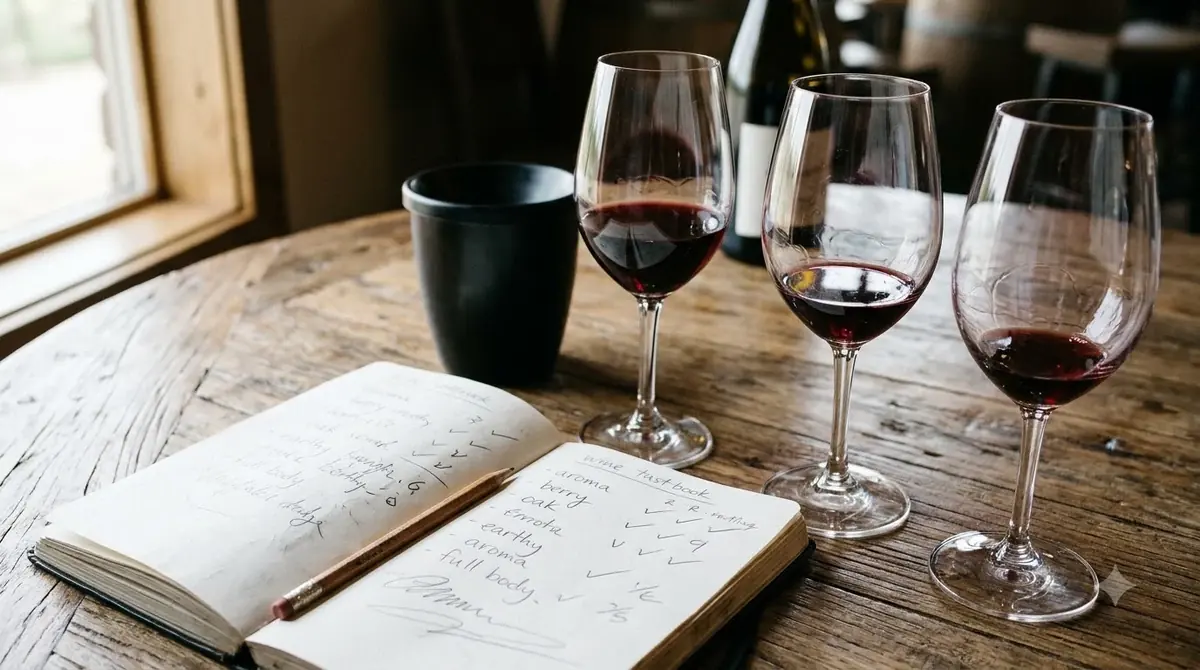
In the glass, expect a clear, bright rosé color with pink and sometimes copper-like highlights. The exact shade can vary with the bottle and its age, but the overall impression is polished and vibrant rather than pale and almost colorless. A steady stream of bubbles adds movement, while a fine mousse creates a soft layer of foam when the Champagne is poured into a clean glass.
The first aromas are generally led by red fruit. Raspberry, wild strawberry, cherry, and blackberry form the central fruit profile. Blueberry can add a darker berry impression, while redcurrant contributes a slightly sharper character. These aromas make the wine smell ripe and expressive without necessarily suggesting a sweet Champagne.
Look beyond the initial fruit aromas and additional layers become apparent. Almond, apricot, biscuit, and croissant bring a pastry-like quality. Toast and brioche add a familiar aged-Champagne character, while orange peel introduces a fresh citrus accent. White pepper, saffron, and licorice provide subtle spice and complexity.
These aromas are not necessarily equally prominent in every glass. Serving temperature, glass shape, and the time since opening can influence which characteristics are easiest to identify. At first, chilled Champagne may emphasize citrus and fresh berries. As it warms slightly, pastry, dried fruit, and spice aromas can become more noticeable.
For the clearest first impression, pour a small amount into a tulip-shaped sparkling-wine glass. Swirl gently rather than aggressively, then smell the wine before taking a sip. This simple approach helps distinguish the fresh fruit aromas from the deeper biscuit and toasted notes.
The aromatic combination is an important part of the wine’s identity. A simple fruit-forward rosé might emphasize strawberry and watermelon almost exclusively. Veuve Clicquot Brut Rosé has a broader profile, combining red and black fruit with citrus, spice, and pastry. That combination gives it enough complexity to accompany different courses rather than limiting it to an opening toast.
Grape Blend, Production, and Champagne Heritage
Veuve Clicquot Brut Rosé uses a traditional Champagne blend of Pinot Noir, Chardonnay, and Meunier, with additional red Pinot Noir wine providing its characteristic pink color and extra structure. The producer also uses reserve wines and grapes from multiple Champagne crus to maintain its recognizable non-vintage house style.
The classic blend is made up of three principal grape varieties. Pinot Noir represents 50%, Meunier accounts for 20%, and Chardonnay contributes 30%. Each variety performs a different role in the finished Champagne.
- Pinot Noir: Provides much of the wine’s structure, body, and red-fruit character. Its influence helps explain the generous cherry and raspberry flavors.
- Meunier: Contributes approachable fruitiness and roundness, helping the blend feel generous rather than overly austere.
- Chardonnay: Adds freshness, finesse, and a more delicate aromatic dimension that balances the richer black-fruit elements.
The producer also incorporates up to 45% reserve wines. These are wines retained from previous harvests and blended into later non-vintage releases. Their purpose is to help preserve a recognizable house character despite differences in growing conditions between individual harvests.
Another important component is the addition of approximately 12% red wine. This red-wine component is responsible for much of the rosé color and contributes to the wine’s depth, structure, and concentrated berry character. It is not simply a decorative coloring ingredient; it changes the overall balance of the blend.
This production approach has a particular place in Champagne history. In 1818, Madame Clicquot developed what the producer identifies as the first known blended rosé Champagne. Her approach involved adding red wine to white Champagne rather than relying on alternative coloring techniques. The method became an important part of the region’s rosé production tradition.
The Champagne appellation recognizes two principal ways of producing rosé. One involves allowing black grape skins to color the juice through maceration. The other involves adding still red Champagne wine to a white base wine before the second fermentation.
According to the Comité Champagne, the red-wine component in blended rosé generally represents approximately 5–20% of the blend. Veuve Clicquot’s stated 12% addition sits within that range.
For additional background, the Comité Champagne’s explanation of rosé production and Champagne classifications provides useful context about the methods used across the region.
The house draws grapes from approximately 50–60 different crus. A cru refers to a recognized vineyard-growing area or village within Champagne. Combining fruit from numerous locations allows the winemaking team to select components with different characteristics and build a balanced finished blend.
These production details explain why the wine is more structured than a simple sparkling pink wine. The Pinot Noir foundation, reserve-wine contribution, and measured addition of red wine create a Champagne with recognizable fruit intensity and enough freshness to remain balanced.
Palate, Texture, Acidity, and Finish
On the palate, Veuve Clicquot Brut Rosé combines fresh berry flavors with rounded texture, lively acidity, and a persistent sparkling finish. Its Pinot Noir influence gives it more weight and structure than many delicate sparkling rosés, while Chardonnay helps maintain freshness.
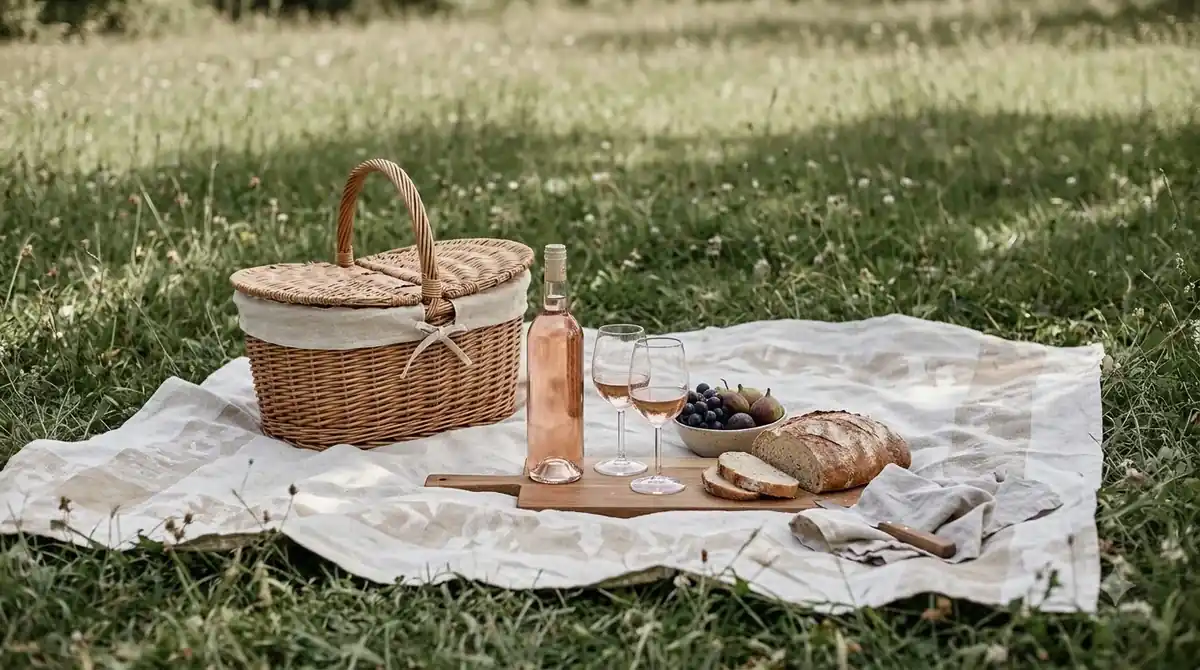
The first sip usually emphasizes red fruit. Strawberry and raspberry are prominent, with cherry and blackberry adding depth. Depending on the serving temperature and the individual bottle, blueberry, redcurrant, and orange peel may also become apparent.
The fruit character is generous but does not make the Champagne taste like a dessert wine. Instead, the berries sit alongside acidity and bubbles that keep the overall impression fresh. This distinction matters because aromatic fruitiness and actual sugar content are not the same thing.
Texture is another defining feature. The mousse should feel lively but relatively fine, creating a creamy sensation across the palate. The wine’s body is fuller than that of a particularly delicate Blanc de Blancs Champagne, and the red-wine component contributes to its rounded, vinous character.
The acidity provides an important counterweight to this richness. It refreshes the palate after each sip and prevents the pastry and berry flavors from becoming heavy. This is one reason the wine works with both appetizers and foods with moderate richness.
As the wine develops in the glass, biscuit, almond, toasted bread, and orange peel can become more apparent. A gentle spice character may also emerge, particularly white pepper and saffron. These flavors add complexity without completely replacing the fresh fruit profile.
The finish is typically long and elegant, with lingering red fruit, citrus, and pastry notes. Rather than ending with a pronounced sugary impression, it leaves a fresh, lightly savory character that encourages another sip.
How to interpret the different flavor layers
It helps to separate the tasting experience into three stages:
- Opening: Fresh raspberry, strawberry, cherry, and lively bubbles establish the wine’s fruit-forward character.
- Middle palate: Blackberry, blueberry, orange peel, biscuit, and gentle spice contribute additional depth and texture.
- Finish: Fresh acidity, lingering berry flavors, and toasted pastry notes create a balanced conclusion.
These stages are not rigid tasting rules. The aromas and flavors overlap, and different tasters may describe the same impression in slightly different ways. Nevertheless, the progression provides a practical framework for recognizing the wine’s main characteristics.
Those who enjoy richer Champagne styles will probably appreciate the combination of Pinot Noir structure and pastry-like complexity. People who prefer extremely light, citrus-dominated sparkling wines may find it more substantial, particularly when served alongside food.
For a broader comparison of the house’s signature style, Veuve Clicquot Yellow Label tasting notes explain the traditional Brut expression and its balance of fruit, freshness, and structure.
Sweetness, Dosage, and Alcohol Content
Veuve Clicquot Brut Rosé is a dry Champagne rather than a sweet rosé sparkling wine. Its berry aromas can suggest ripe fruit sweetness, but its Brut classification and measured dosage place it firmly in the dry Champagne category.
Dosage refers to the sugar-containing liquid added during the final stages of Champagne production after disgorgement. It helps establish the finished wine’s balance and sweetness. The producer’s classic Rosé product information lists a dosage of approximately 9 grams per liter.
There can be small differences between published product descriptions and individual technical specifications. The important practical point is that the classic cuvée is made in a Brut style, not as a sweet or dessert-focused Champagne.
The Comité Champagne classifies Brut as containing less than 12 grams of sugar per liter. Other familiar categories include Extra Brut, Brut Nature, Extra Dry, Sec, Demi-Sec, and Doux. Their sweetness classifications are useful when comparing different sparkling wines.
| Champagne classification | Sugar content per liter | General style |
|---|---|---|
| Brut Nature | Less than 3 g | Very dry, with no added sugar or minimal residual sugar |
| Extra Brut | 0–6 g | Very dry and crisp |
| Brut | Less than 12 g | Dry, balanced, and versatile |
| Extra Dry | 12–17 g | Slightly softer and sweeter than Brut |
| Sec | 17–32 g | Noticeably sweeter |
| Demi-Sec | 32–50 g | Sweet, suitable for sweeter food pairings |
| Doux | More than 50 g | Very sweet |
These classifications explain why a Brut Champagne can taste fruity without being particularly sweet. Strawberry, cherry, and raspberry aromas come from the wine’s grape-derived aromatic compounds, while dosage determines the amount of sugar added to influence the final balance.
The distinction also matters when planning food pairings. A dry Champagne can work particularly well with savory foods, seafood, and salty appetizers. A much sweeter dessert, however, can make Brut Rosé taste sharper and less fruity by comparison.
Wine.com identifies the standard non-vintage bottle as containing 12.5% alcohol by volume. That level is typical of many Champagne bottlings and contributes to the wine’s weight and warmth on the palate.
The classic Brut Rosé should also be distinguished from Veuve Clicquot RICH Rosé. RICH Rosé is a separate, sweeter expression with a substantially higher dosage of 55 grams per liter and a different intended serving style. They should not be treated as interchangeable when discussing sweetness or food pairing.
Best Serving Temperature and Glassware
Serve Veuve Clicquot Brut Rosé at approximately 40–50°F, with 46–50°F providing a useful starting point for enjoying its aromatic detail. A tulip-shaped Champagne glass is an excellent choice because it preserves the bubbles while allowing the red-fruit, citrus, and pastry aromas to develop.
The producer’s recommended serving temperature is 8–10°C, equivalent to approximately 46–50°F. This is a practical range for balancing freshness with aromatic expression.
Serving the Champagne much colder can temporarily suppress its aromas. The wine may still feel refreshing, but strawberry, raspberry, almond, and brioche notes can become less obvious. If the glass warms slightly, more of the wine’s aromatic detail should emerge.
At the other extreme, serving it too warm can make the bubbles seem less refreshing and emphasize the alcohol and fuller body. A moderate temperature helps preserve the contrast between fresh acidity and rounded fruit.
Choosing the right glass
A tulip-shaped sparkling-wine glass is particularly suitable for this Champagne. Its narrower opening helps retain carbonation, while its wider central bowl gives the aromas enough room to develop.
A standard white-wine glass can also work well, particularly for a more detailed tasting. Its larger bowl provides additional room for aromas, although it may allow the bubbles to dissipate somewhat faster.
A narrow flute remains a familiar choice for celebrations. It highlights the visual stream of bubbles and keeps the pour looking elegant, but its restricted opening makes it harder to appreciate the wine’s full aromatic range.
Opening and pouring
Chill the bottle in advance rather than relying on a quick freezer session. Once chilled, remove the foil and loosen the wire cage while keeping a hand firmly over the cork. Hold the bottle at an angle and gently rotate the bottle, allowing the cork to ease out with a controlled release.
Pour gradually into clean glasses to avoid excessive foam. A standard 750 ml bottle provides approximately five 5-ounce servings, making it a convenient size for a small dinner gathering.
Tip: For a more expressive tasting, begin with the Champagne at approximately 46°F and allow it to warm slightly in the glass. This gives you a chance to notice the fresh berry aromas first and the biscuit, almond, and toasted notes as the wine opens.
If the bottle is not finished, use a proper sparkling-wine stopper and refrigerate it promptly. Champagne generally retains its best sparkling character for around one to three days after opening, although the exact result depends on the stopper, storage conditions, and remaining carbonation.
Food Pairings That Complement the Rosé Style
Veuve Clicquot Brut Rosé pairs particularly well with seafood, sushi, savory appetizers, poultry, pizza, aged cheese, and fresh red-fruit desserts. Its acidity refreshes the palate, while the Pinot Noir structure and berry flavors give it enough character to accompany dishes with more flavor than a simple aperitif snack.
The producer specifically recommends sashimi, pizza, aged cheeses, and light red-fruit desserts. These suggestions make sense because the wine combines fresh acidity, generous fruit, and a relatively substantial texture.
Seafood and sushi
Sashimi is one of the strongest pairing choices. Salmon and tuna have enough richness to complement the Champagne’s rounded body, while its acidity helps refresh the palate between bites.
Other useful options include shrimp, crab, scallops, and lightly seasoned seafood dishes. The wine’s bubbles provide contrast to the natural richness of these foods without overpowering their delicate flavors.
Salmon sushi and tuna rolls can be especially appealing because their fuller flavors complement the Pinot Noir character. Simple preparations are generally preferable to heavily sweetened sauces that could make the dry Champagne seem more acidic.
Oily fish deserves a little more attention. Although salmon can work well with this Champagne, very oily fish preparations with strong, metallic, or intensely smoked flavors may be less successful. Preparation, seasoning, and accompanying ingredients make a difference.
Poultry and savory dishes
Roast chicken, duck breast, and turkey can complement the wine’s fruit and structure. Duck is particularly suitable because its richness provides contrast to the Champagne’s acidity, while its savory flavors work alongside the red-fruit character.
Pizza is another useful option. A classic Margherita combines tomato acidity, mozzarella, and savory basil, all of which can work with the wine’s freshness. Pizzas with mushrooms, roasted vegetables, or moderate amounts of cured meat are also worth considering.
Lasagna and savory pies are good choices for a more substantial meal. Their tomato, cheese, and pastry components connect naturally with the wine’s fruit and brioche notes.
Cheese and appetizers
Cheese is a particularly flexible pairing category. Veuve Clicquot recommends Ossau-Iraty, fresh goat cheese, tomme de brebis, Gouda, Mimolette, and Irish cheddar.
These cheeses provide a mixture of creaminess, saltiness, and savory flavor. Salt and fat can soften the perception of a wine’s structure, while the Champagne’s acidity helps keep the combination from feeling too rich.
For a simple appetizer board, combine mild aged cheeses with almonds, sesame crackers, fresh strawberries, and small portions of cured meat. Avoid allowing extremely strong cheeses to dominate the Champagne’s more delicate aromas.
Tapas, antipasti, vegetable chips, and raw vegetables also offer practical options. A selection of olives, roasted peppers, grilled vegetables, and lightly seasoned crackers gives the wine several different textures and flavors to work with.
Desserts and fruit
Red-fruit desserts can complement the Champagne particularly well when their sweetness is restrained. Strawberry tart, raspberry tart, fresh berries, and tangy fruit sorbet echo the wine’s natural aromatic profile.
The main consideration is sweetness. A dessert should not be dramatically sweeter than the Champagne, because excessive sugar can make a dry Brut taste sharp and less expressive. A lightly sweetened strawberry tart is generally more suitable than a very sugary chocolate confection.
Chocolate desserts can work in some circumstances, but rich dark chocolate and intensely sweet fillings may overwhelm the wine’s delicate bubbles and fresh fruit. For a more reliable pairing, choose fruit-based desserts with moderate sweetness.
For another style of pink wine, Miraval Rosé tasting notes provide a useful comparison with still rosé from Provence. Readers considering a different occasion may also find Whispering Angel Rosé tasting notes helpful when comparing Champagne with a still, Provence-style rosé.
How Veuve Clicquot Rosé Compares With Other Rosé Wines
Veuve Clicquot Brut Rosé stands apart from most still rosé wines because it combines Champagne’s bottle-fermented sparkling character with the fuller fruit and structure of a red-wine addition. Its acidity, bubbles, and pastry notes give it a different drinking experience from the lighter, still rosés commonly associated with warm-weather dining.
Understanding the difference between Champagne rosé and still rosé helps explain why the wine can accompany more substantial food. Both styles may offer strawberry, raspberry, and citrus aromas, but their production methods and textures are quite different.
Champagne rosé versus still rosé
Veuve Clicquot Brut Rosé undergoes the traditional Champagne production process, including a second fermentation in the bottle. This creates its characteristic carbonation and contributes to the fine mousse and complex texture.
Still rosé wines, such as many examples from Provence, do not undergo this same bottle-fermentation process. They are generally designed around fresh fruit, acidity, and a lighter texture without the persistent bubbles associated with Champagne.
The difference is particularly clear when considering food. A delicate Provence rosé may be an excellent match for grilled vegetables, salads, and light seafood. Veuve Clicquot Brut Rosé can work with these foods too, but its additional body and sparkling texture make it suitable for richer dishes such as duck, savory pies, and aged cheeses.
Brut Rosé versus Yellow Label
The closest comparison is the house’s Yellow Label Brut Champagne. Both wines share the familiar foundation of Pinot Noir, Chardonnay, and Meunier, along with the use of reserve wines to preserve a recognizable house style.
The key difference is the addition of red Pinot Noir wine in the Rosé. This contributes pink color, greater red-fruit emphasis, and additional depth. The resulting Champagne has a more obvious berry character and a slightly more vinous impression.
Yellow Label is generally the more straightforward choice for drinkers seeking a classic non-vintage Brut Champagne with fresh fruit, citrus, and pastry characteristics. Rosé is a stronger choice for those who prefer a richer berry profile and a more distinctive visual presentation.
Which style should you choose?
Choose Veuve Clicquot Brut Rosé when the occasion calls for a sparkling wine with more red-fruit expression and enough structure to accompany a full meal. It works especially well for celebrations involving seafood, poultry, cheese boards, and savory appetizers.
Choose a still rosé when the preference is for a lighter, less structured wine to accompany casual lunches, grilled vegetables, or outdoor dining. Choose Yellow Label when a traditional Brut Champagne profile is more important than the extra berry character of the rosé expression.
For more information about the producer and its different Champagne expressions, explore the Wine Brands section.
Frequently Asked Questions
Who created the first blended rosé Champagne?
Madame Clicquot is credited by the producer with creating the first known blended rosé Champagne in 1818. Her approach involved adding red wine to a white Champagne base, establishing a production method that became influential throughout the region. The innovation is an important part of the history behind the house’s modern Rosé expression.
Does Veuve Clicquot Brut Rosé contain reserve wines?
Yes. The producer states that its blend can contain up to 45% reserve wines. These wines come from previous harvests and allow the cellar team to maintain a recognizable house character across different non-vintage releases. The precise contribution can vary between blends.
What does the term cru mean on a Champagne production description?
A cru refers to a recognized wine-growing village or vineyard area within the Champagne appellation. Champagne producers select fruit from different crus to create blends with particular structural and aromatic characteristics. Veuve Clicquot uses grapes from approximately 50–60 crus for its classic Rosé.
Is Veuve Clicquot Rosé a vintage Champagne?
The classic Brut Rosé discussed here is a non-vintage Champagne. That means its blend can combine wines from multiple harvest years rather than representing one specific harvest. Veuve Clicquot also produces separate vintage rosé expressions, which are distinct wines with their own blend specifications.
What is the difference between Veuve Clicquot Rosé and RICH Rosé?
Classic Brut Rosé is a dry Champagne designed for traditional sparkling-wine service and savory food pairings. RICH Rosé is a separate, sweeter cuvée with a dosage of 55 grams per liter. The producer specifically designs RICH Rosé for very cold service or enjoyment over ice, making it a different style rather than simply another name for the classic Brut Rosé.
Veuve Clicquot Brut Rosé offers a distinctive combination of fresh red berries, citrus, pastry, delicate spice, and a structured, refreshing finish. Its Pinot Noir-led blend gives it enough body for seafood, duck, pizza, and aged cheese while maintaining the freshness expected of Champagne. Serve it around 46–50°F in a tulip-shaped glass to appreciate its full aromatic character, whether opening a bottle for a celebration or pairing it with a carefully prepared meal.
More in Wine Brands
 Louis Latour Wine Price: Compare Bottles by Style and TierUpdated Nov 20, 2026
 Yellow Tail Moscato Price: What to Expect Before You BuyUpdated Nov 20, 2026
 Sutter Home Sweet Red Review: Find the Right Food PairingsUpdated Nov 20, 2026
 Franzia Chillable Red Review: Find the Right Serving StyleUpdated Nov 20, 2026
 Veuve Clicquot Rose Review: Flavor, Food Pairings and Buying AdviceUpdated Nov 20, 2026
 Rombauer Wine Price: Compare Bottles Before You BuyUpdated Nov 20, 2026