

We may earn a commission when you buy through links on this page, at no extra cost to you. Learn more.
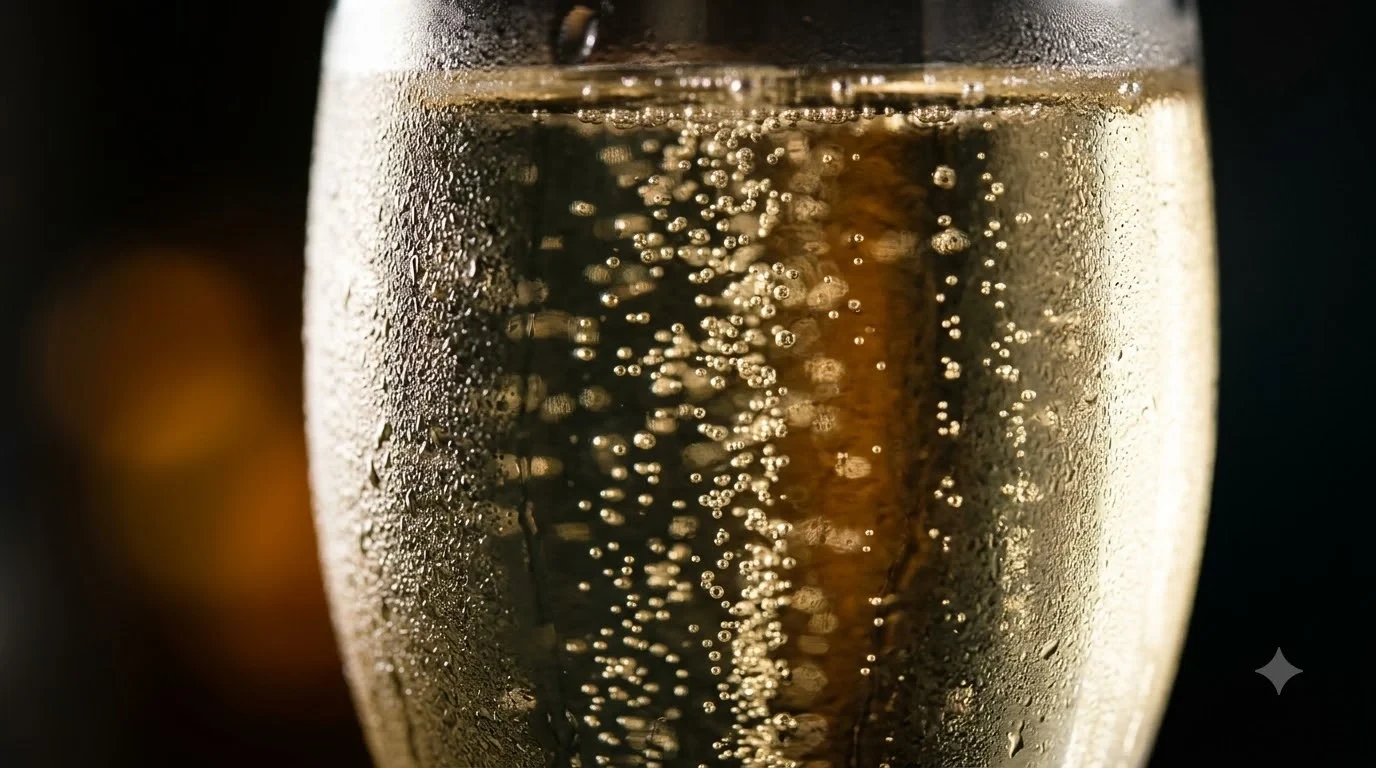
A champagne cocktail is a classic drink made by soaking a sugar cube in bitters, dropping it into a chilled flute, and topping it with brut champagne or another dry sparkling wine. The traditional version often adds a small measure of cognac, and a twist of orange peel finishes the glass. It is light, dry, and fizzy, and it is one of the simplest ways to turn a bottle of sparkling wine into a cocktail.
Champagne cocktails appear on celebration menus, brunch lists, and holiday tables, yet many people make them with little idea of why each step matters. This guide walks through the classic recipe, explains what the sugar cube really does, and shows how to choose the sparkling wine and the variations that suit your taste.
What a Champagne Cocktail Is
A champagne cocktail is built on sparkling wine rather than a spirit base. The sparkle carries the drink, while the bitters add a spiced, herbal bite and the cognac, when used, adds warmth and body. Because the recipe has so few parts, each one shows up clearly in the glass, and small changes in the sparkling wine or the bitters change the result noticeably.
The drink is often called simply a champagne cocktail, even when the bottle on the table is a cava, a crémant, or a dry prosecco. Strictly speaking, only wine from the Champagne region of France can carry the name champagne on the label. For home bartending, the practical rule is to use a dry, brut-style sparkling wine and to treat the name as a style rather than a legal term.
The Classic Recipe and Method
The version most bartenders recognize uses a short list of ingredients. According to the Difford’s Guide recipe, a single serving calls for one sugar cube, three dashes of Angostura aromatic bitters, 30 ml of cognac, and 100 ml of brut champagne or sparkling wine. The glass is a flute that has been chilled beforehand, and the garnish is an orange zest twist.
| Ingredient | Amount for one drink | Role in the glass |
|---|---|---|
| Sugar cube | 1 | Slowly dissolves and feeds bubbles |
| Angostura aromatic bitters | 3 dashes | Spice, herbal depth, color |
| Cognac or brandy | 30 ml | Warmth and body (optional in older versions) |
| Brut champagne or dry sparkling wine | 100 ml | Lift, dryness, carbonation |
| Orange zest | 1 twist | Aroma over the surface |
The method is short. Soak the sugar cube with the bitters and place it in the chilled flute. Pour the chilled cognac over the cube, then top with the sparkling wine, pouring it down the inside of the glass to limit foam and keep the carbonation. Express the orange zest over the surface, then drop it into the drink or discard it, depending on your taste.
Why the Sugar Cube Matters
Many people assume the sugar cube is there to sweeten the drink, but that is not its main purpose. The cube dissolves slowly, and as it does, it releases a steady stream of bubbles. That is why the first sip has the lively fizz that defines a good champagne cocktail, even though the sweetness is modest.
Difford’s Guide quotes the cocktail historian David Wondrich on the point: the whole aim is less about sweetening the drink and more about creating bubbles. If you find the drink too dry, you can add a little more sugar, but you will change the balance that the classic recipe is built around.
Choosing the Sparkling Wine
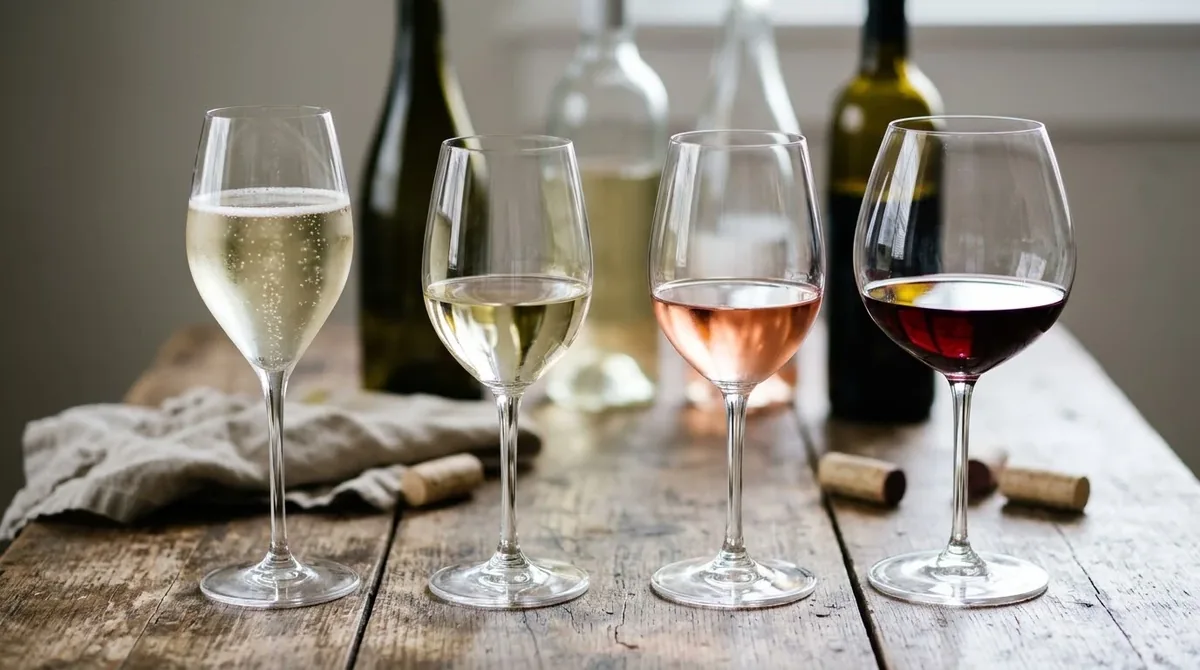
Choose a dry sparkling wine. A brut-style bottle keeps the drink crisp and lets the bitters and orange come through. Sparkling wine that is too sweet can make the cocktail cloying, especially when a sugar cube is also in the glass. Brut is the usual starting point for most home drinks.
The biscuity, citrusy notes of a good champagne are central to the drink, so a bottle with some age or yeasty complexity can make a noticeable difference. You do not need an expensive bottle, though. Many everyday sparkling wines from Champagne, Spain, or Italy work well, as long as they are dry and fresh.
If you are also curious about how strong the base wine is, our guide to champagne alcohol content explains what to expect in the bottle before it goes into the glass.
Keep the wine cold before you start, and open it at the last minute. A warm bottle loses carbonation quickly, and a flat drink is the most common reason a champagne cocktail disappoints.
The History of the Drink
The champagne cocktail is one of the oldest mixed drinks still served today. According to the Difford’s Guide history, the first written mention appears in Robert Tomes’s 1855 book on Panama, which describes a version with bitters and sugar but no brandy. Jerry Thomas’s 1862 book also left out the brandy, and by his 1887 edition sugar had become part of the recipe.
Cognac appears in the recipe later, in W. J. Tarling’s 1937 Café Royal Cocktail Book, and the drink has been debated ever since. Writers in the twentieth century had mixed opinions about it. David Embury, writing in the 1940s, considered it inferior and advised against using good vintage champagne in it. Today the cognac version is the one most bartenders serve, while the older brandy-free style still appears in classic cocktail books.
Variations to Try
Once you know the classic, small changes are easy. Some bartenders replace the cognac with a splash of sparkling water to make a lighter drink. Others use absinthe in place of the bitters and finish with a cognac float, a variation often called the Casino. Cognac can also be swapped for an orange liqueur such as Grand Marnier or triple sec, which gives the drink a sweeter, more citrus-forward profile.
For a different sparkling wine base, a dry prosecco gives a softer, fruitier glass. You can read more about that style in our prosecco cocktail guide, which covers the same idea with a different bottle. The key is to keep the drink dry and let the bubbles carry the flavor.
Tip: Chill the flute, the bottle, and the cognac before you start. The colder the ingredients, the slower the bubbles fade and the longer the drink stays lively.
How to Serve a Champagne Cocktail
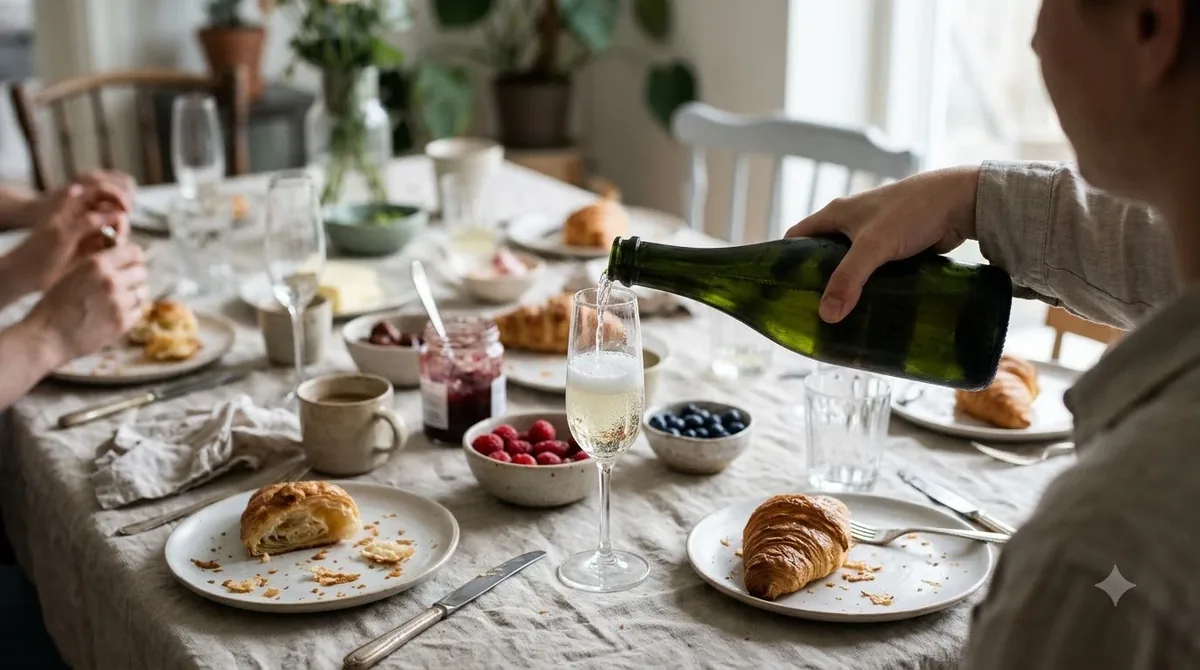
Serve the drink immediately after assembling it, since the carbonation is at its best in the first few minutes. A flute is the classic glass because it keeps the bubbles rising in a single column and shows the color of the bitters clearly. A coupe works for a retro look, though it lets the fizz escape faster.
The drink suits a range of occasions. It is a natural choice for a brunch table, a New Year’s celebration, or a small gathering before dinner. Because it is light and dry, it can open a meal without filling the guests up, and it pairs well with simple nibbles such as salted nuts, soft cheeses, and fresh fruit.
Frequently Asked Questions
Do I need cognac in a champagne cocktail?
No. The classic recipe includes cognac, but the earliest written versions did not. You can leave it out for a lighter drink, and the bitters, sugar cube, and sparkling wine will still make a complete cocktail.
Can I use prosecco or cava instead of champagne?
Yes. A dry prosecco, cava, or crémant works well in a champagne cocktail. Choose a brut or dry bottle so the drink stays crisp and the bitters remain in balance.
Why does my champagne cocktail go flat so quickly?
The most common causes are a warm bottle, a warm glass, or pouring too fast. Chill the ingredients, pour the sparkling wine slowly down the inside of the glass, and serve the drink as soon as it is made.
Is a champagne cocktail sweet?
It is only lightly sweet. The sugar cube is meant mainly to produce bubbles, so the drink should taste dry and fresh, with a gentle spice from the bitters and a citrus note from the orange.
A champagne cocktail is a simple drink that rewards a little care. Keep the sparkling wine cold, use a dry bottle, and let the sugar cube do its slow work. For more ideas on how bubbles and wine styles fit together, browse our guide to wine by type and try a few variations to find the one you like best.
More in Wine Types & Grapes
 Zinfandel Sugar Content: Dry Red vs. White Zinfandel GramsUpdated Nov 21, 2026
 Best Zinfandel Substitute Options for Sipping and CookingUpdated Nov 21, 2026
 Zweigelt Food Pairing: Best Dishes, Cheeses, and Serving TipsUpdated Nov 21, 2026
 Zinfandel Tannins Explained: How Structure Shapes Every BottleUpdated Nov 21, 2026
 Zinfandel Sweetness Level: Dry Red vs. Sweet White Zin ExplainedUpdated Nov 21, 2026
 Xinomavro Food Pairing: Best Dishes, Styles, and Serving TipsUpdated Nov 21, 2026