

We may earn a commission when you buy through links on this page, at no extra cost to you. Learn more.
This noughty wine review finds that Noughty is a strong choice for shoppers seeking premium alcohol-free wine, particularly its sparkling Chardonnay and sparkling Rosé. Produced by Thomson & Scott, the range combines traditional winemaking with dealcoholization to retain recognizable grape aromas and wine-like character. Its organic credentials, vegan suitability, and carefully differentiated sparkling styles make it worth considering, although its lighter body and lack of alcohol mean it will not reproduce every characteristic of conventional wine.
Noughty occupies an interesting position in the growing alcohol-free wine category. Rather than simply offering sweet sparkling grape juice, the brand starts with fermented wine and removes the alcohol, aiming to preserve some of the structure, aroma, and flavor that make wine enjoyable. Understanding its different bottles, production techniques, sweetness levels, and serving requirements makes it easier to decide whether Noughty suits your preferences and occasions.
Who This Is For
Noughty is particularly suitable for wine drinkers who want a recognizable wine-style experience without the alcohol. Its sparkling Chardonnay and sparkling Rosé offer two distinct flavor profiles, making the range useful for celebrations, dinner parties, casual entertaining, and occasions where guests have different drinking preferences.
It is also worth considering for shoppers who prioritize organic ingredients and vegan production. The manufacturer identifies both sparkling varieties as organic, vegan, and halal, providing several useful purchasing considerations in one product range. However, shoppers should distinguish between the brand’s individual products rather than assume that every bottle has identical production details or nutritional figures.
People accustomed to traditional Champagne, Sauvignon Blanc, or full-bodied red wine should approach Noughty with realistic expectations. Dealcoholization removes alcohol, which contributes to body, warmth, and the overall sensory experience of conventional wine. Even when the original wine is carefully produced, the finished drink can feel lighter and less complex than its alcoholic counterpart.
Noughty is also appropriate for people who enjoy sparkling drinks but prefer something with a recognizable grape and wine character rather than a conventional soft drink. Its Chardonnay offers apple-led freshness, while the Rosé provides a more berry-oriented profile. These differences give shoppers a practical starting point when choosing a bottle.
Anyone who needs to avoid even trace amounts of alcohol should pay particular attention to the exact product and its stated alcohol classification. Although the two sparkling varieties discussed here are listed at 0.0% ABV, other dealcoholized products may use a different alcohol threshold. A 0.0% designation is more specific than a general non-alcoholic description.
Key Factors to Compare
The most useful comparison points are alcohol content, grape variety, residual sugar, calories, and production method. Noughty’s two sparkling varieties have similar production techniques but noticeably different sugar and calorie figures.
| Comparison | Sparkling Chardonnay | Sparkling Rosé |
|---|---|---|
| Grape variety | 100% Chardonnay | 100% Tempranillo |
| Grape origin | Southern Spain | La Mancha, Spain |
| Alcohol content | 0.0% ABV | 0.0% ABV |
| Residual sugar | 2.9 g/100 ml | 4 g/100 ml |
| Calories | 14 kcal/100 ml | 18.5 kcal/100 ml |
| Production method | Vacuum distillation with aroma recovery | Vacuum distillation with aroma recovery |
| Carbonation | Lightly carbonated | Lightly carbonated |
| Certifications | Organic, vegan, halal | Organic, vegan, halal |
These figures come from the manufacturer’s individual product specifications. They provide a more useful starting point than relying on bottle color or general descriptions such as crisp, fruity, and refreshing. The difference in residual sugar is particularly relevant: the Rosé contains 1.1 grams more sugar per 100 ml than the Chardonnay.
For a practical comparison, consider a standard 750 ml bottle. Multiplying the manufacturer’s figures by 7.5 gives approximately 21.75 grams of residual sugar and 105 calories for the Chardonnay. The equivalent Rosé bottle contains approximately 30 grams of residual sugar and 139 calories. These calculations represent the stated figures for the entire bottle, not an individual serving.
The calorie difference is relatively small across a complete bottle, but the figures are useful for shoppers comparing similar alcohol-free sparkling wines. They should not be interpreted as evidence that one wine is universally better. Sweetness preference, texture, grape character, and the occasion are more meaningful factors when choosing between the two.
Production technique is another important consideration. Both sparkling varieties begin with traditional winemaking in stainless steel vats before vacuum distillation with aroma recovery. The producer then lightly carbonates the finished beverage. This process is intended to preserve more of the original wine’s aromatic character than simply producing an unfermented grape-based drink.
For more background on comparing producers, grapes, and wine styles, the Wine Brands section offers a useful starting point. The same approach applies to alcohol-free products: compare the actual specifications and style rather than choosing exclusively by branding.
Step-by-Step: How to Choose Noughty Wine
Choosing between Noughty’s bottles becomes easier when the decision follows a few practical steps. Start with the style you want to drink, then compare sweetness, serving occasion, and the details of the particular bottle.
-
Decide whether you want white or rosé.
Choose Sparkling Chardonnay if you prefer green and ripe apple characteristics, freshness, and a comparatively lower residual sugar figure. Choose Sparkling Rosé if you prefer berry aromas, pink color, and a slightly higher sugar content.
-
Compare the stated alcohol content.
The manufacturer’s sparkling Chardonnay and Rosé specifications both list 0.0% ABV. If a strict alcohol-free requirement matters, distinguish these products from other dealcoholized wines that may contain up to 0.5% ABV.
-
Consider sweetness rather than relying on the style name.
The Chardonnay contains 2.9 grams of residual sugar per 100 ml, compared with 4 grams for the Rosé. Both can have noticeable fruit sweetness, but neither figure alone tells you exactly how sweet the wine will taste because acidity and carbonation also influence perception.
-
Think about the food and occasion.
For an aperitif, small appetizers, and light seafood dishes, the Chardonnay is a practical option. For berry-oriented desserts, party snacks, and casual celebrations, the Rosé offers a different aromatic direction.
-
Check the nutritional information.
The manufacturer lists 14 calories per 100 ml for Chardonnay and 18.5 calories per 100 ml for Rosé. Use these numbers when comparing bottles rather than assuming every alcohol-free wine has the same nutritional profile.
-
Buy according to expected consumption.
A single 750 ml bottle is a sensible starting point if you have never tried Noughty. A larger quantity makes more sense for a gathering where several guests already enjoy alcohol-free sparkling drinks.
-
Plan the serving temperature.
Chill the sparkling bottle before serving. A temperature around 40 to 50 degrees Fahrenheit helps maintain refreshing acidity and makes the bubbles feel more balanced.
These steps help prevent a common purchasing mistake: choosing an alcohol-free sparkling wine simply because it looks like Champagne. A bottle can have attractive packaging and celebratory bubbles but still differ substantially in sweetness, body, and flavor. Matching the wine to your preferred taste is more important than expecting an exact reproduction of a traditional sparkling wine.
Tip: If you are buying Noughty for the first time, start with the Sparkling Chardonnay. Its 2.9 grams of residual sugar per 100 ml and apple-forward profile make it a useful introduction to the brand’s sparkling style. Choose the Rosé next if you prefer berry aromas and a slightly sweeter finish.
Types or Styles Explained
Noughty’s sparkling Chardonnay and Rosé are its most straightforward options for shoppers who want alcohol-free bubbles. The wider product range also includes still wines, so it helps to distinguish sparkling varieties from dealcoholized white, rosé, and red styles.
Sparkling Chardonnay
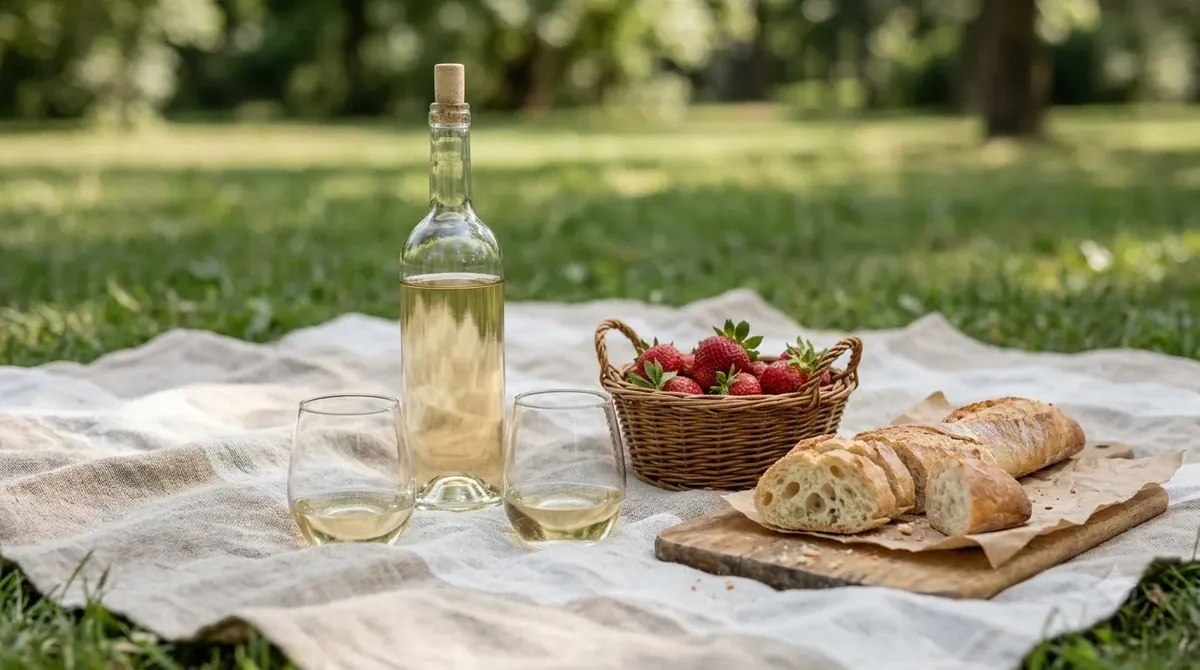
The Sparkling Chardonnay is the natural starting point for anyone looking for an alcohol-free white sparkling wine. It is made from 100% organic Chardonnay grown in southern Spain, where the producer identifies sandy and calcareous soils as part of the vineyard setting.
According to the manufacturer, the finished drink has a pale appearance, ripe apple aromas, and a balance of sweetness and acidity. An independent review by Sarah Kate also describes green apple, citrus, and stone fruit characteristics, together with a soft, creamy texture and delicate bubbles.
The style is particularly useful as an aperitif. It can accompany light appetizers, fruit-based desserts, and cream-based desserts without the heavy tannins or intensity associated with red wine. Its relatively restrained sweetness also makes it more versatile than a heavily sweetened sparkling grape beverage.
Sparkling Rosé
The Sparkling Rosé uses 100% organic Tempranillo grapes from La Mancha in southern Spain. The grapes undergo four hours of maceration, after which the wine is dealcoholized through vacuum distillation with aroma recovery and lightly carbonated.
Its defining characteristics are fresh berry aromas, a pink appearance, and a balance between fruit sweetness and acidity. The manufacturer lists 4 grams of residual sugar per 100 ml, making it a slightly sweeter option than the Chardonnay according to the published specifications.
It is a practical choice for celebrations, summer gatherings, salted snacks, and fruit-based desserts. Its berry character also makes it an appealing alternative for guests who typically prefer rosé wine rather than traditional sparkling white wine.
Dealcoholized Still White
The still white style is worth considering if you want a wine-inspired drink without carbonation. The producer’s product information describes a Blanc made from 55% Chenin Blanc and 45% Chardonnay grown in South Africa’s Darling region.
Its production uses spinning-cone technology under vacuum and at low temperatures. This approach differs from the vacuum distillation described for the sparkling Spanish wines. The manufacturer’s product information lists less than 0.5% ABV and describes yellow apple, lime, chamomile, citrus, and floral characteristics.
For people who prefer conventional still white wine, this style may be more appropriate than a bottle of sparkling Chardonnay. Its grape combination also creates a different flavor profile, with Chenin Blanc contributing freshness and Chardonnay providing a familiar white-wine foundation.
Dealcoholized Still Rosé and Rouge
The still Rosé and Rouge offer additional choices for drinkers who want something closer to the structure of conventional still wine. The producer’s product information describes a Western Cape Rosé made primarily from Chenin Blanc and a Rouge made from 100% Syrah grown in South Africa’s Darling region.
The still Rosé is described with summer berry and peach characteristics, while Rouge has a deeper profile involving ripe red fruit, black pepper, dried rose petals, candied cherry, and French oak tannins. These wines undergo spinning-cone dealcoholization under vacuum at low temperatures.
For red-wine drinkers, Rouge is especially interesting because it attempts to retain some of Syrah’s recognizable character. However, the absence of alcohol changes the weight and texture, so it is better understood as a wine-style alternative than a direct replacement for a conventional full-bodied Syrah.
The key distinction is that Noughty does not have one universal flavor profile. Its Chardonnay, Tempranillo Rosé, Chenin Blanc-based still wines, and Syrah Rouge offer different grape characteristics and production details. Choosing the correct style is more useful than treating every Noughty bottle as interchangeable.
Independent comparisons also provide useful context for the sparkling range. In its comparison of non-alcoholic sparkling wines, BBC Good Food selected Noughty’s Chardonnay and Rosé as its overall picks, highlighting the apple character of the Chardonnay and the fresh berry profile of the Rosé.
Common Mistakes When Buying Noughty
The biggest mistake is assuming that alcohol-free wine will taste exactly like conventional wine. Noughty uses fermented wine and specialized alcohol-removal techniques, but the finished drink still has a different sensory profile from its alcoholic equivalent.
Confusing 0.0% With Less Than 0.5%
Not every alcohol-free wine uses the same alcohol classification. Noughty’s sparkling Chardonnay and Rosé are listed at 0.0% ABV, while some of its still dealcoholized styles are listed at less than 0.5% ABV.
This distinction matters for shoppers who specifically require a bottle with a stated 0.0% alcohol level. A general alcohol-free description should not be treated as interchangeable with an exact 0.0% specification. Compare the individual product information before purchasing.
Expecting Champagne-Level Complexity
Noughty’s sparkling wines provide bubbles and recognizable grape characteristics, but they should not be confused with traditional Champagne. Champagne undergoes a second fermentation in the bottle, whereas the manufacturer describes Noughty’s sparkling Chardonnay and Rosé as dealcoholized wines that are lightly carbonated afterward.
This difference affects texture, bubble development, and complexity. A conventional Champagne may have more developed yeasty, autolytic, and layered characteristics, while Noughty’s sparkling styles emphasize fruit, freshness, and accessibility.
Assuming All Bottles Have Identical Sweetness
The difference between 2.9 grams and 4 grams of residual sugar per 100 ml may appear modest, but it can influence how the wine performs with food. The Chardonnay is the lower-sugar option, while the Rosé has a higher stated residual sugar level.
Shoppers should also remember that sweetness is not determined by residual sugar alone. Acidity, fruit aromas, temperature, and carbonation can all affect the impression of sweetness. A wine with more residual sugar can still seem refreshing if its acidity provides sufficient balance.
Using the Wrong Food Pairings
Another mistake is pairing every alcohol-free sparkling wine with the same foods. Chardonnay and Rosé have different fruit profiles, so their most successful pairings can also differ.
The Chardonnay is a natural match for seafood appetizers, mild cheeses, and creamy dishes. The Rosé can work well with fresh berries, lightly salted snacks, and mildly spiced food. Extremely sweet desserts can make a comparatively dry sparkling wine taste sharp, so choose a dessert that is no sweeter than the beverage.
Expecting Alcohol to Provide the Same Body
Alcohol contributes warmth, viscosity, and weight to conventional wine. When it is removed, the resulting drink can feel lighter even if aroma recovery helps preserve some of the original character.
This is particularly noticeable for people accustomed to full-bodied Chardonnay, oak-aged white wine, or powerful red wine. Noughty is best evaluated on its own terms rather than judged exclusively against the weight and finish of a traditional alcoholic bottle.
Care and Storage Tips
Proper chilling and storage help maintain the freshness of Noughty’s sparkling wines. Because the sparkling Chardonnay and Rosé rely on refreshing fruit aromas and carbonation, temperature and handling can influence the drinking experience.
Serve at the Right Temperature
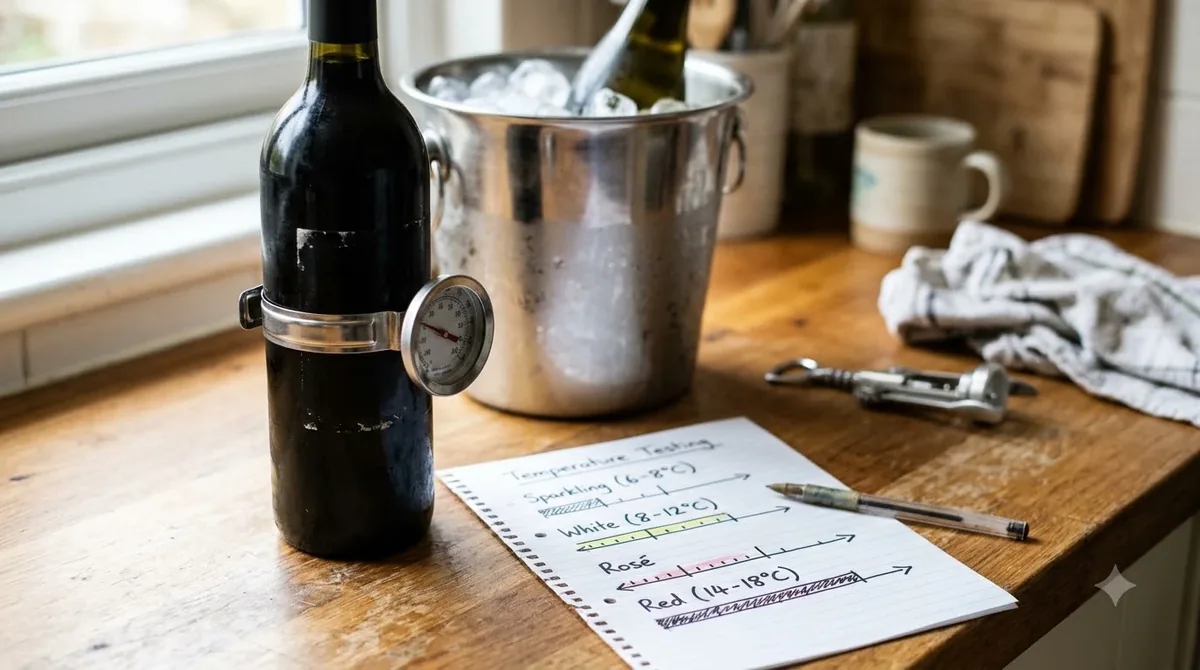
Serve sparkling Noughty at approximately 40 to 50 degrees Fahrenheit. This temperature range helps maintain a refreshing impression while keeping the bubbles lively. Serving the wine too warm can make the sweetness more noticeable and reduce the crisp impression of the Chardonnay.
Refrigerate the bottle well before serving rather than relying on a few minutes in an ice bucket. If you need to chill a bottle more quickly, use a mixture of ice and water in an ice bucket. Once chilled, handle it carefully and open it away from guests.
Choose Appropriate Glassware
A Champagne flute is a suitable choice if you want to emphasize bubbles and create a traditional celebration presentation. However, a tulip-shaped sparkling wine glass can provide more room for the aromas to develop.
For the Chardonnay, a slightly wider glass can help reveal its apple and citrus characteristics. The Rosé can also benefit from a tulip glass because it gives berry aromas more space to emerge without losing the visual appeal of the carbonation.
Store Unopened Bottles Carefully
Keep unopened bottles in a cool, dark location away from direct sunlight, temperature fluctuations, and excessive heat. A stable storage environment is more useful than placing the wine in a warm kitchen cabinet or near an oven.
For sparkling wine intended for near-term consumption, refrigeration is practical. Avoid leaving the bottle in a hot vehicle or exposed to strong sunlight, as these conditions can negatively affect the beverage’s freshness.
Preserve Opened Sparkling Wine
Once opened, sparkling wine loses carbonation over time. A suitable sparkling wine stopper can help preserve the bubbles, and refrigeration slows the loss of freshness.
For the best experience, drink an opened sparkling bottle within one to three days. The exact result depends on how much wine remains, how well the bottle is sealed, and how consistently it stays refrigerated.
Still Noughty wines should also be refrigerated after opening. A practical general guideline for opened still wine is approximately three to five days, although the flavor may change sooner depending on storage conditions and the individual product.
For shoppers comparing alcohol-free options from other producers, it is useful to examine how Noughty differs from established sparkling brands. For example, La Marca Prosecco provides a conventional alcoholic sparkling wine comparison, while Barefoot wine offers a reference point for accessible traditional wine styles. These are different categories rather than direct substitutes, but comparing their grape characteristics, serving occasions, and alcohol content can clarify what you want from a bottle.
Frequently Asked Questions
Who founded Noughty wine?
Noughty was developed by Amanda Thomson, founder of Thomson & Scott. The brand was introduced to address demand for premium non-alcoholic wine alternatives. Its original launch centered on organic sparkling Chardonnay, with the range subsequently expanding into additional styles.
Is Noughty wine made in Germany?
The sparkling Chardonnay uses organically grown grapes from southern Spain, while the sparkling Rosé uses Tempranillo from La Mancha. The producer identifies these grape-growing origins in its product specifications. Grape origin and the location where a finished wine is bottled or processed are separate details.
Does Noughty wine use animal-derived fining agents?
The manufacturer identifies its sparkling Chardonnay and Rosé as vegan-certified. This is useful for shoppers concerned about animal-derived processing materials, which can sometimes be used in conventional winemaking. Certification is more informative than assuming that every wine is vegan simply because its primary ingredient is grapes.
Can Noughty sparkling wine be used in non-alcoholic cocktails?
Yes. Sparkling Chardonnay can provide an apple-forward base for a zero-proof aperitif with fresh citrus, while Sparkling Rosé can complement strawberry, raspberry, or grapefruit garnishes. Add the sparkling wine last to preserve its carbonation and avoid overwhelming its lighter wine character with strongly flavored mixers.
Does Noughty use cork or screw-cap closures?
Closure types can vary between individual products and packaging formats. The sparkling bottles are designed for pressurized carbonation and use sparkling-wine closures, while still wines may have different closure specifications. Check the particular bottle’s packaging rather than assuming every product in the range uses the same closure.
Noughty is a compelling option for shoppers who want organic, vegan-friendly, alcohol-free wine with recognizable grape character and sparkling presentation. Its Chardonnay is the more restrained starting point, while its Tempranillo Rosé offers a fruitier alternative. Compare the individual specifications, choose the style that matches your palate, and serve it properly chilled for the most enjoyable experience.
More in Wine Brands
 Veuve Clicquot Wine Price: Compare Bottles and Choose the Right ChampagneUpdated Nov 21, 2026
 Unshackled Wine Price: What to Expect for Every BottleUpdated Nov 21, 2026
 Trimbach Riesling Price: What to Pay for a Quality Alsace WhiteUpdated Nov 21, 2026
 Tisdale Wine Review: How to Choose the Right BottleUpdated Nov 21, 2026
 Trapiche Malbec Price: What a Bottle Typically CostsUpdated Nov 21, 2026
 Tignanello Wine Review: Understand Its Style, Quality, and Best UsesUpdated Nov 21, 2026