

We may earn a commission when you buy through links on this page, at no extra cost to you. Learn more.
The joseph drouhin wine price typically ranges from about $25 to several hundred dollars per 750 ml bottle, with prestigious Grand Cru wines reaching well over $1,000. The final cost depends primarily on the Burgundy appellation, vineyard classification, vintage, and availability. Regional wines such as Bourgogne Rouge and Chablis offer more accessible entry points, while Premier Cru and Grand Cru bottlings represent progressively more expensive purchases.
Joseph Drouhin is one of Burgundy’s established family wine producers, with a portfolio spanning everyday regional bottles, village-level Pinot Noir and Chardonnay, prestigious single-vineyard wines, and Oregon selections. That breadth makes it important to compare individual labels rather than assume every bottle bearing the name belongs to the same price category. This guide explains typical US retail ranges, what drives the differences, and how to choose a bottle that fits your budget.
Who Should Buy Joseph Drouhin Wine?
Joseph Drouhin is a strong choice for wine drinkers interested in Burgundy’s Pinot Noir and Chardonnay, particularly those who want to explore different appellations without committing immediately to expensive collectible bottles. Its portfolio also accommodates buyers looking for more structured, age-worthy wines from well-known vineyard sites.
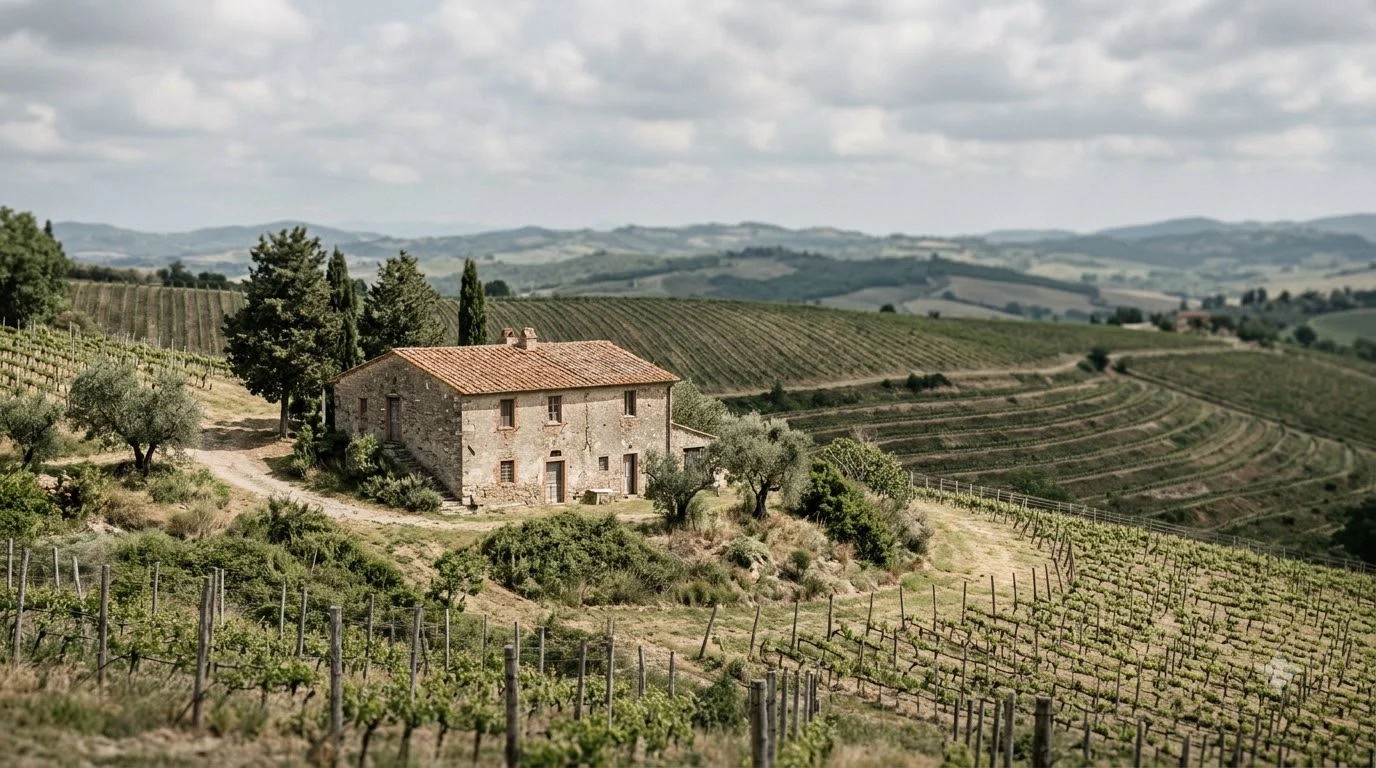
The house was established in Beaune in 1880. According to the producer’s official estate history, its vineyards now encompass approximately 100 hectares across Burgundy, including Chablis, Côte de Nuits, Côte de Beaune, Côte Chalonnaise, and Mâconnais. This geographical reach helps explain why two Joseph Drouhin bottles can have dramatically different prices even when they share the same producer name.
For newcomers, Bourgogne Rouge and Bourgogne Blanc are sensible starting points. These regional appellations introduce the producer’s approach to Pinot Noir and Chardonnay without the vineyard-specific costs associated with prestigious Premier Cru and Grand Cru wines. A bottle of Vaudon Chablis is another approachable option for someone who prefers fresh, mineral-driven white Burgundy.
Experienced Burgundy drinkers may prefer bottles from Meursault, Pommard, Volnay, Chambolle-Musigny, or Gevrey-Chambertin. These appellations offer more specific expressions of Burgundy’s vineyard geography. Buyers seeking special-occasion bottles can explore Clos des Mouches, Musigny, Bonnes Mares, or Chambertin-Clos de Bèze, although those wines require substantially larger budgets.
The producer also has an Oregon connection through Domaine Drouhin Oregon in the Dundee Hills. Its Pinot Noir and Chardonnay provide an alternative for shoppers who appreciate the family’s winemaking tradition but want to compare Oregon fruit with Burgundy’s different growing conditions. For broader producer comparisons, the Wine Brands directory offers another starting point.
Key Factors That Determine Joseph Drouhin Wine Price
The most important price factors are appellation, vineyard classification, grape variety, vintage, and production scale. Understanding these five details makes it easier to distinguish a fairly priced regional wine from a premium bottle whose price reflects a particularly prestigious vineyard.
Burgundy uses a hierarchy of regional, Village, Premier Cru, and Grand Cru appellations. Regional wines generally cover a broader geographical area, while Village wines identify a particular commune. Premier Cru and Grand Cru designations identify increasingly specific vineyard sites with established reputations and restricted production.
The official Joseph Drouhin portfolio includes regional wines such as Bourgogne Rouge, Village wines such as Meursault and Gevrey-Chambertin, Premier Cru selections such as Beaune Clos des Mouches, and Grand Cru wines including Musigny and Bonnes Mares. This classification system is a useful first filter when comparing retail prices.
| Wine category | Examples | Typical US retail range | Buying consideration |
|---|---|---|---|
| Regional Burgundy | Bourgogne Rouge, Bourgogne Blanc | About $30–$50 | Accessible introduction |
| Chablis and regional whites | Vaudon Chablis, Bourgogne Chardonnay | About $25–$60 | Fresh white wine styles |
| Village appellations | Meursault, Chambolle-Musigny | About $100–$175 | More specific regional character |
| Premier Cru | Clos des Mouches, Les Petits Monts | About $140–$550 | Prestigious vineyard selections |
| Grand Cru | Musigny, Bonnes Mares, Montrachet | About $300–$1,600+ | Collectible and special-occasion bottles |
| Oregon estate wines | Dundee Hills Pinot Noir, Laurène | About $35–$150 | Alternative to Burgundy |
These are approximate shopping ranges rather than guaranteed prices for every vintage or retailer. The regional and Chablis estimates reflect the entry-level listings at Pogo’s Wine & Spirits, while its Meursault and Clos des Mouches listings illustrate the higher Village and Premier Cru categories. The Grand Cru range reflects the broad US merchant listings on Wine Decider. Oregon estimates are indicative budgeting ranges rather than a verified quote for every current bottling. Prices vary by state and retailer.
Vintage also matters. Burgundy weather can affect crop size, ripeness, acidity, and availability. A sought-after vintage may command more than a less celebrated year, particularly when buyers are competing for limited quantities of a prestigious vineyard wine. Older vintages can also carry premiums because of their age, provenance, and storage history.
Finally, the retailer matters. A specialist Burgundy merchant may carry older vintages and rare appellations that are unavailable at an ordinary neighborhood wine shop. Shipping restrictions, local taxes, bottle condition, and storage provenance can all change the final purchase cost.
Step-by-Step: How to Choose the Right Bottle
The simplest buying method is to establish a budget first, select a preferred region and grape variety, and then compare the appellation and vintage. Following these steps prevents an expensive label from distracting you from the wine style you actually want.
- Set your spending limit. Decide whether you want an entry-level bottle, a midrange Burgundy, or a special-occasion wine. A budget of approximately $30–$50 opens the door to regional selections, while larger budgets introduce Village and Premier Cru options.
- Choose red or white. For red Burgundy, start with Pinot Noir. For white Burgundy, compare Chardonnay from Chablis, Meursault, or the Côte de Beaune. The grape variety determines the basic structure and pairing possibilities.
- Select a region. Chablis is a useful starting point for crisp white wine. Côte de Beaune offers renowned Chardonnay and elegant Pinot Noir, while Côte de Nuits is particularly associated with prestigious red Burgundy.
- Compare the classification. Regional wines are generally the least expensive. Village wines provide a more geographically specific expression, while Premier Cru and Grand Cru selections generally require a greater financial commitment.
- Compare the vintage. Look at the same appellation across different years. Consider whether you prefer a bottle intended for relatively early drinking or one with greater aging potential.
- Check the retailer and bottle size. Compare 750 ml bottles rather than assuming a displayed price applies to every format. Review shipping conditions, storage history, and the merchant’s return policy.
- Match the wine to the occasion. A regional Bourgogne Rouge works for an informal dinner, whereas a carefully selected Premier Cru or Grand Cru can suit an anniversary or an important gift.
For a first purchase, there is little reason to start with Musigny or Montrachet. A regional Pinot Noir or Chablis provides a more practical introduction to the house style. If that experience suits your preferences, moving to Meursault, Volnay, or Gevrey-Chambertin creates a logical progression.
Buyers comparing producers can also look at Joseph Phelps wine. It offers a useful contrast for shoppers considering California wines alongside Burgundy, although its regional identity and grape-variety emphasis are different.
Tip: Compare bottles from the same appellation and vintage before judging value. A Village Meursault should not be compared directly with a Grand Cru Montrachet simply because both are Chardonnay from Burgundy. Their vineyard classifications and market positions are fundamentally different.
Types of Joseph Drouhin Wine Explained
Joseph Drouhin’s range covers several recognizable Burgundy styles, along with Beaujolais and Oregon wines. Knowing the principal categories helps buyers understand what a particular bottle offers before looking at its retail price.
Regional Burgundy
Bourgogne Rouge is an accessible introduction to the producer’s red wines. The official producer description identifies it as 100% Pinot Noir from selected Burgundy appellations, with clay and limestone soils. Its tasting description mentions raspberry, red currant, and wild strawberry, alongside light tannins and a refreshing character. The official Joseph Drouhin Bourgogne Rouge wine description provides additional information about its origin, production, and recommended drinking window.
Bourgogne Blanc and Bourgogne Chardonnay offer regional white alternatives. These wines are useful for shoppers who want Burgundy Chardonnay without immediately paying for a prestigious village or vineyard designation. Their appeal is their broader regional identity and generally more approachable retail positioning.
Chablis
Chablis is a particularly useful category for white wine drinkers. Joseph Drouhin’s portfolio includes Petit Chablis, Chablis, Chablis Premier Cru, and Chablis Grand Cru selections. These classifications provide different levels of geographical specificity and help explain the substantial differences between entry-level Chablis and prestigious vineyard bottlings.
Vaudon Chablis is one of the more approachable options in the range. It is a sensible consideration for seafood, shellfish, goat cheese, and other dishes that benefit from Chardonnay with refreshing acidity.
Village Burgundy
Village wines identify particular Burgundy communes. Examples in the Joseph Drouhin portfolio include Meursault, Pommard, Volnay, Chambolle-Musigny, Gevrey-Chambertin, and Vosne-Romanée. Each appellation offers a different expression of Burgundy’s landscape and wine-growing traditions.
Meursault is especially relevant for Chardonnay shoppers looking for a more substantial white Burgundy. For red wine, Chambolle-Musigny is often associated with finesse, while Pommard and Gevrey-Chambertin can appeal to buyers seeking more structure and depth.
Premier Cru Burgundy
Premier Cru wines come from designated vineyards within Village appellations. Joseph Drouhin’s selection includes Beaune Clos des Mouches, Volnay Clos des Chênes, Gevrey-Chambertin Cazetiers, and Vosne-Romanée Petits Monts.
Clos des Mouches is particularly notable because it appears in both red and white versions. This gives buyers an opportunity to compare Pinot Noir and Chardonnay associated with the same named vineyard. The Premier Cru category is a logical step for someone who already enjoys the producer’s regional or Village wines.
Grand Cru Burgundy
Grand Cru is the highest classification in Burgundy’s vineyard hierarchy. Joseph Drouhin’s portfolio includes prestigious names such as Musigny, Bonnes Mares, Chambertin-Clos de Bèze, Grands-Echezeaux, and Montrachet Marquis de Laguiche.
These wines occupy a different purchasing category from regional Burgundy. Limited production, vineyard reputation, collector demand, and vintage variation can create exceptionally high retail prices. They are generally more appropriate for experienced collectors or buyers planning a significant wine purchase than for someone simply exploring the producer for the first time.
Beaujolais and Oregon
The producer’s range also includes Beaujolais wines such as Fleurie, Morgon, Brouilly, and Saint-Amour. These wines are useful alternatives for buyers who want to explore Gamay rather than Burgundy’s traditional Pinot Noir and Chardonnay.
Oregon provides another important comparison. Domaine Drouhin Oregon was established in the Dundee Hills in 1987, and its portfolio includes Dundee Hills Pinot Noir, Laurène Pinot Noir, Arthur Chardonnay, and Roserock selections. The Oregon estate operates as a distinct wine-producing property, even though it shares the Drouhin family’s winemaking heritage.
Common Mistakes When Comparing Prices
The most common buying mistake is treating Joseph Drouhin as a single wine rather than a broad portfolio of regional, Village, Premier Cru, Grand Cru, Beaujolais, and Oregon bottlings. Comparing prices without considering these distinctions can produce misleading conclusions about value.
One frequent error is comparing Bourgogne Rouge directly with a Premier Cru Pommard or Grand Cru Musigny. All three can be red Pinot Noir wines, but their vineyard origins, classifications, production conditions, and market demand differ. The grape variety alone does not establish equivalent quality or pricing.
Another mistake is assuming that all white Burgundy from the producer has the same character. Chablis and Meursault are both Chardonnay-based, but their appellations and typical styles differ. Chablis is often associated with freshness and pronounced acidity, while Meursault can offer a fuller, more textured expression.
Vintage comparisons can also be misleading. A 2020 bottle and a 2022 bottle from the same appellation are not necessarily interchangeable purchases. Growing conditions, harvest quantities, wine development, and merchant stock can influence both availability and retail value.
Buyers sometimes focus too heavily on a prestigious appellation name without considering whether the wine matches their preferences. Someone who enjoys light, refreshing Pinot Noir may not necessarily prefer a more structured and concentrated red simply because its classification is higher.
Finally, avoid assuming that a higher asking price automatically indicates better storage or authenticity. This is especially important when shopping for older Burgundy. Reputable sellers should be able to provide meaningful information about bottle provenance, storage conditions, and any relevant ownership history.
Care, Serving, and Storage Tips
Proper storage and serving help preserve the qualities that make Burgundy interesting. Joseph Drouhin wines should be handled according to their style and maturity, with particular attention to temperature and storage conditions for more expensive bottles.
For everyday red Bourgogne Rouge, the producer recommends a serving temperature of 53–55°F. This relatively cool temperature helps preserve freshness and prevents the wine’s fruit character from becoming overwhelmed by excessive warmth. Other light-bodied Pinot Noir wines generally benefit from a similar approach.
Fuller or more structured red Burgundy can be served slightly warmer, around 60–65°F. Young, concentrated red wines may benefit from 30–60 minutes of decanting, although delicate older Pinot Noir should be handled more cautiously. Excessive aeration can reduce the freshness of mature wines.
White Burgundy benefits from appropriate chilling. Light Chablis is generally best served around 45–50°F, while fuller Chardonnay from Meursault can be served around 50–55°F. Serving white wine too cold can suppress its aromas and texture.
For long-term storage, keep bottles in a dark, stable environment near 55°F, away from strong temperature fluctuations and direct sunlight. Bottles with natural cork closures are generally stored horizontally to maintain contact between the wine and the cork. Avoid placing valuable Burgundy in a warm kitchen cabinet or beside an appliance that produces heat.
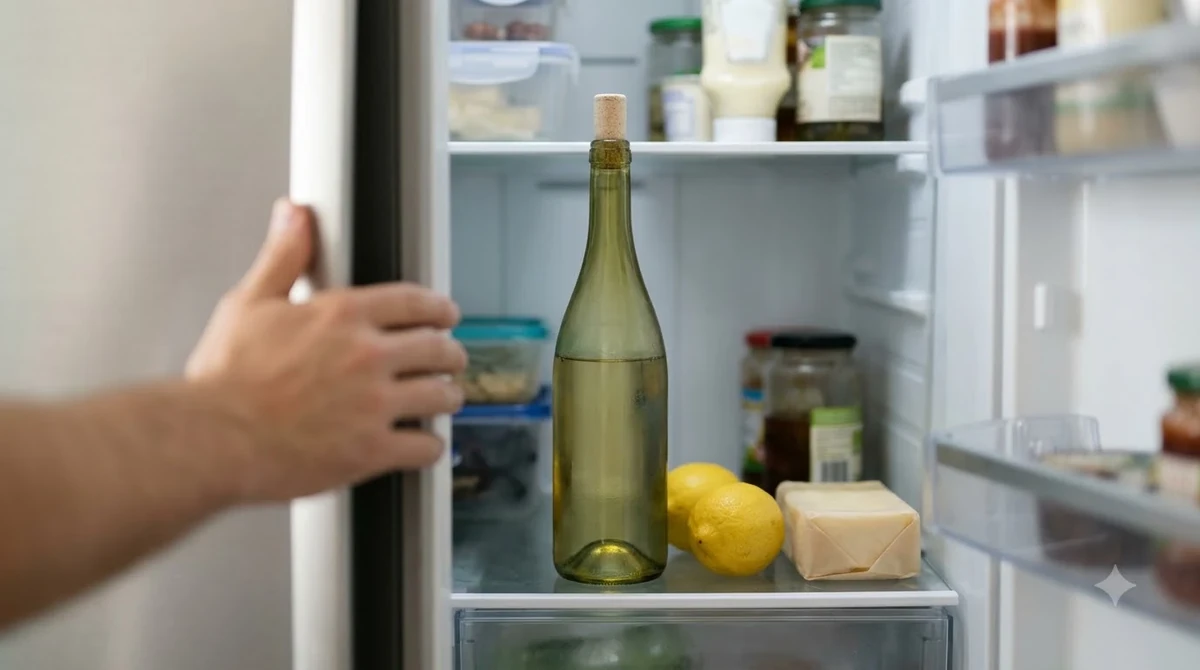
Once opened, still wines generally keep for approximately three to five days in the refrigerator when properly recorked. The actual drinking window depends on the wine’s age, structure, and exposure to oxygen. More delicate older Burgundy may lose its best characteristics sooner than a younger regional bottle.
Joseph Drouhin Bourgogne Rouge has a stated optimal consumption period of two to eight years and an aging potential of ten years according to the producer. This illustrates why the appropriate drinking window should be considered at the individual wine level rather than applied uniformly to every bottle in the range.
Frequently Asked Questions
Is Joseph Drouhin considered a luxury wine producer?
Joseph Drouhin occupies several market segments rather than operating exclusively as a luxury producer. Its regional Bourgogne wines are relatively accessible, while bottles such as Musigny and Montrachet Marquis de Laguiche belong to the prestigious collectible Burgundy category. The breadth of its portfolio is one reason its retail prices vary so dramatically.
Is Joseph Drouhin Bourgogne Rouge made entirely from Pinot Noir?
Yes. The producer identifies Bourgogne Rouge as 100% Pinot Noir. Its official description also specifies clay and limestone soils and notes that grapes and musts are sourced through selected supply partners. The wine undergoes 10 to 14 months of aging according to the producer’s published winemaking information.
Does Joseph Drouhin produce organic wines?
Wine Decider’s US producer comparison page identifies 32 organic listings within its Joseph Drouhin catalog. However, this does not establish that every bottle or every vintage in the producer’s portfolio is organic. Buyers interested in certification should verify the specific wine and vintage rather than generalizing across the brand.
Who makes Domaine Drouhin Oregon wines?
Domaine Drouhin Oregon was established by Robert Drouhin and his daughter Véronique in the Dundee Hills. Véronique Boss-Drouhin has been central to the family’s Oregon winemaking project. The estate applies the family’s Burgundy heritage to Pinot Noir and Chardonnay grown in Oregon’s Willamette Valley.
Can Joseph Drouhin wines be purchased directly from the producer in the United States?
The producer’s Oregon estate provides a US shopping channel for selected Joseph Drouhin wines. Its official Burgundy shopping information identifies state-specific shipping restrictions, and availability can depend on the destination. Buyers should confirm that their state is eligible before placing an order, particularly when purchasing directly rather than through a local licensed retailer.
Joseph Drouhin offers a wide range of Burgundy wines, from approachable regional Pinot Noir and Chablis to prestigious Premier Cru and Grand Cru selections. For most buyers, starting with Bourgogne Rouge, Vaudon Chablis, or another regional bottling is a practical way to explore the producer before spending more on a specific vineyard. Compare appellation, vintage, and retailer listings together to find the bottle that best fits your budget and occasion.
More in Wine Brands
 La Crema Rose Review: Choose the Right Bottle for Your TableUpdated Nov 21, 2026
 Lancers Rosé Review: Discover Its Taste, Sweetness and Best PairingsUpdated Nov 21, 2026
 Krug Wine Price Guide to Choosing the Right ChampagneUpdated Nov 21, 2026
 Josh Cellars Rose Price: What a 750 ml Bottle Should CostUpdated Nov 21, 2026
 Korbel Extra Dry Review: Understand Its Sweetness, Flavor, and Best PairingsUpdated Nov 21, 2026
 Juan Gil Wine Review: Choose the Right Spanish Red for Your TableUpdated Nov 21, 2026