

We may earn a commission when you buy through links on this page, at no extra cost to you. Learn more.
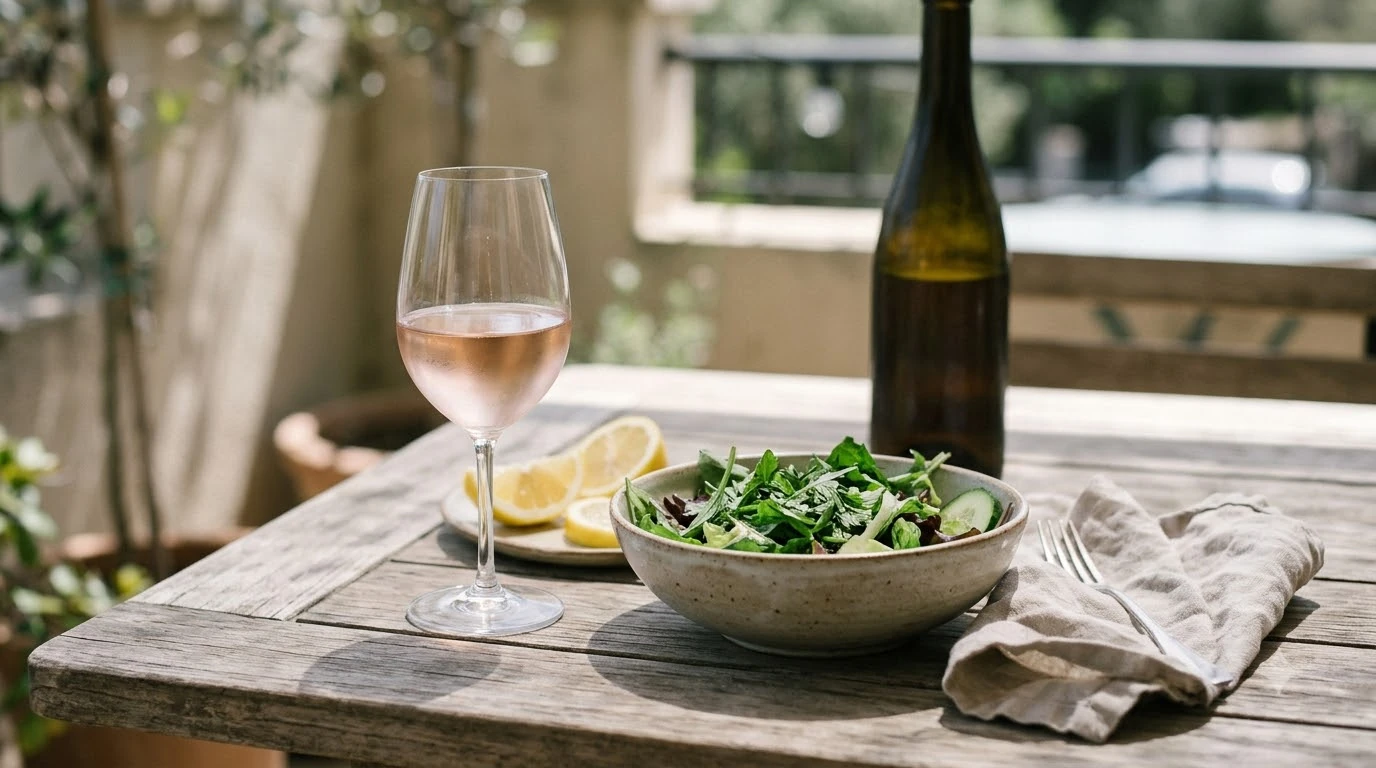
This lancers rose review finds that Lancers Rosé is a light, fruity Portuguese wine with red berry and tropical fruit aromas, a noticeably sweet finish, and an approachable style suited to casual meals. Made by José Maria da Fonseca, it combines several Portuguese grape varieties into an easy-drinking rosé designed for relaxed occasions. Its recommended serving temperature is 50°F, and its versatility with salads, pasta, Mexican food and Asian-inspired dishes makes it particularly useful as an everyday table wine.
Lancers is a recognizable Portuguese wine brand with a history dating to 1944. Its distinctive bottle and accessible wine style have helped it maintain an international following, particularly among drinkers who prefer uncomplicated, fruit-forward wines. However, the name can cause some confusion because the producer also makes a separate sparkling Brut Rosé. This guide focuses on the standard still Lancers Rosé, examining its flavor, grape blend, sweetness, food compatibility, serving requirements and practical buying considerations.
Who Should Choose Lancers Rosé?
Lancers Rosé is best suited to drinkers who enjoy fruit-forward wines with some residual sweetness rather than completely dry, sharply acidic rosés. Its approachable flavor profile makes it an accessible choice for informal gatherings, outdoor lunches and meals where a refreshing wine should complement several different dishes.
The wine comes from Portugal and is produced by José Maria da Fonseca. According to the producer, its aromas include red berries and tropical fruit, while the palate is fruity and finishes with a noticeable sweet impression. The combination makes it particularly approachable for people who do not regularly drink dry European rosé wines.
Its character also makes it useful for occasions where guests have different wine preferences. Someone who usually drinks lightly sweet white wine may find its fruit-driven character appealing, while a regular rosé drinker can appreciate it as a casual alternative to more structured wines from Provence or other Mediterranean regions.
Drinkers who will appreciate it most
- Fans of slightly sweet rosé: The fruity palate and sweet finish make it more approachable than many bone-dry rosés.
- Casual wine drinkers: Its straightforward red berry and tropical fruit character does not require extensive wine knowledge to appreciate.
- People planning informal meals: The producer recommends it with salads, pasta, Mexican dishes and Chinese food.
- Hosts serving several dishes: Its versatile profile can work across a varied casual menu rather than requiring one carefully selected main course.
- Drinkers exploring Portuguese wine: It offers an accessible introduction to a wine brand with a long history in Portugal.
However, Lancers Rosé is not necessarily the right choice for someone seeking a very dry, mineral-driven rosé with pronounced citrus acidity. Those preferences may be better served by a Provence-style wine or another crisp European rosé. For comparisons, the guides to Whispering Angel rosé and Hampton Water rosé offer useful alternatives to explore.
Overall, the best reason to choose Lancers is its approachable combination of fruit, mild sweetness and food flexibility. It is a practical option for relaxed drinking rather than a wine intended to showcase intricate vineyard differences or extended bottle development.
Key Factors to Compare Before Buying Lancers Rosé
Before choosing Lancers Rosé, consider its sweetness, grape composition, alcohol content and whether you want a still or sparkling wine. These details help establish whether the standard bottling matches your expectations.
The standard wine is made from a blend of Portuguese grape varieties rather than a single grape. A producer-associated product presentation identifies Aragonês, Syrah, Touriga Nacional, Castelão and Trincadeira in the blend. Each variety contributes to the overall wine rather than creating a single-grape expression.
| Factor | Standard Lancers Rosé | What It Means for Buyers |
|---|---|---|
| Country | Portugal | A Portuguese rosé with an established international brand identity. |
| Producer | José Maria da Fonseca | An established Portuguese wine producer. |
| Grape varieties | 5 identified varieties | A blended wine rather than a single-variety rosé. |
| Alcohol content | 10% ABV | A relatively moderate alcohol level for a table wine. |
| Acidity | 5.2 g/L total acidity | A measurable component of its refreshing profile. |
| pH | 3.3 | An indication of the wine’s acidity. |
| Residual sugar | Below 16 g/L | Supports its fruity, slightly sweet impression. |
| Standard bottle | 750 ml | A conventional bottle size. |
| Additional format | 1,500 ml | A larger format identified in the product presentation. |
| Recommended serving temperature | 10°C / 50°F | Serve chilled for a refreshing experience. |
| Wine style | Still rosé | Do not confuse it with Lancers Brut Rosé sparkling wine. |
The figures in the table come from the producer-associated product presentation. Individual bottlings and market-specific labeling can differ, so the information should be understood as the published specifications for the standard wine rather than a guarantee that every bottle sold internationally has identical technical details.
Sweetness is an important buying consideration
Lancers Rosé is fruit-forward and finishes with sweetness. That does not automatically make it a dessert wine. Its fruit character and acidity help it function as a casual food wine, particularly with savory meals that benefit from a little sweetness.
Its reported residual sugar is below 16 grams per liter. This provides useful context for understanding why the wine tastes slightly sweet without placing it in the same category as intensely sweet dessert wines. Perceived sweetness also depends on acidity, temperature and the drinker’s palate.
Understand the grape blend
The five varieties identified in the product presentation are Aragonês, Syrah, Touriga Nacional, Castelão and Trincadeira. Aragonês is the Portuguese name commonly associated with Tempranillo, while the other varieties contribute different aspects of the blended wine’s character.
Rather than expecting a strong expression of one grape, buyers should approach Lancers as a deliberately blended, approachable rosé. The producer emphasizes red berries, tropical fruit and a sweet finish rather than detailed varietal distinctions.
Check the still-versus-sparkling distinction
One particularly important detail is that standard Lancers Rosé and Lancers Sparkling Brut Rosé are different wines. The standard bottling is a still rosé, while the sparkling version has fine, persistent bubbles and a Brut classification.
The sparkling version was introduced in 2014. According to the producer’s sparkling wine information, it is made with Baga, Touriga Nacional and Pinot Noir, has 12% alcohol and undergoes a second fermentation in the bottle. These specifications should not be transferred to the standard still rosé.
Buyers who want a traditional still rosé for lunch or dinner should select the standard bottle. Those planning a toast or celebration involving bubbles should look for the separate sparkling bottling.
Step-by-Step: How to Select and Serve Lancers Rosé
Choosing Lancers Rosé is straightforward once the wine style and occasion are clear. A few practical steps help prevent confusion between its different versions and ensure the wine is served at its best.
-
Identify the standard rosé.
Start by confirming that the bottle is labeled Lancers Rosé rather than Lancers Sparkling Brut Rosé. The distinction matters because one is a still wine and the other is sparkling.
-
Consider your sweetness preference.
Expect a fruity wine with a sweet finish. If your usual preference is very dry Provence rosé, consider whether a softer, slightly sweeter style will suit your palate.
-
Choose the appropriate bottle format.
The producer-associated product presentation identifies 750 ml and 1,500 ml formats. A standard 750 ml bottle provides approximately five conventional 5 oz servings, making it suitable for a small dinner or casual gathering.
-
Plan the food pairing.
Match the wine with salads, chicken, pasta or moderately spicy Mexican and Asian-inspired dishes. The fruit and sweetness can complement savory flavors, although very hot chili dishes may make alcoholic wines seem more intense.
-
Chill the bottle.
Place the bottle in the refrigerator before serving. The producer recommends 10°C, equivalent to 50°F. Allow enough time for the wine to cool evenly rather than serving it warm or relying on ice in the glass.
-
Use suitable glassware.
A standard white wine glass is appropriate. It provides enough room to appreciate the red berry and tropical fruit aromas while keeping the wine easy to pour and enjoy.
-
Pour moderate servings.
A conventional wine serving is approximately 5 oz. A 750 ml bottle contains about five such servings, which makes portion planning relatively easy for dinner parties.
-
Refrigerate what remains.
If the bottle is not finished, close it securely and return it to the refrigerator. Drink the remaining wine within approximately three to five days for the best chance of preserving its fruit character.
Tip: Chill Lancers Rosé to approximately 50°F before pouring. If the bottle becomes too cold, allow it to sit briefly at the table. A little warming can make its fruit aromas easier to appreciate without sacrificing its refreshing character.
This approach keeps the buying decision simple. Select the correct style, account for its mild sweetness, serve it chilled and pair it with food that complements its fruit-driven character. There is no need for complicated preparation or prolonged decanting.
Flavor, Sweetness and Portuguese Rosé Style Explained
Lancers Rosé follows an accessible fruit-forward style rather than a highly structured, dry rosé approach. Its recognizable profile combines red berry and tropical fruit aromas with a medium finish and a slightly sweet impression.
The producer describes its color as pink with a hint of orange. This gives it a recognizable appearance in the glass, although color alone cannot reliably determine sweetness or wine quality.
Appearance and aroma
The wine’s pink-orange appearance is consistent with its approachable identity. Its aroma focuses on red berries and tropical fruit rather than strong oak, toast or earthy characteristics.
Strawberry-like and raspberry-like impressions are useful reference points when considering its fruit profile. The official brand information also mentions watermelon and tropical fruit as recognizable elements of Lancers Rosé. These descriptors help explain the wine’s friendly, fruit-led character without suggesting that fruit has been added to the wine.
Palate and finish
The palate is fruity, with sweetness becoming particularly noticeable toward the finish. The producer describes the finish as medium, suggesting a wine that remains present briefly without developing the long, complex aftertaste associated with more concentrated or age-worthy styles.
Its reported 5.2 g/L total acidity helps provide structure alongside the sweetness. The wine is therefore better understood as slightly sweet and balanced in its intended style rather than simply sugary.
For buyers who prefer a crisp, bone-dry rosé, this distinction is important. The fruit-forward character can be enjoyable, but it will not provide exactly the same experience as a dry wine dominated by citrus, herbs and pronounced mineral impressions.
What the grape varieties contribute
The standard blend identifies five Portuguese grape varieties. Their combination provides the producer with flexibility in constructing a consistent house style.
- Aragonês: A familiar Iberian red grape associated with ripe berry fruit.
- Syrah: Can contribute darker berry character and additional flavor weight.
- Touriga Nacional: An important Portuguese red grape associated with aromatic intensity.
- Castelão: A Portuguese variety used in red and rosé wine production.
- Trincadeira: A Portuguese red variety that can contribute aromatic and fruit complexity.
These are general characteristics of the grape varieties, not a claim that each can be individually identified in a glass of Lancers. The finished wine is a blend, and its overall profile is more important than attributing a specific flavor to each grape.
How the production approach affects the style
The product presentation identifies stainless-steel fermentation at 16°C, with red grapes fermented without skins at approximately 15°C. Fermentation without prolonged skin contact is a common approach to producing rosé wines because it limits the extraction of color and tannin from red grape skins.
The same presentation lists no aging period. This supports the intended emphasis on freshness and youthful fruit rather than extended maturation. The producer-associated information recommends drinking the wine while young.
For readers exploring other wine producers and regional styles, the Wine Brands collection provides a broader starting point for comparing different labels, grapes and approaches to winemaking.
Food Pairings That Work Best With Lancers Rosé
Lancers Rosé is particularly useful with casual dishes that combine vegetables, poultry, pasta, seasoning and moderate spice. Its fruit-forward character and slight sweetness give it flexibility beyond simple cheese-and-cracker combinations.
The producer specifically recommends salads, pasta, Mexican food, Indian food and Chinese food. These recommendations make sense for a wine designed to accompany varied everyday meals rather than one narrow regional cuisine.
Salads and light lunches
Salads are among the easiest pairings for Lancers Rosé. A salad containing grilled chicken, tomatoes, cucumber and a moderate amount of dressing can complement the wine’s refreshing character.
For vinaigrette-based salads, avoid dressings that are significantly more acidic than the wine. Highly acidic ingredients can make a wine seem less vibrant or sweeter by comparison. A balanced lemon dressing, mild vinaigrette or creamy dressing is generally easier to match.
Chicken and Italian dishes
Roasted chicken, grilled chicken sandwiches and lightly seasoned chicken pasta are practical choices. The wine’s fruit character can work alongside mild herbs, tomato sauces and savory poultry flavors.
Italian dishes with tomato sauce deserve some attention to acidity. Tomato is naturally acidic, so a sauce with balanced seasoning and enough richness is preferable to an extremely sharp preparation. Salt and fat can also soften the perception of wine tannin, although Lancers is not primarily a tannin-driven wine.
Mexican and Indian food
The producer specifically recommends Mexican and Indian food, making these cuisines natural starting points. Chicken tacos, vegetable quesadillas, mild curries and spiced rice dishes can work particularly well.
Some sweetness can provide a pleasant contrast to savory seasoning and moderate chili heat. However, extremely hot sauces may make the alcohol feel more pronounced and intensify the burning sensation. Dishes with moderate heat, herbs and balanced acidity are safer pairing choices.
Chinese and other Asian-inspired dishes
Chinese dishes with ginger, soy sauce, vegetables and mild sweet-and-savory sauces can complement the wine’s fruit character. Stir-fried chicken, vegetable noodles and lightly seasoned dumplings are useful options.
For dishes featuring strong vinegar, very salty fermented ingredients or intense chili oil, balance becomes more important. A little sweetness can help with savory flavors, but very acidic or spicy food may overwhelm the wine.
Cheese, seafood and snacks
Fresh cheeses, mild semi-soft cheeses and simple appetizers can work well. The wine’s fruit character offers contrast to creamy textures, while its modest structure keeps it from dominating light snacks.
For seafood, grilled shrimp, mild fish tacos and lightly seasoned shellfish are reasonable options. Avoid heavily tannic red wine with oily fish, but that particular tannin problem is less relevant to a light rosé like Lancers. Strongly smoked or heavily salted seafood may still overwhelm its delicate fruit character.
Desserts require more care. A wine should generally be at least as sweet as the dessert to avoid tasting thin or sour. Lancers is slightly sweet, but that does not make it a universal match for rich chocolate cakes, concentrated fruit desserts or very sugary pastries.
Common Mistakes When Buying and Drinking Lancers Rosé
Most disappointments with Lancers Rosé come from expecting a different wine style, serving it at the wrong temperature or choosing dishes that overwhelm its fruit. Understanding these issues helps set realistic expectations before opening the bottle.
Assuming every Lancers bottle is sparkling
The brand has both still and sparkling wines. The standard Lancers Rosé is not the same product as Lancers Sparkling Brut Rosé.
This distinction is especially important for celebrations. A buyer expecting Champagne-like bubbles from the standard rosé may be disappointed. Conversely, someone looking for a straightforward still wine should not automatically select the sparkling version simply because both carry the Lancers name.
Expecting a completely dry Provence-style wine
Lancers has a fruity palate and a sweet finish. It is not designed to imitate a bone-dry rosé with pronounced citrus and mineral characteristics.
Drinkers who strongly dislike sweetness should consider another style. A dry rosé from Provence or a crisp Spanish rosado may be more appropriate. The important point is to select a wine according to its actual profile rather than its color or country of origin.
Serving it too warm
Warm rosé can seem heavier and less refreshing. Serving Lancers at approximately 50°F helps preserve its intended light character and makes it more suitable for warm-weather meals.
However, serving it directly from an extremely cold freezer is not a good substitute for controlled chilling. Excessively low temperatures can mute the aromas and make the wine seem less expressive.
Pairing it with excessively hot food
Although the producer recommends spicy Mexican and Indian food, this does not mean that every level of chili heat will work. High alcohol and tannin can amplify perceived chili heat, while strong spice can overwhelm subtle fruit aromas.
Choose moderately seasoned dishes rather than extremely hot preparations. Cooling ingredients such as yogurt, avocado and mild dairy-based sauces can make the overall meal more comfortable.
Expecting it to improve with extended cellaring
The producer-associated presentation recommends drinking Lancers Rosé while young and lists no aging period. This is a practical indication that buyers should focus on freshness rather than treating the wine as a long-term cellar investment.
There is little reason to purchase multiple bottles with the intention of keeping them for several years. For this style, fresh fruit expression is more important than extended bottle development.
Confusing sweetness with poor balance
A slightly sweet finish is a deliberate part of this wine’s style. Sweetness should not automatically be interpreted as a flaw, particularly when the wine is designed for approachable, casual drinking.
The more useful question is whether the level of sweetness matches the drinker’s preferences and intended meal. Someone seeking a dry wine may dislike it, while another person may appreciate exactly the same characteristic.
Serving, Storage and Buying Tips
Lancers Rosé is best enjoyed fresh, chilled and within a reasonable period after opening. Correct storage protects its fruit-forward profile and prevents unnecessary deterioration.
Serving temperature and glassware
The producer recommends serving the standard rosé at 10°C, or approximately 50°F. This is a practical temperature for a light rosé because it preserves refreshing acidity while allowing fruit aromas to remain noticeable.
A regular white wine glass is sufficient. There is no need for specialist glassware, decanting equipment or elaborate preparation. Pour approximately 5 oz per serving and leave enough room in the glass for the aromas to develop.
Storing an unopened bottle
Store the bottle away from direct sunlight, heat sources and repeated temperature changes. A cool, stable storage environment is preferable to a warm kitchen cabinet or a shelf near an oven.
The producer-associated product presentation recommends laying bottles down at approximately 12°C and 60% humidity. For general wine storage, a consistent temperature near 55°F is also a useful reference point. The key is avoiding heat and temperature fluctuations.
Because the standard Lancers bottle has distinctive opaque packaging, its appearance may differ from the transparent glass commonly associated with other rosés. Packaging alone should not be used to judge freshness or quality.
Keeping an opened bottle fresh
After opening, close the bottle with a suitable wine stopper and refrigerate it. Still rosé generally keeps for approximately three to five days in the refrigerator, although the best flavor is usually enjoyed sooner.
Exposure to oxygen gradually reduces fresh fruit aromas. If the wine develops noticeably dull, oxidized or unpleasant aromas, it is no longer delivering the same experience as a freshly opened bottle.
Planning quantities for gatherings
A standard 750 ml bottle provides approximately five 5 oz servings. For a gathering of ten adults, two bottles would therefore provide approximately one conventional serving per person.
For a longer dinner or an event with multiple courses, additional quantities may be needed. The 1,500 ml format identified in the product presentation may also be useful for larger gatherings, provided it is available through the retailer.
Consider the rest of the menu before deciding how much wine to purchase. Guests may prefer other drinks, and a meal featuring several dishes may require different wine styles. Lancers works best as one approachable option rather than a universal substitute for every wine on the table.
Buying considerations in the United States
Availability can vary between American states, retailers and importers. Buyers should compare the exact product name, bottle size and still-versus-sparkling designation before purchasing.
It is also useful to distinguish between standard Lancers Rosé and other wines in the wider Lancers range. The brand has developed additional products, including sparkling and non-alcoholic versions. Their alcohol content, production methods and flavor profiles should not be assumed to match the standard rosé.
For the most reliable product identification, consult the official Lancers Rosé product information, which describes the standard wine’s flavor, serving temperature and suggested food pairings.
Frequently Asked Questions
Is Lancers Rosé made in a traditional Portuguese wine region?
Yes. The brand’s history is associated with Palmela, where its original development took place at the José Maria da Fonseca cellars. The producer’s current address is in Vila Nogueira de Azeitão, Setúbal. These locations help explain the wine’s Portuguese identity and its connection to the Setúbal Peninsula.
Does Lancers Rosé contain sulfites?
A Portuguese retail listing for the standard 750 ml wine identifies sulfites in its composition information. Sulfites are commonly associated with wine production and preservation. Buyers who need detailed ingredient or allergen information should consult the labeling on the bottle they intend to purchase.
What is the difference between Aragonês and Tempranillo?
Aragonês is a Portuguese name for the grape widely known as Tempranillo in Spain. The variety has different regional names across the Iberian Peninsula. Its inclusion in Lancers illustrates the Portuguese and broader Iberian grape heritage behind the blend.
Does Lancers Rosé require decanting before drinking?
No. Standard Lancers Rosé is intended to be enjoyed young and does not require decanting. Unlike a young, tannic full-bodied red that may benefit from 30 to 60 minutes of aeration, this approachable rosé can be opened, chilled and poured directly into glasses.
Is the Lancers bottle design part of the brand’s original identity?
Yes. The distinctive opaque bottle was part of the original brand concept developed in 1944. American businessman Henry Behar wanted a recognizable presentation alongside an approachable wine style. The unusual packaging remains an important part of Lancers’ visual identity.
Lancers Rosé is a straightforward choice for drinkers who enjoy Portuguese wine with red berry and tropical fruit character, moderate alcohol and a slightly sweet finish. Its versatility with salads, pasta, chicken and moderately spicy dishes makes it particularly useful for casual meals and social gatherings. Choose the standard still bottling if that is the style you want, serve it around 50°F and enjoy it while its fruit character is fresh.
More in Wine Brands
 Underwood Wine Price: Compare Bottles, Cans, and Pack SizesUpdated Nov 21, 2026
 Zenato Wine Price: Compare Styles and Choose the Right BottleUpdated Nov 21, 2026
 Zuccardi Wine Price: Compare Bottles and Find the Right RangeUpdated Nov 21, 2026
 Yellow Tail Moscato Review: Taste, Sweetness and Serving TipsUpdated Nov 21, 2026
 Wolf Blass Yellow Label Review: Choose Your Best StyleUpdated Nov 21, 2026
 Wolffer Estate Rose Review: Choose the Right Bottle for Your TableUpdated Nov 21, 2026