

We may earn a commission when you buy through links on this page, at no extra cost to you. Learn more.
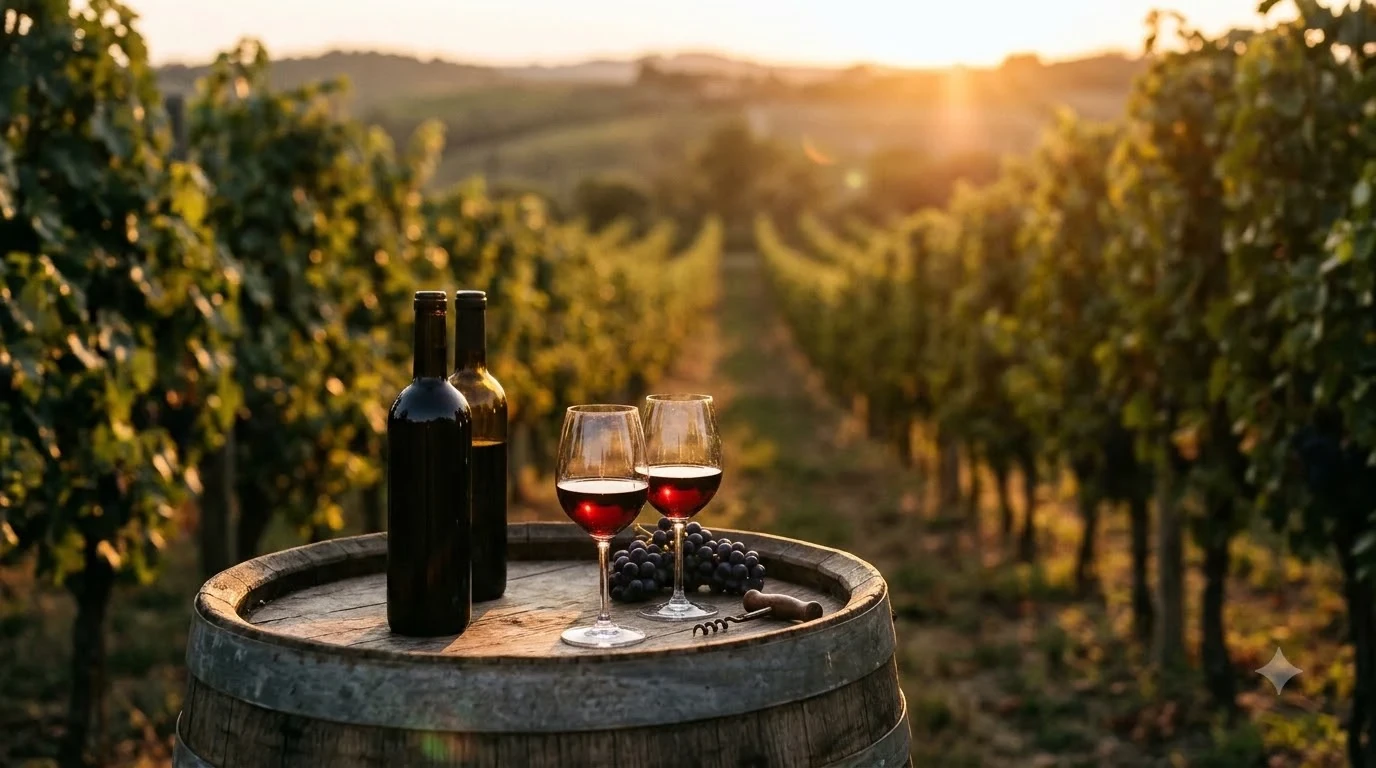
Joseph Phelps wine is a Napa Valley lineup from a winery founded by Joe Phelps and based at a St. Helena estate on Taplin Road. Its flagship is Insignia, a Cabernet Sauvignon sourced from Backus Vineyard, and the brand also makes single-vineyard Chardonnay, Pinot Noir and Syrah. The winery describes a 50-year winemaking legacy, so most of its wines are built around Napa Valley fruit and a consistent house style.
If you have seen the name on a restaurant wine list or in a Napa Valley tasting room and wondered what makes it different from other premium California producers, this guide covers the essentials. It explains who makes the wine, what the estate says about its vineyards, how the main bottlings differ, and how to serve and pair them at home.
Who Makes Joseph Phelps Wine
Joseph Phelps Vineyards is named for its founder, Joe Phelps, whom the winery describes as a figure in groundbreaking American winemaking. The company’s website frames its history around a 50-year winemaking legacy in Napa Valley, and it presents the estate’s wines as its core focus. The winery’s official address is 200 Taplin Road in St. Helena, and the estate offers tastings and culinary experiences by appointment.
That focus on one region matters when you compare the bottles. Joseph Phelps is not trying to cover every price tier or every grape. The wines are mostly from Napa Valley vineyards, and the winery talks about vineyard sites more than it talks about marketing themes. If you like a producer that stays close to its own valley, this is the kind of brand to explore.
The Napa Estate and the Vineyard Approach
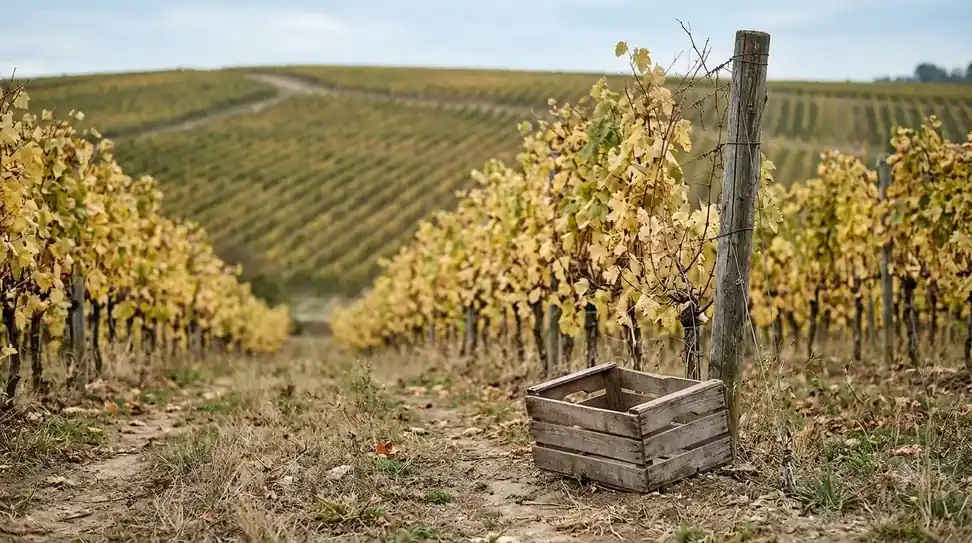
The winery’s own description of its recent vintages gives a good picture of how it works. The 2023 season is described as having a cool and long growing season, which the winery says let the fruit reach full ripeness while keeping freshness and elegance. Weather like that tends to favor wines with balance, because the grapes can develop flavor without becoming overly jammy.
The producer also separates its single-vineyard bottlings by site. According to the website, Pinot Noir and Chardonnay are made from the Pastorale and Quarter Moon vineyards, while Syrah comes from Larry Hyde & Sons Vineyard. Naming the site on the label is a common approach among premium California estates, and it gives you a clear way to compare how one piece of ground shows up across different varieties.
Insignia and the Flagship Style
Insignia is the wine most people associate with the brand. The winery calls it its flagship and identifies it as a Cabernet Sauvignon from Backus Vineyard. Napa Cabernet of this kind usually shows dark fruit, firm structure and a long finish, and it rewards a few years in the bottle before it reaches its peak.
If you are new to Napa Cabernet, think of Insignia as a benchmark for the region rather than an everyday bottle. It is built for slow sipping with a meal, and it shows how a Cabernet from one valley can carry layers of fruit, oak and tannin without tasting heavy. Many drinkers keep a bottle like this for a special dinner and open a simpler red for weeknights.
Single-Vineyard Chardonnay, Pinot Noir and Syrah
Outside the Cabernet, the Joseph Phelps range leans on single-vineyard bottlings. Each variety responds to its site differently, so the table below sums up what the winery’s own pages say about the main categories. Use it as a starting point when you decide which style fits your table.
| Bottling type | Where the fruit comes from (per winery) | Typical profile to expect |
|---|---|---|
| Flagship Cabernet Sauvignon (Insignia) | Backus Vineyard, Napa Valley | Dark fruit, firm tannins, long finish |
| Single-vineyard Chardonnay | Pastorale or Quarter Moon vineyards | Richer white with a creamy or citrus-led texture, depending on the vintage |
| Single-vineyard Pinot Noir | Pastorale or Quarter Moon vineyards | Red fruit, silky texture, savory notes with age |
| Single-vineyard Syrah | Larry Hyde & Sons Vineyard | Dark berry, spice and a savory edge |
Tip: Single-vineyard bottlings change more from year to year than blended wines. If you find a vintage you like, buy a second bottle and compare it with the next release.
How to Serve and Pair Joseph Phelps Wines
Serving temperature makes a bigger difference than most people expect. Red wines from warm regions often taste hot and alcoholic when they sit in a warm room, so a short stay in the fridge before opening usually helps. White wines from Napa, including Chardonnay, show more texture when they are served cool but not cold, which lets the fruit and oak sit in balance.
For food, match the weight of the wine to the dish. Insignia-style Cabernet pairs well with grilled or roasted meats, aged cheese and rich sauces. The Pinot Noir suits roast chicken, mushrooms and salmon, while a Chardonnay from a single site goes with roast poultry, creamy pasta or seafood with butter. Open the Cabernet well before dinner, or decant it if it is young, so the aromas have room to open.
If you are building a dinner around one bottle, start with the lighter white or red and finish with the most structured wine. That order keeps your palate fresh and lets you notice the differences between the bottlings.
Buying, Storing and Aging Joseph Phelps Wines
Buying a Napa estate wine works best when you know what you plan to do with it. If the bottle is for tonight, pick a release that the winery describes as ready to drink, and give it time to settle after a trip or a shipment. If you are buying for the cellar, the structure in a Cabernet like Insignia suggests keeping it in a cool, dark place with steady conditions for several years before opening.
Storage matters more for the Chardonnay and Pinot Noir bottlings than many shoppers expect. Light, heat and temperature swings can flatten a single-vineyard white, so keep those bottles away from a sunny window or a warm kitchen counter. Pinot Noir is usually the most delicate of the three, and it tends to drink best within a few years of release unless the winery says otherwise on its vintage notes.
When you check a shelf or an online listing, read the vintage carefully. The winery’s own descriptions show that growing seasons change the character of a bottling, and a cool year can produce a different wine from a hot one. Compare the release year with the winery’s notes rather than assuming that every vintage tastes the same.
Frequently Asked Questions
Who is Joseph Phelps wine made by?
The wines are made by Joseph Phelps Vineyards, a Napa Valley winery named for its founder, Joe Phelps. The company’s website describes a 50-year winemaking legacy and lists its estate at Taplin Road in St. Helena.
What is Insignia from Joseph Phelps?
Insignia is the winery’s flagship wine. The winery identifies it as a Cabernet Sauvignon from Backus Vineyard in Napa Valley, and it is generally presented as the best-known bottle in the lineup.
Are Joseph Phelps wines all Cabernet?
No. Cabernet Sauvignon is the flagship, but the winery also makes single-vineyard Chardonnay, Pinot Noir and Syrah. Those bottlings come from named vineyards, so each one shows a different site and grape.
Should I decant a Joseph Phelps Cabernet?
Decanting is a good idea for young, structured Napa Cabernet because it helps the aromas open and softens the tannins. Older bottles may need only a short rest and gentle pouring to avoid sediment.
A bottle from Joseph Phelps is a good way to learn how Napa Valley estates work. Start with the single-vineyard white or Pinot to see how a site shows through, then move to the flagship Cabernet when you want a wine built for the long haul. For more background on the producers that shape this category, browse our wine brands guide, and compare how other well-known estates handle style and sourcing in our look at Chateau d’Yquem.
Read the winery’s own pages for current release details and tasting information, since the lineup and the vintage notes change each year. The Joseph Phelps Vineyards website is the most direct source for the current estate and its single-vineyard bottlings.
More in Wine Brands
 Underwood Wine Price: Compare Bottles, Cans, and Pack SizesUpdated Nov 21, 2026
 Zenato Wine Price: Compare Styles and Choose the Right BottleUpdated Nov 21, 2026
 Zuccardi Wine Price: Compare Bottles and Find the Right RangeUpdated Nov 21, 2026
 Yellow Tail Moscato Review: Taste, Sweetness and Serving TipsUpdated Nov 21, 2026
 Wolf Blass Yellow Label Review: Choose Your Best StyleUpdated Nov 21, 2026
 Wolffer Estate Rose Review: Choose the Right Bottle for Your TableUpdated Nov 21, 2026