

We may earn a commission when you buy through links on this page, at no extra cost to you. Learn more.
Joseph Drouhin wine comes from a Burgundy négociant house that the company describes as a family business since 1880. Its base is in Beaune, the historic wine town at the heart of the Côte de Beaune, and the house works with Burgundy’s Pinot Noir and Chardonnay across many appellations. For readers who want a classic French bottle with a clear sense of place, Drouhin is one of the most recognizable names in the region.
This guide covers who Joseph Drouhin is, what the house says about its vineyards and history, how its wines are usually styled, and how to serve and pair them. The house’s own website provides the core facts, and general Burgundy references help explain how to enjoy the bottles.
Who Joseph Drouhin is
Joseph Drouhin presents itself on its website as a family house, with its history dating to 1880. The website refers to a local shop in Beaune and to the Hospices de Beaune, the famous charity auction held each year in the town, which shows how closely the house is tied to the community it sits in. A négociant house buys grapes or wine from many growers and then ages and bottles the result under its own name, which is different from a single estate that grows and makes everything on its own land.
The company’s site also highlights a presence beyond Burgundy. It mentions a section on pioneers in Oregon, where the family has explored Pinot Noir in the Willamette Valley. That link between Burgundy and Oregon is a useful reminder that Drouhin’s Pinot Noir style is rooted in the same cool-climate thinking that guides the French side of the business.
Burgundy’s appellations and what they mean
Burgundy is organized by appellation, and the name on the label tells you a lot. Village wines come from a single commune. Premier Cru wines come from named vineyard sites that the region ranks above the village level. Grand Cru wines come from the region’s most prestigious sites. Drouhin’s website groups its wines by appellation and vintage, so shoppers can see how a bottle fits into that structure.
Because Burgundy is so specific, it helps to read the label closely. A village-level Pinot Noir gives you an entry point to the region’s style, while a Premier Cru bottle usually offers more depth and a longer finish. The exact price and availability vary by vintage, so check the house’s current list rather than relying on past releases.
| Label term | What it means | What to expect |
|---|---|---|
| Village | Wine from one named commune | Typical regional character, good everyday Burgundy |
| Premier Cru | Wine from a named higher-ranked vineyard | More depth, more structure, longer finish |
| Grand Cru | Wine from the region’s top vineyards | The most concentrated and age-worthy bottles |
Pinot Noir and Chardonnay styles
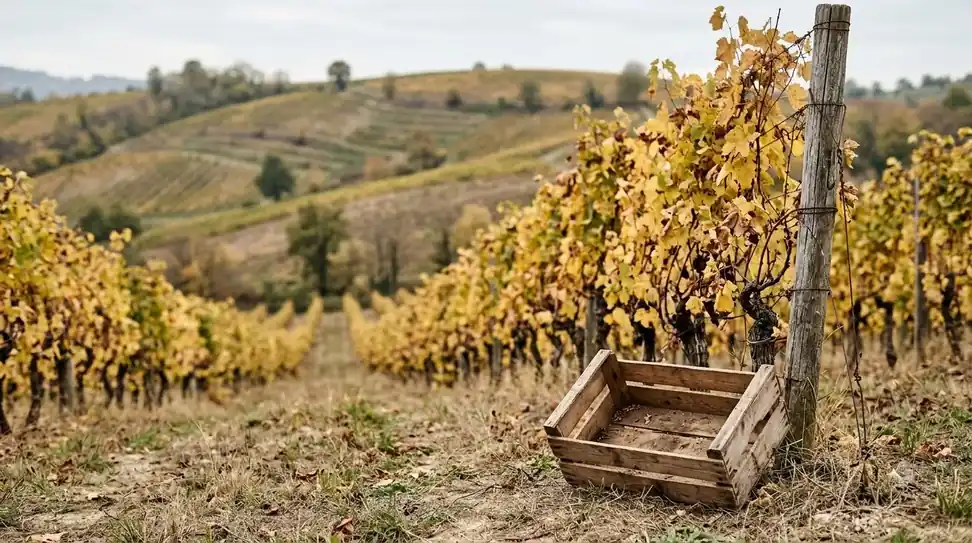
Pinot Noir is the red grape most associated with Burgundy, and it shows red cherry, earth, and floral notes with silky tannins. Chardonnay from the Côte de Beaune can be richer and more textured, with ripe orchard fruit and a creamy finish when it has seen oak. Both grapes reflect the cool, limestone-rich soils that Burgundy is known for.
The house’s Pinot Noir and Chardonnay give a clear way to learn the region. Start with a village bottling to understand the basic style, then try a higher-ranked wine to hear how the site changes the flavor. Comparing two wines from the same producer is one of the best ways to see Burgundy’s influence on taste.
How to serve Joseph Drouhin wine
Serve the Pinot Noir slightly cooler than room temperature, around the middle of the range that many wine guides recommend for lighter reds. A few minutes in the refrigerator before pouring is often enough. Chardonnay tastes best cool but not cold, which lets the fruit and any oak notes come through.
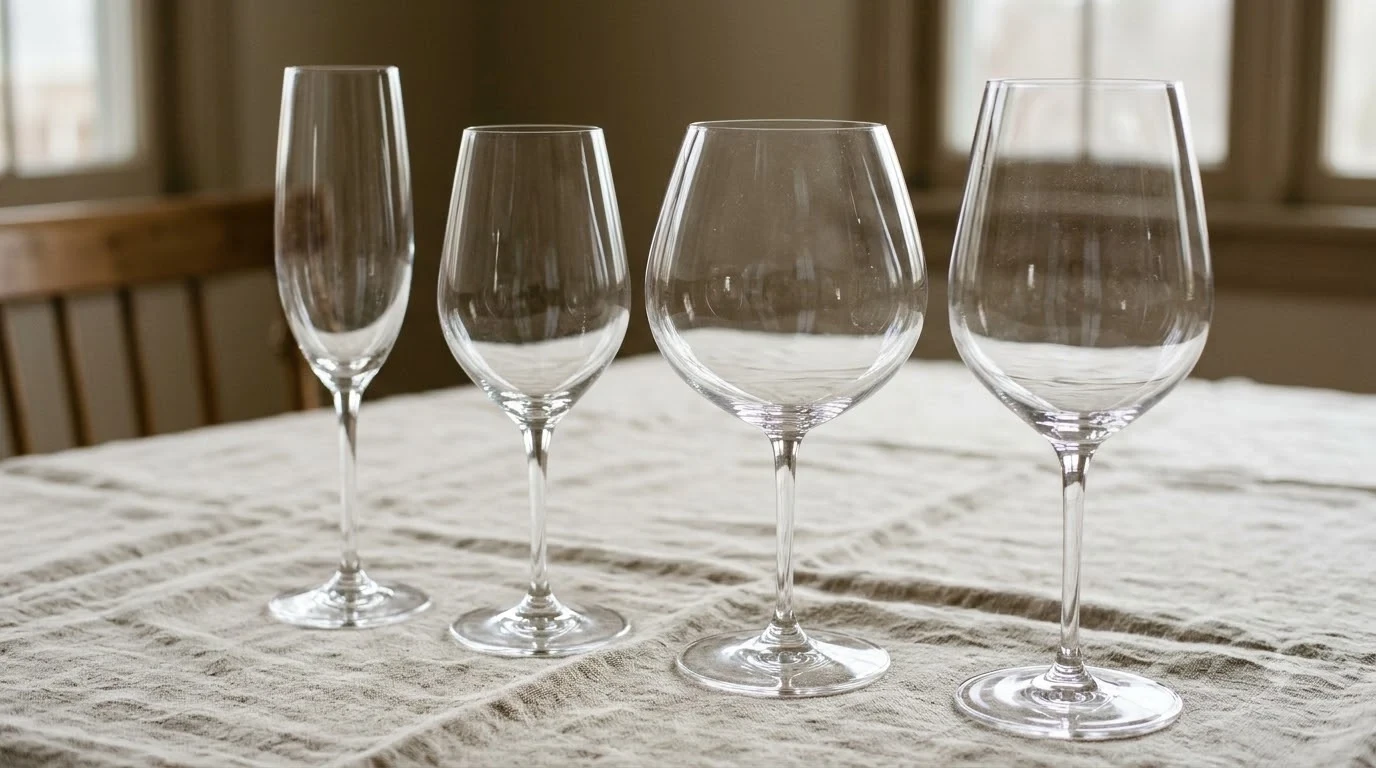
Use a glass with a wide bowl for Pinot Noir so the delicate aromas can rise, and allow the wine a few minutes to open. Aged Burgundy, especially from older vintages, benefits from a gentle decant to separate it from any sediment. For a general reference on red wine temperatures, Wine Folly’s Cabernet Sauvignon guide gives a useful range for fuller reds.
Tip: Pinot Noir is more delicate than most reds. If it tastes flat, a short chill and a wider glass often bring the fruit back.
Pairing Drouhin wine with food
Burgundy Pinot Noir is one of the classic food wines. It pairs well with roast chicken, duck, mushroom dishes, and salmon, and its acidity cuts through rich sauces without overpowering them. Chardonnay from the Côte de Beaune suits roast poultry, creamy sauces, and dishes with butter, which echo the wine’s texture.
Match the wine to the dish’s weight. Light Pinot Noir works with lighter preparations, and richer Chardonnay suits meals with more fat. Simple, seasonal cooking tends to show Burgundy at its best because the wine’s structure and the food’s flavors complement each other.
Who Joseph Drouhin wine suits
Joseph Drouhin wine suits drinkers who want a traditional Burgundy house with a long family history. It is a good fit for anyone who enjoys learning how appellation and vineyard shape flavor, and for people who already like Pinot Noir and want to explore the French original. Buyers who want big, heavily oaked bottles may find Burgundy more restrained than they expect.
If you want to see how other French producers present their wines, the La Vieille Ferme wine guide covers a more everyday French label, and the wine brands hub sorts more producers by style and region.
Getting the most from a Burgundy bottle
Burgundy rewards patience at the table as well as in the cellar. Open a bottle about 30 minutes before the meal if it is a young red, so the aromas can develop. For a Chardonnay, pour a small amount first and let it warm in the glass for a few minutes, since the texture becomes more evident as it does.
Many people compare Burgundy with other French regions, but the main difference is the emphasis on place. Two bottles of the same grape from neighboring vineyards can taste quite different, and that variation is the reason the label matters so much. Spend a few bottles exploring a single village or Premier Cru to hear how small changes in soil and slope show up in the glass.
Frequently Asked Questions
When was Joseph Drouhin founded?
The house’s website describes itself as a family business since 1880, which is the starting point for its history in Beaune, Burgundy.
Where is Joseph Drouhin based?
The house is based in Beaune, the historic wine town in the Côte de Beaune. The website also mentions a local shop in Beaune and its connection to the Hospices de Beaune.
Does Joseph Drouhin make Pinot Noir?
Yes. Pinot Noir is central to Burgundy, and Drouhin’s range includes Pinot Noir across several Burgundy appellations. The house also works with Pinot Noir in Oregon, according to its website.
How should I serve a Joseph Drouhin Pinot Noir?
Serve it slightly cooler than room temperature, around the middle of the usual red wine range. Use a wide-bowled glass and give the wine a few minutes to open in the glass.
Joseph Drouhin wine is a practical way to learn Burgundy, whether you start with a village Pinot Noir or move up to a Premier Cru. Pay attention to the appellation on the label, serve the reds slightly cool, and pair them with classic dishes like roast chicken and mushrooms. Over a few bottles, you will see how the region’s sites change the wine.
More in Wine Brands
 Underwood Wine Price: Compare Bottles, Cans, and Pack SizesUpdated Nov 21, 2026
 Zenato Wine Price: Compare Styles and Choose the Right BottleUpdated Nov 21, 2026
 Zuccardi Wine Price: Compare Bottles and Find the Right RangeUpdated Nov 21, 2026
 Yellow Tail Moscato Review: Taste, Sweetness and Serving TipsUpdated Nov 21, 2026
 Wolf Blass Yellow Label Review: Choose Your Best StyleUpdated Nov 21, 2026
 Wolffer Estate Rose Review: Choose the Right Bottle for Your TableUpdated Nov 21, 2026