

We may earn a commission when you buy through links on this page, at no extra cost to you. Learn more.
The typical josh cellars rose price is about $11 to $18 for a 750 ml bottle, based on H-E-B’s posted listing and WinesRate’s California retailer range; prices vary by state and retailer. That puts this California rosé in an everyday-buying range rather than a premium cellar category. The final shelf price depends on local availability, the store’s fulfillment method, and the specific listing, so compare like-sized bottles before buying.
Josh Cellars Rosé is positioned as a crisp, light-bodied pink wine with strawberry, white peach, citrus, and floral notes. This guide explains what a fair price looks like, which details are worth comparing, how to distinguish the still rosé from other pink wines in the range, and how to serve the bottle once you bring it home. For the product’s basic characteristics and recommendations, start with Josh Cellars Rosé.
Who This Is For
Josh Cellars Rosé is a practical choice for shoppers who want an approachable California rosé for casual meals, warm-weather gatherings, or an uncomplicated glass before dinner. Its 750 ml bottle, 12.5% alcohol listing, and light-bodied profile give buyers a straightforward reference point when comparing it with other still rosés on a store shelf.
The producer describes aromas of fresh strawberries, white flowers, and stone fruit, with citrus, white peach, and strawberry flavors. Wine Enthusiast’s review of the 2024 California bottling also notes peach, nectarine, strawberry, sweet cherry, citrus blossom, dried sage, and a mineral finish. Taken together, those descriptions point toward a fruit-forward but refreshing style rather than a heavy, oak-driven wine. The official Josh Cellars Rosé page provides the producer’s own flavor and food-pairing descriptions.
This bottle suits someone who wants a familiar California label and a versatile pairing for shrimp, ceviche, grilled fish, or summer salads. The winery specifically suggests fresh summer berries, grilled shrimp, and ceviche. Shoppers seeking a richer, barrel-aged rosé, a sparkling wine, or a wine with a documented residual-sugar level should compare other bottles rather than infer those qualities from the pink color or fruit aromas.
Key Factors to Compare
Start with bottle size, the listed alcohol level, style, and local shelf price; these details make a more useful comparison than label color alone. For this wine, a standard 750 ml bottle and a 12.5% ABV listing provide the clearest baseline.
| Factor | What to look for | Why it matters |
|---|---|---|
| Bottle size | 750 ml | Standard size for comparing shelf prices; about five 5 oz pours. |
| Alcohol | 12.5% ABV on the H-E-B listing and Wine Enthusiast’s 2024 entry | Useful for comparing the strength shown on retailer and review pages. |
| Style | Still, light-bodied California rosé | Separates it from sparkling rosé and fuller-bodied pink wines. |
| Flavor profile | Strawberry, white peach, citrus, and floral notes | Helps match the wine with seafood, salads, and fresh fruit. |
| Typical U.S. shelf range | About $11–$18 per 750 ml bottle, based on H-E-B’s listing and WinesRate’s four California retailer listings; prices vary by state and retailer. | Use this as a comparison range, not a guaranteed price in every market. |
For the price benchmark, H-E-B displays the 750 ml bottle at a price that rounds to about $11, while WinesRate reports a California range of about $15 to $18 across four retailers. Based on H-E-B’s listing and WinesRate’s California tracking, a practical broad U.S. shopping reference is about $11 to $18, not a national average or a promise that every store carries the wine. WinesRate also shows that available listings differ by state, and H-E-B notes that store, curbside, and delivery pricing can differ. Its Josh Cellars Rosé price comparison provides a useful way to see how local retailer listings are grouped.
Check that a comparison is for the same bottle size and the same wine. A retailer page for a 750 ml still rosé is not directly comparable with a larger format or with Josh Cellars Prosecco Rosé. A shelf tag can also represent an in-store price while an online cart reflects a different fulfillment option, so use the price you can actually purchase at your chosen store.
Step-by-Step: How to Shop for the Right Bottle
A reliable purchase starts by identifying the exact wine, then comparing the same size and checking its style and serving needs. The following six steps help avoid paying a premium for a different product or overlooking a useful local listing.
- Find the still Rosé listing. Look for Josh Cellars Rosé from California, not a sparkling rosé or a different pink wine. The producer’s wine page presents Rosé as its own product and lists Prosecco Rosé separately among similar wines.
- Compare 750 ml with 750 ml. Use the standard bottle as the baseline. A smaller bottle, large-format bottle, or multi-bottle package changes the effective cost per pour, so compare the total volume before judging the shelf tag.
- Use the local price range as a guide. A typical shopping reference is about $11 to $18 per 750 ml bottle, supported by H-E-B’s listing and WinesRate’s current California listings; prices vary by state and retailer. A listing outside that band is a reason to compare nearby stores, not proof by itself that the wine is overpriced.
- Confirm the alcohol entry. H-E-B and Wine Enthusiast list 12.5% ABV for the bottle they describe. For additional context on this detail, see our page about Josh Cellars Rosé alcohol content.
- Match the wine to the meal. The winery recommends grilled shrimp and ceviche, while its flavor description includes citrus, strawberry, and white peach. Those pairings make sense for seafood and fresh summer food; for a sweet dessert, choose a wine at least as sweet as the dish instead of assuming a dry rosé will match it.
- Plan the serving temperature and portions. Chill the bottle to about 45–50°F and pour roughly 5 oz per glass. A 750 ml bottle gives about five standard pours, so two bottles are a sensible starting quantity for around ten standard servings.
Shopping this way keeps the decision grounded in the bottle itself. The price is only one part of the value: the wine should also fit the meal, the number of guests, and the style you expect from a still California rosé.
Types and Styles Explained
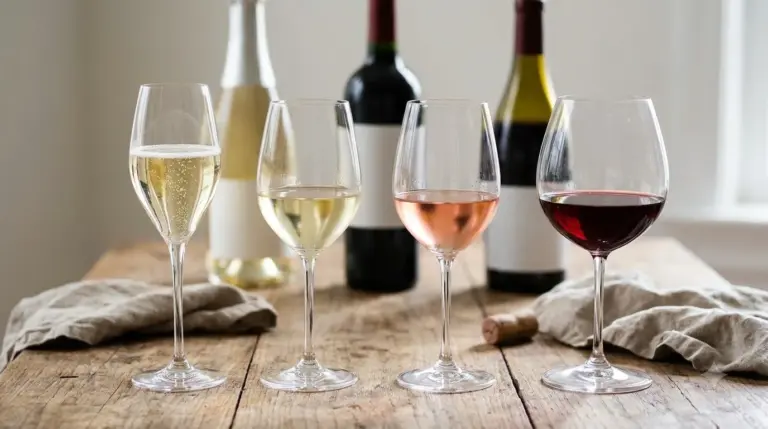
Josh Cellars Rosé is described by the producer as light-bodied and crisp, with citrus, strawberry, and white-peach character. It is a still rosé, so buyers should not treat every pink wine carrying the Josh Cellars name as the same product.
The producer’s page lists Prosecco Rosé among similar wines, but Prosecco Rosé is a separate sparkling style. Bubbles change the drinking experience, serving temperature, and food context. For a quiet, still wine to pour with grilled shrimp or a summer salad, choose the plain Rosé listing; for a sparkling aperitif, compare the Prosecco Rosé product instead.
Color is not a reliable measure of sweetness. Pale pink wines can be dry, and vivid fruit aromas do not automatically mean a wine contains much residual sugar. WineDiscounts describes this Josh Cellars bottling as dry and light-bodied, while the producer emphasizes its crisp, refreshing profile. The available product pages do not provide a residual-sugar figure, so buyers who need an exact sweetness measurement should not infer one from strawberry or peach notes.
It also helps to separate a producer’s flavor description from vintage-specific tasting notes. The winery highlights strawberry, white peach, citrus, and white flowers, while Wine Enthusiast’s 2024 review adds sweet cherry, dried sage, and mineral details. Small differences in tasting language do not necessarily signal a different wine category; tasting notes can reflect the particular bottling and the reviewer’s vocabulary.
Common Mistakes
The most common buying errors are comparing different wine styles, assuming fruit aromas mean sweetness, and treating one store’s shelf tag as a national price. A little attention to bottle identity, the 750 ml size, and the local checkout price avoids most of these problems.
Confusing still rosé with sparkling rosé: Josh Cellars has both a plain Rosé listing and a separate Prosecco Rosé listing on its site. The former is the still wine discussed here; the latter belongs to a sparkling category. Do not use a price or review for one to judge the other. Assuming strawberry notes mean sweet wine: Strawberry, peach, and cherry are aroma and flavor descriptors, not a sugar measurement. WineDiscounts labels the wine dry, and the producer calls it crisp and refreshing. If sweetness is the deciding factor, compare a published sweetness description rather than relying on the fruit names alone.
Comparing a single store price with a broad market range: H-E-B’s listing illustrates one retailer’s local price, while WinesRate’s California page gathers four retailers and separately identifies other states. A price in one city may not be available in another, and delivery or curbside pricing may differ from the store shelf. The normal comparison range of about $11 to $18 per 750 ml bottle is supported by H-E-B’s listing and WinesRate’s retailer data; prices vary by state and retailer. Reading an old review as a current shelf quote: Wine Enthusiast’s review entry is for the 2024 California bottling, and retailer listings may represent a different vintage or a non-vintage entry. Tasting notes can help describe the style, but the price attached to a review page should not be treated as a live quote at a nearby shop.
Over-chilling or serving it warm: A refrigerator-cold bottle can mute delicate fruit and floral notes, while a warm bottle can make the wine seem less refreshing. Aim for 45–50°F, then let a glass warm slightly if the aromas seem restrained.
Care and Storage Tips
Keep the wine cool before serving and protect an unopened bottle from heat, direct sunlight, and repeated temperature swings. For this light-bodied rosé, practical storage and prompt use after opening matter more than long-term cellaring.
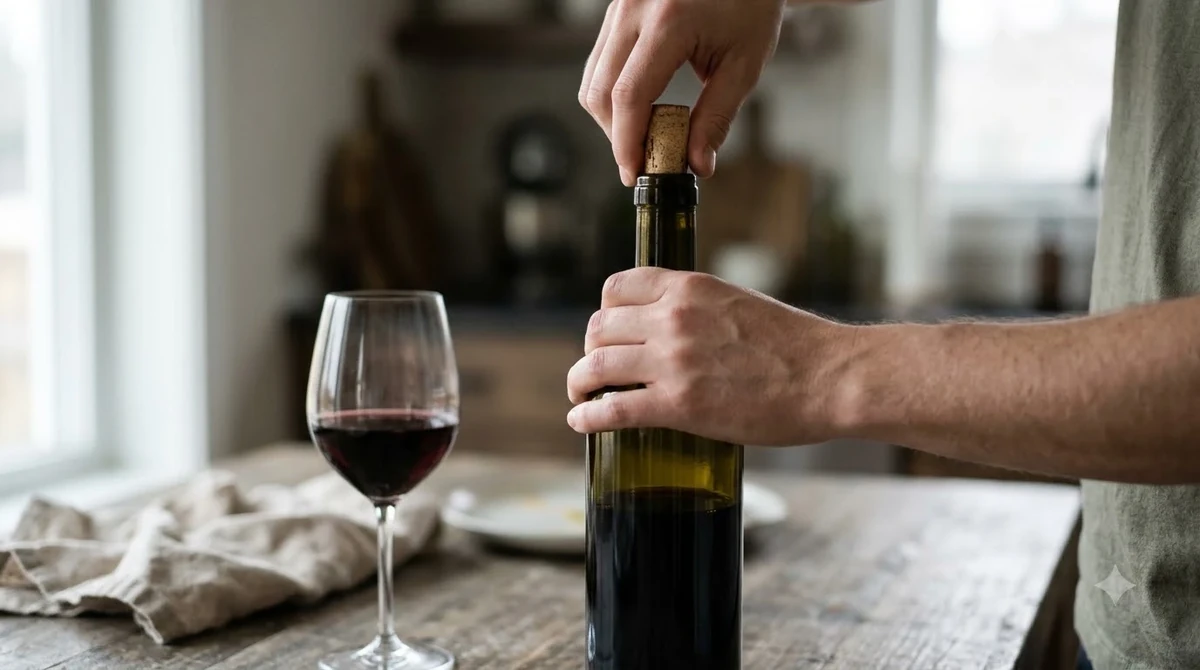
For service, chill the bottle to 45–50°F rather than serving it straight from a warm room. A refrigerator can bring it down to serving temperature; remove it briefly before pouring if it feels too cold and the fruit seems muted. Use a clean wine glass and a moderate 5 oz pour so the strawberry, citrus, and white-peach aromas have room to show.
Tip: If the first pour seems muted, let the glass sit for 3–5 minutes before deciding that the wine lacks aroma. As it warms slightly, the strawberry, peach, and floral characteristics may become easier to recognize.
After opening, reseal the bottle and place it in the refrigerator. Most opened still wines keep for about 3–5 days under refrigeration, although freshness fades over time and the exact result depends on air exposure and how cold the bottle stays. A tight stopper and minimal empty space in the bottle help slow oxidation; discard wine that smells or tastes clearly faulty.
For an unopened bottle, store it in a cool, dark place near 55°F, away from a sunny kitchen counter, a hot car, or a cabinet above an oven. If the bottle has a cork, horizontal storage keeps the cork from drying out during longer storage; a screw cap does not need the same cork-moisture consideration. Rosé intended for a fresh, fruit-led style is generally best treated as a near-term drinking wine rather than something to hold for years.
For a broader look at the producer’s reds, whites, and other bottles, see our overview of Josh Cellars wine. That wider range can help when a meal calls for a red or white instead of a chilled pink wine. Our Wine Brands resource also explains how to compare producers, regions, and label styles without confusing brand recognition with a guarantee of taste.
Frequently Asked Questions
What does NV mean on a Josh Cellars Rosé listing?
NV means non-vintage: the listing is not identified with one named harvest year. WinesRate shows an NV entry for the standard 750 ml bottle, while some review and retailer pages identify a specific vintage. The exact bottle in a shop may therefore have a vintage designation or may be presented as non-vintage.
Does the alcohol percentage appear consistently on every retail page?
No. Wine Enthusiast and H-E-B list 12.5% ABV, while Target’s product description states 12.2% and its separate specifications field lists 12.5%. This discrepancy is a reminder that retailer databases can carry different records, and the number printed on the bottle in hand is the most direct product-specific reference.
Can Josh Cellars ship this rosé directly from its website?
The producer’s Rosé page currently directs shoppers to its store locator and says it no longer offers direct wine shipping. That means availability is handled through local retailers rather than a direct checkout on the product page. State shipping rules can also affect which retailers offer delivery.
Is the bottle listed with a screw cap?
Wine.com listed its 2023 Josh Cellars Rosé with a screw-cap closure. That detail belongs to that vintage-specific listing and should not be assumed for every bottle or production run. Closure information is useful for storage, but it does not establish the wine’s quality by itself.
Does the producer publish a residual-sugar number for this rosé?
The producer’s public product page describes flavor and food pairings but does not state a residual-sugar figure. Retail descriptions characterize the style as dry, yet that is not the same as a laboratory number in grams per liter. Anyone comparing wines by exact sugar content will need a producer specification that provides the measurement.
For most shoppers, the useful benchmark is about $11 to $18 for a 750 ml bottle, supported by H-E-B’s listing and WinesRate’s California retailer range; prices vary by state and retailer. Choose the plain still Rosé for a crisp, fruit-led bottle to serve chilled with seafood or summer salads, and compare the local listing before checkout.
More in Wine Brands
 Oddbird Wine Review: Choose the Right Alcohol-Free StyleUpdated Nov 21, 2026
 Muga Wine Review: Choose the Right Rioja StyleUpdated Nov 21, 2026
 Penfolds Grange Review: How to Choose a Vintage Worth CellaringUpdated Nov 21, 2026
 Pedernales Wine Price: Compare Bottles and Find Your Best ValueUpdated Nov 21, 2026
 Opus One Overture Wine Price and What Buyers GetUpdated Nov 21, 2026
 Oddbird Wine Price: What to Expect Before You BuyUpdated Nov 21, 2026