


We may earn a commission when you buy through links on this page, at no extra cost to you. Learn more.
Is Winc wine good? Yes, Winc can be a good choice for casual wine drinkers who want convenient deliveries, approachable wine styles, and personalized recommendations, although its quality and value depend on the bottles you select. Its biggest advantages are variety, flexible wine selection, and a system designed to help customers discover new preferences. However, subscription management, cancellation concerns, and the difficulty of comparing some private-label wines with independently reviewed bottles deserve consideration before joining.
Buying wine online can make discovering new bottles easier, especially for people who do not know which grapes, regions, or styles they prefer. Winc approaches that challenge through a combination of personalized recommendations, curated selections, and recurring deliveries. Rather than focusing exclusively on prestigious vineyards or collectible bottles, its appeal centers on making everyday wine exploration more accessible. This guide examines the quality question, available styles, membership structure, and practical considerations to help determine whether Winc belongs in your regular wine rotation.
Who This Is For
Winc is best suited to casual wine drinkers, curious beginners, and people who appreciate having several different bottles available without visiting a wine shop. Its six-question preference quiz, customizable selections, and range of red, white, rosé, and sparkling wines make the service particularly approachable for households that enjoy variety.
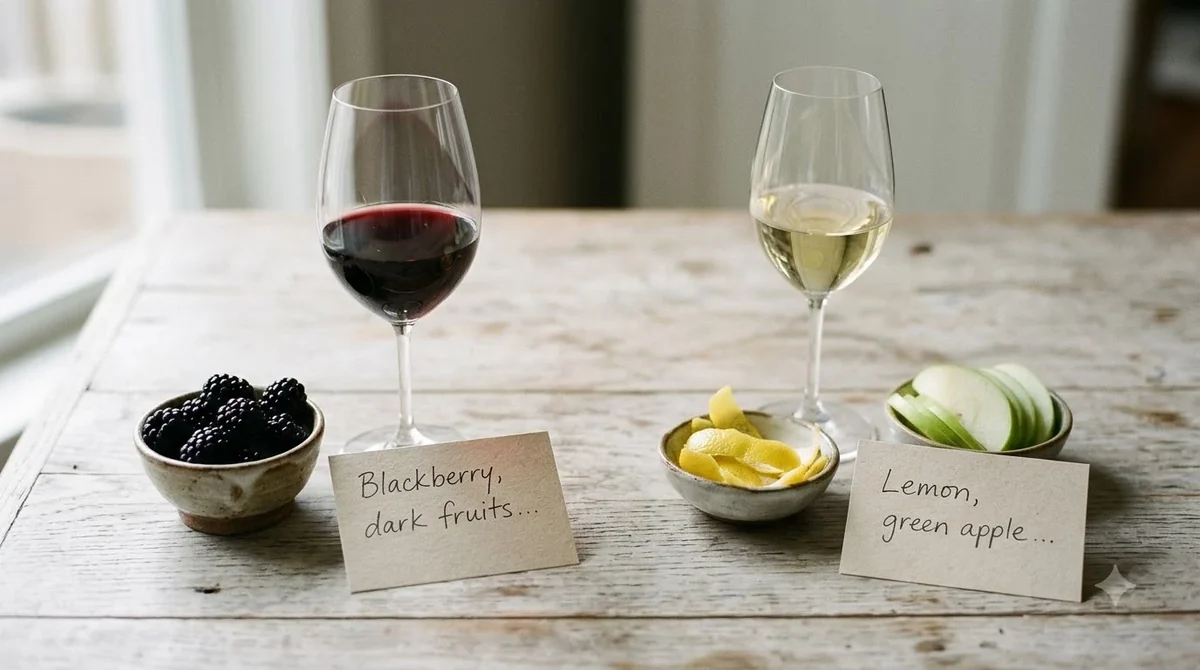
Beginners may appreciate having a starting point rather than choosing among dozens of unfamiliar grape varieties. Winc asks about preferences through its Palate Profile Quiz and uses the answers to suggest bottles. Customers can then accept those recommendations or substitute wines they would rather try. That flexibility makes the service more useful than a completely fixed assortment, particularly for someone who already knows that they prefer dry whites, lighter reds, or fruit-forward styles.
People who regularly entertain may also appreciate having different wine categories available in one order. A household could select Cabernet Sauvignon for a dinner featuring grilled beef, Sauvignon Blanc for seafood, and rosé for a casual afternoon gathering. The ability to browse by grape, region, sweetness, and body helps narrow the choices without requiring extensive wine knowledge.
For an independent perspective, Bon Appétit’s wine subscription comparison identifies Winc as an accessible option for people who want personalization and a straightforward online experience. Its assessment also distinguishes algorithm-based recommendations from subscriptions curated by professional sommeliers, an important difference for customers who value expert selection.
However, Winc is not automatically the right option for collectors, experienced wine enthusiasts seeking rare regional producers, or shoppers who prefer to examine bottles in person. Those customers may find more detailed vineyard information and independent bottle comparisons at specialist wine merchants. Anyone who dislikes recurring memberships should also approach the service carefully, even though individual wine packs provide an alternative.
For readers comparing different subscription services and producers, our overview of Wine Brands offers a useful starting point for understanding how wine companies differ in their selections, positioning, and approach to customers.
Key Factors to Compare
Wine quality is only one part of deciding whether Winc is worthwhile. Selection, personalization, delivery arrangements, membership flexibility, and the ability to evaluate individual bottles all influence the experience.

The following comparison summarizes the main features advertised on Winc’s membership page and the considerations that matter when evaluating them.
| Factor | Winc offering | What it means for buyers |
|---|---|---|
| Six-bottle membership | 6 bottles monthly | Regular variety for households that drink wine frequently |
| Twelve-bottle membership | 12 bottles every 12 weeks | A larger shipment with a less frequent schedule |
| Preference quiz | 6 questions | Provides a starting point for personalized selections |
| Member savings | 20% off | Reduces the listed cost of eligible member purchases |
| Additional shipping benefit | Free shipping for members | Can make consolidated orders more convenient |
| Additional bottle benefit | Extra 10% off orders of 12 or more bottles | Potentially useful for larger purchases |
| Selection flexibility | Swap recommended bottles | Customers retain control over their selections |
| Non-membership option | Wine packs | Allows customers to sample selections without joining |
These features are useful, but they do not establish that every bottle is equally good. A membership discount is only valuable when the selected wines suit your preferences and the total order makes sense compared with other available purchasing options.
Wine quality and consistency
Winc’s broad selection is a strength, but a large catalog should not be confused with uniform quality. Different grapes, growing regions, producers, and winemaking approaches create substantial differences between bottles. One Cabernet Sauvignon might emphasize dark fruit and firm tannins, while another may be softer, rounder, and easier to drink without food.
The same distinction applies to white wine. A crisp Sauvignon Blanc generally has more pronounced acidity than a typical Chardonnay, while Riesling can range from bone-dry to distinctly sweet. Customers should evaluate each bottle according to its grape, origin, style description, and intended occasion instead of assuming that a positive experience with one Winc wine guarantees a similar experience with another.
Value beyond membership discounts
Member savings and free shipping can make ordering convenient, particularly for people who already plan to purchase several bottles. Nevertheless, the meaningful comparison is between the complete order and equivalent wines available through other retailers. Consider bottle quality, shipping arrangements, selection, and the flexibility to purchase only what you want.
Independent reviews can provide useful context, but reviews of an individual bottle are more informative than broad claims about an entire wine club. For a private-label selection, look for detailed descriptions of grape composition, origin, vintage, sweetness, acidity, and production methods whenever that information is available.
Tip: Before accepting a recommended wine, identify its grape variety, sweetness, body, and acidity. Those four characteristics provide a much better indication of whether the bottle suits your preferences than a general description such as smooth or fruity.
Step-by-Step: How to Decide Whether Winc Is Worth Buying
The easiest way to evaluate Winc is to begin with your actual drinking preferences rather than the membership benefits. A small, deliberate selection makes it easier to distinguish whether the wine itself appeals to you and whether the delivery arrangement offers enough convenience.
-
Identify the styles you already enjoy.
Start with familiar grapes and categories. If you normally enjoy Pinot Noir, Chardonnay, or Sauvignon Blanc, use those preferences to narrow the initial selection. Think about whether you prefer light-bodied or full-bodied wines, crisp or soft acidity, and dry or sweet finishes.
-
Complete the preference quiz carefully.
Winc uses six questions to develop personalized recommendations. Answer according to your usual preferences rather than choosing options simply because they sound sophisticated. The quiz is a useful introduction, not a substitute for knowing which wine characteristics you enjoy.
-
Examine the recommended bottles individually.
Read each wine description before adding it to your selection. Pay attention to grape variety, region, body, sweetness, and food-pairing suggestions. If a recommended bottle sounds unsuitable, exchange it for something more familiar.
-
Consider buying a non-membership pack first.
Winc offers packs that do not require membership. This is a sensible way to explore the selection without immediately committing to recurring deliveries. A mixed assortment can also help identify whether the company’s general wine style matches your preferences.
-
Compare the complete membership terms.
Review the delivery frequency, eligible discounts, shipping benefits, recurring charges, and rules governing unused account credits. Winc advertises a six-bottle monthly membership and a 12-bottle membership with deliveries every 12 weeks. Make sure the schedule fits your household’s actual consumption.
-
Record what you like and dislike.
After opening a bottle, note the grape, acidity, tannin, sweetness, and body. Winc allows customers to rate wines through their accounts. Using that feature can help refine future recommendations, although your own tasting notes provide a more detailed record of individual preferences.
-
Review your account before another shipment.
Check the next scheduled processing date, selected wines, payment arrangements, and available membership controls. If you want to skip or cancel, take action early and retain written confirmation. Do not assume that leaving an account inactive automatically stops future orders.
This process separates three different questions: whether the wine tastes good, whether the selection fits your preferences, and whether the membership is convenient. Winc can perform well in one area without necessarily being the strongest choice in all three.
Types or Styles Explained
Winc offers several broad wine categories, with browsing options based on grape variety, region, sweetness, and body. Understanding those categories is essential because the quality of a wine is inseparable from whether its particular style matches the person drinking it.
Red wines
Red wine is a natural starting point for shoppers who enjoy richer flavors and food-friendly bottles. Winc lists varieties including Cabernet Sauvignon, Pinot Noir, Merlot, Zinfandel, and Grenache. These grapes offer different combinations of fruit character, acidity, body, and tannin.
Cabernet Sauvignon typically has high tannin and works well with grilled beef, lamb, and other substantial dishes. Merlot usually has medium tannin and a softer texture, making it approachable with roasted chicken, burgers, and pasta. Pinot Noir generally has lower-to-medium tannin and higher acidity, which makes it versatile alongside roast poultry, mushrooms, and salmon.
For shoppers exploring the brand’s red selections, our Winc red wine overview can help narrow the choices according to grape and drinking preference. A useful starting point is to decide whether you prefer the structure of Cabernet Sauvignon or the lighter, more acidic character of Pinot Noir.
White wines
White wine provides a different range of textures and food-pairing opportunities. Winc includes Chardonnay, Sauvignon Blanc, Riesling, Pinot Grigio, and Viognier among its browsing categories. These varieties are not interchangeable, even when they appear in the same general section of a wine catalog.
Sauvignon Blanc usually has high acidity and is a strong option with goat cheese, fresh herbs, shellfish, and salads. Chardonnay generally has medium acidity and can range from crisp and restrained to fuller-bodied and creamy. Riesling offers high acidity and can be dry or sweet, depending on its style.
Pinot Grigio is often a practical choice for light meals and casual occasions, while Viognier tends to offer more aromatic intensity and a fuller impression. Buyers should look beyond broad descriptions and consider whether they prefer citrus, orchard fruit, tropical fruit, floral aromas, or richer textures.
Our guide to Winc white wine provides another way to compare the available options. For a first purchase, Sauvignon Blanc and Pinot Grigio are sensible choices for drinkers who prefer crisp, refreshing whites, while Chardonnay suits those who want a fuller style.
Rosé and sparkling wines
Rosé offers a useful middle ground for people who enjoy freshness but do not necessarily want a traditional red or white. Its flavor profile can include strawberry, watermelon, citrus, and other fresh-fruit notes. Dry rosé generally works well with salads, grilled vegetables, seafood, and lighter summer meals.
Sparkling wine is another category worth considering for celebrations and casual entertaining. Its bubbles make it suitable as an aperitif, while different sweetness levels influence its food-pairing potential. Brut styles are generally dry, whereas Demi-Sec and Doux options have noticeably more sweetness.
When choosing either category, consider the intended occasion and serving temperature. Sparkling wine is best served around 40 to 50 degrees Fahrenheit, while rosé is generally most refreshing around 45 to 50 degrees Fahrenheit.
Sweetness and body
Winc’s filters distinguish dry, semi-sweet, and sweet wines, alongside light, medium, and full-bodied options. These are useful shopping categories, but sweetness and body describe different characteristics. A full-bodied wine does not necessarily taste sweet, and a light-bodied wine is not automatically dry.
For example, a dry Cabernet Sauvignon may feel substantial because of its body and tannin, while a sweet Riesling can remain refreshing because of its high acidity. Someone who prefers crisp, uncomplicated wines might begin with a dry Sauvignon Blanc, while a drinker who enjoys noticeable sweetness may prefer a sweeter Riesling or Moscato.
Matching style to food is equally important. Wine should generally be at least as sweet as the dessert served alongside it. Acidic dishes benefit from wines with equal or higher acidity, while salt and fat can soften the impression of tannin. Very spicy food can taste hotter alongside wines with substantial alcohol or tannin, so lighter, refreshing styles are often safer choices.
Common Mistakes
Many disappointing wine purchases result from choosing the wrong style rather than buying inherently poor wine. Subscription customers can make the same mistakes they make in a traditional wine shop, with the added risk of overlooking recurring delivery and account-credit arrangements.
Assuming every recommended bottle will be a match
A preference quiz is a starting point, not a guarantee. Someone who enjoys fruity red wine might receive a recommendation that has more tannin or acidity than expected. The description may sound appealing while the actual structure is less suitable for that person’s palate.
Read the individual wine descriptions and use the option to exchange recommendations. If you know that you dislike heavily oaked Chardonnay or strongly tannic Cabernet Sauvignon, do not ignore that preference simply because the quiz suggests a particular bottle.
Choosing by grape name alone
Two wines made from the same grape can taste substantially different. Climate, growing conditions, ripeness, fermentation, oak treatment, and winemaking choices all influence the finished wine. A California Chardonnay and a cooler-climate Chardonnay, for instance, may have very different textures and fruit profiles.
Look for specific information rather than relying exclusively on the varietal name. Region, vintage, sweetness, and tasting descriptions help create a more accurate expectation of what is inside the bottle.
Confusing a membership benefit with a quality guarantee
Free shipping and member discounts improve convenience, but they do not establish that the wines are superior to comparable bottles elsewhere. A discounted wine is not necessarily a good purchase if its style is unsuitable or its quality does not justify the overall expense.
Compare the complete order, including shipping and applicable taxes, rather than concentrating on a percentage saving. Also consider whether you would purchase the same wine without the membership benefits.
Overlooking cancellation and unused credits
Subscription management deserves particular attention. The Guardian’s assessment of Winc highlights cancellation as an important consideration, while Wine Club Reviews also identifies unused non-refundable credits as a potential drawback. These concerns matter because a customer can be satisfied with the wine but dissatisfied with the financial arrangements.
The Better Business Bureau also publishes complaints involving billing, products, customer service, and delivery. Individual complaints do not establish that every customer will experience the same problem, but they are a reason to understand the membership conditions before recurring charges begin.
Do not allow account credits to accumulate simply because you have not decided which bottles to order. Understand what happens to unused balances if you cancel, and retain confirmations of any account changes or cancellation requests.
Ordering more wine than you can reasonably use
A recurring shipment can create unnecessary purchases if your household drinks wine only occasionally. A six-bottle monthly delivery may be excessive for someone who opens one bottle every few weeks. The larger membership may also be unsuitable even if its delivery schedule is less frequent.
Consider your normal consumption and storage arrangements before selecting a shipment size. If you want to experiment with the wine first, an individual pack is a more sensible introduction than immediately choosing a recurring plan.
Care or Storage Tips
Good wine can lose freshness when stored improperly, regardless of where it was purchased. Once your Winc shipment arrives, appropriate storage, serving temperature, and opening practices help preserve the character of each bottle.
Store bottles correctly
For longer storage, keep bottles on their sides when they have natural cork closures, in a cool and relatively stable environment around 55 degrees Fahrenheit. Avoid direct sunlight, substantial temperature changes, and locations close to ovens or heating equipment. Excessive warmth can accelerate wine aging and damage its fresh aromas.
For wines intended to be consumed relatively soon, a cool cupboard or wine refrigerator is generally more practical than a warm kitchen counter. White, rosé, and sparkling wines should be chilled before serving, while red wines should not automatically be placed at room temperature if the room is particularly warm.
Serve each style at an appropriate temperature
Temperature changes how aromas, acidity, alcohol, and tannin are perceived. Serving a wine too warm can make alcohol seem more prominent, while excessive chilling can suppress aromas and make a wine seem less expressive.
| Wine style | Serving temperature | Practical guidance |
|---|---|---|
| Sparkling | 40–50°F | Chill thoroughly before opening |
| Light whites | 45–50°F | Serve crisp and refreshing |
| Rosé | 45–50°F | Keep chilled between pours |
| Full-bodied whites | 50–55°F | Allow more aromatic expression |
| Light reds | 55–60°F | Serve slightly cooler than typical room temperature |
| Full-bodied reds | 60–65°F | Avoid excessive warmth |
| Sweet whites | 43–50°F | Maintain freshness and balance |
Use appropriate glassware and serving sizes
A standard wine serving is approximately 5 ounces. A 750 ml bottle therefore provides about five standard glasses, making it easier to estimate how many servings a shipment will provide for a dinner or gathering.
Use a reasonably sized wine glass that leaves room for aromas to collect above the liquid. Red wines often benefit from a larger bowl, while sparkling wine is commonly served in a flute or another glass that preserves its bubbles.
Preserve opened bottles
Once opened, wine begins changing through exposure to oxygen. Replace the closure promptly and refrigerate leftover still wine, including red wine, to slow oxidation. Bring red wine back toward its preferred serving temperature before drinking it again.
Sparkling wines generally retain their best character for around one to three days after opening when properly sealed and refrigerated. Most still wines are best consumed within three to five days. Fortified wines can remain enjoyable for several weeks, while bag-in-box wines typically last around four to six weeks after opening.
Full-bodied young reds may benefit from 30 to 60 minutes of decanting before serving, especially when their tannins feel particularly firm. However, lighter reds and many whites generally do not require extended aeration.
Frequently Asked Questions
Is Winc wine made from real grapes?
Yes. Winc sells conventional grape wines, including varietal wines and blends. Its catalog also identifies production-related attributes such as organic grapes, certified sustainable options, and certified vegan selections. These labels describe different aspects of production and should not be treated as interchangeable quality grades.
Does Winc sell wine from different countries?
Winc’s browsing categories include wines associated with California, France, Italy, Argentina, and Spain. Availability can differ between individual bottles and shipping destinations. Comparing country and regional information is useful because climate and local winemaking traditions can influence the finished wine’s character.
Can Winc wines be suitable for a dinner party?
Yes. A mixed selection can cover different courses and guest preferences. For example, sparkling wine can accompany appetizers, Sauvignon Blanc can suit seafood, Pinot Noir can work with roast poultry, and Cabernet Sauvignon can accompany grilled beef. Plan the number of bottles according to the number of guests and the food being served.
Does Winc identify wines containing added sugar?
Winc provides a no-sugar browsing category, which can help customers identify selections marketed under that designation. However, naturally occurring grape sugar and residual sugar are different considerations. A dry wine may still contain naturally occurring components from the grapes, so the no-sugar category should not be interpreted as a complete chemical analysis of every bottle.
Can Winc ship every wine to every US state?
No. Alcohol shipping regulations vary by destination, and Winc’s website can identify individual items that cannot ship to a selected state. Customers should confirm delivery eligibility for their location before completing an order. Age verification and an eligible delivery arrangement may also be required.
Overall, Winc is a reasonable option for casual drinkers who value convenient ordering, approachable styles, and the ability to explore different wines without making every selection themselves. Its strongest appeal is flexibility and discovery rather than a guarantee that every bottle will suit every palate. Start with a non-membership pack if you are uncertain, evaluate individual bottles carefully, and review the recurring membership and credit conditions before committing to regular deliveries.
More in Wine Brands
 Underwood Wine Price: Compare Bottles, Cans, and Pack SizesUpdated Nov 21, 2026
 Zenato Wine Price: Compare Styles and Choose the Right BottleUpdated Nov 21, 2026
 Zuccardi Wine Price: Compare Bottles and Find the Right RangeUpdated Nov 21, 2026
 Yellow Tail Moscato Review: Taste, Sweetness and Serving TipsUpdated Nov 21, 2026
 Wolf Blass Yellow Label Review: Choose Your Best StyleUpdated Nov 21, 2026
 Wolffer Estate Rose Review: Choose the Right Bottle for Your TableUpdated Nov 21, 2026