

We may earn a commission when you buy through links on this page, at no extra cost to you. Learn more.
When comparing grenache vs zinfandel, Grenache delivers brighter red fruit, white pepper, and herbal notes with softer tannins, while Zinfandel brings darker, jammy berry flavors, baking spice, and slightly firmer structure. Both varieties thrive in warm climates and routinely reach high alcohol levels between 14% and 16% ABV. Choosing between them comes down to whether a meal calls for savory, red-fruited lift or rich, dark-fruited intensity.
Wine shoppers often confuse these two crowd-pleasing red grapes because both produce generous, fruit-forward bottles with warming alcohol and approachable grip. Yet in the glass, they look, smell, and behave differently alongside food, making side-by-side wine comparisons especially helpful before picking a bottle for dinner.
Grenache vs Zinfandel: Quick Side-by-Side Comparison
Grenache and Zinfandel share a love of sunshine and high alcohol potential, yet they diverge in color depth, fruit spectrum, and tannin grip. Grenache leans translucent ruby with red berries and white pepper, whereas Zinfandel pours deeper garnet with blackberry jam and sweet spice.
| Trait | Grenache (Garnacha) | Zinfandel (Primitivo) |
|---|---|---|
| Primary Fruit Flavors | Strawberry, raspberry, tart red cherry | Blackberry, black cherry, blueberry jam, fig |
| Spice and Secondary Notes | White pepper, dried herbs, orange peel | Black pepper, cinnamon, clove, vanilla |
| Color in the Glass | Pale to medium translucent ruby | Medium-deep ruby to dark garnet |
| Typical Alcohol (ABV) | 13.5% to 15.5% | 14% to 16% (up to 17% in warm sites) |
| Tannin Level | Low to medium-low (soft, restrained) | Medium (supple to moderate grip) |
| Acidity Level | Medium | Medium (brighter in cool coastal sites) |
| Classic Wine Regions | Southern Rhône, Priorat, Aragon, Barossa, Paso Robles | Lodi, Sonoma, Napa, Sierra Foothills, Puglia |
| Ideal Serving Temperature | 55°F to 60°F (light-to-medium expressions) or 60°F to 65°F (full blends) | 60°F to 65°F |
The clearest visual clue appears the moment the wine hits the glass. Because Grenache has thin skins and large berries, even a full-bodied bottling from southern France or Spain often looks surprisingly pale—almost closer to Pinot Noir than to Cabernet Sauvignon. Zinfandel has slightly darker pigmentation and often picks up extra color when winemakers blend in a splash of Petite Sirah, a common California cellar practice noted by Wine Enthusiast.
On the palate, perceived sweetness separates the two just as reliably as color. Nearly all table red Grenache and red Zinfandel wines are fermented dry, meaning yeast converts virtually all grape sugar into alcohol. However, Zinfandel’s ripe dark fruit and frequent aging in toasted American oak barrels create a sweeter, jammy impression on the mid-palate compared with Grenache’s drier, more herbal finish.
Flavor Profile and Aromatics in the Glass
Grenache highlights fresh and candied red fruits accented by savory herbs and white pepper, while Zinfandel centers on concentrated black and blue fruits layered with dark spice. Both grapes express high ripeness, yet their aromatic signatures point in opposite directions.
Red Fruit and White Pepper in Grenache
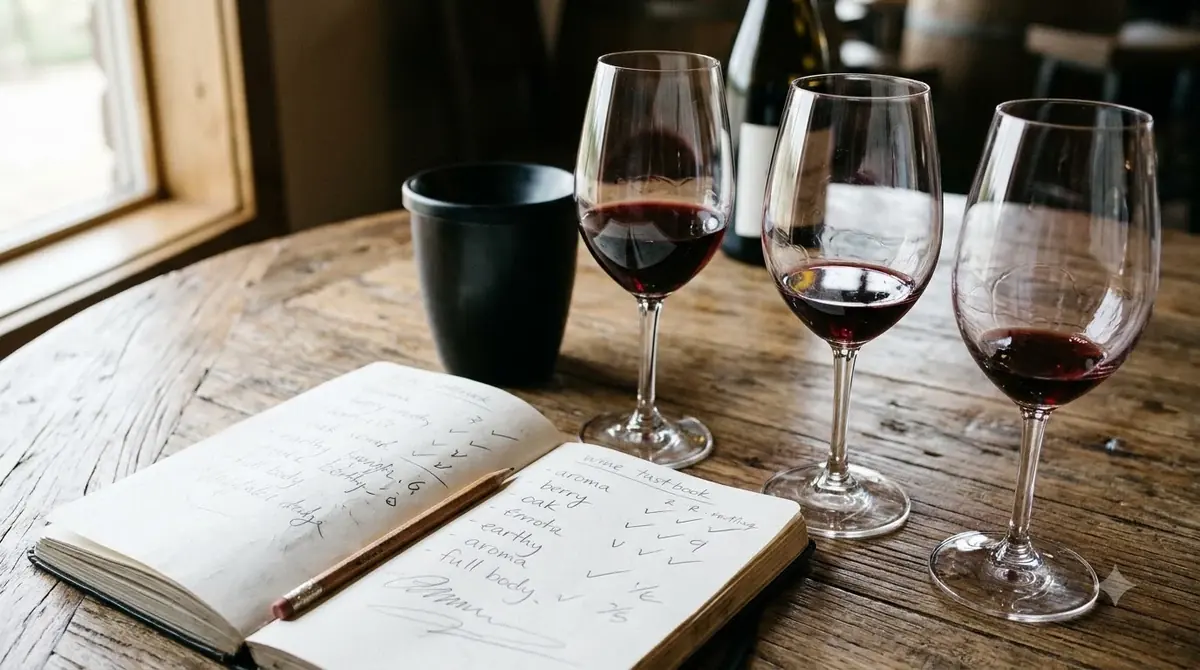
Pour a glass of single-varietal Grenache and the first wave of aroma usually recalls crushed strawberries, red raspberries, and tart pie cherries. As the wine opens with air, secondary notes of dried thyme, rosemary, and blood orange zest emerge. According to Wine Enthusiast’s varietal guide, white pepper is the single most reliable spice marker separating Grenache from other warm-climate reds.
Winemakers frequently ferment and age Grenache in neutral oak barrels, concrete tanks, or large seasoned foudres rather than new charred oak. Avoiding heavy new wood preserves the grape’s delicate floral lift and keeps its bright berry profile from turning heavy. In warmer regions like South Australia’s Barossa Valley or Spain’s Priorat, old bush vines concentrate the fruit into roasted plum and licorice, yet the core red-berry brightness remains intact.
Blackberry Jam and Baking Spice in Zinfandel
Zinfandel announces itself with louder, darker fruit tones: ripe blackberries, black cherries, boysenberries, and blueberry preserves. That signature jammy quality comes from how Zinfandel clusters grow on the vine. Each tight, cone-shaped bunch ripens unevenly, meaning a single cluster can hold green berries, perfectly ripe berries, and shriveled, raisined berries at harvest. Those raisined berries contribute concentrated dried-fruit richness alongside fresh berry snap.
Spice in Zinfandel skews warmer and darker than Grenache’s white pepper. Expect cracked black pepper, cinnamon stick, clove, and star anise, often reinforced by aging in American oak barrels that add vanilla, coconut, and mocha. In cooler California districts such as Sonoma’s Russian River Valley, Zinfandel dials back the jam and leans harder into brambly raspberry and cracked black pepper.
Body, Tannin, Alcohol, and Acidity Compared
Both wines deliver medium-plus to full body and raised alcohol, but Zinfandel generally packs slightly firmer tannins and heavier oak weight than Grenache. Understanding these structural building blocks explains why Grenache feels silkier while Zinfandel feels denser.
Tannin is where the two grapes part ways most noticeably on the tongue. According to the Lodi Winegrape Commission, Grenache belongs in the soft, restrained tannin tier alongside Pinot Noir and Cinsaut, which is why local growers often nickname it “Lodi’s Pinot Noir.” Zinfandel sits one tier higher in the moderate tannin category alongside Sangiovese and Tempranillo, giving it enough phenolic grip to stand up to charred meats without reaching the mouth-drying astringency of Cabernet Sauvignon.
Alcohol levels run high in both camps because both varieties accumulate sugar rapidly in warm sunshine. Dry red Zinfandels from California typically land between 14% and 16% ABV, and late-harvest or fortified Port-style bottlings can reach nearly 20% ABV. Grenache ranges from 13.5% to 15.5% ABV in most table wines, though hot-vintage Châteauneuf-du-Pape and Priorat reds regularly top 15% ABV. Despite similar numbers on the label, Grenache’s lower tannin makes its body feel rounder and lighter across the mid-palate.
Tip: High-alcohol reds taste hot and flabby when served at warm room temperature. Chill lighter, single-varietal Grenache to 55°F to 60°F—about 20 minutes in the refrigerator—and serve richer Grenache blends and Zinfandel between 60°F and 65°F so the fruit stays crisp and the alcohol stays tucked in.
Grape Origins, Synonyms, and Key Growing Regions
Grenache is a Spanish native that conquered southern France and the Mediterranean, whereas Zinfandel traces its genetic roots to Croatia before finding fame in Italy and California. Though unrelated, both grapes travel under multiple regional names that appear on wine labels worldwide.
Where Grenache (Garnacha and Cannonau) Thrives
Ampelographers trace Grenache to northeastern Spain’s Aragon region, where it is called Garnacha or Garnacha Tinta. Today, Spain remains a powerhouse for old-vine Garnacha, producing mineral-driven, age-worthy reds in Priorat alongside vibrant, value-priced single-varietal bottles in Calatayud, Campo de Borja, and Cariñena. Across the border in France’s Southern Rhône Valley, Grenache anchors Châteauneuf-du-Pape, Gigondas, and Vacqueyras, where its drought tolerance and sturdy wood withstand fierce Mistral winds.
In Southern Rhône blends—often labeled GSM—winemakers pair Grenache’s red fruit and alcohol with Syrah’s dark color and Mourvèdre’s savory structure. Further south in Sardinia, the exact same grape is bottled as Cannonau di Sardegna, offering a rustic, herbal profile. In the New World, old bush-vine plantings in Australia’s Barossa Valley and McLaren Vale and California’s Paso Robles showcase pure, unblended Grenache.
Where Zinfandel (Primitivo and Tribidrag) Thrives
For decades, Zinfandel’s origin was a mystery until DNA profiling at UC Davis proved it is genetically identical to southern Italy’s Primitivo and Croatia’s ancient Crljenak Kaštelanski (also called Tribidrag). Arriving in the United States in the 1820s and spreading rapidly across California during the 1849 Gold Rush, Zinfandel became California’s signature heritage grape, with many head-trained vineyards now exceeding 80 to 100 years of age.
Food Pairing: Matching Grenache and Zinfandel to Dinner
Grenache pairs best with herb-roasted meats, tomato-based dishes, and Mediterranean vegetables, whereas Zinfandel shines alongside smoky barbecue, sweet-savory glazes, and aged hard cheeses. Matching the wine’s fruit weight and spice profile to the cooking method keeps high alcohol from overwhelming the plate.
Best Food Pairings for Grenache
Grenache’s red-berry acidity, white pepper kick, and low tannin make it one of the most versatile dinner reds at the table. Because its tannins are soft, it will not clash with moderately delicate proteins or turn metallic next to herbs and tomatoes. Classic Southern Rhône matches include herb-crusted rack of lamb, ratatouille, roasted chicken with thyme and garlic, and grilled pork tenderloin.
In Spain, Garnacha is the natural partner for chorizo, patatas bravas, braised beef cheeks, and mushroom paella. When serving Grenache with spiced dishes, keep chili heat mild to moderate: high alcohol amplifies capsaicin burn on the palate, so fiery curries or hot wings will taste hotter alongside a 15% ABV bottle. Stick to warm aromatic spices like cumin, smoked paprika, and black pepper instead.
Best Food Pairings for Zinfandel
Zinfandel’s dark berry richness, baking spice, and moderate tannin are built for bold, smoky, and slightly sweet-savory dishes. Salt and fat soften tannin, making marbled meats and rich sauces taste smoother while keeping the wine’s fruit vibrant. Top pairings include slow-smoked pork ribs, pulled pork with tangy tomato barbecue sauce, grilled bacon cheeseburgers, and pepper-crusted tri-tip.
Zinfandel also excels with rich pasta dishes such as baked ziti with Italian sausage, wild boar ragù, and aged cheeses like sharp cheddar, aged Gouda, and Parmigiano-Reggiano. Like Grenache, high-alcohol Zinfandel clashes with heavy chili heat and oily fish such as salmon or mackerel, where moderate tannins and rich oak can leave a bitter aftertaste.
Serving, Decanting, and Cellaring Both Wines
Both wines taste best slightly cooler than warm room temperature, benefit from 30 to 60 minutes of air in their youth, and reward mid-term bottle aging in balanced vintages. Proper temperature control and storage keep their generous fruit fresh rather than baked.
Serving temperature makes a dramatic difference with high-ABV reds. Serve both medium-to-full-bodied Grenache and Zinfandel slightly below warm room temperature, at 60°F to 65°F. According to Wine Enthusiast, keeping red Zinfandel around 60°F to 65°F allows its blackberry aromas to open without letting alcohol dominate the nose. Young, concentrated bottles—especially structured Priorat Garnacha, Châteauneuf-du-Pape, or old-vine Napa and Sonoma Zinfandel—benefit from decanting for 30 to 60 minutes before pouring.
For storage, keep unopened bottles on their sides in a dark spot near 55°F so corks stay moist and sealed. Wine Enthusiast notes that typical red Zinfandels cellar gracefully for 5 to 7 years, while structured, balanced old-vine Zinfandels can develop complexity over a decade or more. Top Châteauneuf-du-Pape and Priorat Grenache blends reward mid-to-long-term cellaring, whereas everyday regional bottles are crafted for early drinking within a few years of vintage. Once opened, recork either wine tightly and store it in a cool, dark place or refrigerator to keep flavors fresh for several days.
How to Choose Between Grenache and Zinfandel
Pick Grenache when you want red-fruited brightness, herbal complexity, and a silky texture that works across lighter and medium-weight meals. Choose Zinfandel when you want dark berry jam, toasted oak spice, and richer body for smoky, hearty food.
Your own palate preferences provide the fastest shortcut at the wine shop. Drinkers who already enjoy Pinot Noir’s translucent color and gentle grip—and want to explore how those traits compare in a grenache vs pinot noir matchup—usually gravitate toward single-varietal Grenache or Côtes du Rhône blends. Conversely, fans of plush Australian Shiraz or bold Napa reds who want a closer look at shiraz vs zinfandel typically prefer Zinfandel’s darker fruit core and American oak spice.
Reading the regional origin on the front label also predicts style before you pull the cork. For a brighter, medium-bodied Grenache, look for Navarra, Campo de Borja, Côtes du Rhône, or Sardinia’s Cannonau; for full-bodied power, reach for Châteauneuf-du-Pape, Priorat, or Barossa Valley. For a fresher, pepper-driven Zinfandel, choose Sonoma’s Dry Creek Valley, Russian River Valley, or Italy’s Gioia del Colle Primitivo; for lush, jammy richness, choose Lodi, Paso Robles, or Primitivo di Manduria.
Frequently Asked Questions
Are Grenache and Zinfandel related to each other?
No, Grenache and Zinfandel are completely separate grape varieties with different genetic family trees. DNA research has shown that Zinfandel is identical to Croatia’s Tribidrag and Italy’s Primitivo, whereas Grenache originated in Spain’s Aragon region and is unrelated to Zinfandel.
Can Grenache and Zinfandel both be made into rosé or sweet wines?
Yes, both varieties are widely used beyond dry red table wine. Grenache’s thin skins make it a primary grape for dry rosé in Spain’s Navarra and France’s Tavel, as well as fortified sweet red wines like Banyuls and Maury, while Zinfandel is famously made into semi-sweet White Zinfandel rosé and Port-style fortified dessert wines.
How much Grenache or Zinfandel must be in a bottle labeled with the grape name?
Under U.S. Alcohol and Tobacco Tax and Trade Bureau (TTB) labeling regulations, a wine labeled with a single grape variety such as Grenache or Zinfandel must contain at least 75% of that grape. Winemakers frequently blend in small amounts of Syrah, Mourvèdre, Petite Sirah, or Carignan—often referred to as field blends in historic California vineyards—to add color and structure.
Is Italian Primitivo identical in taste to California Zinfandel?
While Primitivo and Zinfandel are genetically the exact same grape, regional climate and winemaking choices create subtle differences in the glass. California Zinfandel often sees more new American oak and displays brighter jammy berry fruit, whereas southern Italian Primitivo frequently shows earthier notes of dried fig, leather, and Mediterranean herbs.
Which wine is better for guests who dislike heavy, bitter red wines?
Grenache is usually the safer choice for guests who avoid astringent reds because its tannins sit in the lowest, softest tier among major red grapes. Its bright strawberry and raspberry flavors taste smooth and approachable even without heavy food on the table.
Both Grenache and Zinfandel prove that high-alcohol red wines can stay lively, expressive, and food-friendly when matched to the right dish and served slightly cool. Keep Grenache on hand for herb-roasted meats and savory weeknight dinners, and reach for Zinfandel whenever smoky barbecue or rich, aged cheeses are on the menu.
More in Wine vs Wine
 Chenin Blanc vs Pinot Gris: Acidity, Body, and Pairing DifferencesUpdated Nov 20, 2026
 Chianti vs Lambrusco: How Tuscany and Emilia-Romagna Reds CompareUpdated Nov 20, 2026
 Chianti vs Primitivo: Key Differences in Taste, Body, and PairingUpdated Nov 20, 2026
 Chianti vs Rioja: Key Differences in Taste, Aging, and PairingUpdated Nov 20, 2026
 Chianti vs Shiraz: How Acidity, Body, and Food Pairings CompareUpdated Nov 20, 2026
 Chianti vs Syrah: Key Differences in Taste, Body, and Food PairingUpdated Nov 20, 2026