

We may earn a commission when you buy through links on this page, at no extra cost to you. Learn more.
Comparing chenin blanc vs pinot gris comes down to sharp, mouthwatering acidity versus plush, full-bodied texture. Chenin Blanc delivers brisk green apple, quince, and honeyed notes backed by high natural acidity, while Pinot Gris offers richer stone fruit, spice, and a rounder mouthfeel with lower to moderate acidity. Both grapes span bone-dry to sweet dessert styles depending on where and how they are made.
Standing in the white wine aisle, shoppers often treat these two French-rooted grapes as interchangeable backups for Chardonnay or Sauvignon Blanc. In the glass, however, they behave very differently alongside food, respond differently to cellar aging, and reward distinct serving temperatures.
Core Differences Between Chenin Blanc and Pinot Gris
Chenin Blanc is a high-acid, sharp-edged white grape capable of taut dry whites, sparkling wines, and age-worthy sweet bottles, whereas Pinot Gris is a pinkish-gray-skinned Pinot Noir mutation prized for broad texture, orchard fruit, and gentle spice. Knowing how their acid structure, alcohol weight, and phenolic grip diverge makes choosing between them straightforward.
| Trait | Chenin Blanc | Pinot Gris |
|---|---|---|
| Grape Family & Skin Color | Independent Loire variety; green-yellow skins | Pinkish-gray mutation of Pinot Noir |
| Typical Acidity | High (tartaric and malic drive) | Low to moderate (drops quickly if picked late) |
| Body & Texture | Light-medium to medium-full; crisp, waxy, or chalky | Medium to full; plush, oily, rounded |
| Core Fruit & Aromas | Quince, yellow apple, pear, honeysuckle, chamomile | Ripe pear, apricot, peach, baking spice, beeswax |
| Sweetness Spectrum | Bone-dry (Sec) to botrytized sweet | Dry to off-dry and late-harvest sweet |
| Benchmark Regions | Loire Valley (France), Stellenbosch & Swartland (South Africa) | Alsace (France), Willamette Valley (Oregon) |
| Ideal Serving Temp | 45–50°F (dry/light) or 50–55°F (oaked/full) | 45–50°F (crisp Oregon) or 50–55°F (rich Alsace) |
The biggest structural divide is acidity. Chenin Blanc holds onto tartaric and malic acid even in warm growing seasons, giving a dry bottle from Vouvray or Stellenbosch a tingling, salivating finish. Pinot Gris sheds acid rapidly during the final days of ripening; Alsace winemaker Thierry Kientzler of Domaine Kientzler notes that the grape can gain one full degree of potential alcohol in a single day while losing freshness.
Skin pigmentation also shapes how each wine feels on the palate. Because Pinot Gris carries pinkish-gray skins inherited from Pinot Noir, gentle pressing or brief skin contact extracts subtle phenolic grip and weight. Alsace producer André Ostertag describes Pinot Gris as the white grape closest to red wine in physical presence, whereas Chenin Blanc relies on bright acidity and mineral tension rather than phenolic heft to carry flavors.
Flavor Profiles, Aromas, and Winemaking Styles
Chenin Blanc shifts from snappy green apple and chamomile in cool stainless-steel fermentations to baked quince, brioche, and lanolin when fermented in oak barrels. Pinot Gris leans toward ripe yellow pear, white peach, ginger, and toasted almond, gaining smoky, honeyed depth in sunny regions.
Winemakers shape both grapes across a wide stylistic spectrum using vessel choice and lees aging. In South Africa, where VinePair notes more than 50 percent of global Chenin Blanc vineyards are planted under the historic name Steen, cool stainless-steel fermentation produces snappy, peardrop-scented dry whites. Conversely, fermenting old-vine Chenin Blanc in 400- to 600-liter French oak barrels builds a creamy, pastry-like texture without masking the grape’s signature citrus and quince backbone.
Pinot Gris reacts just as dramatically to cellar decisions. In Oregon’s Willamette Valley, producers like Eyrie Vineyards craft balanced, fruit-driven styles showing summer pear, white blossom, and bright acidity. In Alsace, extended autumn hang time produces fuller, off-dry bottles layered with beeswax, dried apricot, and white pepper. Some Oregon winemakers, including Antiquum Farm and Ltd+ Wines, even ferment Pinot Gris on its tinted skins to create coppery-pink or light-red wines bursting with candied citrus and savory earth.
Tip: Do not confuse rich, textured Pinot Gris with crisp Italian Pinot Grigio. Although both names refer to the exact same grape, Italian bottles are typically harvested earlier for light, citrusy refreshment—a contrast explored further in our chenin blanc vs pinot grigio breakdown.
Key Wine Regions for Chenin Blanc and Pinot Gris
France’s Loire Valley and South Africa’s Western Cape define the benchmark styles of Chenin Blanc, while northeastern France’s Alsace and Oregon’s Willamette Valley set the global standard for Pinot Gris. Climate and soil in each region directly control whether the bottle in hand tastes lean and stony or lush and honeyed.
Loire Valley and South Africa for Chenin Blanc
Records in France’s Loire Valley trace Chenin Blanc back to the ninth century, where cool Atlantic breezes and limestone tuffeau or slate soils produce mineral-driven dry wines in Savennières, Anjou, and Vouvray. Across the equator, Dutch navigator Jan Van Riebeeck brought Chenin Blanc cuttings to Cape Town in 1655, planting the seed for South Africa’s most widely grown white grape. Old bush vines in Swartland and Stellenbosch yield concentrated dry wines that balance ripe tropical melon and yellow peach against brisk natural acidity.
Alsace and Willamette Valley for Pinot Gris
Cultivated in Alsace since at least the 16th century, Pinot Gris thrives in the rain shadow of the Vosges Mountains, where dry, sunny autumns allow slow flavor accumulation on limestone, granite, and volcanic slopes. Across the Atlantic, David Lett planted Oregon’s first Pinot Gris vines at Eyrie Vineyards in the Dundee Hills AVA in the 1960s. Oregon’s cooler, marine-influenced Willamette Valley yields Pinot Gris with brighter acidity and cleaner orchard-fruit purity than typical Alsatian bottlings.
Sweetness Levels and How to Decode the Label
Both Chenin Blanc and Pinot Gris appear in bone-dry, off-dry, and intensely sweet dessert styles, making label terminology essential before buying. Checking regional sweetness designations and alcohol percentages prevents pouring a sweet wine alongside a savory main course.
On Loire Valley Chenin Blanc labels, French terms signal residual sugar clearly: Sec indicates a dry wine, Demi-Sec denotes noticeable off-dry sweetness, and Moelleux or Doux signifies rich dessert sweetness. Appellations along the Layon River such as Quarts de Chaume and Bonnezeaux specialize in botrytis-affected sweet Chenin Blanc with flavors of barley sugar, marmalade, and candied ginger. Sparkling Chenin Blanc from Vouvray or Crémant de Loire follows traditional Champagne-style bottle aging for at least nine months on the lees and uses standard Brut to Demi-Sec sweetness tiers.
Alsatian Pinot Gris uses different cues on the bottle. Standard Alsace Pinot Gris often carries a subtle touch of residual sugar (frequently 6 to 15 grams per liter) unless the back label specifies dry, while bottles marked Vendanges Tardives are late-harvest sweet wines and Sélection de Grains Nobles are rich, botrytis-concentrated dessert wines. By contrast, American Pinot Gris from Oregon or California almost always ferments completely dry around 12.5 to 13.5 percent ABV, offering shoppers a reliable dry choice without guesswork—much like comparing chenin blanc vs pinot blanc when hunting for crisp dinner whites.
Food Pairing Strategies for Chenin Blanc and Pinot Gris
Chenin Blanc shines alongside tangy, rich, or mildly spicy dishes because its sharp acidity cuts through fat and refreshes the palate, whereas Pinot Gris excels with creamy sauces, roasted meats, and earthy ingredients that match its plush body. Matching the wine’s acid level and sweetness to the plate prevents either the food or the wine from tasting flat.
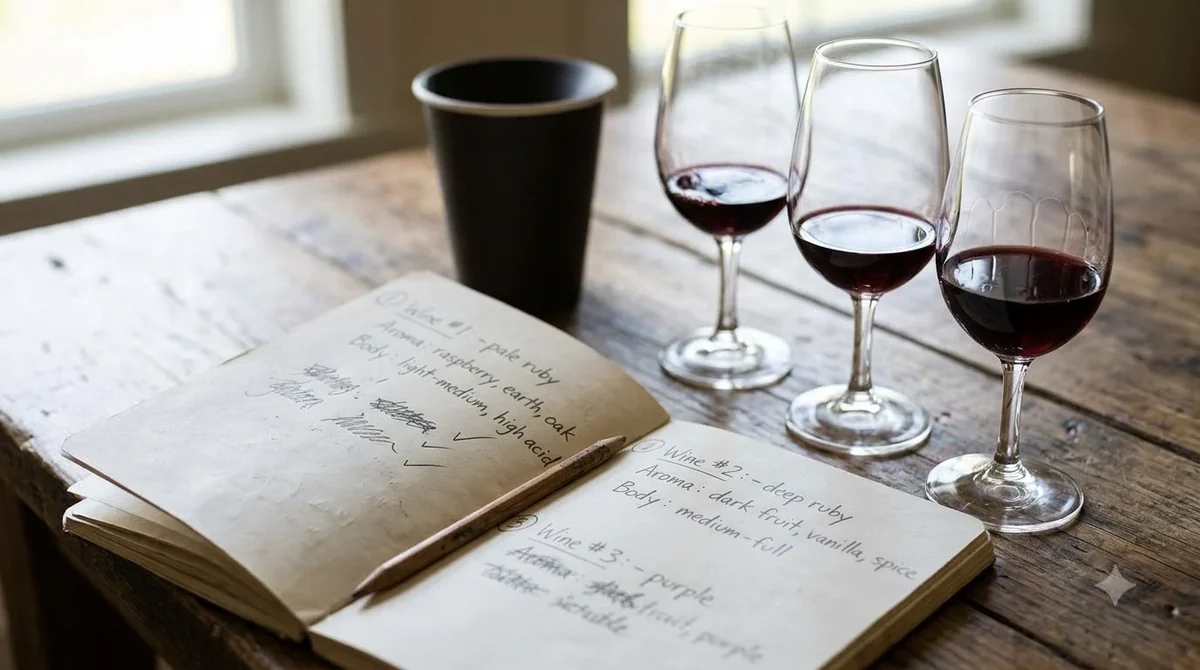
Because acidic foods require a wine with equal or higher acidity, dry Chenin Blanc from Vouvray or Swartland pairs smoothly with goat cheese salads, lemon-herb roast chicken, pork tenderloin with apple compote, and butter-poached shellfish. Off-dry Demi-Sec Chenin Blanc is a standout partner for Thai green curry, Sichuan dishes, and glazed ham, because its residual sugar calms chili heat while its high acidity keeps sweet sauces from feeling heavy. Sparkling Vouvray Brut also handles fried calamari, salty aged cheeses, and rich brunch dishes with crisp precision.
Pinot Gris brings heavier mouth-coating weight and subtle spice that stand up to dishes capable of overwhelming lighter whites. As Wine Enthusiast notes in its guide to Alsace Pinot Gris, the grape’s phenolic richness bridges the gap between white and red wine at the table, making it ideal for roast pork belly, seared duck breast, wild mushroom risotto, and salmon in cream sauce. Skin-contact Oregon Pinot Gris from producers like Big Table Farm adds gentle tannic grip and savory umami depth that complement charcuterie boards, roasted root vegetables, and grilled cedar-plank salmon.
Serving Temperature, Glassware, and Cellar Aging
Light, crisp bottles of Chenin Blanc and Pinot Gris taste best chilled to 45–50°F, while full-bodied, barrel-fermented, or off-dry styles open up more aromatic complexity at 50–55°F. Both grapes also offer surprising cellar potential when sourced from top sites, evolving honeyed, nutty, and caramelized nuances over a decade or more.
Serving either grape straight from a 38°F kitchen refrigerator mutes its orchard fruit and spice aromas. Pulling a bottle from the fridge 15 to 20 minutes before pouring—or storing it in a wine cooler set near 50°F for richer Alsace or oaked South African bottles—allows layered notes of quince, beeswax, and toasted almond to emerge. Standard universal white wine glasses work well for brisk, stainless-steel bottlings, while a slightly wider Chardonnay-style bowl gives barrel-fermented Chenin Blanc and full-bodied Pinot Gris room to breathe. Once opened, recorked bottles keep fresh in the refrigerator for 3 to 5 days, while sparkling Chenin Blanc holds its bubbles for 1 to 3 days with a proper Champagne stopper.
While everyday bottles are crafted for immediate enjoyment within 1 to 3 years of harvest, top examples reward patience in a cool, dark cellar held around 55°F with bottles stored on their sides. Dry Savennières and sweet Quarts de Chaume Chenin Blanc routinely age for 15 to 30 years, trading bright green apple for saffron, marzipan, and toasted hazelnut. Pinot Gris also ages gracefully: according to Decanter’s tasting coverage of Oregon benchmarks, library vintages of Eyrie Vineyards Pinot Gris dating back to 1982 develop caramelized white fruit richness while retaining vibrant acidity, and Alsace Sélection de Grains Nobles bottles benefit from at least eight years of bottle rest.
How to Choose Between Chenin Blanc and Pinot Gris
Pick Chenin Blanc when craving electric acidity, citrus-and-quince brightness, or versatility across sparkling and off-dry styles; choose Pinot Gris when wanting a rounder, lower-acid white wine with stone fruit, warm spice, and fuller texture. A quick look at the menu and personal palate preference settles the decision in seconds.
- Choose dry Chenin Blanc for seafood, tangy cheeses, vinaigrette salads, or drinkers who love crisp Sauvignon Blanc and Riesling styles.
- Choose off-dry Chenin Blanc (Demi-Sec) for spicy Asian takeout, glazed pork, or fruit-based desserts where lively acidity keeps sweetness balanced.
- Choose Oregon Pinot Gris for a dry, approachable dinner white with ripe pear, bright freshness, and clean orchard fruit at 12.5 to 13.5 percent ABV.
- Choose Alsace Pinot Gris for creamy poultry dishes, mushrooms, pork roast, or autumn meals that call for lush texture and subtle ginger-and-honey warmth.
Shoppers still deciding between crisp, aromatic whites can also compare pinot blanc vs sauvignon blanc or browse the full Wine vs Wine series to see how other classic grapes stack up side by side.
Frequently Asked Questions
Are Pinot Gris and Pinot Grigio the exact same grape?
Yes, Pinot Gris and Pinot Grigio are genetically identical; both names refer to the exact same pinkish-gray mutation of Pinot Noir. Winemakers typically use “Pinot Grigio” for crisp, light, high-acid Italian-style whites harvested early, and “Pinot Gris” for fuller, richer wines modeled on Alsace or Oregon styles.
Which wine has higher alcohol, Chenin Blanc or Pinot Gris?
Pinot Gris generally finishes with higher alcohol than Chenin Blanc because its grapes accumulate sugar rapidly late in ripening. Dry Alsace Pinot Gris often finishes around 13.5 to 14.5 percent ABV, whereas dry Loire Valley Chenin Blanc commonly falls between 12 and 13.5 percent ABV.
Is Chenin Blanc or Pinot Gris ever fermented in oak barrels?
Both grapes can be fermented or aged in oak, though winemakers most often use neutral or large-format barrels rather than heavy new oak. In South Africa’s Swartland and France’s Savennières, fermenting Chenin Blanc in older, large-format French oak barrels adds creamy lees texture without overpowering its mineral acidity.
What is South African Steen wine?
Steen is the traditional South African name for Chenin Blanc, used for centuries after Dutch settlers first planted vines at the Cape in the mid-seventeenth century. Today, South African producers bottle dry, barrel-fermented, and traditional-method Cap Classique sparkling wines under both the Chenin Blanc and historic Steen names.
Can Pinot Gris be used to make orange or skin-contact wine?
Yes, Pinot Gris is one of the most popular grapes for skin-contact winemaking because its naturally pinkish-gray skins impart a coppery-rose or light ruby hue. Fermenting the juice on the skins for several days to weeks extracts floral aromatics, tea-like tannins, and savory umami notes.
Understanding the contrast in chenin blanc vs pinot gris makes shopping for white wine far more predictable, whether stocking a cellar or pairing tonight’s dinner. Reach for Chenin Blanc whenever a meal calls for mouthwatering acidity and brisk citrus-quince energy, and turn to Pinot Gris when the occasion calls for silky weight, ripe stone fruit, and comforting spice.
More in Wine vs Wine
 Chianti vs Lambrusco: How Tuscany and Emilia-Romagna Reds CompareUpdated Nov 20, 2026
 Chianti vs Primitivo: Key Differences in Taste, Body, and PairingUpdated Nov 20, 2026
 Chianti vs Rioja: Key Differences in Taste, Aging, and PairingUpdated Nov 20, 2026
 Chianti vs Shiraz: How Acidity, Body, and Food Pairings CompareUpdated Nov 20, 2026
 Chianti vs Syrah: Key Differences in Taste, Body, and Food PairingUpdated Nov 20, 2026
 Chianti vs Tempranillo: Taste, Tannins, and Food Pairing ComparedUpdated Nov 20, 2026