

We may earn a commission when you buy through links on this page, at no extra cost to you. Learn more.
The clearest difference in pinot blanc vs sauvignon blanc is that Pinot Blanc is usually softer, rounder, and more restrained, while Sauvignon Blanc is brighter, more aromatic, and higher in acidity. Pinot Blanc commonly shows apple, pear, peach, and gentle floral notes; Sauvignon Blanc often brings grapefruit, lime, gooseberry, grass, and bell pepper. Choose Pinot Blanc for a quiet, flexible white wine, and Sauvignon Blanc when you want vivid freshness and a more pronounced flavor profile.
Both grapes can make dry, refreshing white wines, but they offer different kinds of refreshment. The best choice depends on the meal, how much acidity you enjoy, and whether you prefer subtle fruit or assertive aromas. Region and winemaking matter, too: a ripe, oak-influenced Sauvignon Blanc can feel very different from a lean Sancerre, just as an Alpine Pinot Bianco can have more lift than a mellow Alsace bottling.
The essential differences at a glance
Pinot Blanc is generally the gentler choice, with medium acidity, light to medium body, and fruit that stays close to apple and pear. Sauvignon Blanc is usually more sharply defined, with high acidity and expressive green, citrus, or tropical aromas.

The contrast is not simply “mild” versus “strong.” Pinot Blanc can gain weight from lees contact or oak, and Sauvignon Blanc can be restrained in a cool site such as Sancerre. The typical profiles below are a useful starting point when choosing from a wine list or shop shelf.
| What to compare | Pinot Blanc | Sauvignon Blanc |
|---|---|---|
| Typical acidity | Medium; rounded and balanced | High; crisp and mouthwatering |
| Body | Light to medium, sometimes broader with lees or oak | Light to medium in many styles; fuller in some oak-aged examples |
| Common aromas | Apple, pear, peach, white flowers, almond | Grapefruit, lime, gooseberry, grass, herbs, bell pepper |
| Flavor impression | Subtle, gently fruity, sometimes creamy or nutty | Vivid, citrusy, herbal, sometimes tropical or mineral |
| Typical serving range | 45–50°F for a light style; 50–55°F for a fuller version | 45–50°F for a crisp style; 50–55°F for a fuller, oak-influenced wine |
| A practical bottle measure | 750 ml bottle; about five 5-oz pours | 750 ml bottle; about five 5-oz pours |
Use the table as a profile guide, not a promise about every bottle. A cool-climate Sauvignon Blanc may be lean and mineral rather than tropical, while a richer Pinot Blanc can have a generous mid-palate. If acidity is your main concern, Sauvignon Blanc is the more reliable choice for a sharp edge; Pinot Blanc is the safer bet for a softer feel.
Taste, aroma, and texture
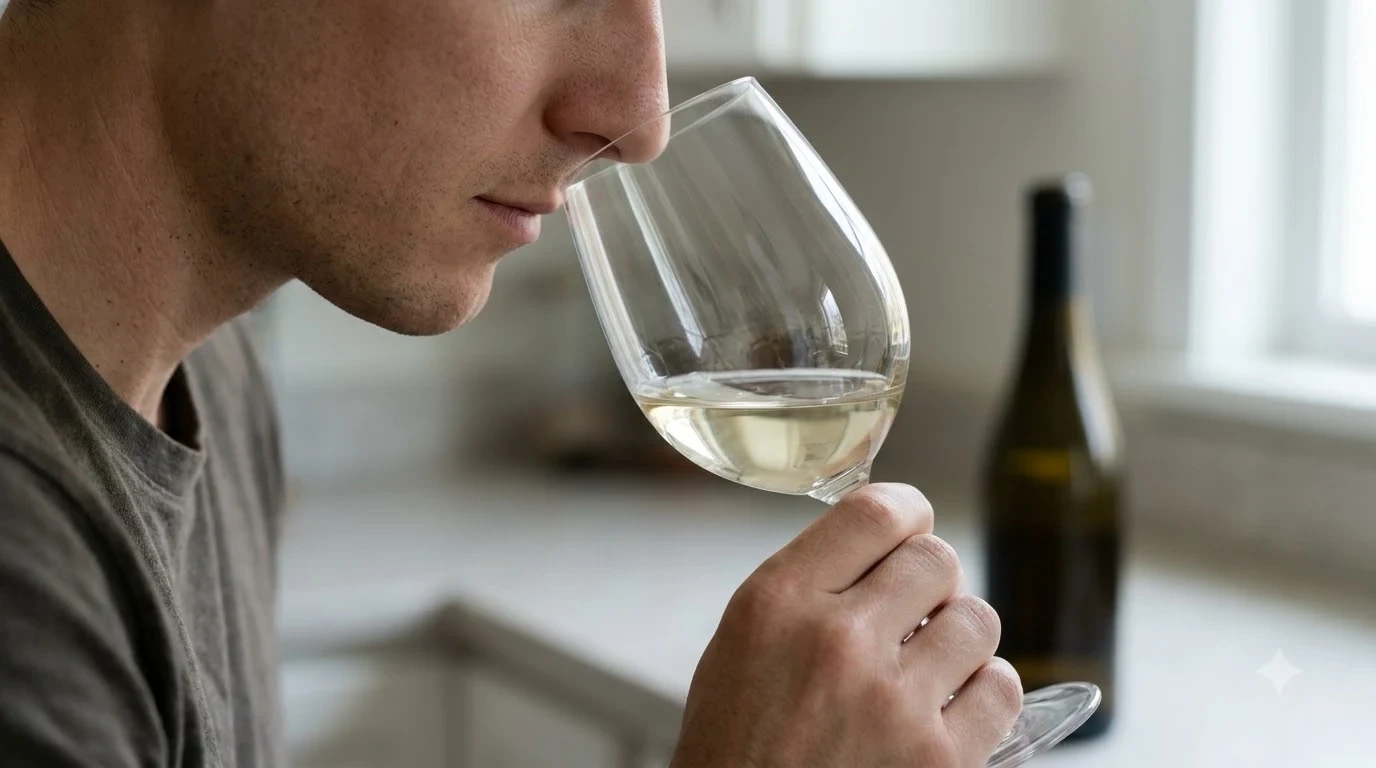
Pinot Blanc usually tastes clean, mild, and gently fruity, with apple, pear, peach, and delicate floral notes. Sauvignon Blanc has a more immediately recognizable aromatic signature, ranging from cut grass and green pepper to grapefruit, gooseberry, passion fruit, and guava.
The Alsace wine council describes Pinot Blanc d’Alsace as pale yellow, fresh, subtly fruity, and balanced by measured acidity. Its profile can include apple, peach, and floral nuances without the pungent intensity associated with some Sauvignon Blancs. The wine often feels supple and easy to pair, with fruit more apparent than perfume; in some examples, gentle almond or lees notes add a little depth.
Sauvignon Blanc gets much of its distinctive green character from aromatic compounds called pyrazines. Wine Enthusiast’s guide to Sauvignon Blanc explains that cool growing conditions or earlier picking preserve stronger herbal notes, while warmer climates or later picking shift the profile toward ripe grapefruit, passion fruit, and guava. This is why a New Zealand bottling may smell of cut grass and citrus, while a warmer-climate version may feel juicier and more tropical.
Texture is a useful second clue. A basic Pinot Blanc can feel rounded rather than sharply angular, especially when Auxerrois is part of an Alsace blend. Sauvignon Blanc often has a more direct attack: acidity arrives early, lifts the citrus flavors, and leaves a clean finish. Both are commonly dry, although a small amount of residual sugar can soften the impression without removing a wine’s fruit aromas. Winemaking can blur the distinction: stainless steel generally preserves Sauvignon Blanc’s crisp fruit and aromatic clarity, while oak can add vanilla, clove, smoke, and a broader texture. Pinot Blanc may spend time on its lees, gaining a creamier feel or subtle bread-and-nut notes. If you like Sauvignon Blanc’s freshness but want more weight, look for an oak-influenced example; if you like Pinot Blanc’s softness but want more definition, seek a cool-climate bottling with a fresh finish.
Regions and winemaking styles
Pinot Blanc is especially associated with Alsace in France and Alto Adige in northern Italy; it may also appear as Weissburgunder in German-speaking regions. Sauvignon Blanc’s best-known reference points include Sancerre and Pouilly-Fumé in France, Marlborough in New Zealand, and regions in Chile, California, and Bordeaux.
In Alsace, Pinot Blanc is often a fresh, dry, approachable wine. An Alsace wine named Pinot Blanc may include Auxerrois, a separate grape that adds roundness; the Vins d’Alsace Pinot Blanc profile notes that these blends may be labeled Pinot Blanc or Pinot. The designation can describe a regional style rather than guarantee a wine made only from Pinot Blanc. Alto Adige, also called South Tyrol, gives Pinot Bianco a different expression: the region’s wine organization describes local examples with apple, pear, lemon, hazelnut, and hay-flower notes. Its Alpine setting can support a lively, refined style, so look for Pinot Bianco from Alto Adige when you want aromatic lift while keeping Pinot Blanc’s measured character.
Sauvignon Blanc varies widely by origin. Sancerre and Pouilly-Fumé in the Loire Valley are typically dry, high in acidity, and marked by green apple, grass, and mineral notes. Marlborough often leans toward pungent herbs, gooseberry, and tropical fruit. In Chile’s Casablanca Valley, cool ocean influence can preserve freshness, while warmer Napa Valley sites can produce riper, fuller wines, sometimes with oak. In Bordeaux, Sauvignon Blanc is often blended with Sémillon, and some top white wines are fermented or aged in barrels.
Production choices also affect aroma. The Wine & Spirit Education Trust explains that Sauvignon Blanc growers can manage canopy exposure to adjust green aromas: shaded grapes retain more of the compound associated with bell pepper, while sun-exposed grapes develop less. In the cellar, stainless steel tends to protect fruity aromas; oak can add spice, smoke, honey, and nutty notes. For another comparison with a strong regional personality, see Grüner Veltliner vs Sauvignon Blanc.
Acidity, sweetness, and alcohol
Acidity is the most dependable structural difference: Pinot Blanc is usually medium in acidity, while Sauvignon Blanc is high in acidity. Both are commonly dry, but Sauvignon Blanc’s sharper freshness can make it seem even drier, whereas Pinot Blanc’s softer shape gives an impression of roundness.
Acidity is the mouthwatering sensation that keeps a white wine lively, especially with food; it is not the same as sweetness. A high-acid Sauvignon Blanc can refresh the palate after fried fish or creamy goat cheese. Pinot Blanc generally feels less pointed, which can suit dishes that would be overshadowed by a very aromatic or sharply acidic wine.
Most everyday examples of both grapes are dry. Sauvignon Blanc also appears in sweet Bordeaux wines such as Sauternes, usually blended with Sémillon and sometimes Muscadelle; late-harvest grapes affected by Botrytis can concentrate sugar and flavor. A sweet Pinot Blanc is less typical as a default expectation, so use the sweetness wording on the label when choosing a bottle for dessert. Alcohol changes how a wine feels: Wine Enthusiast gives a broad 12.5–14% ABV range for Sauvignon Blanc, with climate affecting the result; riper, warmer-climate examples can feel fuller and warmer than lean Loire wines. Pinot Blanc alcohol varies by region, ripeness, and cellar decisions, so compare individual bottles rather than assuming one fixed strength.
For food, acidic dishes need a wine with equal or higher acidity, or the wine can taste flat beside the food. Sauvignon Blanc is usually the stronger match for lemon-forward sauces, vinaigrette, and tangy goat cheese. Pinot Blanc works better when a dish is gently seasoned and creamy rather than sharply acidic. To compare two other whites on freshness and body, read Chenin Blanc vs Pinot Grigio.
Food pairings for everyday meals
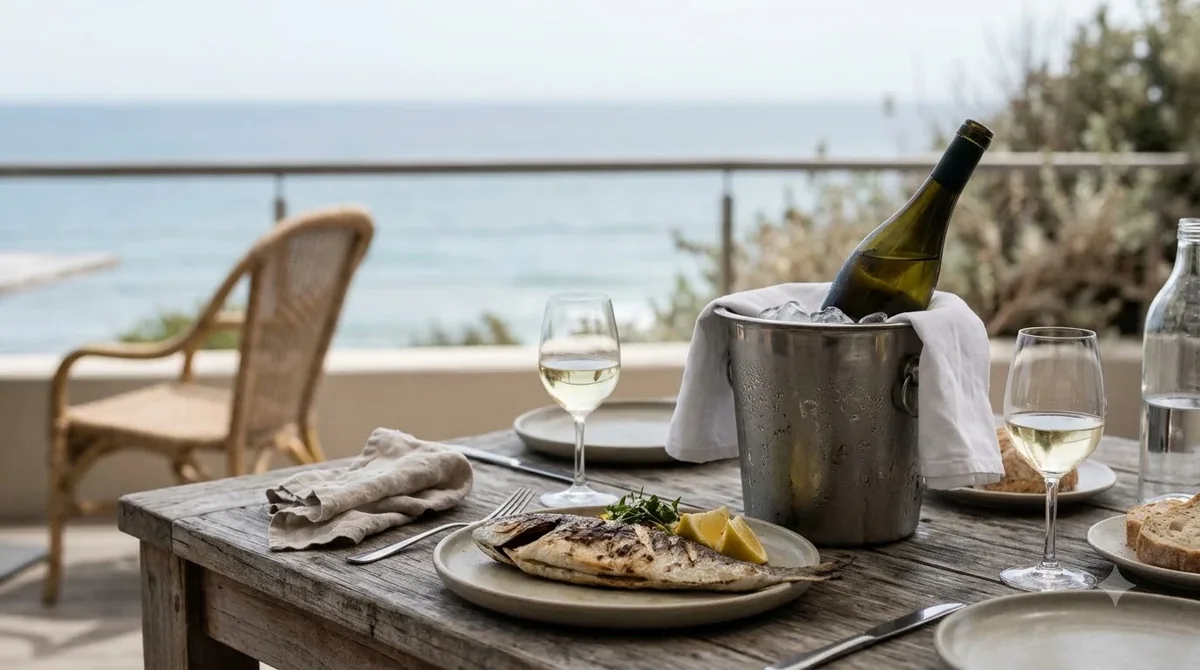
Pinot Blanc is the more flexible, low-key food wine, especially with chicken, eggs, mild cheeses, salads, and simply prepared fish. Sauvignon Blanc is a natural fit for goat cheese, oysters, shellfish, green vegetables, herbs, and dishes with citrus or other bright flavors.
For Pinot Blanc, choose dishes that benefit from freshness without demanding a forceful wine. Roast chicken, turkey, pork tenderloin, quiche, omelets, onion tart, and grilled white fish all work well. The Alsace wine body specifically points to gently cooked white meats, lightly grilled fish, mixed salads, egg dishes, and young milky cheeses such as Tomme or Saint-Nectaire. These foods let Pinot Blanc’s apple, pear, and peach notes remain in view.
Sauvignon Blanc is especially useful when the plate has green or tangy elements. Try Sancerre with chèvre, oysters, trout, cod, or halibut. Pair herbal Marlborough styles with asparagus, green beans, parsley, mint, basil, and citrus-dressed salads. Grilled shrimp with lime, ceviche, sushi, and fish tacos can also suit a crisp, high-acid style. The wine’s freshness can refresh the palate between bites, while its herbal notes echo the seasonings.
Consider the sauce before choosing the grape. A delicate cream sauce, roasted poultry, or egg-based dish often works more smoothly with Pinot Blanc. Lemon butter, herb vinaigrette, salsa verde, or a tangy goat-cheese dressing often makes Sauvignon Blanc the better partner. For rich fried foods, Sauvignon Blanc’s acidity can be useful, but alcohol can amplify chili heat. Neither of these white grapes is notably tannic, so alcohol and spice are the more relevant concerns. There are exceptions: a richer, oak-influenced Sauvignon Blanc can handle grilled white meat and creamier sauces, while a lively Alto Adige Pinot Bianco can work with herb-roasted vegetables and seafood. Match the weight and intensity of the wine to the food rather than relying only on the grape name. For a contrasting red-and-white comparison, Pinot Noir vs Sauvignon Blanc explains how a low-to-medium-tannin red changes the pairing equation.
Serving temperature, storage, and choosing a bottle
Serve most light, unoaked Pinot Blanc and Sauvignon Blanc at 45–50°F so they stay refreshing without losing their aromas. Give fuller, oak-influenced examples a little more warmth—about 50–55°F—to let their texture and layered flavors show.
A bottle straight from a very cold refrigerator can seem muted, especially if its aromas are subtle. Take it out shortly before pouring and let it warm gradually in the glass. If Sauvignon Blanc smells muted, it may simply be too cold; if its alcohol feels hot and its acidity seems slack, it may be too warm. Start cool and adjust rather than serving every white at the same temperature. Use a standard white-wine glass with enough room to swirl gently; a 750 ml bottle yields about five 5-ounce pours, and there is no need to decant most young Pinot Blanc or Sauvignon Blanc.
Keep unopened bottles in a cool, dark place away from temperature swings; for longer storage, lay cork-finished bottles on their sides and aim for a cellar close to 55°F. Most fresh, aromatic Sauvignon Blanc is intended to be enjoyed young, and many straightforward Pinot Blanc bottlings are also best while their fruit is fresh. More concentrated or oak-influenced examples may develop additional texture, but neither grape should be assumed to improve for decades. After opening, replace the closure and refrigerate the bottle; still wines generally keep for about 3–5 days, although delicate aromas fade over time.
Tip: When choosing between unfamiliar bottles, use the region as your shortcut: try Alsace or Alto Adige for Pinot Blanc, and Sancerre, Marlborough, or Casablanca Valley for contrasting Sauvignon Blanc styles. Then compare acidity and aroma rather than relying on the grape name alone.
Label clues can refine the decision. “Fumé Blanc” is a name used for Sauvignon Blanc, particularly in the United States, while “Pinot Bianco” on an Italian bottle means Pinot Blanc and “Weissburgunder” is common in German-speaking regions. These names help identify the grape when the front label does not use the French wording. Start with the meal: choose Pinot Blanc for a broad range of mild dishes or for guests who prefer moderate acidity; choose Sauvignon Blanc when you want an assertive, refreshing wine beside herbs, shellfish, crisp vegetables, or citrus dressing. The Wine vs Wine library applies the same practical criteria to other grape comparisons.
Frequently Asked Questions
These final details clarify grape-family relationships, vineyard features, and a few less obvious label terms that can appear on white-wine bottles.
Is Pinot Blanc related to Pinot Noir?
Yes. Pinot Blanc is a white-berried mutation within the Pinot family, and Pinot Noir is another member of that family. The Alsace wine council identifies Pinot Blanc as a white variety of Pinot Noir, distinguished from Chardonnay in 1896.
What do Pinot Blanc grape clusters look like?
The Alsace wine council describes the bunches as rather small, cylindrical, and compact. Individual berries are small and spherical to almost oval, a useful field distinction from the appearance of many other white-grape bunches.
Is Sauvignon Blanc related to Cabernet Sauvignon?
Yes. Sauvignon Blanc is one of Cabernet Sauvignon’s parent varieties, alongside Cabernet Franc. Their connection comes from a natural crossing that occurred in France centuries ago.
What does the name Sauvignon Blanc mean?
The name is believed to come from the French word “sauvage,” meaning wild. The WSET explains that the name may refer to the vine leaves’ resemblance to those of wild grapevines.
What other names are used for Sauvignon Blanc?
In Germany, Sauvignon Blanc has been called Feigentraube, while Muskat-Silvaner is a synonym used in Austria. In California, Fumé Blanc is another name for the same grape, not a separate variety.
For a softer, subtly fruity white that works across a wide range of meals, start with Pinot Blanc. For more pronounced aromas, sharper acidity, and a strong match for herbs or seafood, reach for Sauvignon Blanc. Tasting examples from two different regions is a useful way to discover which style suits your palate.
More in Wine vs Wine
 Nero d’Avola vs Pinot Noir: Taste, Body, and Pairing DifferencesUpdated Nov 21, 2026
 Chenin Blanc vs Pinot Blanc: Key Differences in Taste, Acidity, and PairingsUpdated Nov 21, 2026
 Chardonnay vs Shiraz: Key Differences in Taste, Serving, and PairingUpdated Nov 21, 2026
 Chardonnay vs Verdejo: How Spain’s Crisp White Compares to the World’s ChameleonUpdated Nov 21, 2026
 Chardonnay vs Sancerre: Key Differences in Taste, Grapes, and PairingUpdated Nov 21, 2026
 Chardonnay vs Malbec: Key Differences in Taste, Body, and PairingUpdated Nov 21, 2026