

We may earn a commission when you buy through links on this page, at no extra cost to you. Learn more.
Pinot blanc wine is a dry white wine made from a white mutation of the Pinot Noir grape. It has a light body, medium acidity, and no tannins, with flavors of pear, peach, raw almond, and lemon zest. Most bottles come from Germany and northern Italy, where the grape is known as Weissburgunder and Pinot Bianco. It is best served chilled and pairs well with soft cheeses, cream-dressed salads, and delicate fish.
Pinot blanc is one of those white wines that many drinkers have tasted without knowing its name. It sits between crisp, high-acid whites and richer, oak-aged styles, which makes it easy to recommend for a wide range of meals. This guide covers what the grape tastes like, where it grows, how to serve it, and what to look for on the label.
What Pinot Blanc Wine Is
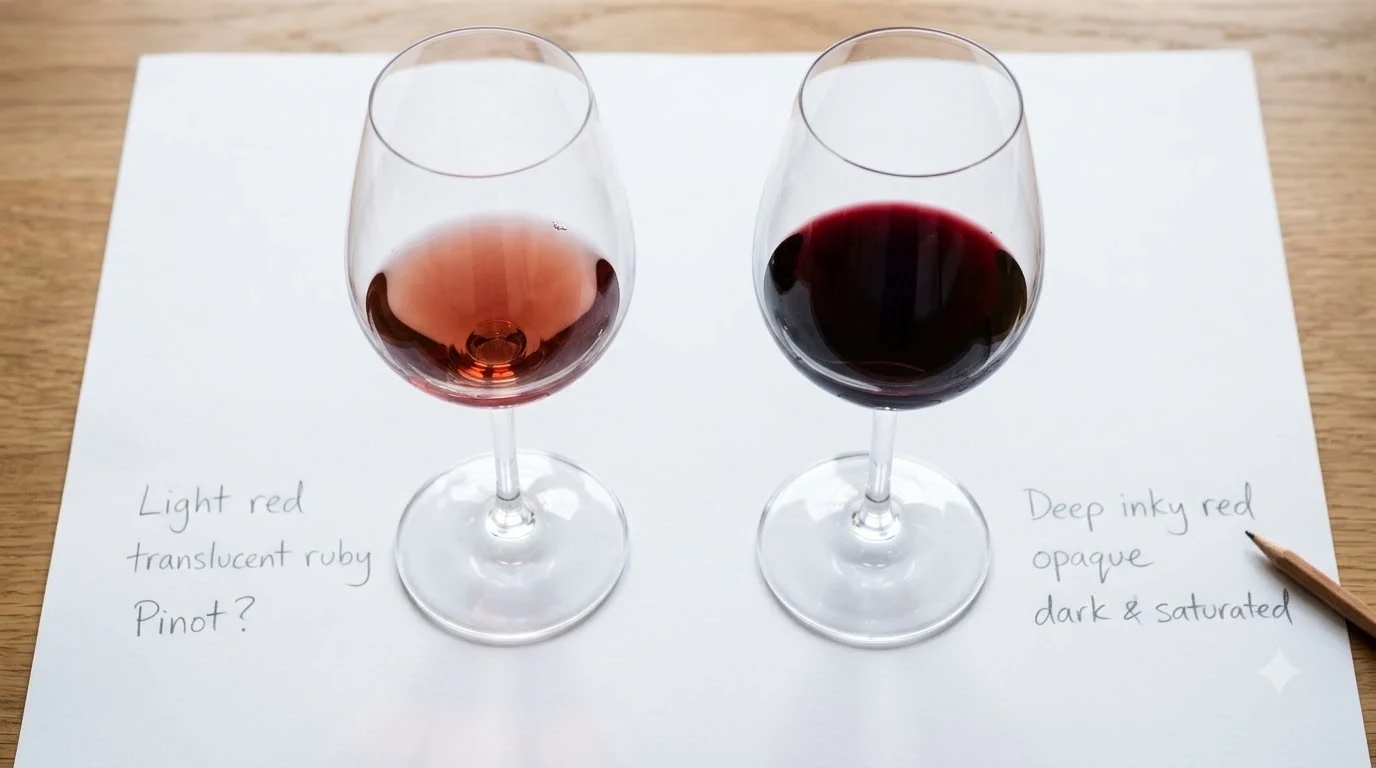
Pinot blanc is a white grape that developed from a color mutation of Pinot Noir. The berries lose the dark pigment that red grapes carry in their skins, so the juice is pale even though the vine family is the same. Wine Folly’s grape guide to pinot blanc describes it as a white mutation of Pinot Noir grown mostly in Germany and northern Italy, and that origin explains why the grape often shows up in wines with the Pinot Noir family’s fine, elegant character rather than a bold, fruit-forward profile.
The name changes with the country. In Germany the grape is usually labeled Weissburgunder, and in Italy it is Pinot Bianco. Read the label carefully, because a bottle that says Weissburgunder or Pinot Bianco is the same grape as a bottle labeled pinot blanc.
Flavor Profile and Body
Pinot blanc is usually a dry wine. Its flavors lean toward orchard fruit, with pear and peach in the lead. Wine Folly also lists raw almond and lemon zest, plus a mineral note that the page describes as crushed gravel. Those flavors tend to be subtle rather than loud, so the wine rewards slow sipping and pairs better with food than with strong aperitif snacks.
The body is light, and the acidity is medium. Light body means the wine feels fresh on the palate without much weight, while medium acidity gives it a clean finish. Because pinot blanc has no tannins, it does not dry out the mouth the way many red wines do. Alcohol typically sits between 13.5% and 15% ABV, which is in the usual range for table white wines.
In practice, a glass of pinot blanc feels lighter than a buttery Chardonnay and rounder than a sharp Sauvignon Blanc. That middle position is part of its appeal for people who want a white wine that will not overwhelm a meal.
| Feature | What to expect |
|---|---|
| Style | Dry white |
| Body | Light |
| Acidity | Medium |
| Tannins | None |
| Typical flavors | Pear, peach, raw almond, lemon zest |
| Alcohol | About 13.5% to 15% ABV |
Where Pinot Blanc Grows
Pinot blanc grows best in cool to moderate climates, where the grape keeps enough acidity to stay fresh. Germany and northern Italy are the two main homes for the grape, and it is planted in several other European countries as well. In France, the grape appears in wines from Alsace, where it is often blended into sparkling and still whites. Producers in both places tend to aim for clean fruit and balanced acidity, which fits the grape’s natural character.
Outside Europe, pinot blanc is planted in smaller amounts. Wines from those regions can taste riper, but the same core profile of pear, citrus, and a dry finish usually holds. American growers who work with cool-climate varieties sometimes make similar styles, and the Arizona wine page shows how a warmer growing area shapes white wine character. If you want to compare how regional character changes the style, the wine regions guide is a practical place to start.
How to Serve Pinot Blanc
Wine Folly recommends serving pinot blanc at 45 to 55 degrees Fahrenheit (7 to 12 degrees Celsius), poured into a standard white wine glass. That range is slightly warmer than the serving temperature for many light sparkling wines, and it lets the fruit and mineral notes show without the wine tasting thin.
The wine does not need decanting, since it has no tannin structure to soften and little sediment to separate. Open the bottle shortly before pouring, and keep the remainder in the refrigerator with the cork or stopper replaced. Most pinot blanc is meant to be drunk within a few years of the vintage. Wine Folly suggests cellaring for one to three years, which is a reasonable window for everyday bottles.
Tip: If a bottle tastes flat at room temperature, give it 20 to 30 minutes in the refrigerator before you judge it. Light whites are the most affected by serving temperature.
Food Pairings That Work Well
The grape’s light body and gentle acidity make it a good match for foods that would clash with a heavier white. Wine Folly points to soft cheeses, salads with cream-based dressings, and flaky white fish as natural partners. Soft cheeses such as fresh goat cheese or a mild brie bring out the wine’s creamy side, and the acidity cuts through the richness of the cheese.
Pinot blanc also works with roast chicken, pork with apple, and vegetable dishes that include mushrooms or leeks. In general, pick foods with moderate fat and herbs rather than strong spice. Very hot dishes can make a delicate wine taste thin, so save fiery curries for a more aromatic white.
How to Choose a Good Bottle
Start with the label. Look for the words pinot blanc, Weissburgunder, or Pinot Bianco, and check whether the wine is labeled dry. If you want a little more texture, look for bottles that mention lees aging, which is a winemaking step that can add creaminess. For a lighter, brighter style, choose a wine from a cooler region and check that the alcohol level falls near the lower end of the 13.5% to 15% range.
Vintage matters less for pinot blanc than for big red wines. Most bottles are made to be enjoyed within a year or two of release, so a recent vintage usually tastes fresher. Older bottles can still be pleasant, but the fruit tends to soften and the acidity can feel flatter. If you are buying for a specific meal, pick a recent release and check the importer or retailer’s storage conditions, since heat exposure is the main risk for white wine on a shelf.
Price is a poor guide on its own. Many everyday pinot blanc bottles taste clean and balanced, and the grape does not usually reward heavy oak. Reading a few producer notes and comparing vintages will tell you more than the price on the shelf.
Frequently Asked Questions
Is pinot blanc the same as Pinot Grigio?
No. Pinot grigio is the Italian name for Pinot Gris, a different grape that is a color mutation of Pinot Noir with a richer, sometimes spicier profile. Pinot blanc is a separate grape with a lighter body and more delicate fruit.
Is pinot blanc sweet or dry?
Most pinot blanc is dry. Wine Folly describes the style as dry, and the grape’s flavors come from fresh fruit and mineral notes rather than residual sugar.
What does pinot blanc taste like?
Expect pear and peach, with a hint of lemon zest and almond. The body is light, the acidity is medium, and the finish is clean with no tannin.
Should pinot blanc be chilled before serving?
Yes. Serve it at about 45 to 55 degrees Fahrenheit, which is cool but not ice cold. That range keeps the fruit expressive and the acidity balanced.
Pinot blanc is a practical white for everyday dinners and relaxed evenings. Start with a bottle from Germany or northern Italy, serve it chilled, and pair it with soft cheese or a light seafood dish. If you enjoy it, the next step is to compare a few styles from different regions and see how the grape changes with climate.
More in Wine Regions
 Willcox Wine Trail: Discover Arizona’s High-Elevation Wine CountryUpdated Nov 20, 2026
 Yakima Valley Wine Region: Find the Best Styles to TryUpdated Nov 20, 2026
 Vosne Romanee Wine Tasting: Identify Aromas and Choose Better PairingsUpdated Nov 20, 2026
 Yakima Valley Wine Festival: Find the Best Seasonal Wine EventsUpdated Nov 20, 2026
 Wales Vineyards: Discover Cool-Climate Wines and Where to VisitUpdated Nov 20, 2026
 Yountville Wine Festival: Discover Napa Wines and Local FoodUpdated Nov 20, 2026