

We may earn a commission when you buy through links on this page, at no extra cost to you. Learn more.
In a head-to-head comparison of chianti vs primitivo, Chianti is a high-acid, medium-bodied Tuscan red made primarily from Sangiovese, while Primitivo is a full-bodied, higher-alcohol red from southern Italy’s Puglia region bursting with jammy dark fruit. Chianti delivers tart red cherry, dried herbs, and firm tannins that cut through rich tomato sauces and fatty meats. Primitivo—genetically identical to California Zinfandel—offers plush blackberry, plum, and baking spice with softer tannins and occasional residual sugar.
Both bottles sit side by side on American wine shop shelves under the Italian section, yet they represent opposite ends of Italy’s winemaking spectrum. Choosing between central Tuscany’s brisk, savory hillside style and southern Puglia’s sun-drenched, velvety power comes down to the meal on the table and whether a drinker prefers mouthwatering tartness or lush fruit weight.
1. Core Differences Between Chianti and Primitivo at a Glance
Chianti and Primitivo differ fundamentally in their base grape varieties, regional climates, alcohol levels, and structural balance. Chianti relies on late-ripening Sangiovese grown in central Tuscany’s cooler hills to achieve crisp acidity and moderate alcohol, whereas Primitivo ripens early under Puglia’s intense southern sun to produce concentrated sugars, higher alcohol, and plush dark fruit.
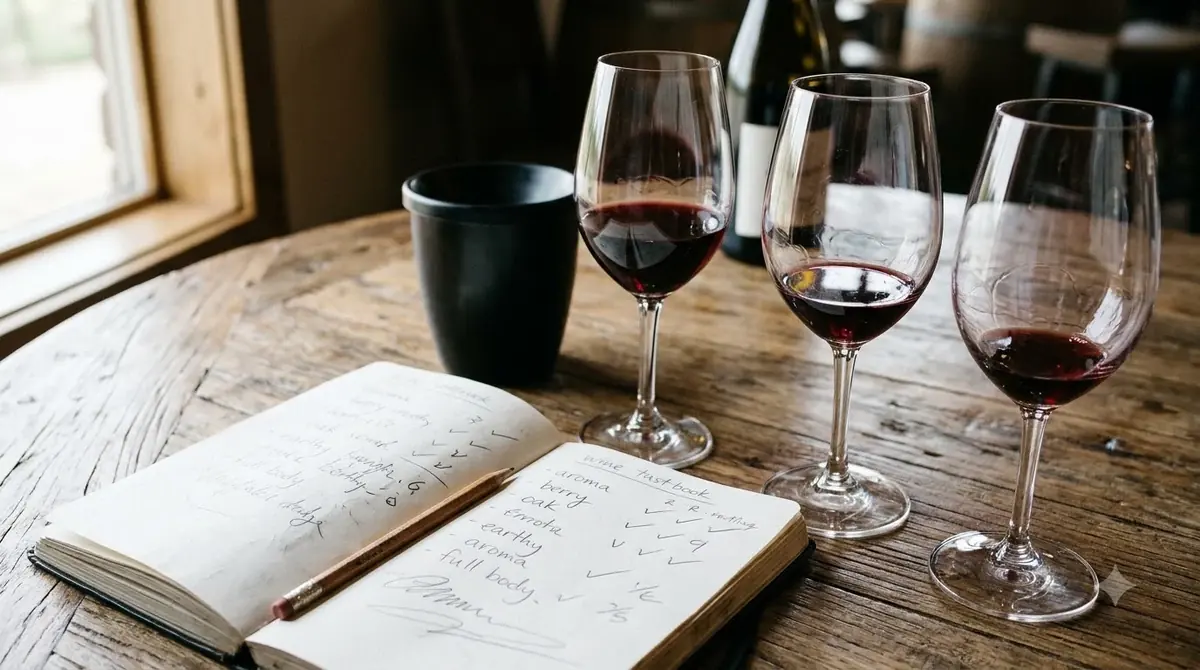
Understanding these structural contrasts prevents dinner-table mismatches. A classic Chianti pours a translucent ruby color and hits the palate with brisk, mouthwatering tartness and gripping tannins. A bottle of Primitivo pours deep, opaque purple-garnet and coats the mouth with ripe black fruit, sweet spice, and a warm finish.
| Attribute | Chianti (Chianti & Chianti Classico DOCG) | Primitivo (Primitivo di Manduria DOC) |
|---|---|---|
| Primary Grape | Sangiovese (70% min Chianti; 80% min Classico) | Primitivo (85% min; 100% in Gioia del Colle DOC) |
| Italian Region | Tuscany (Central Italy) | Puglia (Southern Italy) |
| Body & Weight | Medium-bodied | Full-bodied |
| Typical Alcohol (ABV) | 12.0% to 14.5% | 13.5% minimum to 15.0%+ (14.0% min Riserva) |
| Acidity Level | High, mouthwatering | Medium to medium-plus |
| Tannin Profile | Medium-high, firm and drying | Medium, soft and velvety |
| Sweetness / Residual Sugar | Bone dry | Dry to off-dry (up to 18 g/L permitted) |
| Core Flavor Notes | Sour cherry, cranberry, tomato leaf, dried oregano | Blackberry jam, black plum, licorice, cocoa |
| Serving Temperature | 55–60°F (young) to 60–65°F (Riserva) | 60–65°F |
Legal production rules reinforce these stylistic divides. According to the Consorzio Vino Chianti Classico, Chianti Classico wines must contain at least 80% Sangiovese and cannot include white grapes, keeping the profile sharp and savory. By contrast, regulatory rules for Primitivo di Manduria DOC set a minimum alcohol floor of 13.5% ABV for standard bottlings and allow up to 18 grams per liter of residual sugar, cementing its reputation for round, fruit-forward generosity.
2. Grape Varieties and Origins: Tuscan Sangiovese vs. Puglian Primitivo
Chianti is built on Sangiovese, Tuscany’s signature red grape, while Primitivo is a distinct early-ripening variety cultivated primarily in Puglia and genetically identical to California Zinfandel. Their histories reflect centuries of regional adaptation to central Italy’s Apennine foothills and the heel of Italy’s boot.
In Tuscany, Sangiovese thrives on stony galestro and limestone soils between Florence and Siena, an area first demarcated by Grand Duke Cosimo III de’ Medici in 1716. Because Sangiovese buds early and ripens late in October, cool autumn nights lock in high natural acidity. Producers often blend small amounts of native red varieties like Canaiolo Nero and Colorino—or international grapes such as Merlot and Cabernet Sauvignon—to add color and soften Sangiovese’s naturally firm grip. Readers exploring other central Italian Sangiovese comparisons can see how it stacks up in chianti vs montepulciano.
Hundreds of miles south in Puglia, Primitivo tells a completely different agricultural story. Around 1799 in the town of Gioia del Colle, Abbot Francesco Filippo Indellicati noticed a vine in his vineyard that ripened weeks ahead of neighboring varieties and named it primativo, from the Latin for “first to ripen.” Harvest frequently begins in late August, allowing grapes to accumulate high sugar levels before autumn rains arrive.
In 2000, DNA testing at the University of California, Davis confirmed that Puglian Primitivo and California Zinfandel are the exact same grape variety, later traced back to Croatia’s ancient Tribidrag vine. Despite sharing identical DNA, Italian winemakers generally harvest Primitivo slightly earlier and use less aggressive new American oak than many California Zinfandel producers, preserving an earthy, Mediterranean spice alongside the ripe fruit.
3. Tasting Profile: Acidity, Tannins, Alcohol, and Sweetness
In the glass, Chianti tastes crisp, tart, and savory with noticeable tannic grip, whereas Primitivo feels lush, warming, and round with a hint of perceived sweetness. The contrast comes down to how acidity, tannin, alcohol, and residual sugar interact on the palate.
Acidity and Fruit Character
Sangiovese’s calling card is electric, mouthwatering acidity paired with bright red fruit. A young Chianti bursts with flavors of sour Montmorency cherry, red currant, cranberry, and blood orange, layered over savory notes of dried oregano, crushed tomato leaf, and damp earth. Primitivo leans heavily toward dark, sun-baked fruit: black cherry, stewed plum, fig, and blackberry jam, accented by black pepper, star anise, and dark chocolate.
Tannins, Alcohol, and Sweetness
Chianti carries medium-high, fine-grained tannins that create a distinct drying sensation on the gums, a structural trait that demands protein or fat at the dinner table. Primitivo’s tannins are softer and riper, often feeling velvety rather than astringent, though high alcohol can produce a noticeable warming sensation in the throat. While standard Chianti is fermented completely dry, many commercial Primitivo bottlings retain between 4 and 12 grams per liter of residual sugar—well within the 18 grams per liter ceiling allowed in Manduria—giving the wine a plush, slightly sweet mid-palate without turning it into a dessert wine.
Tip: Check the back label for the ABV percentage before buying Primitivo. Bottles listed at 13.5% to 14.0% ABV typically taste brighter and more savory, while bottles at 14.5% to 15.5% ABV deliver a richer, jammy style with a subtle touch of residual sweetness.
4. Key Appellations and Bottle Labels to Know
Both wines span multiple Italian denominations, and reading the specific geographical designation on the front label predicts the exact style inside the bottle. Chianti splits into the broad Chianti DOCG and the historic Chianti Classico DOCG heartland, while Primitivo divides primarily between coastal Primitivo di Manduria and hillside Gioia del Colle.
Chianti DOCG vs. Chianti Classico DOCG
As detailed in Wine Enthusiast’s guide to Chianti, the broader Chianti DOCG covers roughly 15,500 hectares across central Tuscany, requires at least 70% Sangiovese, and permits up to 10% white grapes like Trebbiano and Malvasia. These bottles are built for early, everyday drinking, though subzones like high-altitude Chianti Rufina produce structured, age-worthy reds. Chianti Classico DOCG—identified by the Black Rooster (Gallo Nero) neck seal—covers 6,800 hectares between Florence and Siena, mandates at least 80% Sangiovese, and prohibits white grapes. Within Chianti Classico, aging tiers step up in concentration: Annata ages 12 months, Riserva ages 24 months, and estate-grown Gran Selezione ages at least 30 months.
Primitivo di Manduria vs. Gioia del Colle
On the Puglian side, Primitivo di Manduria DOC is the powerhouse appellation along the Ionian coast, requiring at least 85% Primitivo, a minimum 13.5% ABV (14.0% for Riserva aged 24 months with 9 months in wood), and warm, red iron-rich soils that yield plush, full-bodied wines. Further inland on the limestone Murgia plateau at elevations up to 1,300 feet, Gioia del Colle DOC mandates 100% Primitivo and lower vineyard yields of 8 tons per hectare, producing noticeably fresher, firmer reds with brighter red-berry lift. For buyers who love dark, structured Italian reds, comparing these southern appellations with northern powerhouses in barolo vs chianti highlights how dramatically elevation and latitude shape Italian wine.
5. Food Pairing: Which Wine Fits Your Dinner Table?
Chianti excels alongside high-acid tomato dishes, cured meats, and rich cheeses, while Primitivo shines with smoky barbecue, braised meats, and sweet-savory glazes. Matching the wine’s acidity, tannin, and fruit weight to the dish prevents either the food or the wine from tasting harsh or flat.
Because acidic food requires a wine with equal or higher acidity, Chianti is the gold standard for classic Italian red-sauce cooking. Its brisk Sangiovese acidity matches the bright tang of San Marzano tomatoes in spaghetti alla Bolognese, lasagna, or Neapolitan margherita pizza, while its firm tannins bind to the fat and salt in bistecca alla Fiorentina, rosemary-roasted lamb, and aged Pecorino Toscano. Avoid pairing Chianti with spicy chili-heavy dishes, as its gripping tannins amplify capsaicin heat.
Primitivo handles bold, sweet, and smoky flavors that overwhelm lighter reds. Its plush blackberry fruit and soft tannins stand up to slow-smoked pork ribs, pulled pork with tangy barbecue sauce, grilled sausage, and braised beef short ribs. The slight touch of residual sugar permitted in Primitivo di Manduria DOC—up to 18 grams per liter under Italian production rules—cushions smoky char and mild spice, though bottles exceeding 14.5% ABV will still feel fiery next to intense habanero or cayenne heat. For shoppers who want bright acidity for pasta without Chianti’s firm tannic bite, exploring barbera vs chianti offers another helpful Italian table comparison.
6. Serving Temperature, Decanting, and Storage
Serving Chianti slightly cooler highlights its crisp red-cherry acidity, while giving Primitivo room to breathe softens its high-alcohol warmth. Proper glassware, decanting times, and storage temperatures bring out the best in both styles.
Serve young Chianti DOCG and Chianti Classico Annata between 55°F and 60°F—roughly 15 to 20 minutes in the refrigerator before pouring—so the bright fruit stays snappy rather than flabby. Fuller-bodied Chianti Classico Riserva, Gran Selezione, and Primitivo di Manduria perform best at 60°F to 65°F. Standard 5-ounce pours yield about five glasses per 750-milliliter bottle, and large-bowled Bordeaux or universal red wine glasses give both varieties room to release their aromas.
Decanting plays a distinct role for each bottle. Young Chianti Classico Riserva and Gran Selezione benefit from 30 to 60 minutes in a decanter to soften Sangiovese’s firm tannins and open up dried-herb aromatics. Standard Primitivo di Manduria is already soft-textured upon opening, though 20 to 30 minutes of air helps blow off initial alcohol heat in 14.5%+ ABV bottlings. Store unopened bottles on their sides in a dark spot near 55°F, and keep opened bottles recorked in the refrigerator, where both still reds stay fresh for 3 to 5 days.
7. How to Choose Between Chianti and Primitivo
Choose Chianti when the meal features bright tomato acidity, olive oil, herbs, or rich grilled steak, and choose Primitivo when drinking red wine on its own or serving smoky, slow-cooked, or slightly sweet dishes. Personal palate preference for tartness versus lush fruit makes the final call simple.
Pick up a bottle of Chianti Classico DOCG when looking for a crisp, mouthwatering, food-driven red wine that refreshes the palate between bites. Traditional producers in Tuscany favor large neutral oak casks over small new French barrels to preserve Sangiovese’s transparent cherry fruit and savory earthiness. Look for the Black Rooster seal on the neck and aim for Annata bottlings for weeknight pasta or Riserva for Sunday roasts.
Reach for Primitivo when the goal is a bold, velvety, crowd-pleasing red with immediate dark-fruit generosity. Primitivo di Manduria DOC delivers maximum richness and soft tannins for fireside sipping or backyard grilling, whereas Gioia del Colle DOC offers a slightly leaner, more structured alternative grown on higher limestone hills. Readers comparing dozens of classic regional matchups can browse more head-to-head breakdowns in the Wine vs Wine guide collection.
Frequently Asked Questions
Is there a sweet dessert version of Primitivo?
Yes, Primitivo di Manduria Dolce Naturale DOCG is a traditional sweet red wine made from 100% air-dried Primitivo grapes. Established in 2011 as Puglia’s first DOCG appellation, it requires at least 16% total alcohol and a minimum of 50 grams per liter of residual sugar, pairing well with dark chocolate and blue cheese.
What is the White Rooster legend behind Chianti Classico’s Black Rooster symbol?
According to historical lore cited by the Consorzio Vino Chianti Classico, medieval rivals Florence and Siena settled their border dispute with a horseback race triggered at dawn by a rooster’s crow, which is why the Black Rooster appears on every bottle. Florence starved a black rooster in a dark coop so it crowed hours before sunrise, allowing the Florentine knight to ride nearly all the way to Siena before meeting the Sienese rider.
What native grapes are commonly blended with Sangiovese in Chianti?
Beyond Sangiovese, Chianti Classico regulations approve native Tuscan red varieties including Canaiolo Nero, Ciliegiolo, Colorino, and Mammolo. While international grapes like Cabernet Sauvignon and Merlot became popular in the late twentieth century, many modern estates use Colorino and Canaiolo to deepen color and soften tannins without masking Tuscan character.
Why is Primitivo also known as Tribidrag or Crljenak Kaštelanski?
Following UC Davis DNA research in the 1990s linking California Zinfandel and Puglian Primitivo, researchers traced the variety’s oldest documented roots to Dalmatia on the Croatian coast. Historical records from the fifteenth century refer to the grape as Tribidrag, while surviving coastal vines were identified under the local name Crljenak Kaštelanski.
How long can Chianti Classico and Primitivo age in a cellar?
Standard Chianti DOCG and entry-level Primitivo di Manduria are crafted to drink fresh within 2 to 4 years of vintage. High-acid Chianti Classico Riserva and Gran Selezione from top estates frequently cellar for 8 to 15 years according to Tuscan producer aging guidelines, whereas most Primitivo bottlings peak within 3 to 6 years due to their lower acidity and ripe fruit profile.
Comparing chianti vs primitivo highlights how Italy’s north-south geography shapes every detail in the wine glass, from Tuscany’s brisk, cherry-driven Sangiovese to Puglia’s sun-ripened, velvety Primitivo. Keeping a bottle of each on hand provides versatile options for the table, whether dinner calls for bright tomato-sauce acidity or rich barbecue smoke.
More in Wine vs Wine
 Chenin Blanc vs Pinot Gris: Acidity, Body, and Pairing DifferencesUpdated Nov 20, 2026
 Chianti vs Lambrusco: How Tuscany and Emilia-Romagna Reds CompareUpdated Nov 20, 2026
 Chianti vs Rioja: Key Differences in Taste, Aging, and PairingUpdated Nov 20, 2026
 Chianti vs Shiraz: How Acidity, Body, and Food Pairings CompareUpdated Nov 20, 2026
 Chianti vs Syrah: Key Differences in Taste, Body, and Food PairingUpdated Nov 20, 2026
 Chianti vs Tempranillo: Taste, Tannins, and Food Pairing ComparedUpdated Nov 20, 2026