

We may earn a commission when you buy through links on this page, at no extra cost to you. Learn more.
Barolo vs Chianti comes down to structure, flavor, aging potential, and food pairing: Barolo is a powerful, age-worthy Nebbiolo wine from Piedmont, while Chianti is a more approachable, Sangiovese-based red from Tuscany. Barolo generally has firmer tannins, deeper savory complexity, and a longer aging requirement. Chianti typically offers brighter cherry flavors, lively acidity, and greater versatility with everyday Italian food. Both are excellent Italian reds, but they suit different meals, occasions, and drinking preferences.
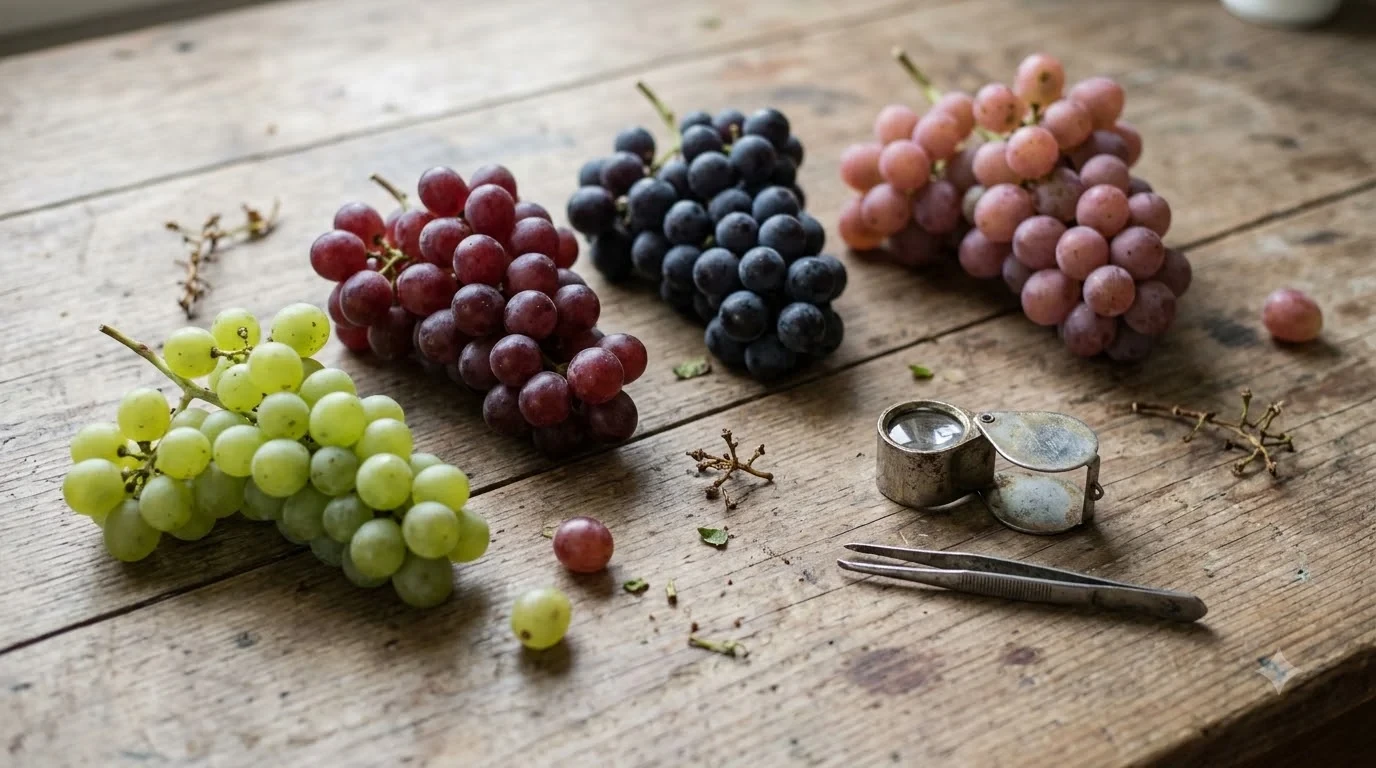
Italy produces an extraordinary range of red wines, and Barolo and Chianti are two of its best-known names. Although both come from northern and central Italy respectively, they differ considerably in grape variety, growing conditions, winemaking regulations, and traditional serving styles. Understanding those differences makes choosing between them much easier. Whether you are planning a steak dinner, ordering pasta, or selecting a bottle for a special occasion, this comparison explains what to expect from each wine.
1. Origin and Wine Regions: Piedmont vs Tuscany
Barolo comes from the Langhe hills in Piedmont, northwestern Italy, while Chianti comes from a much larger production area in Tuscany, central Italy. Their different landscapes and climates help explain why the wines develop distinct personalities.
Barolo DOCG is produced in the province of Cuneo, within the Langhe wine-growing area. Its production zone covers 11 municipalities, including Barolo, La Morra, Serralunga d’Alba, Monforte d’Alba, and Castiglione Falletto. These communities have individual vineyard characteristics influenced by differences in soil composition, elevation, and exposure. The region’s hills provide varied growing conditions, and the location of a vineyard can significantly influence the finished wine.
The Langhe is particularly associated with Nebbiolo, the grape responsible for Barolo’s combination of high tannin, pronounced acidity, and complex aromas. The region’s limestone-rich marl soils are important to its wine-growing identity. Barolo producers often distinguish individual vineyard sites because their wines can show noticeable differences in structure and aromatic expression. Piemonte’s regional wine information provides further details about the Barolo production area and its Nebbiolo requirements.
Chianti occupies a considerably broader area of Tuscany. The Chianti DOCG denomination includes seven recognized subzones: Colli Aretini, Colli Fiorentini, Colli Senesi, Colline Pisane, Montalbano, Montespertoli, and Rufina. Each has its own geographic characteristics, and differences in elevation, exposure, and local climate influence the wines.
Chianti is also associated with rolling hills, olive groves, historic villages, and vineyards surrounding Florence and Siena. Its warmer Mediterranean influences help Sangiovese develop ripe cherry flavors while retaining the acidity that makes the grape so useful at the dinner table.
One important distinction is that Chianti and Chianti Classico are separate DOCG denominations. Chianti Classico comes from the historic area between Florence and Siena and follows its own production regulations. A bottle labeled Chianti does not automatically come from the Chianti Classico territory.
For additional comparisons between Italian red wine regions and styles, explore our Wine vs Wine collection.
2. Grape Varieties and Winemaking Rules
The most fundamental difference is the grape: Barolo must be made entirely from Nebbiolo, whereas Chianti is based on Sangiovese and can include permitted complementary varieties. These rules give the wines their distinctive structure and flavor profiles.
Barolo is made from 100% Nebbiolo. This grape is famous for producing wines with substantial tannins, high acidity, and relatively delicate color. Nebbiolo ripens late in the growing season, making vineyard location and autumn weather especially important. Its naturally pronounced structure also means that young Barolo can feel firm and demanding before extended aging softens its tannins.
According to Piemonte’s regional agricultural information, Barolo has a minimum alcohol requirement of 13% ABV and a minimum total acidity of 4.5 grams per liter. These requirements reflect the wine’s intended full-bodied, structured character.
Chianti is primarily made from Sangiovese. Under the standard Chianti DOCG production rules, Sangiovese must account for between 70% and 100% of the grape composition. Producers may use approved complementary varieties, subject to restrictions. For example, white grape varieties cannot exceed 10%, while Cabernet Franc and Cabernet Sauvignon together cannot exceed 15% under the standard denomination rules.
Chianti Colli Senesi has a slightly different composition requirement, with Sangiovese accounting for at least 75% of the grape composition. This illustrates why it is useful to understand the specific Chianti designation rather than assuming every bottle follows identical rules. The Chianti Colli Senesi consortium’s production regulations explain these grape composition requirements and the denomination’s seven subzones.
Sangiovese generally provides fresh acidity, red-fruit aromas, and moderate to firm tannins. Depending on the producer, the wine may be made in a fresh, fruit-focused style or receive additional oak aging to develop more complex flavors.
Winemaking choices also matter. Barolo producers may use traditional extended maceration and large wooden casks or more modern approaches involving different fermentation and maturation techniques. Chianti producers likewise vary their fermentation temperatures, extraction methods, oak choices, and aging periods.
These decisions explain why two bottles from the same denomination can taste quite different even when they use the same principal grape variety.
3. Taste, Aroma, Tannins, and Body
Barolo is generally more powerful, tannic, and complex than Chianti, while Chianti tends to emphasize fresh red fruit, lively acidity, and a more immediately accessible structure. The difference is especially noticeable when tasting the wines side by side.
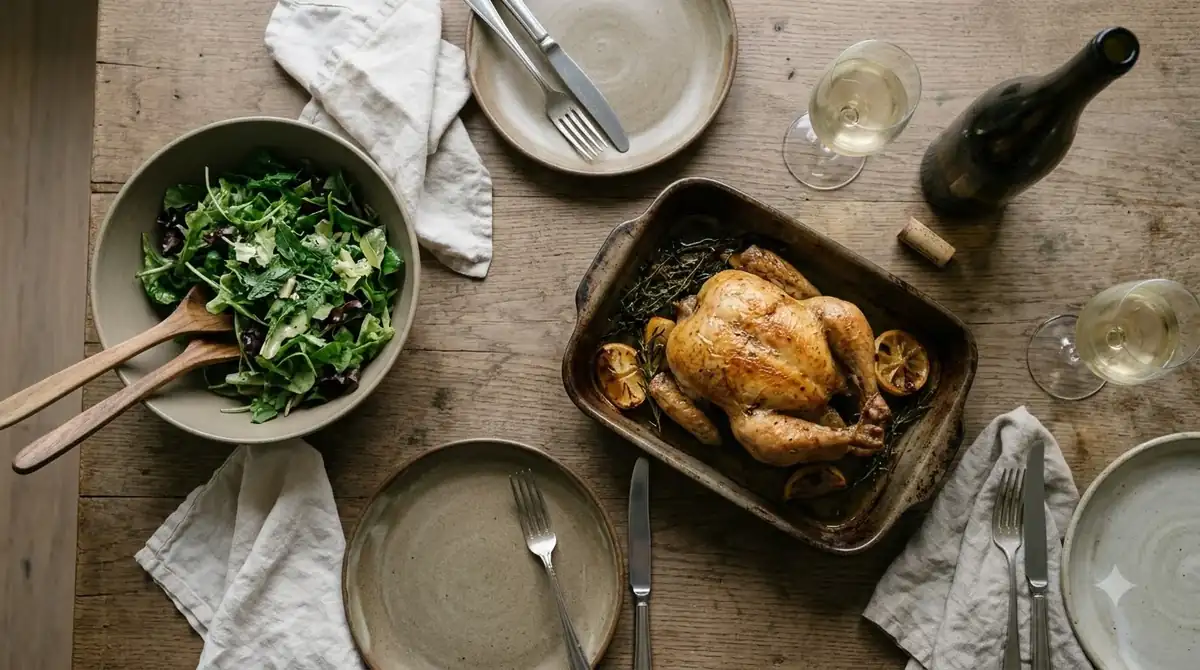
Barolo typically shows a garnet-red color, sometimes appearing relatively pale compared with its powerful structure. Its aromatic profile can include red cherries, raspberries, dried roses, violets, cinnamon, licorice, tobacco, and leather. With bottle age, earthy and savory notes become more prominent, adding complexity beyond the original fruit character.
On the palate, Barolo usually feels full-bodied, with substantial tannins and high acidity. Its tannins can create a drying sensation along the gums and cheeks, particularly in younger bottles. This structure is one reason Barolo benefits from time in the cellar or careful decanting before drinking.
Chianti usually has a brighter ruby-red color when young, gradually developing garnet tones as it ages. Its aromas commonly include sour cherry, red plum, raspberry, violet, dried herbs, and subtle earthy notes. Oak-aged examples may also show vanilla, spice, tobacco, or cedar.
Chianti generally has medium to full body, depending on its classification and production style. Its tannins are often medium, with fresh acidity providing balance. Compared with Barolo, it is usually less imposing and easier to pair with a wider range of everyday dishes.
The following comparison summarizes their typical characteristics. Individual bottles can differ considerably according to vintage, vineyard, producer, and aging.
| Characteristic | Barolo | Chianti |
|---|---|---|
| Primary grape | 100% Nebbiolo | 70-100% Sangiovese |
| Origin | Piedmont, northern Italy | Tuscany, central Italy |
| Body | Full | Medium to full |
| Tannin | High | Medium |
| Acidity | High | High |
| Alcohol minimum | 13% ABV | 11.5% ABV for standard Chianti |
| Typical fruit | Cherry, raspberry | Sour cherry, red plum |
| Other aromas | Rose, violet, leather, licorice | Violet, herbs, earth, spice |
| Standard aging | 38 months minimum | Varies by designation |
| Riserva aging | 62 months minimum | At least 2 years |
One useful way to understand the difference is to consider how the wines feel after swallowing. Barolo often leaves a pronounced tannic impression that develops over several seconds. Chianti tends to finish with refreshing acidity and recognizable cherry flavors, making another bite of food particularly appealing.
Neither wine is inherently better. Barolo is an excellent choice for someone who enjoys structured, complex reds, while Chianti suits drinkers who prefer freshness and food-friendly balance.
4. Aging Potential and Barolo vs Chianti Riserva
Barolo has a substantially longer mandatory aging period than standard Chianti, and well-made examples can develop complexity over many years. Chianti also has aging potential, particularly in its Riserva category, although its typical drinking window is shorter.
Barolo DOCG requires approximately 38 months of aging, calculated from November 1 of the harvest year, including at least 18 months in wooden barrels. It can be released for sale from January 1 of the fourth year following the harvest. This extended maturation helps integrate the grape’s naturally firm tannins and develop additional aromatic complexity.
Barolo Riserva has a more demanding requirement: at least 62 months of cellar aging, including at least 18 months in wood. The additional time allows the wine to develop a more evolved aromatic profile before release.
These regulations establish minimum requirements rather than guaranteeing that every bottle needs decades of additional aging. The best drinking window depends on vintage quality, vineyard conditions, producer choices, and personal preference.
Standard Chianti has a much shorter maturation period. Under the Chianti DOCG production regulations, Chianti Riserva must undergo at least two years of aging, calculated from January 1 following the harvest.
Some Chianti subzones have additional requirements. For example, Chianti Rufina Riserva and Chianti Colli Fiorentini Riserva have additional wooden-barrel aging requirements. These details distinguish more structured versions from younger, fruit-focused Chianti wines.
How long should you keep each wine?
A basic Chianti is generally best enjoyed while its fruit remains fresh, often within a few years of release. Higher-quality Chianti Riserva can develop additional complexity over five to ten years, depending on the wine’s structure and vintage.
Barolo typically offers greater long-term aging potential. Some well-made bottles can develop for 10 to 20 years or longer, with exceptional examples evolving over several decades. However, not every Barolo requires extended storage, and some modern styles are approachable earlier.
For a special occasion several years away, Barolo is generally the more suitable cellar candidate. For a wine to enjoy with dinner soon after purchase, a younger Chianti is often the simpler choice.
5. Food Pairings: Which Wine Goes With Dinner?
Chianti is particularly versatile with tomato-based pasta, pizza, roasted chicken, and cured meats, while Barolo performs best with richer dishes such as braised beef, venison, lamb, and mushroom-based preparations. Matching the wine’s structure to the richness of the food makes a noticeable difference.
Best foods for Barolo
Barolo’s high tannin and full body make it a natural partner for protein-rich dishes. Beef short ribs, braised brisket, venison stew, roasted lamb, and slow-cooked beef are particularly suitable. The richness of these dishes helps balance the wine’s firm structure.
Barolo is also an excellent match for dishes featuring mushrooms and earthy ingredients. Truffle risotto, porcini pasta, and mushroom-based sauces complement its savory and floral characteristics. Aged cheeses such as Parmigiano Reggiano can also work well because their concentrated flavors stand up to the wine.
For a classic Piedmont-inspired meal, serve Barolo with braised beef, roasted root vegetables, and a side of creamy polenta. The combination brings out both the wine’s aromatic complexity and its structural depth.
Best foods for Chianti
Chianti’s bright acidity makes it particularly useful with tomato-based dishes. Tomato sauce, pizza, lasagna, spaghetti with meat sauce, and baked pasta all benefit from the wine’s refreshing character.
It is equally comfortable alongside roasted chicken, grilled pork, Italian sausages, meatballs, and cured meats. Sangiovese’s cherry flavors and herbal character complement rosemary, oregano, garlic, and other common Mediterranean seasonings.
For a traditional Tuscan-inspired pairing, try Chianti with bistecca-style grilled beef, white beans, and rosemary. A younger Chianti also works well with a simple Margherita pizza or tomato-based pasta.
Quick pairing comparison
| Food | Better choice | Why it works |
|---|---|---|
| Grilled steak | Barolo | Firm tannins complement rich protein. |
| Tomato pasta | Chianti | Fresh acidity balances tomato sauce. |
| Pizza Margherita | Chianti | Cherry fruit and acidity complement tomato and cheese. |
| Braised short ribs | Barolo | Full body matches the rich sauce. |
| Roast chicken | Either | Chianti suits herbs; Barolo suits richer preparations. |
| Porcini risotto | Barolo | Earthy flavors complement its savory complexity. |
| Italian sausage | Chianti | Acidity balances fat and seasoning. |
| Aged hard cheese | Barolo | Strong flavors complement its tannic structure. |
Tip: Match the wine’s acidity to the acidity of the food. Chianti is particularly useful with tomato sauces because Sangiovese naturally has high acidity. For Barolo, choose protein-rich dishes that can balance its substantial tannins. Avoid pairing highly tannic reds with oily fish, and remember that chili heat can become more pronounced alongside wines with high alcohol and tannin.
6. Serving Temperature, Glassware, and Decanting
Serving temperature has a major influence on how both wines taste. Barolo benefits from a slightly warmer serving temperature than lighter reds, while Chianti is generally best served slightly cool to preserve its freshness.
For Barolo, aim for approximately 60-65°F. This range allows its complex aromas, including dried flowers, red fruit, spices, and earthy notes, to become more expressive without making the alcohol seem overly prominent.
Young Barolo can benefit from 30-60 minutes of decanting. Exposure to air can help soften the impression of firm tannins and make the wine more approachable. Older bottles require greater care because extended aeration can diminish delicate aromas. If sediment is present, carefully separating the wine from the sediment is often more important than prolonged aeration.
For Chianti, aim for approximately 55-60°F. Slightly cooling the wine helps maintain its fresh cherry character and lively acidity. Serving it too warm can make the alcohol seem more noticeable and reduce its refreshing quality.
Most standard Chianti does not require decanting. Opening the bottle shortly before serving is usually sufficient. A structured Chianti Riserva may benefit from 15-30 minutes of aeration, especially if it initially seems closed or tight.
Glassware also makes a difference. A large Burgundy-style glass is a good choice for Barolo because its wider bowl allows aromatic development. Chianti works well in a medium-sized red wine glass that concentrates its fruit aromas while providing enough room for gentle swirling.
For both wines, a standard 5-ounce pour is a useful serving size. A 750 ml bottle provides approximately five glasses, making it easy to plan quantities for a dinner party.
7. Price, Availability, and Choosing the Right Bottle
Barolo generally occupies a higher-priced category than everyday Chianti because of its restricted production area, exclusive Nebbiolo requirements, and extended mandatory aging. Chianti offers a much wider range of styles, making it easier to find an appropriate bottle for casual meals and special dinners.
Barolo requires considerable vineyard attention because Nebbiolo is a demanding grape with a relatively specific growing season. Producers must also commit their wines to lengthy maturation before commercial release. These factors contribute to its reputation as a prestigious Italian red.
Within the Barolo denomination, individual vineyard sites can make an important difference. Wines from Serralunga d’Alba are often associated with firm structure, while examples from La Morra are frequently described as more aromatic and approachable. These are broad regional tendencies rather than guarantees, and individual producers can produce very different results.
Chianti is available in several styles. Basic Chianti generally focuses on fresh fruit and everyday drinkability. Chianti Superiore has additional production requirements, while Chianti Riserva undergoes longer aging and is typically more structured.
The Chianti Rufina and Chianti Colli Senesi designations can also help identify wines from particular Tuscan growing areas. Exploring these subzones is a useful way to discover different expressions of Sangiovese without moving to a completely different denomination.
When choosing a bottle, consider the occasion first. A young Chianti is a sensible option for pizza night, pasta, or an informal dinner with friends. Barolo makes more sense for a special meal featuring braised meat, a carefully prepared roast, or a selection of aged cheeses.
Drinkers who enjoy powerful reds may also want to compare Amarone vs Barolo. Both wines can offer substantial structure, but Amarone is made from partially dried grapes and typically has a richer, more concentrated profile.
Another useful comparison is Barbera vs Chianti. Both are Italian wines that can work beautifully with food, but Barbera typically emphasizes juicy fruit and high acidity with softer tannins, while Chianti is generally more tannic and herbaceous.
Finally, if you are comparing Tuscan red wines for everyday drinking, our Chianti vs Montepulciano comparison explains another useful distinction between Italian grape varieties and regional wine styles.
The best bottle is the one that suits your meal and your preferences. Choose Barolo for complexity, structure, and a slower dining experience; choose Chianti for fresh fruit, balanced acidity, and everyday versatility.
Frequently Asked Questions
Is Barolo always made from 100% Nebbiolo?
Yes. Barolo DOCG requires 100% Nebbiolo, without blending other grape varieties into the wine. Nebbiolo is also used for Barbaresco DOCG, another prestigious Piedmont denomination with its own production regulations and aging requirements.
Is Barolo called the King of Wines?
Barolo is traditionally known by the expression “the king of wines, wine of kings.” Its historical association with the House of Savoy and the court of Piedmont helped establish this reputation during the nineteenth century. The title reflects its cultural prestige rather than an official classification.
Does Chianti have a white wine version?
Chianti DOCG is a red wine denomination, although its production regulations permit limited proportions of authorized white grape varieties in the blend. Under the standard rules, white varieties cannot exceed 10% of the grape composition. A bottle labeled Chianti is therefore still classified as red wine.
What is the difference between Nebbiolo and Sangiovese harvest seasons?
Both varieties are late-ripening compared with many Italian grapes, but Nebbiolo is particularly associated with late October harvesting in Piedmont. Sangiovese harvesting in Tuscany commonly takes place earlier, often during September or October depending on the vineyard and growing season. Weather conditions and producer decisions determine the precise harvest date.
Can Barolo and Chianti be used in cooking?
Yes. Barolo is traditionally used in Piedmontese preparations such as brasato al Barolo, a slow-braised beef dish. Chianti can be used in tomato-based meat sauces, braises, and marinades. In either case, cooking with a dry wine that has balanced acidity is preferable to using a wine with noticeable spoilage or excessive oxidation.
Barolo and Chianti demonstrate two very different sides of Italian red wine. Barolo offers Nebbiolo’s powerful tannins, aromatic complexity, and impressive aging potential, while Chianti brings Sangiovese’s lively acidity and versatile food-pairing character. Understanding their differences makes it easier to select the right bottle, whether you are preparing a special dinner or enjoying a relaxed Italian meal.
More in Wine vs Wine
 Chenin Blanc vs Pinot Gris: Acidity, Body, and Pairing DifferencesUpdated Nov 20, 2026
 Chianti vs Lambrusco: How Tuscany and Emilia-Romagna Reds CompareUpdated Nov 20, 2026
 Chianti vs Primitivo: Key Differences in Taste, Body, and PairingUpdated Nov 20, 2026
 Chianti vs Rioja: Key Differences in Taste, Aging, and PairingUpdated Nov 20, 2026
 Chianti vs Shiraz: How Acidity, Body, and Food Pairings CompareUpdated Nov 20, 2026
 Chianti vs Syrah: Key Differences in Taste, Body, and Food PairingUpdated Nov 20, 2026