

We may earn a commission when you buy through links on this page, at no extra cost to you. Learn more.
Is estancia wine good? Yes, Estancia is a good choice for approachable California wines, particularly for everyday drinking, casual meals and drinkers who enjoy familiar fruit-forward flavors. Its Cabernet Sauvignon, Pinot Noir, Merlot and white wines offer different styles, so the best bottle depends on your taste preferences and the occasion. Independent wine reviews and the winery’s published tasting descriptions provide useful evidence that selected Estancia wines can deliver quality beyond basic casual table wine expectations, although the brand is not positioned as a specialist source of collectible fine wine.
Estancia is a California wine brand with a history dating to 1986. Its portfolio covers several familiar grape varieties, including Cabernet Sauvignon, Pinot Noir, Chardonnay, Sauvignon Blanc and Pinot Grigio. That variety makes it possible to find an Estancia bottle for a weeknight dinner, a backyard gathering or a relaxed meal with friends without committing to one particular style. The important distinction is that a good wine for one drinker may not suit another. Understanding the grapes, regional origins, flavor profiles and serving requirements will help you decide whether Estancia deserves a place in your wine collection.
Who Should Buy Estancia Wine?
Estancia is particularly suitable for wine drinkers who want recognizable California grape varieties, approachable flavors and bottles intended for ordinary dining occasions. Its selection of six familiar varieties also makes the brand useful for households with different preferences for red and white wine.
The winery describes its portfolio as versatile and balanced, with wines sourced from vineyards across California. That broad sourcing approach is important because Estancia is not simply one wine with a consistent flavor profile. A Cabernet Sauvignon from Paso Robles has a different character from a Pinot Noir associated with Monterey County, and both differ considerably from a Sauvignon Blanc.
Someone who enjoys ripe dark fruit, recognizable oak notes and a fuller red-wine structure may find Estancia Cabernet Sauvignon particularly appealing. The official product description identifies dark cherry, plum and raspberry as its main fruit characteristics. Retail descriptions also mention black cherry, currant, chocolate, pepper and toasted sweet oak. These are familiar characteristics for drinkers who prefer California Cabernet Sauvignon over lighter European red-wine styles.
On the other hand, people who prefer softer reds should consider Pinot Noir or Merlot. Pinot Noir generally has lower tannin and higher acidity than Cabernet Sauvignon, creating a lighter impression with more emphasis on red fruit and freshness. Merlot usually has medium tannin and a softer texture, making it an accessible alternative for someone who finds Cabernet too firm.
White-wine drinkers also have several options. Sauvignon Blanc suits people who enjoy citrus, fresh herbs and lively acidity, while Chardonnay is a more suitable starting point for drinkers who prefer a rounder white wine. Pinot Grigio is another option for those who want a straightforward, refreshing style.
Estancia may be less suitable for collectors seeking distinctive single-vineyard wines, extended cellar potential or highly specialized regional expressions. Its appeal is primarily practical: familiar varieties, recognizable flavors and wines that can fit into everyday meals. If that is what you want from a bottle, the brand is worth considering.
Key Factors to Compare Before Buying
The most useful way to evaluate Estancia is to compare grape variety, regional origin, body, acidity and food compatibility rather than treating the entire brand as one uniform wine. Six main varieties provide a useful starting point for narrowing your selection.
| Wine style | Typical characteristics | Body and structure | Good food matches |
|---|---|---|---|
| Cabernet Sauvignon | Dark cherry, plum, raspberry | Fuller body, high tannin | Steak, aged cheese, pasta |
| Pinot Noir | Red berries, cherry, subtle oak | Light to medium body, lower tannin | Poultry, pork, salmon |
| Merlot | Plum, black cherry, chocolate | Medium body, softer tannin | Burgers, roasted vegetables |
| Sauvignon Blanc | Citrus, herbs, tropical fruit | Light to medium body, high acidity | Seafood, salads, goat cheese |
| Chardonnay | Apple, citrus, possible oak notes | Medium body, medium acidity | Chicken, creamy pasta, seafood |
| Pinot Grigio | Light fruit, citrus, fresh flavors | Light body, refreshing acidity | Light seafood, vegetables, salads |
These descriptions reflect the general characteristics of the grape varieties, not a claim that every Estancia vintage has identical aromas or structure. Vintage conditions, winemaking decisions and vineyard sourcing can affect the finished wine. The distinction matters because a grape variety provides a useful expectation, but it cannot guarantee exactly how a particular bottle will taste.
Regional origin is another important consideration. Estancia identifies its Cabernet Sauvignon with Paso Robles and its Pinot Noir with Monterey County. These two California locations provide useful context when comparing the brand’s reds. Paso Robles is associated with ripe, generous red-wine styles, while Monterey County is particularly relevant for wines that benefit from coastal growing conditions.
For independent tasting evidence, Wine Enthusiast’s review of Estancia 2025 Sauvignon Blanc provides a useful example. The publication awarded the wine 90 points and described citrus, tropical fruit, herbal flavors and mouthwatering acidity. The reviewed bottle was 12.5% ABV and 750 ml. That is meaningful evidence that at least one specific Estancia wine can perform well in a professional blind-tasting setting, but it should not be interpreted as a rating for every wine in the portfolio.
For another perspective, the Total Wine Estancia red-wine listings describe different profiles across the Cabernet Sauvignon, Merlot and Pinot Noir selections. The Cabernet emphasizes dark fruit and toasted oak, Merlot is described as medium-bodied and dry, and Pinot Noir emphasizes berries, baking spices and cherries. These differences illustrate why choosing by grape variety is more useful than buying simply because the label says Estancia.
Step-by-Step: How to Choose the Right Estancia Bottle
Choosing a suitable bottle becomes easier when you work from your preferred taste and meal toward a particular grape variety. A few straightforward decisions can eliminate most of the uncertainty.
-
Decide whether you want red or white wine.
Start with the type of meal and your personal preference. Choose a red if you are serving steak, burgers or roasted meat. Choose a white if the meal features seafood, salads, lighter poultry dishes or fresh vegetables. If guests have different preferences, selecting one red and one white is a practical approach.
-
Choose your preferred level of body.
For a fuller red, begin with Cabernet Sauvignon. For a lighter red, consider Pinot Noir. Merlot sits between these choices in many typical examples, with medium body and softer tannin. Among the whites, Sauvignon Blanc and Pinot Grigio are useful choices for fresher styles, while Chardonnay is appropriate for someone who wants more texture.
-
Consider acidity and tannin.
These two elements have a major effect on how wine feels alongside food. Cabernet Sauvignon has high tannin, while Pinot Noir has lower to medium tannin and generally higher acidity. Sauvignon Blanc and Riesling are naturally high-acid grape varieties, while Chardonnay usually has medium acidity. A wine with refreshing acidity can balance rich or oily foods, whereas a highly tannic red can feel harsh with delicate fish.
-
Match the wine with the main ingredients.
For steak or aged cheese, Cabernet Sauvignon is a sensible starting point. For roasted chicken or pork, Pinot Noir or Merlot can work well. For a seafood dish with citrus or fresh herbs, Sauvignon Blanc is often a better choice. A creamy chicken pasta may suit Chardonnay, depending on its acidity and oak influence.
-
Check the specific wine’s regional identity.
Estancia’s Paso Robles Cabernet Sauvignon and Monterey County Pinot Noir are useful examples of the brand’s regional range. Regional information helps establish expectations about ripeness, freshness and style. It also prevents you from assuming that every Estancia red comes from the same growing area.
-
Consider the occasion and number of guests.
A casual gathering may call for a familiar, versatile bottle rather than an elaborate wine that requires special handling. A dinner focused on a particular dish gives you more reason to select a grape variety specifically for that food. For a standard 750 ml bottle, plan on approximately five conventional 5-ounce servings.
-
Serve the wine at the appropriate temperature.
Serving temperature can make a noticeable difference. Chill light whites to approximately 45–50°F, serve fuller whites around 50–55°F, and present light reds around 55–60°F. Fuller reds generally show well around 60–65°F. Avoid assuming that every red should be served at a warm room temperature.
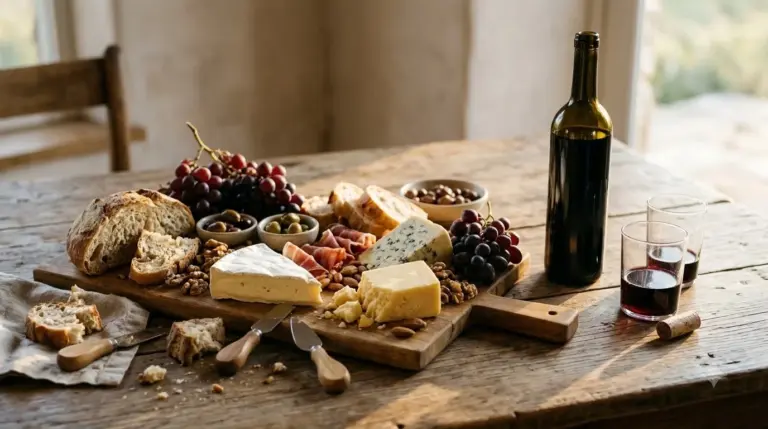
Tip: If you are unsure which Estancia red to choose, start with the food. Cabernet Sauvignon is a natural candidate for steak and aged cheese, Pinot Noir is a useful option for poultry and salmon, and Merlot offers a softer middle ground for casual meat-based meals.
Estancia Wine Types and Styles Explained
Estancia’s range covers six major grape varieties, each offering a different balance of fruit, acidity, body and tannin. Understanding those differences is the most effective way to decide which bottle is likely to suit your preferences.
Cabernet Sauvignon: A Fuller Red
Estancia Cabernet Sauvignon is one of the most recognizable choices in the brand’s red-wine range. The official winery description associates it with Paso Robles and identifies dark cherry, plum and raspberry as its characteristic fruit notes. Total Wine’s description adds black cherry, currant, chocolate, pepper and toasted sweet oak.
Cabernet Sauvignon typically has high tannin and a fuller body. That structure makes it a natural partner for protein-rich dishes, especially grilled steak, burgers and aged cheeses. Salt and fat soften the perception of tannin, which explains why a structured red can seem more balanced alongside a rich meal than when consumed by itself.
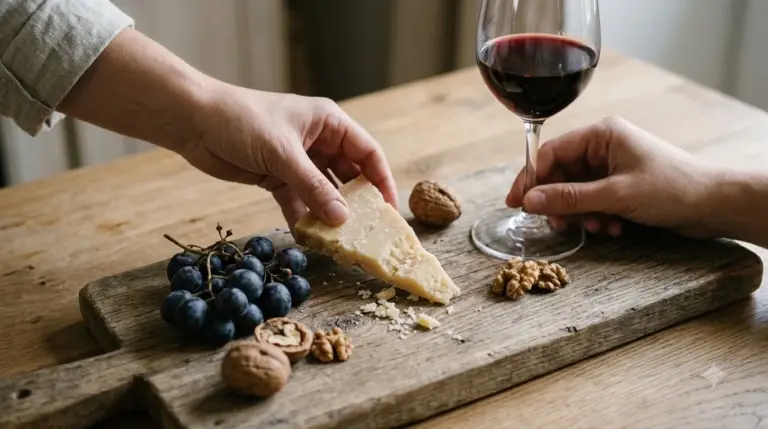
For food pairing, the winery specifically suggests aged Gouda, Parmesan, potatoes, salads, steak and red-sauce pasta. Those suggestions provide a useful starting point. Someone who enjoys dark fruit and a more substantial mouthfeel will probably find this style more satisfying than a delicate Pinot Noir.
Pinot Noir: A Lighter, More Flexible Red
Estancia’s Monterey County Pinot Noir is an alternative for people who prefer a softer red. The official description highlights ripe dark berries and subtle oak, with a velvety, smooth character. Total Wine also identifies berries, baking spices and cherries in its description.
Pinot Noir typically has lower to medium tannin and relatively high acidity compared with Cabernet Sauvignon. This combination makes it useful with dishes that would be overwhelmed by a more tannic red. Roast chicken, pork, mushrooms and salmon are all reasonable pairing choices.
One particularly useful detail is that Estancia’s official Pinot Noir pairing suggestions include smoked salmon and asparagus. That makes it a flexible option for meals where a heavy Cabernet would be less appropriate. It can also work with a simple mushroom dish, provided the seasoning and sauce do not overwhelm the wine.
Merlot: A Softer Middle Ground
Merlot is a practical option for drinkers who like red wine but prefer less assertive tannin. Total Wine describes Estancia Merlot as a medium-bodied, dry red with black cherry, plum and chocolate notes. Those characteristics place it in a familiar California red-wine style.
Merlot typically has medium tannin and a softer impression than Cabernet Sauvignon. It can accompany burgers, meatloaf, roasted vegetables and pasta dishes without requiring a particularly elaborate meal. Its fruit-forward character also makes it a reasonable introduction for people who are moving from lighter wines toward fuller reds.
If you are comparing Estancia Merlot with its Cabernet Sauvignon, the decision is largely about structure. Cabernet is generally firmer and more tannic, while Merlot is typically rounder and softer. Neither style is automatically superior; the better option is the one that matches your preference and food.
Sauvignon Blanc: Freshness and Acidity
Estancia Sauvignon Blanc deserves attention because there is specific independent review evidence for the variety. Wine Enthusiast awarded its reviewed 2025 California bottling 90 points and described aromas of lime blossoms, sweet orange, tropical fruits and hibiscus tea. The palate description includes grapefruit, lemon verbena, sugar snap peas and dried herbs.
The publication also lists that reviewed bottle at 12.5% ABV. Its tasting description emphasizes mouthwatering acidity, a characteristic that makes Sauvignon Blanc particularly useful with salads, seafood and fresh vegetable dishes.
For people who dislike heavy, creamy white wines, Sauvignon Blanc is a sensible starting point. Its naturally high acidity gives it a lively impression and helps it complement food with citrus, herbs or a fresh dressing. It is also a useful choice for an outdoor lunch or a simple seafood dinner.
Chardonnay: More Texture and Flexibility
Chardonnay offers a different white-wine experience. Compared with Sauvignon Blanc, Chardonnay typically has medium acidity and can feel rounder or fuller in the mouth. Depending on the winemaking approach, it may emphasize fresh apple and citrus, or develop additional creamy and oak-influenced characteristics.
Estancia includes Chardonnay among its six principal varieties. This makes it a practical option for someone who wants a familiar white wine for chicken, seafood or creamy pasta. However, the grape name alone does not establish whether a particular bottle is oaked or unoaked, so avoid assuming that all Chardonnay has the same texture.
Pinot Grigio: A Straightforward White
Pinot Grigio is generally a light-bodied white wine that emphasizes freshness rather than richness. It is useful for people who prefer uncomplicated fruit flavors, a refreshing finish and an easy match for lighter meals.
Pair it with grilled shrimp, white fish, salads and vegetable dishes. Its lighter profile is particularly useful when the meal contains delicate ingredients that could be overwhelmed by a richer Chardonnay. It is also a sensible option when guests prefer white wine but do not necessarily enjoy strong herbal or tropical flavors.
For a broader introduction to the producer and its selection, the Estancia wine overview provides another starting point. Drinkers who already know they prefer a fuller red can narrow their choices through the Estancia Cabernet selection, while those interested in exploring the red range can compare styles through the Estancia red wine overview.
Common Mistakes When Buying Estancia Wine
The most common buying mistakes involve confusing grape varieties, assuming that all bottles from one brand taste alike and overlooking the relationship between wine structure and food. Avoiding these errors makes it easier to select a bottle that genuinely suits the occasion.
Assuming every Estancia wine has the same flavor. A Cabernet Sauvignon and a Pinot Grigio are fundamentally different wines. The former typically has more tannin and body, while the latter is generally lighter and fresher. The fact that both carry the Estancia name does not mean they share the same drinking experience.
Choosing Cabernet Sauvignon when you actually prefer soft reds. Cabernet Sauvignon is typically high in tannin. If you dislike drying sensations or firm red wines, a Merlot or Pinot Noir may be a better match. The grape variety is often more informative than a general description such as smooth or fruity.
Expecting every red wine to pair well with fish. Oily fish such as salmon can work with some lighter reds, particularly Pinot Noir, but heavily tannic reds are often less successful. Cabernet Sauvignon can overpower delicate seafood and produce an unpleasant contrast with its texture.
Ignoring acidity when choosing white wine. Sauvignon Blanc usually has high acidity, while Chardonnay typically has medium acidity. If your meal contains lemon, vinegar or a sharp dressing, a low-acid wine may taste flat by comparison. Acidic food generally needs wine with equal or higher acidity to maintain balance.
Pairing wine with food that is sweeter than the wine. Dessert can make a dry wine taste sour or bitter. The general rule is to serve a wine that is at least as sweet as the dessert. This is especially important when choosing a wine for fruit-based desserts, pastries or sweet sauces.
Ignoring alcohol when serving spicy food. Chili heat can become more pronounced when combined with alcohol and tannin. A full-bodied, high-tannin Cabernet may therefore be a difficult match for intensely spicy food. A fresher, lower-tannin alternative is often more comfortable.
Assuming professional recognition applies to the entire brand. Wine Enthusiast’s 90-point review applies to a particular Estancia Sauvignon Blanc bottling, not every Estancia variety or vintage. A professional review is useful evidence, but it should be interpreted in the context of the exact wine reviewed.
Expecting an everyday wine to behave like a collectible bottle. A wine can be enjoyable without being intended for long-term aging. Estancia’s main appeal is its accessible California varietal range, so it makes more sense to evaluate its wines for freshness, balance and meal compatibility than to expect every bottle to develop for years in a cellar.
For a wider understanding of how producers and wine categories differ, the Wine Brands resource is another useful place to begin. Comparing brands by grape variety, origin and style is more meaningful than judging them solely by reputation or label design.
Care and Storage Tips for Estancia Wine
Correct storage and serving temperature can improve the drinking experience, even with an uncomplicated everyday wine. Keep bottles away from heat and direct sunlight, serve them at appropriate temperatures and refrigerate opened wine to preserve its freshness.
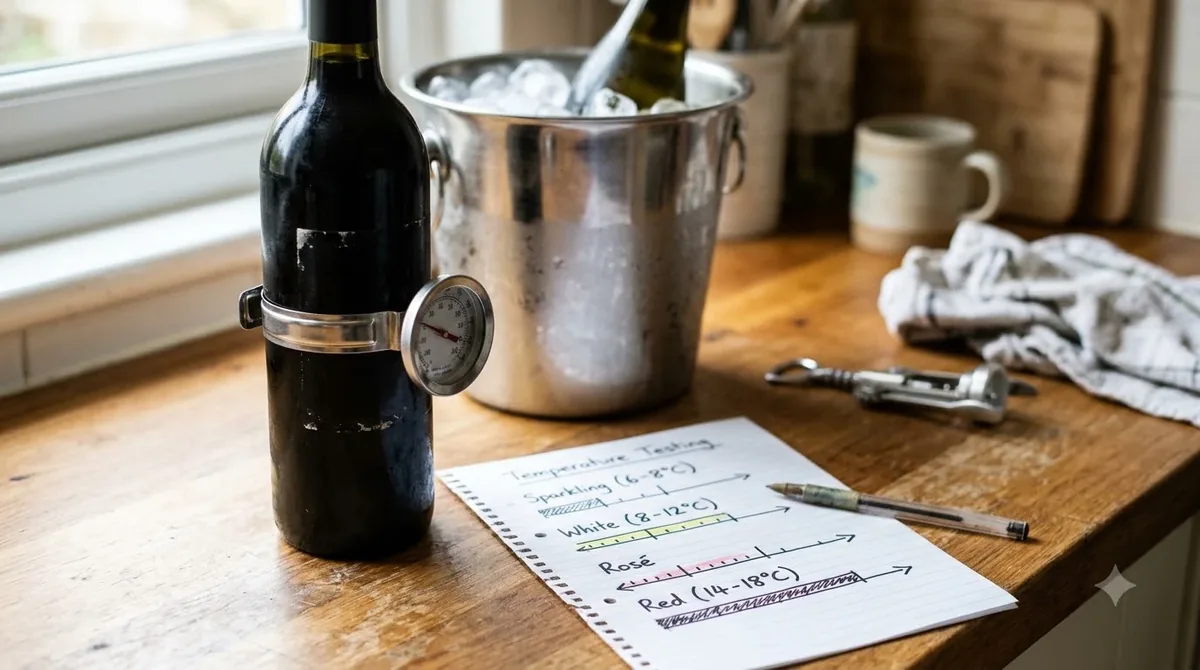
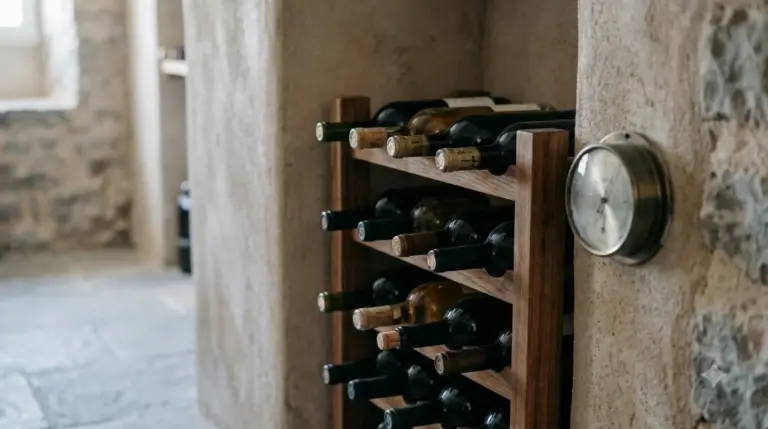
For unopened bottles, a stable storage temperature near 55°F is a useful target. Avoid placing wine beside an oven, on top of a refrigerator or near a sunny window. Repeated temperature changes can be more damaging than a modest variation around a stable storage temperature.
If you are storing a bottle with a natural cork for more than a short period, position it on its side so the cork remains in contact with the wine. This helps prevent the cork from drying out. Screw-cap bottles do not need to be stored horizontally for this reason, although a cool and dark location remains preferable.
Serving temperature is just as important. The following ranges provide practical guidance for the different styles in the Estancia portfolio.
| Wine category | Recommended serving temperature | Practical serving advice |
|---|---|---|
| Cabernet Sauvignon | 60–65°F | Allow a slightly cool serving temperature rather than warming it excessively. |
| Merlot | 60–65°F | Serve slightly below typical warm room temperature. |
| Pinot Noir | 55–60°F | A brief chill can emphasize freshness and fruit. |
| Sauvignon Blanc | 45–50°F | Keep it cool to preserve its refreshing acidity. |
| Pinot Grigio | 45–50°F | Serve chilled for a fresh, crisp impression. |
| Chardonnay | 50–55°F | Allow fuller flavors to show without serving it too warm. |
These temperatures are general wine-service recommendations rather than special instructions from Estancia. If a white wine becomes too cold, its aromas may seem muted. If a red becomes too warm, its alcohol can feel more prominent and its structure less balanced.
Once opened, most still wines remain in reasonable condition for approximately three to five days when resealed and refrigerated. The exact period depends on the wine’s condition, exposure to oxygen and storage temperature. Use a proper stopper and return the bottle to the refrigerator promptly after pouring.
Before serving a refrigerated red, allow it a little time to warm toward its recommended temperature. There is no need to leave it beside a hot stove or in direct sunlight. Gradual warming gives you more control over the final serving temperature.
Decanting is generally optional for everyday Estancia wines. Young, full-bodied reds can benefit from approximately 30–60 minutes of aeration when their aromas seem restrained or their tannins feel particularly firm. Lighter Pinot Noir usually needs less intervention. A simple opening and pouring routine is sufficient for most casual meals.
For ordinary dinner service, a 5-ounce pour is a useful standard. A 750 ml bottle provides approximately five such glasses. This makes it easy to estimate how many bottles are needed for a gathering without overpouring.
Frequently Asked Questions
Is Estancia wine made in California?
Yes. Estancia identifies its wines as California selections and sources grapes from vineyards across the state. Its official Cabernet Sauvignon product page identifies Paso Robles, while its Pinot Noir page identifies Monterey County. The winery also lists Madera and San Miguel, California, in its website copyright information.
Is Estancia wine suitable for beginners?
Yes. Its selection of recognizable grape varieties makes it relatively easy for new wine drinkers to explore different styles. Starting with Merlot, Pinot Noir or Pinot Grigio can help beginners understand the differences between body, tannin and acidity before moving toward more structured Cabernet Sauvignon or richer Chardonnay styles.
Does Estancia make wines with screw caps?
Some Estancia bottlings have been listed with screw-cap closures by major wine retailers. Wine.com has identified screw caps on certain historical Estancia Pinot Grigio and Sauvignon Blanc listings. Closure type can vary between individual wines and bottlings, so it should not be assumed that the entire portfolio uses one closure system.
How much alcohol does Estancia wine contain?
Alcohol content varies by grape variety and bottling. For example, Wine Enthusiast lists 12.5% ABV for its reviewed 2025 Estancia Sauvignon Blanc. The figure for another Estancia wine should be evaluated separately because different varieties and vintages can have different alcohol levels.
Can Estancia wine be used for cooking?
Yes. Dry Estancia Cabernet Sauvignon or Merlot can be used in red-wine reductions, braised meat dishes and tomato-based sauces. Sauvignon Blanc or Chardonnay can work in seafood sauces and chicken preparations. Choose a wine whose flavor complements the dish, and avoid using a wine with a sweetness level that conflicts with the recipe.
Estancia is a worthwhile California wine brand for people who value approachable varietal wines and familiar fruit-forward flavors. Cabernet Sauvignon is a strong starting point for fuller reds, Pinot Noir and Merlot offer softer alternatives, and Sauvignon Blanc provides particularly encouraging independent review evidence. Choose the grape variety that fits your taste and meal, then serve it at the right temperature to get the most from the bottle.
More in Wine Brands
 St Francis Wine Review: Find the Right Sonoma Wine for Your TasteUpdated Nov 21, 2026
 Sofia Blanc De Blancs Review: Taste, Sweetness, Food Pairings, and Buying TipsUpdated Nov 21, 2026
 Smoking Loon Wine Review: Choose the Right Bottle for Your TableUpdated Nov 21, 2026
 Sofia Blanc De Blancs Price: What to Expect and How to BuyUpdated Nov 21, 2026
 Stags Leap Wine Review: Compare Napa Wines and Choose the Right BottleUpdated Nov 21, 2026
 Sea Smoke Wine Review: Choose the Right Bottle for Your TasteUpdated Nov 21, 2026