

We may earn a commission when you buy through links on this page, at no extra cost to you. Learn more.
Estancia wine comes from Estancia Estates, a Monterey County winery brand best known for Pinot Noir and Chardonnay, with reds such as Cabernet Sauvignon sourced from Paso Robles. The brand traces back to 1986, when Augustin Huneeus established the winery near Soledad. According to the winery profile, the brand is now part of Constellation Brands.
This guide covers the brand’s background, its main wines and varietals, how it is positioned on price, and where its bottles fit into everyday wine buying in the United States. It also offers practical advice on pairing, storage and choosing between Estancia and similar brands.
What Is Estancia Wine?
Estancia wine is the product line of Estancia Estates, a winery brand whose name comes from a Spanish word meaning estate. The brand focuses on the idea that a wine should reflect where its grapes were grown. That philosophy shapes how the winery describes its vineyards, blends and bottling choices.
The brand is most associated with Monterey County Pinot Noir and Chardonnay. The winery also produces wines from vineyards farther south, so the lineup covers more than one region. If you are shopping for Estancia, it helps to know which bottle comes from which vineyard, because the style changes with the place.
The winery describes its goal as high quality at an affordable price. That positioning puts Estancia in the everyday and mid-range section of the shelf for many American shoppers. It is not usually sold as a collector’s wine, but it is a common choice for dinners, gatherings and weeknight bottles.
History and Winery Background
Estancia’s story starts with its founder, a Chilean-born wine executive who worked across South America and Europe before settling on California. He became a partner at Franciscan Vineyards in 1985 and then founded Estancia the following year. His early work shaped the brand’s belief in site selection and terroir.

In 1986, the founder bought the former Paul Mason vineyard ranches near Soledad in Monterey County. The property became the home of the winery and of the cool-climate varietals that remain the core of the brand. The Pinnacles Vineyard was planted to Chardonnay and Pinot Noir.
The brand expanded in 1999, when almost 700 acres in Paso Robles were bought as the vineyard base for Cabernet Sauvignon, Merlot, Zinfandel and a Red Meritage blend. This gave the winery warmer-climate fruit to balance its cooler Monterey sites. Today the brand is part of Constellation Brands, while its winemaking team continues to emphasize place.
For background on the region itself, the Monterey County wine entry on Wikipedia notes that the county’s cool coastal air moves inland through the valley. That climate helps explain why Pinot Noir and Chardonnay do so well in the area.
Estancia Wine Lineup and Varietals
The Estancia range includes several varietals across different vineyards. Pinot Noir is the brand’s signature, and reviewers commonly point to the entry-level Pinnacles Ranches bottling and a higher-end Reserve. Knowing the difference helps you choose the right bottle for the occasion.
| Wine style | Where it is linked to | What to know |
|---|---|---|
| Pinot Noir (entry level) | Pinnacles Ranches, Monterey County | Everyday red with cherry fruit and gentle oak |
| Pinot Noir (Reserve) | Stonewall Vineyard, Santa Lucia Highlands | Higher-end bottling with more concentration |
| Chardonnay | Monterey County vineyards | Crisp, cool-climate style; check the label for oak notes |
| Cabernet Sauvignon | Paso Robles vineyards | Warmer-climate red suited to rich meals |
| Merlot, Zinfandel, Red Meritage | Paso Robles vineyards | Additional reds for variety on the table |
| Grenache, Syrah and Mourvedre blend | Pinnacles Vineyard, Monterey County | Reserve blend modeled on Southern Rhone styles |
The Reserve Grenache, Syrah and Mourvedre blend stands out for collectors of Rhone-style wines. According to the winery, it was produced in small quantities and has sold out quickly with each new vintage. Vintages change, so check the current release before you buy.
Vintage matters for any Estancia bottle. The style can shift with the growing season, so a bottle from one year may taste different from another. Use the label to confirm the vintage, the vineyard and the varietal before you make a purchase.
Estancia Cabernet Sauvignon Overview
Estancia Cabernet Sauvignon is the brand’s main entry into big red wine. It comes from the Paso Robles vineyards bought in 1999, which sit in a warmer part of the Central Coast than the Monterey sites. That contrast gives the winery a different style for Cabernet fans.
Cabernet Sauvignon is generally a full-bodied red with firm tannins, so it pairs well with hearty dishes. The brand’s Cabernet fits that pattern. If you want a closer look at this bottle, read the dedicated Estancia cabernet guide before you choose a vintage.
Cabernet also works well as a comparison point for the rest of the lineup. Drinkers who prefer lighter reds often start with Pinot Noir, then move to Cabernet for heavier meals. Trying both lets you see how the same winery handles two very different grapes.
Price and Where to Buy Estancia Wine
Estancia is generally priced as an everyday wine rather than a luxury label. Prices vary by vintage, retailer and region, so the shelf price is the best guide. As of Nov 2026, check your local wine shop, grocery store or a reputable online retailer for current pricing.
Estancia is widely available in the United States, but selection can vary by state. Larger grocery chains and wine shops often carry the core Pinot Noir and Cabernet. Reserve bottlings and older vintages may be harder to find, so a specialty shop can help if you want a specific release.
Compare prices per bottle rather than per case, and read the vintage on the label. A slightly older vintage may cost less but still suit your meal. Ask the staff whether a bottle is current, since storage conditions at a shop affect the quality you get at home.
Food Pairings for Estancia Wines
Estancia wines pair well with everyday dinners because the reds are balanced rather than extreme. Pinot Noir suits roast chicken, salmon, mushroom dishes and tomato-based pasta. Its bright cherry fruit works with savory food without overwhelming it.
Cabernet Sauvignon calls for richer food. Grilled steak, lamb, aged cheese and hearty stews match its structure. Chardonnay pairs with creamy pasta, roast pork and seafood with butter sauces, especially when the wine is not heavily oaked.
A Wine Spies reviewer described the Reserve Grenache, Syrah and Mourvedre blend as an easy food companion that goes with most dishes. You can read that tasting notes in the Wine Spies tasting of the 2006 Reserve blend. For more matching ideas across brands, visit the Wine Brands section.
How to Store Estancia Wine
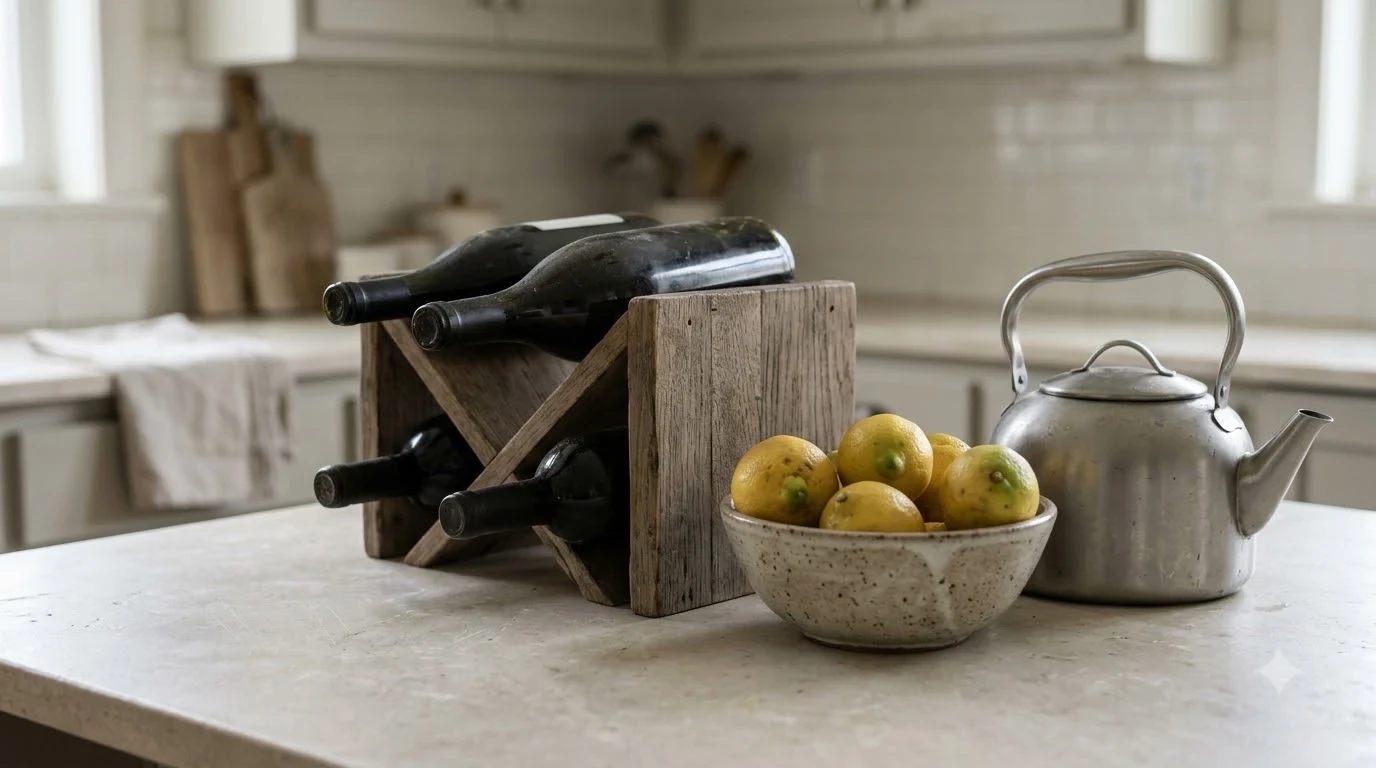
Store Estancia bottles in a cool, dark place with steady temperatures. Heat and light speed up aging, and frequent temperature swings can damage the wine over time. A closet away from appliances or a dedicated wine fridge works well.
Keep bottles on their side if they have natural corks, so the cork stays moist. Screw-cap bottles do not need this step. Check the label or the producer’s guidance for any special instructions, since storage advice can vary by bottle.
Most everyday Estancia bottles are meant to be opened within a few years of purchase. Reserve bottlings may benefit from longer cellaring, but the best approach is to check the release notes. Once opened, recork the bottle, refrigerate it if it is a white, and drink it within a few days for the best flavor.
Tip: Serve reds slightly cooler than room temperature and whites well chilled. Drink responsibly, and pace yourself at dinner.
Frequently Asked Questions
Who makes Estancia wine?
Estancia wine is made by Estancia Estates, a winery founded in 1986 near Soledad in Monterey County. According to the winery profile, the brand is part of Constellation Brands. Scott Kelley serves as the winemaker and director of winemaking.
What is Estancia best known for?
The brand is best known for Monterey County Pinot Noir and Chardonnay. It also produces Cabernet Sauvignon, Merlot, Zinfandel and a Red Meritage from Paso Robles vineyards. The entry-level Pinot Noir and the Reserve bottling are popular starting points.
Is Estancia wine expensive?
Estancia is generally positioned as an everyday, mid-range wine rather than a luxury label. Prices vary by vintage and retailer. Check the current shelf price, since costs change over time.
What food goes best with Estancia Pinot Noir?
Estancia Pinot Noir pairs well with roast chicken, salmon, mushroom dishes and tomato-based pasta. Its bright cherry fruit suits savory food without overpowering it. Lighter reds like this are often easier to match than bold, tannic wines.
Estancia wine offers a clear introduction to Monterey County Pinot Noir and Paso Robles reds at an approachable price. Start with the entry-level Pinot Noir, then try the Cabernet to compare styles. For more brand background, explore the Ariel wine guide to see how another label approaches its lineup.
More in Wine Brands
 Underwood Wine Price: Compare Bottles, Cans, and Pack SizesUpdated Nov 21, 2026
 Zenato Wine Price: Compare Styles and Choose the Right BottleUpdated Nov 21, 2026
 Zuccardi Wine Price: Compare Bottles and Find the Right RangeUpdated Nov 21, 2026
 Yellow Tail Moscato Review: Taste, Sweetness and Serving TipsUpdated Nov 21, 2026
 Wolf Blass Yellow Label Review: Choose Your Best StyleUpdated Nov 21, 2026
 Wolffer Estate Rose Review: Choose the Right Bottle for Your TableUpdated Nov 21, 2026