

We may earn a commission when you buy through links on this page, at no extra cost to you. Learn more.
This sofia blanc de blancs review finds that Francis Ford Coppola’s Sofia Blanc de Blancs is an approachable California sparkling wine with delicate bubbles, refreshing acidity, and fruit-forward flavors suited to casual celebrations and food-friendly sipping. Depending on the bottling, its blend can include Chardonnay, Pinot Blanc, Riesling, and Muscat, producing different expressions of citrus, pear, peach, and floral aromas. It is a good option for drinkers who prefer lighter sparkling wines over intensely yeasty, sharply dry traditional-method Champagne.
Sparkling wine does not have to be reserved for formal occasions, and Sofia Blanc de Blancs is designed around that idea. Its California origins, approachable character, and celebratory presentation make it relevant for brunches, informal gatherings, outdoor meals, and everyday toasts. However, understanding its changing grape composition and sweetness is important before choosing a bottle. This guide examines its style, flavor, food compatibility, and practical buying considerations so you can decide whether it matches your preferences.
Who Should Choose Sofia Blanc de Blancs?
Sofia Blanc de Blancs is best suited to sparkling-wine drinkers who appreciate approachable fruit flavors, gentle effervescence, and an uncomplicated drinking experience. Its California origins and light style make it particularly suitable for casual occasions rather than formal tastings centered on complex traditional-method sparkling wines.
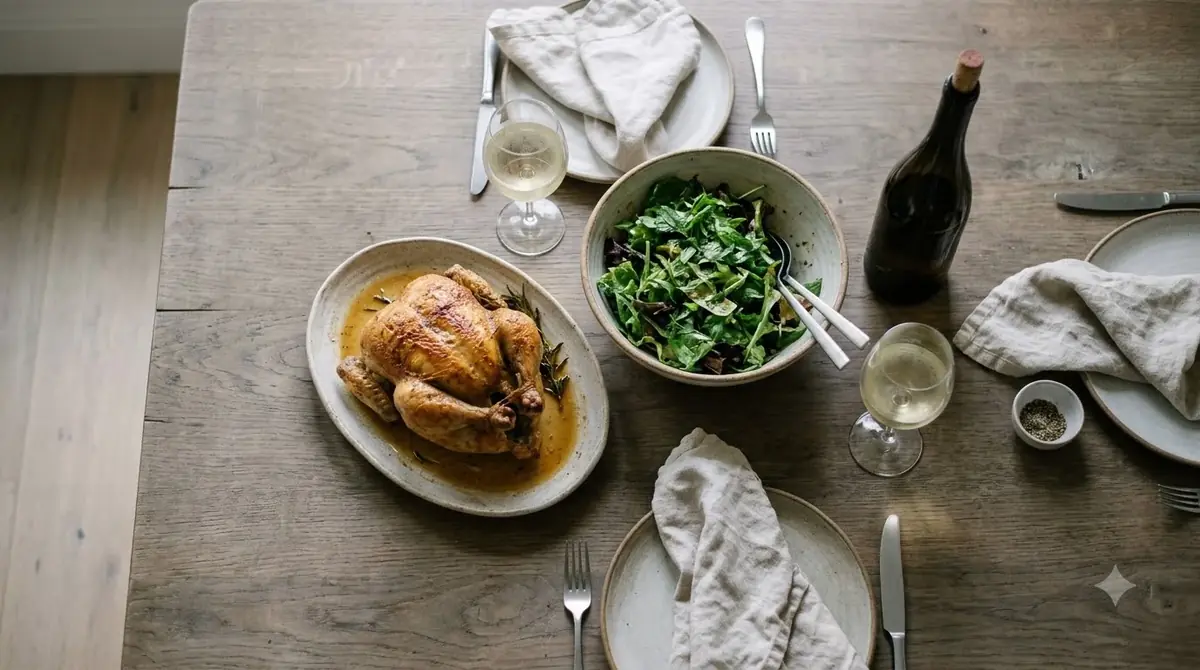
One of its main attractions is accessibility. The wine has been presented with fruit-forward aromas and a relatively soft sparkling character. Wine Enthusiast’s review of a non-vintage Monterey County bottling describes melon rind, lime peel, and wet chalk on the nose, followed by cucumber, melon, and lime flavors. The publication also highlights its fine bubbles and pillowy mousse. These characteristics suggest a refreshing wine that can be enjoyed without extensive knowledge of sparkling wine production. Read the Wine Enthusiast tasting review of Sofia Blanc de Blancs for the publication’s description of that particular bottling.
It is also worth understanding what the name means. Blanc de Blancs is a French expression meaning white wine made from white grapes. It describes the grape-color category, not a guarantee that the wine contains only Chardonnay. Sofia’s different releases demonstrate this distinction particularly well: some have used Chardonnay and Pinot Blanc, while earlier versions included Pinot Blanc, Riesling, and Muscat.
That changing composition makes Sofia interesting for people who enjoy aromatic white wines. Pinot Blanc contributes a fresh, relatively neutral fruit character, while Riesling can add lively acidity and recognizable citrus or orchard-fruit aromas. Muscat brings floral and perfumed characteristics. Chardonnay can contribute structure and a familiar sparkling-wine profile.
Different drinkers will find different reasons to consider it:
- New sparkling-wine drinkers: Its approachable fruit profile offers an accessible introduction to California bubbly.
- Brunch hosts: Its citrus and orchard-fruit character works with eggs, pastries, and savory breakfast dishes.
- Casual entertainers: It suits informal celebrations where a light, refreshing wine is more important than traditional prestige.
- Fans of aromatic whites: Earlier blends featuring Riesling and Muscat offer a different direction from conventional Chardonnay-led sparkling wines.
- Gift shoppers: The Sofia presentation gives it a celebratory appearance for birthdays, small gatherings, and other occasions.
However, drinkers who specifically want Champagne’s pronounced autolytic character, long-lasting complexity, or firmly structured acidity should consider other styles. Sofia is better approached as an accessible California sparkling wine than as a direct substitute for prestige Champagne. People who strongly prefer completely dry sparkling wines should also pay attention to the differences between its bottlings.
For a closer look at the individual wine, see our Sofia Blanc de Blancs overview. It provides useful additional context when comparing the wine’s presentation and general identity with other sparkling options.
Key Factors to Compare Before Buying
The most important buying considerations are grape composition, sweetness, alcohol level, origin, and bubble texture. Sofia Blanc de Blancs has appeared in several different blends, so the characteristics of one release should not automatically be applied to every bottle carrying the name.
Grape composition is the first consideration. A 2017 producer sheet identifies a blend of 70% Pinot Blanc, 15% Riesling, and 15% Muscat. By contrast, Wine.com’s listing for another non-vintage bottling identifies 79% Chardonnay and 21% Pinot Blanc. These are meaningful differences, not minor adjustments.
The Pinot Blanc, Riesling, and Muscat combination suggests a more aromatic, floral direction. The Chardonnay and Pinot Blanc combination gives the wine a different balance of fruit, freshness, and familiar white-grape characteristics. Neither formulation should be assumed to represent every release.
Sweetness is equally important. The producer’s 2017 information describes that bottling as off-dry, with residual sugar of 0.9 grams per 100 ml. This indicates a perceptible amount of sweetness, although the wine also has acidity to keep the overall impression refreshing.
Professional descriptions of other releases vary. K&L Wine Merchants describes the 2011 bottling as slightly sweet, while Wine Enthusiast’s tasting notes for a non-vintage Monterey County bottling emphasize fresh citrus and melon. This variation is another reason to distinguish the particular release rather than treating Sofia as a wine with one fixed sweetness profile.
Alcohol content is another useful comparison point. Listings for Sofia include bottlings at 11.5% and 12% ABV. Both are within a familiar range for approachable sparkling wine, although the difference is worth recognizing when comparing bottles.
| Buying factor | Documented example | What it means |
|---|---|---|
| Origin | Monterey County, California | California coastal sparkling-wine identity |
| Grape blend A | 70% Pinot Blanc, 15% Riesling, 15% Muscat | Aromatic, floral, fruit-forward profile |
| Grape blend B | 79% Chardonnay, 21% Pinot Blanc | Chardonnay-led expression |
| Alcohol | 11.5% to 12% ABV | Moderate sparkling-wine strength |
| Bottle size | 750 ml | Approximately five standard 5 oz pours |
| Residual sugar | 0.9 g per 100 ml in the 2017 bottling | Off-dry sweetness in that release |
| Aging method | Stainless steel in the 2017 producer sheet | Preserves a fresh fruit character |
| Regional designation | Monterey County, California | Central Coast wine origin |
These figures describe documented bottlings rather than a universal specification for every Sofia release. The table is useful for understanding the range of styles associated with the wine, but it should not be treated as a single definitive recipe.
Production method also deserves attention. The 2017 producer information identifies stainless-steel aging. This is consistent with a fresh, fruit-oriented presentation rather than a style built around extended oak influence. However, stainless-steel aging alone does not establish the precise secondary-fermentation method. It would be inaccurate to assume that every Sofia bottling follows the same sparkling-wine production process without specific confirmation.
For a more conventional comparison, consider Kim Crawford Sauvignon Blanc. Although it is a still wine rather than a sparkling alternative, it provides a useful reference for bright, citrus-driven white-wine flavors. Comparing the two helps clarify whether the bubbles are an essential part of your preference or whether refreshing acidity and fruit are the main attractions.
Step-by-Step: How to Select and Enjoy a Bottle
Choosing Sofia Blanc de Blancs is straightforward if you approach the decision in a consistent order. Start with the intended occasion, identify the preferred sweetness level, confirm the grape blend, and then plan the serving and food pairing.
-
Decide what the occasion requires.
For a relaxed brunch, outdoor gathering, or informal toast, Sofia’s light effervescence and approachable fruit character are sensible attributes. For a formal Champagne-focused dinner, a traditional-method sparkling wine may provide more complexity and a different texture. Matching the wine to the event prevents unrealistic expectations.
-
Identify the particular bottling.
Look for the producer and regional information associated with the bottle. Sofia has appeared as a Monterey County sparkling wine, but its grape composition has changed across releases. A Chardonnay and Pinot Blanc blend should not be treated as interchangeable with the earlier Pinot Blanc, Riesling, and Muscat formulation.
-
Determine your preferred sweetness.
If you enjoy slightly sweet white wines, the documented off-dry 2017 formulation is a useful reference. If you prefer a more restrained impression of sweetness, look for a release whose tasting description emphasizes crisp citrus and acidity. Do not assume that all bottles will taste identical.
-
Choose suitable food.
Think about the wine’s fruit character and acidity. Grilled chicken, potato chips, macaroni and cheese, and lightly seasoned seafood are practical options. For dessert, fruit tart with lemon custard offers a particularly relevant pairing because it echoes the wine’s fruit and citrus characteristics.
-
Chill the bottle correctly.
Refrigerate the bottle before serving and aim for approximately 40 to 50 degrees Fahrenheit. This temperature range helps maintain freshness and keeps the sparkling character lively. Avoid serving it excessively warm, which can make the alcohol and sweetness feel more prominent.
-
Open it carefully.
Sparkling bottles contain pressure, so keep the bottle pointed away from people and fragile objects. Remove the foil and loosen the cage while maintaining control of the cork. Hold the cork securely, rotate the bottle slowly, and allow the cork to release with a controlled movement rather than a forceful pop.
-
Use appropriate glassware.
A tulip-shaped sparkling-wine glass allows aromas to develop while preserving the bubbles. A standard flute is another option if retaining visible effervescence is your priority. Avoid filling the glass to the rim; a 5 oz pour leaves sufficient room for aromas and makes serving a 750 ml bottle straightforward.
These steps are useful whether the bottle is intended for a quiet evening or a larger gathering. The main objective is to preserve freshness and match the wine’s style with the occasion rather than treating every sparkling wine as though it requires the same elaborate service.
Tip: Chill Sofia Blanc de Blancs to approximately 40 to 50 degrees Fahrenheit before serving. If the wine seems too cold initially, allow it a few minutes in the glass so its pear, peach, citrus, and floral aromas have room to develop.
Types and Styles Explained
Sofia Blanc de Blancs is not defined by one unchanging grape formula. Its different bottlings demonstrate how the same sparkling-wine name can cover several related expressions, from aromatic blends featuring Pinot Blanc and Muscat to Chardonnay-led formulations.
Pinot Blanc, Riesling, and Muscat Blend
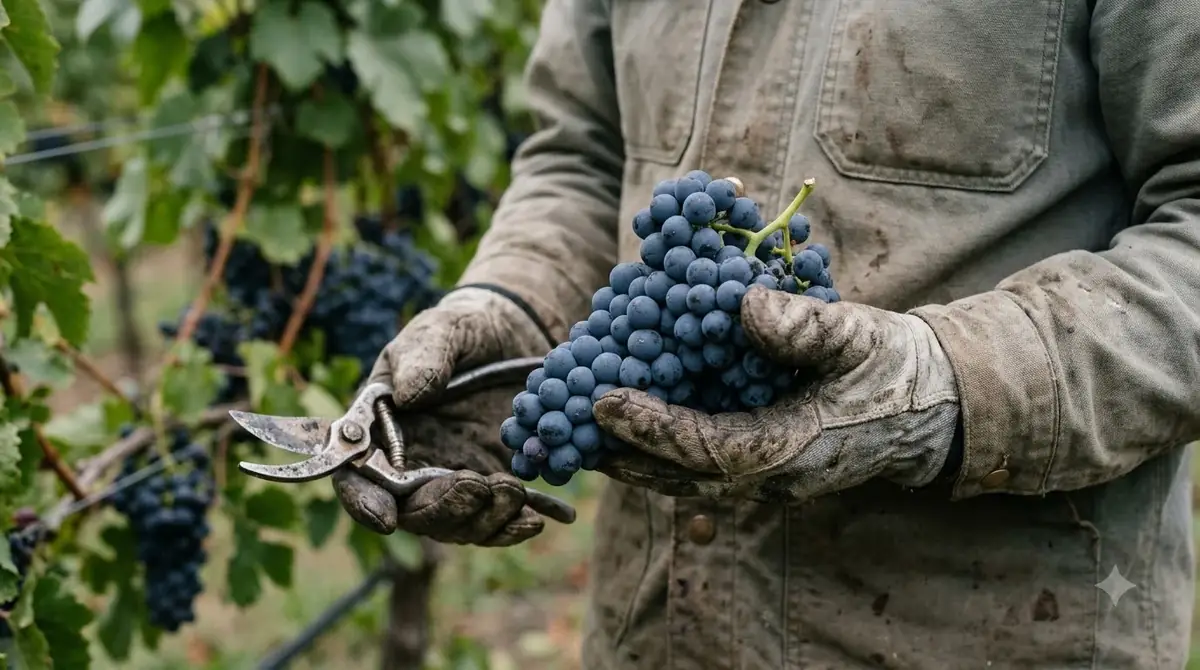
The earlier 2017 formulation provides a particularly clear example of Sofia’s aromatic approach. According to the producer’s sheet, it contains 70% Pinot Blanc, 15% Riesling, and 15% Muscat. Its tasting description identifies crisp apple, nectarine, honeysuckle, and ginger, followed by pear, apricot, and quince impressions.
The combination is useful for understanding why Sofia can appeal to drinkers who enjoy aromatic white wines. Riesling contributes freshness and recognizable citrus or orchard-fruit notes, while Muscat is associated with floral aromas. Pinot Blanc provides a relatively restrained white-fruit foundation that allows the other grapes to contribute their individual characteristics.
The producer classifies this formulation as off-dry, with 0.9 grams of residual sugar per 100 ml. That information makes it particularly relevant for people who enjoy a little sweetness rather than a completely austere sparkling wine.
Chardonnay and Pinot Blanc Blend
A different expression is documented by Wine.com, which identifies a 79% Chardonnay and 21% Pinot Blanc blend. This formulation places Chardonnay at the center of the wine’s identity while retaining Pinot Blanc as a supporting variety.
The producer’s tasting notes for this listing describe pear and peach aromas, peach and red raspberry flavors, lively bubbles, and crisp acidity. The overall description emphasizes a balanced and rounded finish. This is a useful option to understand if your preferred sparkling wines generally feature familiar orchard-fruit flavors rather than strongly perfumed Muscat characteristics.
The Chardonnay-led formulation also demonstrates why a buyer should avoid relying exclusively on older reviews. A review of an earlier blend may describe an entirely different balance of grapes and flavors.
Other Documented Aromatic Expressions
Reviews of Sofia from different bottlings provide additional examples of its range. Wine Enthusiast describes a non-vintage Monterey County version with melon rind, lime peel, wet chalk, cucumber, and melon. Its description of fine bubbles and a soft mousse suggests a texture that prioritizes drinkability over aggressive carbonation.
Another professional description appears in K&L Wine Merchants’ listing for the 2011 bottling. It references orange blossom, apricot, quince, Granny Smith apple, pineapple, and lemon. The retailer also reproduces a Wine Spectator description highlighting green apple, spiced nut, and fennel.
These differences do not necessarily indicate inconsistency or a flaw. They reflect the fact that different blends and releases can produce different sensory experiences. The best way to understand Sofia is to consider each documented bottling on its own terms.
It is also important not to confuse Blanc de Blancs with Champagne. Champagne is a protected wine appellation associated with a specific region of France and regulated production requirements. Sofia is a California sparkling wine. Its name describes a white-grape sparkling style, not a French regional origin.
Likewise, the term does not establish whether the wine was made using the traditional bottle-fermentation method. That detail requires separate production information. A wine can be a Blanc de Blancs without being Champagne or following the same production method as Champagne.
Common Mistakes When Buying Sofia Blanc de Blancs
The most common buying mistakes involve assuming that Blanc de Blancs always means Chardonnay, expecting every release to have the same sweetness, and comparing Sofia directly with Champagne without considering production differences. Understanding these distinctions makes it easier to choose the right bottle for your preferences.
Assuming Every Blanc de Blancs Contains Only Chardonnay
This is one of the easiest mistakes to make. Chardonnay is strongly associated with Blanc de Blancs sparkling wine, particularly in Champagne, but the term itself does not require Chardonnay to be the only grape.
Sofia illustrates this distinction through its documented blends. The 2017 producer information identifies Pinot Blanc, Riesling, and Muscat, while another listing describes Chardonnay and Pinot Blanc. Both can be described as Blanc de Blancs because the relevant grapes are white varieties.
Therefore, the name alone is not enough to determine the wine’s aroma or structure. Buyers who particularly enjoy Chardonnay should look for a release that identifies Chardonnay in its blend rather than assuming that every bottle has the same composition.
Expecting One Fixed Sweetness Level
Another mistake is treating Sofia as either universally dry or universally sweet. The 2017 producer sheet identifies an off-dry style, while descriptions of other releases emphasize citrus, melon, and refreshing acidity. These characteristics can create different impressions of sweetness.
Sweetness and acidity should also be considered together. A wine with some residual sugar can still taste refreshing when acidity provides balance. Conversely, a wine described as crisp may still have enough fruit character to seem softer than a very dry traditional sparkling wine.
Expecting Champagne-Level Complexity
Sofia is best considered an approachable California sparkling wine. Drinkers expecting pronounced toasted bread, brioche, or extended yeast-derived complexity may find its fruit-forward style less elaborate than the Champagne they have in mind.
Champagne and many Cava wines undergo a second fermentation in the bottle. That process can contribute distinctive texture and aromas as the wine ages on its lees. A general sparkling-wine description does not establish that Sofia uses the same production approach.
The practical solution is to compare wines by style and production rather than by the presence of bubbles alone. A lighter, fresher wine can be an excellent choice for casual drinking even if it does not offer the complexity expected from a prestige sparkling wine.
Ignoring Food Acidity and Sweetness
Food pairing can change the way a sparkling wine tastes. Very acidic dishes can make a less-acidic wine seem flat, while very sweet desserts can make a relatively dry wine taste sharper and less fruity.
For Sofia, consider citrus-based salads, lightly seasoned grilled chicken, or salty snacks. Salt and fat can soften the perception of acidity and tannin, while the wine’s refreshing character complements richer food. If serving dessert, choose something whose sweetness is not dramatically greater than the wine’s. A fruit tart with lemon custard is a useful starting point because its fruit and citrus components connect with the wine’s documented flavor profile.
Serving It Too Warm
Warm sparkling wine often seems less refreshing, and its alcohol can become more noticeable. Serving Sofia around 40 to 50 degrees Fahrenheit helps preserve the lively impression of its bubbles and fruit.
There is no need to place the bottle in a freezer for an extended period. Gradual refrigeration is easier to control and reduces the risk of forgetting the bottle or exposing it to an unsuitable temperature for too long.
Food Pairings, Serving, and Storage Tips
Sofia Blanc de Blancs works best with food that complements its fruit, acidity, and gentle effervescence. Lightly seasoned savory dishes, salty snacks, poultry, and citrus-accented desserts are sensible choices, while heavily tannic or intensely spicy foods can be more difficult matches.
The producer specifically recommends buttermilk fried chicken and fruit tart with lemon custard for one listed formulation. Kroger’s product information also identifies macaroni and cheese, potato chips, and grilled chicken as suitable pairings. These suggestions provide a useful starting point for building a menu around the wine.
Best Savory Pairings
Fried chicken: The crisp exterior and savory richness of fried chicken create an appealing contrast with sparkling wine. The bubbles help refresh the palate between bites, while the wine’s fruit character provides a complementary flavor.
Grilled chicken: A simply seasoned chicken breast or grilled thighs work well with a fruit-forward white sparkling wine. Lemon, herbs, and light butter sauces can reinforce the citrus and orchard-fruit character without overwhelming the wine.
Macaroni and cheese: This is a useful pairing for the softer, richer texture of the food. The sparkling wine’s acidity provides contrast to the cheese, while the bubbles help prevent the combination from feeling too heavy.
Potato chips: Salt and crunch make chips a simple party snack for sparkling wine. Salt can soften the perception of acidity, and the wine’s refreshing character complements the snack’s richness.
Seafood: Shrimp, scallops, and simply prepared white fish are sensible options. Lemon and herb seasoning will generally work better than heavy sauces or strong smoke flavors. Avoid heavily tannic red wines with oily fish, but Sofia’s white sparkling profile is not affected by that particular red-wine mismatch.
Desserts and Fruit-Based Pairings
Fruit tart with lemon custard is a producer-recommended pairing worth considering. The citrus element connects with the wine’s fresh character, while the fruit provides a complementary aromatic bridge.
Peach desserts, pear pastries, and lightly sweetened fruit dishes can also work. However, dessert sweetness should be considered carefully. Wine should generally be at least as sweet as the dessert; otherwise, the wine can seem thin or sharply acidic beside it.
For a sweeter dessert, a sweeter sparkling wine may be a more suitable choice. Sofia’s off-dry documented formulation may work with moderately sweet fruit desserts, but it should not automatically be paired with very sugary cakes or rich chocolate desserts.
Serving Temperature and Glassware
Serve sparkling Sofia at approximately 40 to 50 degrees Fahrenheit. This is a practical range for preserving freshness and keeping the bubbles lively. A standard refrigerator can chill the bottle before serving, although the exact time depends on its starting temperature and the refrigerator’s performance.
A tulip-shaped glass is useful because it provides more room for aromas than a narrow flute while still retaining visible effervescence. A flute remains a perfectly reasonable choice for a formal toast or a setting where the visual presentation of the bubbles matters.
Use a moderate pour of approximately 5 ounces. A standard 750 ml bottle contains about five such servings, making it relatively easy to plan quantities for a gathering. Smaller pours also leave room for the wine’s aromas to develop in the glass.
Storage After Opening
Keep unopened sparkling wine away from direct sunlight, excessive heat, and large temperature fluctuations. For longer storage, a cool, dark environment is preferable. A general wine-storage target is around 55 degrees Fahrenheit, with bottles stored on their sides when appropriate for their closures.
Once opened, sparkling wine gradually loses carbonation. A proper sparkling-wine stopper can help preserve its bubbles, but the bottle should still be refrigerated. A practical general guideline is to consume opened sparkling wine within one to three days for the best quality.
Do not assume that a bottle will retain the same lively texture after several days. The aroma and flavor may remain recognizable even as the bubbles become less pronounced. If the wine is being served for a celebration, opening it shortly before guests arrive is preferable to opening it hours in advance.
For another California white-wine comparison, see Oyster Bay Sauvignon Blanc. It offers a useful reference point for bright, fresh white-wine flavors, although it is a still Sauvignon Blanc rather than a sparkling blend. The comparison can help distinguish a preference for refreshing acidity from a preference for sparkling texture.
Readers exploring more producers and wine styles can also browse our Wine Brands resource for additional background on selecting wines by producer, region, grape variety, and style.
Frequently Asked Questions
Is Sofia Blanc de Blancs made in California?
Yes. Sofia Blanc de Blancs is associated with California, with documented bottlings identified as coming from Monterey County. Monterey is part of California’s Central Coast wine region. The coastal climate is influenced by cool ocean conditions, which help create a suitable environment for growing white-wine grapes.
Does Sofia Blanc de Blancs contain sulfites?
Wine generally contains sulfites, either naturally produced during fermentation or present through winemaking additions. Retail product information for Sofia also identifies sulfites in its ingredient and warning information. The precise amount can vary between bottlings, and the product listing does not establish a universal sulfite concentration for every release.
Can Sofia Blanc de Blancs be used for sparkling wine cocktails?
Yes. Its fruit-forward character and light effervescence make it a possible base for simple sparkling cocktails. A small amount of peach or citrus juice can complement the documented fruit profile. Add sparkling wine last and stir gently to preserve as much carbonation as possible.
What does the term Blanc de Blancs mean on a sparkling wine label?
Blanc de Blancs translates to white from whites and identifies a wine made from white grape varieties. It is a style description rather than a guarantee of Chardonnay content or a particular production method. This is why California wines made with Pinot Blanc, Riesling, or Muscat can also carry the designation.
Is Sofia Blanc de Blancs suitable for a wedding toast?
Yes. Its approachable style and celebratory presentation make it a reasonable option for informal wedding receptions and smaller gatherings. For a larger event, plan around approximately five standard 5-ounce pours per 750 ml bottle, allowing additional bottles for guests who prefer a second serving. Formal Champagne-focused celebrations may call for a more traditional alternative.
Sofia Blanc de Blancs is a practical choice for people who enjoy California sparkling wine with approachable fruit, gentle bubbles, and refreshing acidity. Its different grape blends mean that sweetness and flavor can vary, so understanding the particular bottling is the most important buying step. If you want an easygoing sparkling wine for brunch, appetizers, or casual celebrations, Sofia deserves consideration.
More in Wine Brands
 Stella Rosa Platinum Review: Flavor, Sweetness, and Serving TipsUpdated Nov 21, 2026
 St Francis Wine Review: Find the Right Sonoma Wine for Your TasteUpdated Nov 21, 2026
 Smoking Loon Wine Review: Choose the Right Bottle for Your TableUpdated Nov 21, 2026
 Sofia Blanc De Blancs Price: What to Expect and How to BuyUpdated Nov 21, 2026
 Stags Leap Wine Review: Compare Napa Wines and Choose the Right BottleUpdated Nov 21, 2026
 Sea Smoke Wine Review: Choose the Right Bottle for Your TasteUpdated Nov 21, 2026