

We may earn a commission when you buy through links on this page, at no extra cost to you. Learn more.
Sofia Blanc de Blancs is an off-dry sparkling wine from Francis Ford Coppola Winery, made in Monterey County from Pinot Blanc, Riesling and Muscat. It is 12.0% alcohol by volume, fermented under the Charmat method in stainless steel tanks, and it is best served chilled between 40 and 50 F. Expect bright white peach, honey and citrus aromas, which makes it a practical choice for aperitifs, brunch and casual celebrations.
Sofia Blanc de Blancs stands out on the shelf for its name, its family ties to Francis Ford Coppola, and its gentle, fruit-forward style. Shoppers often pick it up for a party, a gift or a weekend brunch without knowing how it is made or how it compares with Prosecco and Champagne. Because the bottle sits alongside many other sparklers in retail displays and gift sections, knowing what is inside helps you choose quickly. This guide covers the producer, the grape blend, the production method, sweetness and alcohol, serving temperature, food matches and storage, so you can decide whether it suits your table.
What Sofia Blanc de Blancs Is and Who Makes It
The wine is a sparkling white bottled by Francis Ford Coppola Winery, and it is built entirely from white grapes. The producer’s published details place the winery in Geyserville, in Sonoma County, California, even though the fruit comes from Monterey County. The name comes from the Coppola family, and the producer describes the wine as having started as a gift from a father to his daughter, modeled after the Proseccos of Northern Italy.
That Prosecco inspiration shapes the style. The goal is an easy-drinking, aromatic sparkler rather than the toasty, bread-driven character that many people associate with classic French Champagne. For a buyer, that means the fruit and freshness sit at the front of the glass, and the wine is designed to be enjoyed soon after purchase rather than held for years.
The house also makes a separate bottling called Sofia Méthode Champenoise. It starts from the same Blanc de Blancs base wine, but it is fermented in the bottle and aged on lees for two years, which gives a richer texture. Shoppers who want that more structured style should look for that name, while the Blanc de Blancs is the lighter, fruit-first option. For background on how this label fits among other producers, see our Wine Brands section.
The Pinot Blanc, Riesling and Muscat Blend
The blend is 70 percent Pinot Blanc, 15 percent Riesling and 15 percent Muscat, all sourced from Monterey County. That split makes Pinot Blanc the foundation and the two aromatic varieties the accents.
Pinot Blanc gives the wine its soft, round body and orchard-fruit character. The producer says the blend is composed mainly of Pinot Blanc, with Riesling and Muscat adding fragrant notes of tropical fruit and honeysuckle. Pinot Blanc is a relatively neutral grape on its own, so the aromatic contribution of Riesling and Muscat has a larger influence on the final character. Those aromatics are the reason the wine smells more floral than many entry-level sparklers, and they are the main reason it shows well as an aperitif.
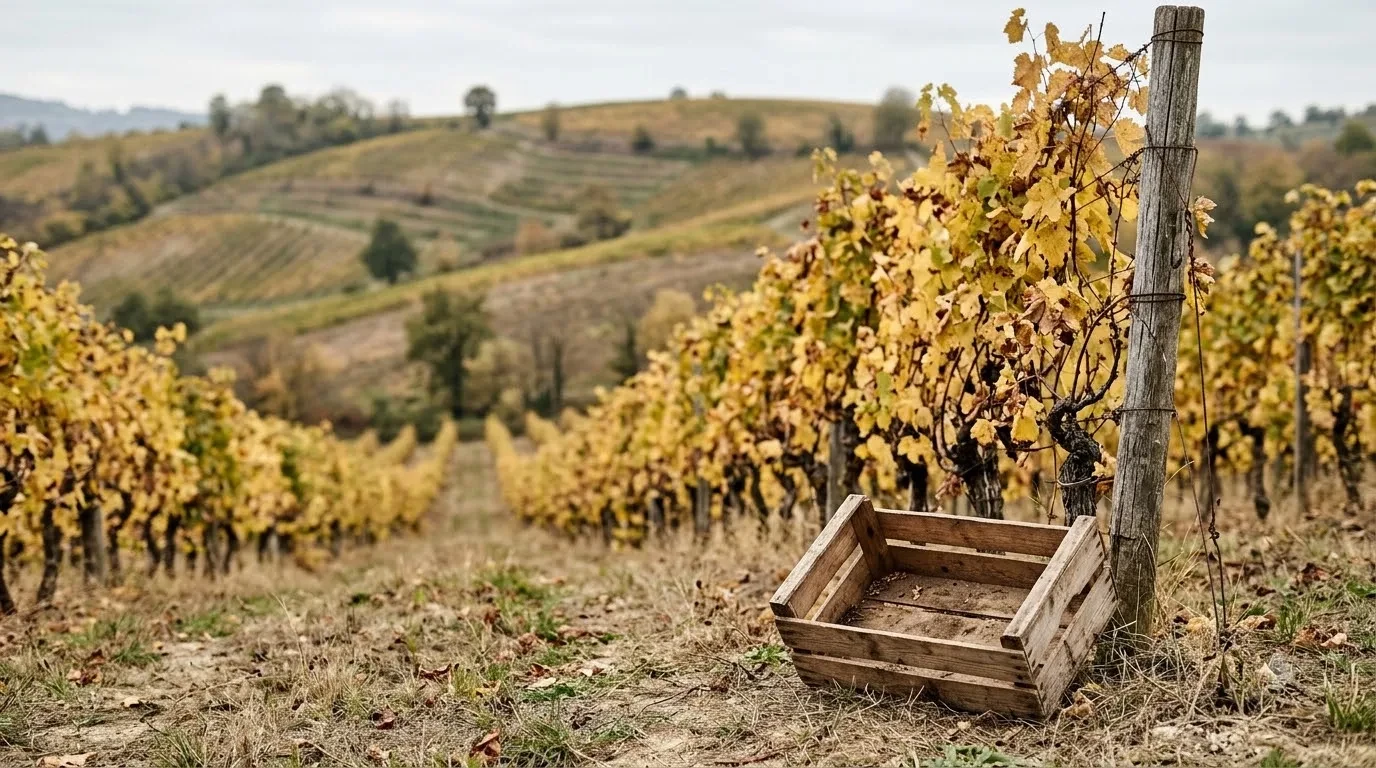
Monterey County’s climate also matters. The producer notes that the county is chilly compared with other California appellations, and that cooler conditions let the fruit mature slowly and develop concentration and aromatic intensity. That slow ripening helps the wine hold on to crisp acidity at a moderate alcohol level. The combination of cool-climate fruit and an aromatic blend gives Sofia its light, lifted profile rather than the heavier, riper character of warmer California sparklers.
How the Charmat Method Creates the Bubbles
Sofia Blanc de Blancs gets its bubbles in tanks rather than in individual bottles, which keeps the fruit prominent. The method is also the reason the wine tastes lighter than many traditional-method sparklers.
The producer’s published process begins with whole-cluster pressing of the grapes into stainless steel tanks for primary fermentation. After the wines are blended, a second fermentation produces the carbonation inside a closed tank, a method known as the Charmat process. That sequence keeps the fruit fresh and yields the lighter, more delicate effervescence the producer describes. The softer pressure of a tank-made wine also means the bubbles feel gentler on the tongue, which suits the wine’s easy-drinking style.
Harvest timing is deliberate. According to the producer, the fruit is picked at a lower brix, or sugar level, to achieve a graceful Prosecco-like character, and that choice also lessens the alcohol content. Prosecco itself is made from the Glera grape with the same tank method and usually sits between 11 and 12 percent alcohol, so Sofia lands close to that range at 12.0 percent.
The contrast with Champagne and Cava is significant. Those wines finish their second fermentation inside the bottle, a slower process that tends to produce yeast-driven aromas such as brioche and toast. A tank-fermented wine like Sofia is faster to make and leads with fruit, so you smell peaches and honeysuckle instead of bread. If you want the richer style, the bottle-fermented Méthode Champenoise bottling is the closer match.
Taste Profile, Sweetness and Alcohol Level
Expect a soft, fruity sparkler with 12.0 percent alcohol and 0.8 percent residual sugar. The producer describes that sweetness as off-dry, which is why the wine feels gentle rather than sugary.
The winery’s tasting notes call out white peaches, mango, orange blossoms and honey on the nose. On the palate, they describe gentle sweetness balanced by crisp citrus, with a finish that carries a trace of minerality and a subtle hint of lime. Sweetness in an off-dry sparkler is noticeable on the front of the palate but usually fades quickly, leaving a clean, citrus-driven finish that keeps the wine from feeling cloying. A critic at Natalie MacLean’s review site described a similar profile of apple, pear, honeyed peach and citrus zest, with anise and cinnamon spice, and scored the wine 89 out of 100.
| Attribute | Sofia Blanc de Blancs | Reference point |
|---|---|---|
| Alcohol by volume | 12.0% | Prosecco typically 11 to 12% |
| Residual sugar | 0.8% (off-dry) | Dessert wines usually carry much more |
| Blend | 70% Pinot Blanc, 15% Riesling, 15% Muscat | Pinot Blanc forms the base |
| Secondary fermentation | Charmat, in stainless steel tanks | Champagne and Cava ferment in the bottle |
| Serving temperature | 40 to 50 F | Standard range for sparkling wine |
| Yield per 750 ml bottle | About 5 glasses at 5 oz | Standard pour size |
| Opened shelf life | 1 to 3 days refrigerated | Typical for sparkling wine |
Reception is not uniform. A Drinkhacker review of an earlier release rated it C+, arguing that it smelled like fizzy chardonnay and offered bubble gum and vanilla candy notes over a gummy, foamy body. The same writer described the cellophane wrapper as meant to signal luxury but unsettling to look at. The criticism centers on simplicity and candy-like sweetness rather than on any technical fault, which tells you what the wine is designed to do. If you prefer a crisp, complex sparkler, this one may seem too simple, while buyers who like fruit-forward styles will likely enjoy it more.
If alcohol strength is part of your comparison, our Kim Crawford Sauvignon Blanc alcohol content guide offers a reference point for a still white. Sofia’s 12 percent sits in a moderate range for sparkling wine, which is why it works well for afternoon drinking rather than heavy dinners.
How to Serve Sofia Blanc de Blancs at the Right Temperature
Serve it chilled between 40 and 50 F in a flute, and pour about 5 ounces per glass. A standard 750 ml bottle gives roughly five servings, which makes it a good size for a small group.
Temperature matters more than many people expect. Sparkling wines in the 40 to 50 F range show their fruit and keep their bubbles lively, while warmer glasses taste flatter and more sugary. Serving it too cold can mute the aromas, so this range balances freshness with expression. If you are chilling a bottle at home, allow several hours in the refrigerator, and avoid the freezer, where a forgotten bottle can burst.
A flute keeps the bubbles concentrated and makes the honeysuckle and orange blossom aromas easier to notice. A tulip-shaped glass works just as well if you want to smell the wine more closely. Pour gently down the side of the glass so the foam does not spill over and waste the effervescence. If you pour several glasses over an evening, return the bottle to the ice bucket between rounds rather than leaving it on the table.
Tip: For outdoor gatherings, keep the bottles in an ice bucket filled with ice and water. The water chills the bottle more evenly, which helps the wine stay in the 40 to 50 F window longer on a warm afternoon.
Food Pairings for an Off-Dry Sparkler
Sofia works best as an aperitif and with light, fresh dishes, which is what the producer and one critic both suggest. Think of the wine as a bridge between snacks and the main course, rather than a companion for heavy sauces or long dinners.
The critic’s list is useful in practice. Tempura vegetables, grilled pork ribs and sushi all appear among the matches, reflecting the wine’s gentle sweetness and crisp fruit. Salty snacks, soft cheeses and fried foods also work, because the bubbles cut through fat and the modest sweetness softens salt. Fresh herbs such as basil and mint, and light dressings built on vinegar or citrus, pair especially well with its floral notes. For seafood, lemon-dressed fish and shellfish suit the wine’s citrus lift.
Dessert needs a careful match. A wine should be at least as sweet as the dessert it accompanies, or the dessert will taste sour and the wine will taste thin. With only 0.8 percent residual sugar, Sofia pairs best with fresh berries, plain shortbread or a lemon-based dessert, and it will struggle beside rich chocolate. Spice is another limit: chili heat is amplified by alcohol and tannin, so keep very hot curries for a sweeter wine instead.
Storing an Unopened Bottle and Keeping Leftovers
Keep unopened bottles cool and dark, and drink them relatively soon after purchase. Once opened, reseal the bottle, refrigerate it, and plan to finish it within one to three days.
The winery describes the wine’s light character and delicate effervescence, which points to fresh, near-term drinking rather than cellaring. Store unopened bottles away from heat and light, ideally near 55 F, which is a common target for wine storage. Avoid spots above a refrigerator or near a heat vent, where temperature swings are common. Many buyers simply keep bottles in a cool pantry and move them to the refrigerator a few hours before serving.
Once a bottle is opened, the bubbles begin to fade, and the aromatics dull over the following days. Use a sparkling wine stopper and keep the bottle upright in the refrigerator so the seal holds. Sparkling wine typically stays drinkable for one to three days after opening, so a partly finished bottle is best polished off within a day or two.
Frequently Asked Questions
Is Sofia Blanc de Blancs Champagne?
No. Champagne can only carry that name when it comes from the Champagne region of France, under French and European Union rules. This bottle is made in California, and the term Blanc de Blancs simply describes a sparkler made only from white grapes, a phrase Champagne houses also use.
Does the blend change between bottles?
The producer’s published details give the same 70 percent Pinot Blanc, 15 percent Riesling and 15 percent Muscat split for the standard bottling, and the Méthode Champenoise version uses that same ratio. Blend ratios can still be adjusted between releases, so if the exact mix matters to you, look at the back label of the bottle you are buying.
How does the Méthode Champenoise compare on alcohol?
The bottle-fermented version is listed at 11.5 percent alcohol by volume, half a point below the Blanc de Blancs. The producer says its second fermentation uses liqueur de tirage, a mixture of sugar and yeast added to start fermentation inside the bottle.
Is Sofia Blanc de Blancs a dessert wine?
No. Dessert wines usually carry far more residual sugar than an off-dry sparkler, and many are sweet enough to stand alone after a meal. This one is better treated as an aperitif or brunch wine, with dessert pairings limited to fresh, fruit-forward options.
Does the Sofia line include a still rosé?
Yes. The Sofia sub-label includes a still rosé from Monterey County, which one critic described as strawberry-hued, candy-like and muddy on the finish. Because it is still rather than sparkling, it is a different product from the Blanc de Blancs.
Sofia Blanc de Blancs suits buyers who want a fresh, fruit-forward sparkler for brunch, aperitifs or casual parties, rather than a complex wine for cellaring or demanding food pairings. Serve it cold, match it with light, fresh and mildly salty food, and drink it soon after opening. Those three habits will get the most from the bottle.
More in Wine Brands
 Underwood Wine Price: Compare Bottles, Cans, and Pack SizesUpdated Nov 21, 2026
 Zenato Wine Price: Compare Styles and Choose the Right BottleUpdated Nov 21, 2026
 Zuccardi Wine Price: Compare Bottles and Find the Right RangeUpdated Nov 21, 2026
 Yellow Tail Moscato Review: Taste, Sweetness and Serving TipsUpdated Nov 21, 2026
 Wolf Blass Yellow Label Review: Choose Your Best StyleUpdated Nov 21, 2026
 Wolffer Estate Rose Review: Choose the Right Bottle for Your TableUpdated Nov 21, 2026