


We may earn a commission when you buy through links on this page, at no extra cost to you. Learn more.
Champagne vs prosecco comes down to three things: where the wine is made, which grapes go into it, and how the bubbles form. Champagne is a sparkling wine from the Champagne region of northeastern France, usually blended from Chardonnay, Pinot Noir and Pinot Meunier, and its second fermentation happens inside the bottle. Prosecco is an Italian sparkler from Veneto and Friuli-Venezia Giulia, built mainly on the Glera grape, and most of it is fermented a second time in large steel tanks. The practical result is a richer, toastier wine from Champagne and a lighter, fruitier one from Prosecco.
If you are standing in a wine shop trying to choose between two bottles of bubbles, the labels can look similar and the price gap can be confusing. This guide walks through the differences that actually show up in the glass, so you can pick the right bottle for a toast, a brunch, or a dinner. For a broader look at how two wines compare on the same page, the Wine vs Wine guide covers the general approach.
What Each Wine Is
Both are sparkling wines, but they are protected under different rules. Champagne is a single protected appellation in France, and only wine made within that region under its rules can carry the name. Prosecco is an Italian wine, and its name refers to both the grape and the wine made from it.
The Champagne appellation is divided into sub-regions such as Reims, the Marne Valley, and the Côte des Blancs, and producers manage roughly 32,000 hectares of vineyards. The Champagne entry on Wikipedia lays out these regions and the production rules in more detail. Prosecco comes from a DOC that covers nine provinces in Veneto and Friuli-Venezia Giulia. Inside that area are two smaller DOCG zones, Conegliano Valdobbiadene and Asolo, and only wines from these hillside areas can be labeled Prosecco Superiore.
So when you see a bottle labeled Champagne, you know it comes from one French region. When you see Prosecco, you know it comes from northeastern Italy, and the quality tier printed on the label tells you more about where in that region the grapes were grown.
Grapes and Where They Grow
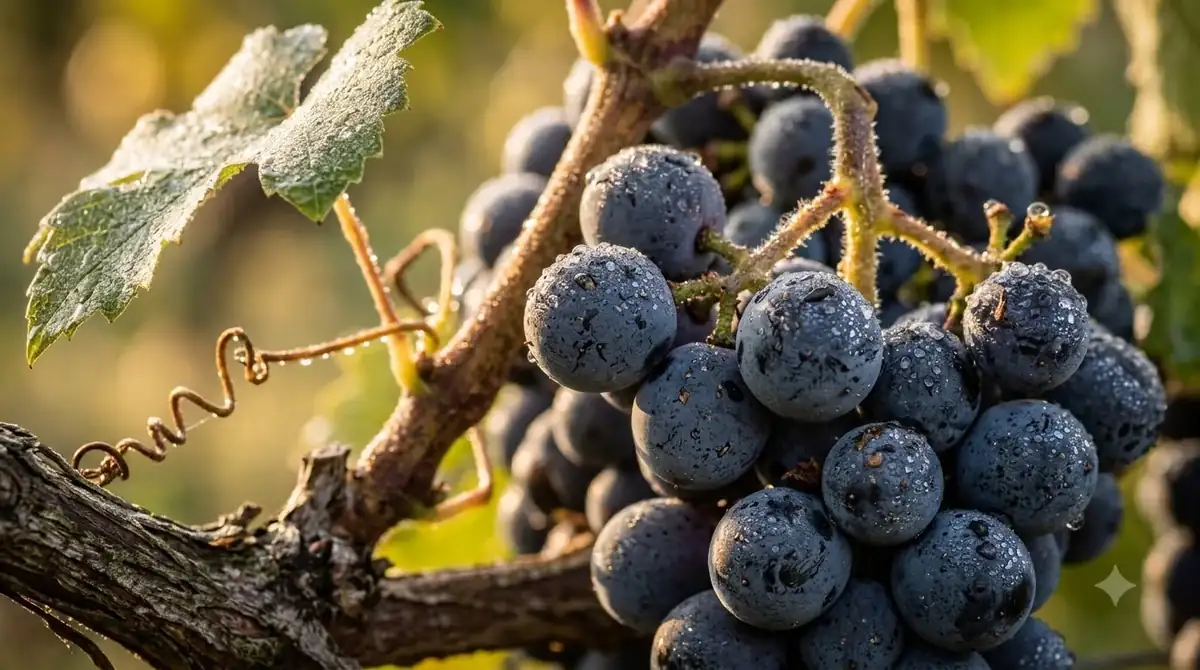
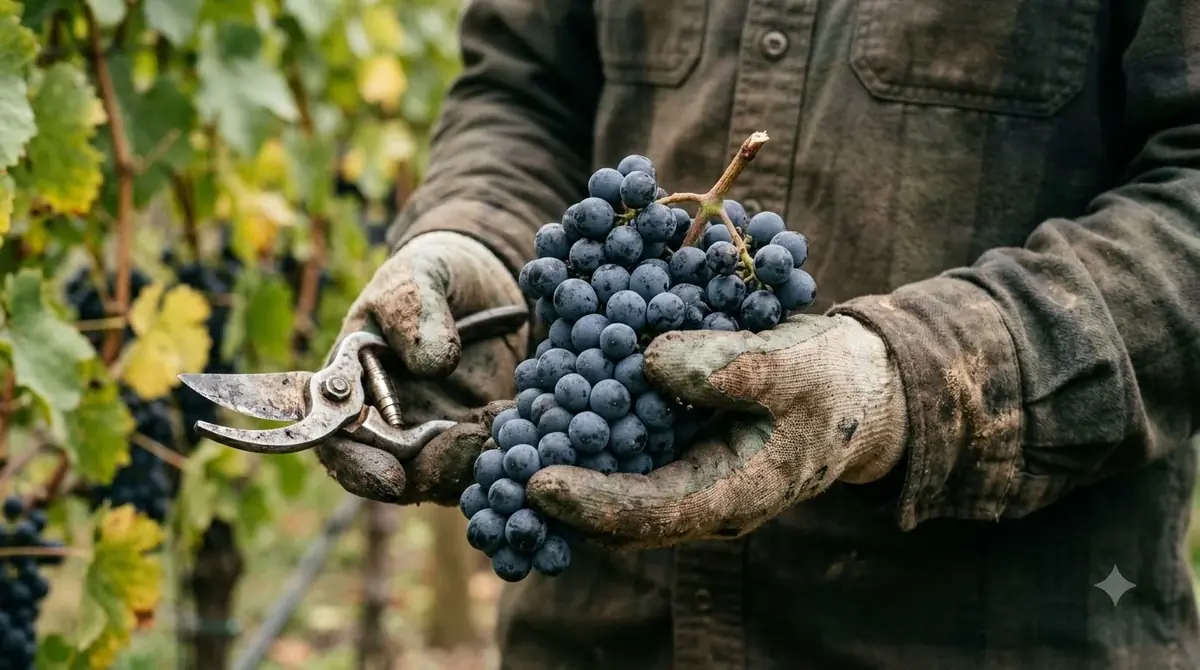
The grape list is the first place the two wines split apart. Champagne is made almost entirely from three grapes: Chardonnay, which contributes freshness and citrus, and the two black-skinned Pinot varieties, Pinot Noir and Pinot Meunier, which add body and structure. Pinot Noir and Pinot Meunier are red grapes, but they are pressed quickly so the juice stays nearly colorless. A few rarer permitted varieties, such as Arbane, Petit Meslier and Pinot Blanc, appear in small amounts.
Prosecco is built on the Glera grape, which was renamed from Prosecco in Italy in 2009. Up to 15 percent of a Prosecco blend can come from other permitted varieties. Glera is aromatic, which is why Prosecco tends to smell of fruit and flowers even before you taste it. If you enjoy the way aromatic white grapes show up in a glass, the comparison in pinot grigio vs sauvignon blanc gives a useful sense of how grape character shapes a wine.
In short, Champagne is a blend that leans on Pinot for depth, while Prosecco is a single aromatic grape that leans on fruit. Neither is better in general. They simply aim at different styles.
How the Bubbles Form
The production method is the biggest reason the two wines taste different. Both wines get their fizz from a second fermentation, which creates carbon dioxide trapped in the bottle. The difference is where that second fermentation happens and how long it takes.
Champagne uses the traditional method. After the first fermentation, the wine is bottled with a bit of sugar and yeast, and the second fermentation takes place inside that bottle. The bottles then rest for a long time, are riddled to collect the yeast, disgorged to remove it, and dosed with a small amount of sugar before corking. The appellation requires a minimum of fifteen months of aging for non-vintage Champagne, and vintage Champagne from a declared exceptional harvest must age at least three years. That long contact with yeast is what gives Champagne its bready, toasty character.
Prosecco mostly uses the Charmat or Martinotti method. The second fermentation takes place in large, sealed stainless steel tanks, and the wine is then bottled under pressure. The minimum production time is 30 days, which is far shorter than the traditional route. Higher-quality Charmat Lungo wines can ferment for up to around nine months, but the usual goal is a fresh, lively wine rather than one that has spent years on yeast. The shorter process is also a major reason Prosecco is generally easier to produce at scale and, in most cases, less expensive to buy.
Flavor, Sweetness and Style
Flavor is where most drinkers notice the difference first. Prosecco is typically described as crisp and aromatic, with notes of yellow apple, pear, white peach and apricot. Most Prosecco is meant to be fresh and light, with intense fruit aromas and a simpler structure. It works well as a bright, easy-drinking sparkler.
Champagne usually shows more layers. Wine guides commonly describe brioche, toast, citrus peel and sometimes a nutty or honeyed note, especially in Champagne that has aged for several years. The fine, persistent bubbles in many Champagnes add to a sense of texture and length on the palate. If you prefer a wine that feels rounder and more complex, Champagne will usually feel more substantial.
Sweetness is shared between the two wines because both follow the same sugar bands. Brut has up to 12 grams of residual sugar per liter, Extra Dry sits between 12 and 17 grams, and Dry sits between 17 and 32 grams. Prosecco has often been labeled Extra Dry, although Brut is becoming more common. A Champagne labeled Brut is usually drier than a Prosecco labeled Extra Dry, so check the sweetness word on the label rather than assuming the name tells you the style.
Side-by-Side Comparison
The table below puts the main differences in one place. It is a useful reference when you are reading two labels at a store.
| Feature | Champagne | Prosecco |
|---|---|---|
| Where it is made | Champagne region, northeastern France | Veneto and Friuli-Venezia Giulia, Italy |
| Main grapes | Chardonnay, Pinot Noir, Pinot Meunier | Glera, with up to 15 percent other varieties |
| Second fermentation | Inside the bottle | In large steel tanks (Charmat method) |
| Minimum time before release | Fifteen months (non-vintage), three years (vintage) | Minimum 30 days of production |
| Typical aromas and flavors | Brioche, toast, citrus, layered depth | Yellow apple, pear, white peach, apricot |
| Common sweetness label | Brut is widely made | Extra Dry has been dominant, Brut is rising |
| Usual place in the price range | Higher, reflecting the traditional method | Lower, reflecting faster tank production |
Tip: If a bottle label says Prosecco Superiore or names Conegliano Valdobbiadene or Asolo, the wine comes from the protected hill zones and usually shows more finesse than a basic Prosecco.
Serving and Food Pairing
Both wines are served chilled, and both are happiest in a glass that keeps the bubbles lively. A tulip-shaped glass or a standard flute works for either one. Pouring slowly down the side of the glass helps preserve the fizz.
Prosecco is a natural match for casual food. It pairs well with fried snacks, fresh fruit, soft cheeses, salads and light seafood, and it is the usual choice for mimosas, Spritzes and other mixed drinks. Champagne has the weight to stand up to richer dishes, such as roast chicken, creamy pasta, fried foods and oysters. A dry Champagne also works well as an aperitif before a heavier meal.
When you are not sure which to open, think about the occasion. If you want something bright and easy for a group, Prosecco is a safe pick. If the bottle is meant to be the centerpiece of a dinner or a celebration, Champagne usually makes more of an impression. The Wine Folly Prosecco guide notes that Prosecco was renamed Glera to help protect the region’s name, and it lays out the DOC and DOCG zones in more detail.
Frequently Asked Questions
Is prosecco cheaper than champagne?
Generally, yes. Tank production is faster than the traditional method, and Champagne’s required aging adds cost, so Prosecco usually sits at a lower point in the market. Prices still vary by producer, so compare bottles on quality and style rather than assuming the cheaper one is weaker.
Can I use prosecco instead of champagne in a mimosa or cocktail?
Yes. Prosecco is a common substitute in mimosas, Bellinis and other mixed drinks because its fruit and freshness hold up well when mixed with juice. Champagne will give a richer, more toasty drink, which some people prefer for a special occasion.
Is prosecco sweeter than champagne?
Not necessarily. Both wines use the same sugar bands, and the sweetness word on the label is the best guide. Prosecco has often been labeled Extra Dry, which means a bit more residual sugar than many Brut Champagnes, but a bottle of Brut Prosecco can be just as dry as a Champagne.
Can a sparkling wine from California or Spain be called Champagne?
No. Champagne is a protected appellation in France, so sparkling wine made elsewhere cannot use the name on its label. Producers in other countries usually use the term sparkling wine, or a local name such as Cava for Spanish wine or Franciacorta for wine made in Italy.
Champagne and prosecco are both good choices for a celebration, and the right one depends on how you plan to serve it. Choose Prosecco when you want a light, fruity glass for a group or a mixed drink, and choose Champagne when you want a wine with more depth for a special meal. Reading the sweetness label and the region on the bottle will help you match the wine to the moment.
More in Wine vs Wine
 Nero d’Avola vs Pinot Noir: Taste, Body, and Pairing DifferencesUpdated Nov 21, 2026
 Chenin Blanc vs Pinot Blanc: Key Differences in Taste, Acidity, and PairingsUpdated Nov 21, 2026
 Chardonnay vs Shiraz: Key Differences in Taste, Serving, and PairingUpdated Nov 21, 2026
 Chardonnay vs Verdejo: How Spain’s Crisp White Compares to the World’s ChameleonUpdated Nov 21, 2026
 Chardonnay vs Sancerre: Key Differences in Taste, Grapes, and PairingUpdated Nov 21, 2026
 Chardonnay vs Malbec: Key Differences in Taste, Body, and PairingUpdated Nov 21, 2026