
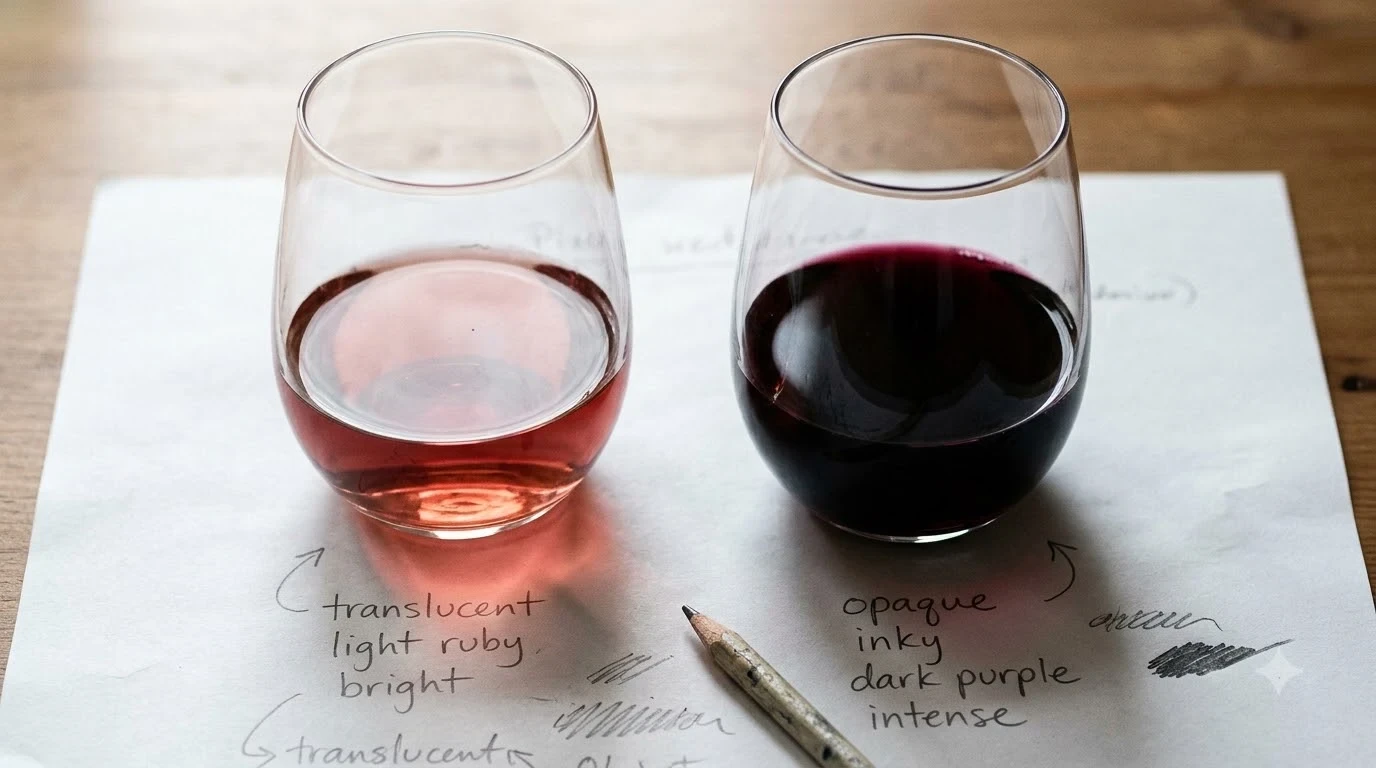

We may earn a commission when you buy through links on this page, at no extra cost to you. Learn more.
Pinot grigio vs sauvignon blanc comes down to flavor and acidity: pinot grigio is lighter, softer and more subtle, while sauvignon blanc is zesty, aromatic and sharper. Both are dry white wines in the 12.5 to 13.5 percent alcohol range, according to Vinovest, so the difference you taste is mostly about fruit, structure and where the grape is grown.
This guide compares the two wines side by side on taste, acidity, regions and food matches. It also shows when each one makes the better choice for a dinner, a party or a bottle you plan to drink on its own.
The basic difference in flavor
Pinot grigio tastes milder. VinePair describes it as light, with soft pear and lemon notes, and Vinovest adds light citrus, peach and apple. Sauvignon blanc is louder in the glass. VinePair describes more intense fruit with grapefruit, grass and passion fruit aromas, and Vinovest notes tropical fruit along with flinty and earthy notes in some bottles.
Where the grape grows changes the flavor a great deal. Cool-climate sauvignon blanc leans toward citrus, grass and minerals, while warmer sites add tropical fruit. Pinot grigio is more neutral, so the winemaker’s choices show more in its finish and texture.
Acidity and structure
Acidity is the clearest difference. VinePair says sauvignon blanc has higher acidity than pinot grigio, and that the sauvignon has more structure on the palate. Pinot grigio has lower natural acidity, which is why it needs cool or high-altitude vineyards to keep its shape. Vinovest makes the same point: sauvignon blanc is high in acidity, while pinot grigio has only slight acidity, although Italian-style bottles are noted for good freshness and Alsatian-style bottles for less.
In practice, sauvignon blanc tastes sharper and more lively. It can feel bolder at the first sip, while pinot grigio is softer and easier to drink on its own.
Alcohol, sweetness and body
Both wines are usually dry, and both sit in a similar alcohol range. Vinovest lists both at about 12.5 to 13.5 percent. VinePair calls both crowd-pleasers typically dry, with no further detail on sweetness levels. Body is harder to pin down, since producers vary. Vinovest describes a medium-bodied sauvignon blanc from Bordeaux as one example, but the bottle you buy will show its own weight.
| Feature | Pinot grigio | Sauvignon blanc |
|---|---|---|
| Main flavors | Light citrus, pear, apple, peach | Grapefruit, grass, passion fruit, tropical notes |
| Acidity | Lower, softer | Higher, sharper |
| Alcohol | About 12.5 to 13.5 percent | About 12.5 to 13.5 percent |
| Best-known regions | Veneto, Friuli, Trentino (Italy); Alsace | Marlborough (New Zealand), Loire, Bordeaux |
| Usual style | Easy, light, everyday | Bright, aromatic, food-friendly |
Where each wine comes from
Pinot grigio is strongest in northern Italy, especially the Veneto, Friuli-Venezia Giulia and Trentino-Alto Adige regions, according to VinePair. It is also grown in France, Germany and the United States, and in Alsace and Oregon the same grape is sold as pinot gris. Vinovest notes that pinot grigio is grown mainly in Italy, France, Germany and the United States.
Sauvignon blanc is grown in most established wine regions. VinePair names the Loire Valley, including Sancerre and Pouilly Fumé, along with Bordeaux and California. Vinovest adds New Zealand, Australia and South Africa, and New Zealand’s Marlborough is the region most people link with the style. Because of this spread, the producer and the vintage matter as much as the grape.
Food pairing: which one fits your meal
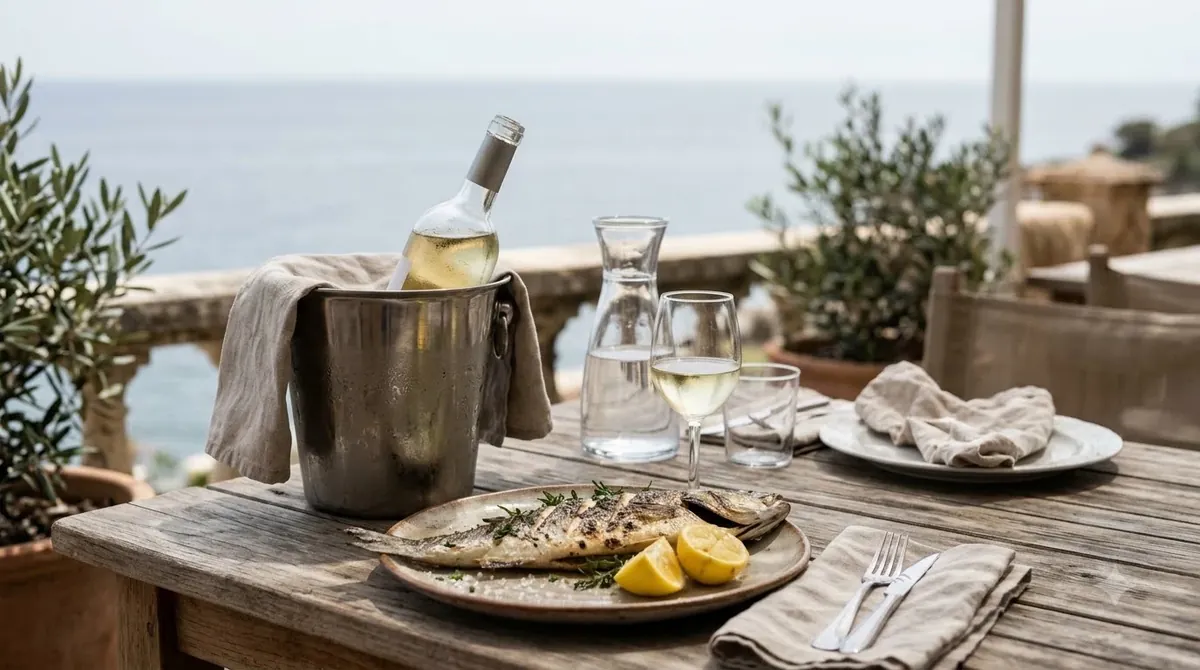
Pinot grigio suits seafood, creamy pasta and mozzarella, according to Vinovest. Its softness makes it a good companion for mild dishes where you do not want the wine to dominate. Sauvignon blanc has more acid and aroma, so it pairs well with seafood, pasta, white meats, mild vinaigrettes and medium-soft cheeses. It also works with herbaceous dishes, such as salads and lemon-herb chicken.
If the meal is rich or creamy, choose the one with more acidity to cut through the fat. If the food is light and mild, the softer pinot grigio is often the better match.
Which one should you pick?
Choose pinot grigio when you want an easy, low-fuss white for a crowd, a patio or a light lunch. Choose sauvignon blanc when you want more aroma and a sharper finish, or when you plan to pair the wine with herbs, citrus or goat cheese. Both are good value across price points, so try a few bottles from different regions before deciding which style you like.
Tasting pinot grigio and sauvignon blanc side by side
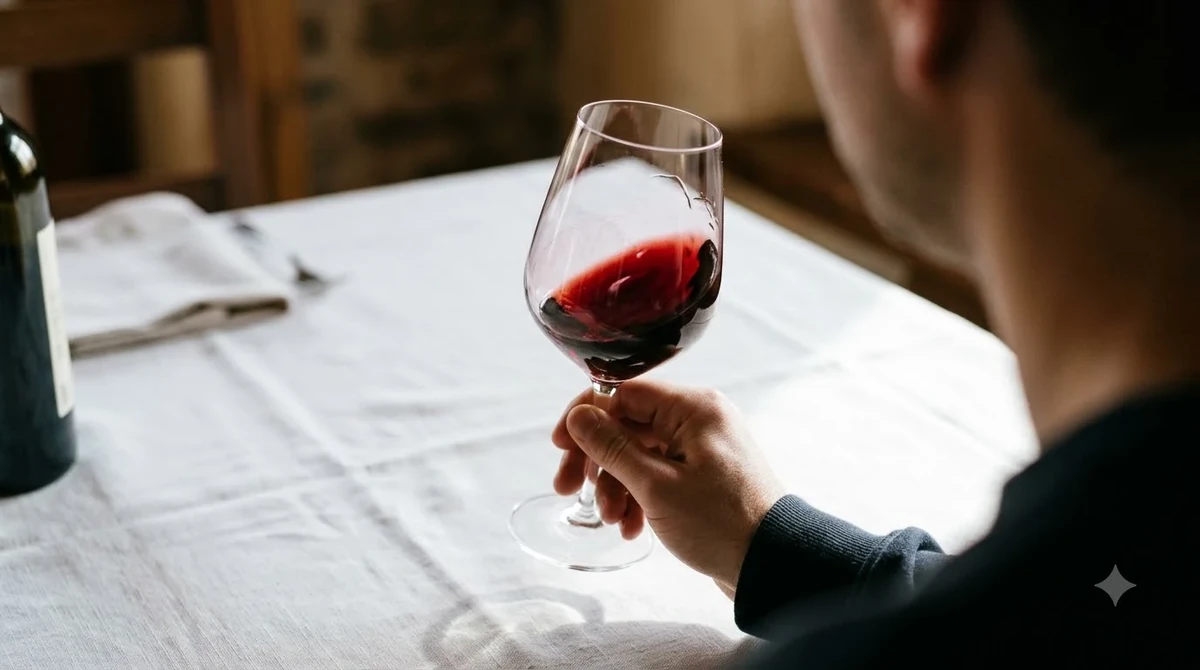
The clearest way to learn the difference is to pour one glass of each at the same temperature and taste them together. Start with the nose. Sauvignon blanc usually announces itself with citrus, grass or tropical fruit, while pinot grigio is quieter and smells of pear or light citrus. Next, take a sip and notice the acidity. The sauvignon will feel sharper on the sides of the tongue, and the pinot will feel softer and rounder. Finally, check the finish. A good sauvignon blanc leaves a fresh, lively taste, while a simple pinot grigio fades quickly.
Serve both lightly chilled. Very cold wine hides aroma, so pull the bottles from the refrigerator a few minutes before tasting. Use the same glass for each wine so the comparison stays fair.
Buying tips for everyday drinking
Both wines are widely sold, so you can find a bottle at almost any shop. For a reliable everyday pinot grigio, look for Italian bottles from the Veneto or Friuli, which are usually light and crisp. For sauvignon blanc, a bottle from New Zealand or the Loire gives a clear picture of the grape’s character. Price does not always track quality, so try two or three bottles before settling on a favorite, and keep notes on the ones you enjoy most.
Label terms that cause confusion
Two naming habits trip up shoppers. The first is pinot grigio and pinot gris, which are the same grape under different names, so a bottle labeled pinot gris from Oregon and a pinot grigio from Italy are cousins rather than rivals. The second is the sauvignon family. Many classic French whites, such as Sancerre and Pouilly Fumé from the Loire Valley, are made from sauvignon blanc, even though the label names the village rather than the grape. Reading the back label for the grape name saves guesswork when you are choosing between these two wines.
Frequently Asked Questions
Is pinot grigio sweeter than sauvignon blanc?
Not usually. Both are described as generally dry, and the difference people notice is more often fruit and acidity than sugar. Sauvignon blanc tastes sharper, which can make it seem drier.
Which has more acidity, pinot grigio or sauvignon blanc?
Sauvignon blanc has higher acidity. VinePair and Vinovest both describe pinot grigio as lower in natural acidity, which is why it tastes softer and rounder.
Are pinot grigio and pinot gris the same?
They are the same grape. The name changes with the country, and the winemaking often differs, so pinot gris from Alsace or Oregon can taste richer than a light Italian pinot grigio.
Which is better for a beginner?
Pinot grigio is often the easier starting point because its flavors are mild and its acidity is softer. Sauvignon blanc is a good next step once you want more aroma and a sharper finish.
Both wines earn a place on the table, and the right choice depends on the meal and the mood. For a closer look at how the two white wines fit into the wider group of varieties, visit the Wine vs Wine guides. If you are weighing a red as well, the comparison of cabernet sauvignon vs pinot noir shows how a different grape changes the choice.
More in Wine vs Wine
 Nero d’Avola vs Pinot Noir: Taste, Body, and Pairing DifferencesUpdated Nov 21, 2026
 Chenin Blanc vs Pinot Blanc: Key Differences in Taste, Acidity, and PairingsUpdated Nov 21, 2026
 Chardonnay vs Shiraz: Key Differences in Taste, Serving, and PairingUpdated Nov 21, 2026
 Chardonnay vs Verdejo: How Spain’s Crisp White Compares to the World’s ChameleonUpdated Nov 21, 2026
 Chardonnay vs Sancerre: Key Differences in Taste, Grapes, and PairingUpdated Nov 21, 2026
 Chardonnay vs Malbec: Key Differences in Taste, Body, and PairingUpdated Nov 21, 2026